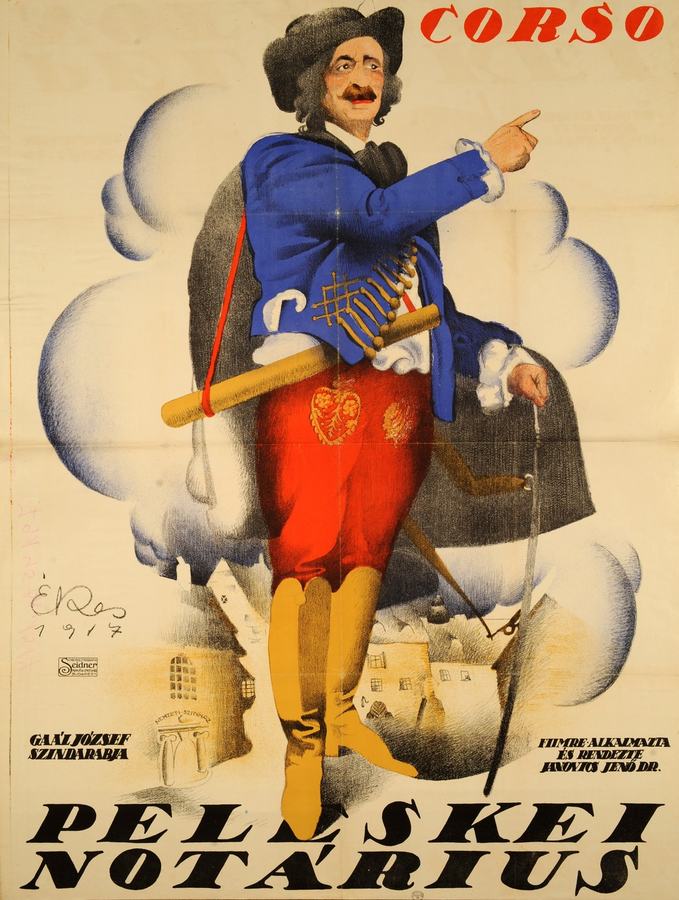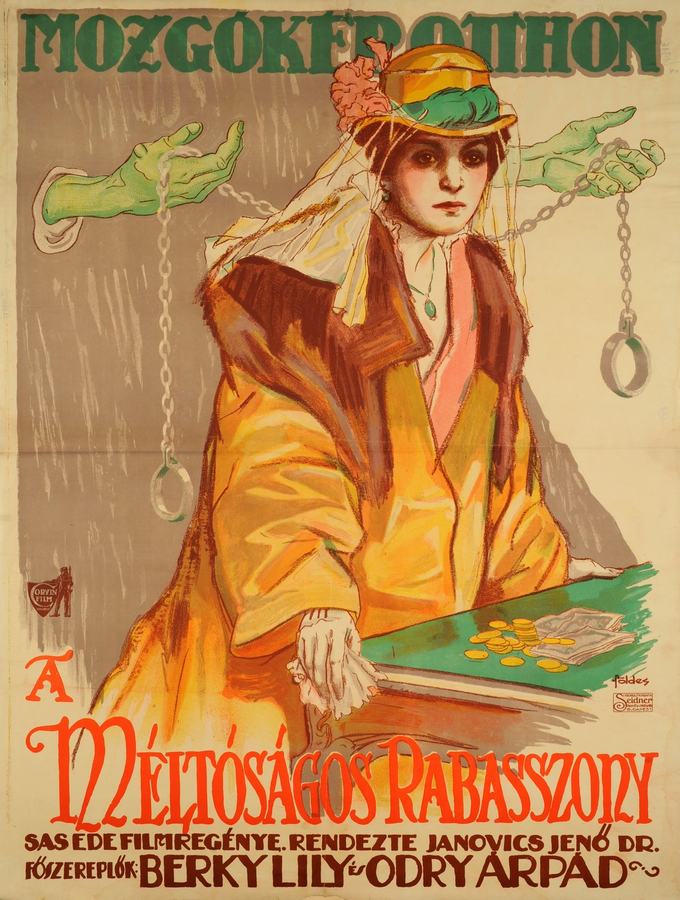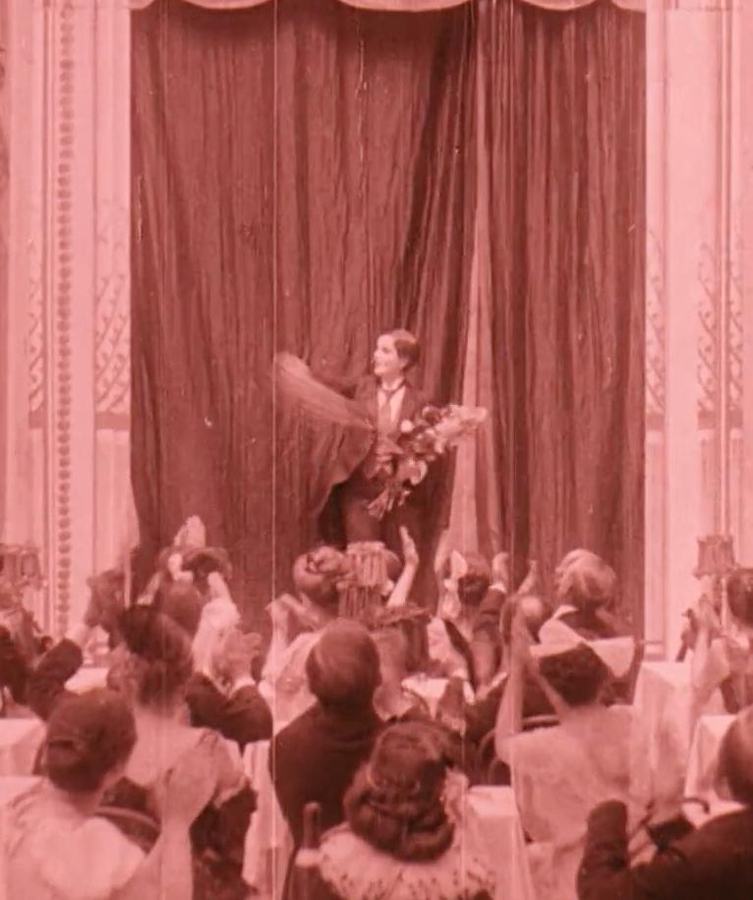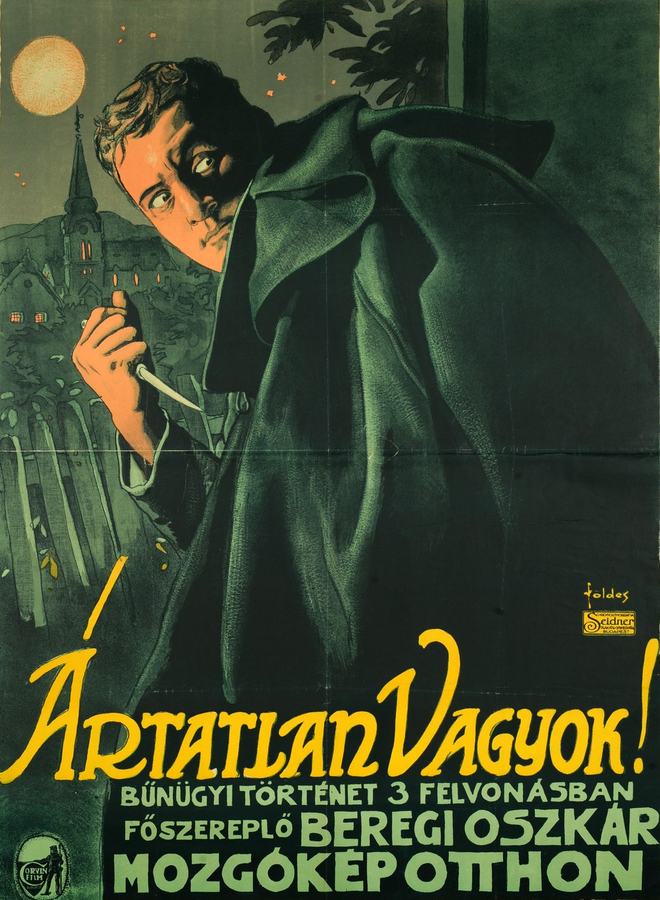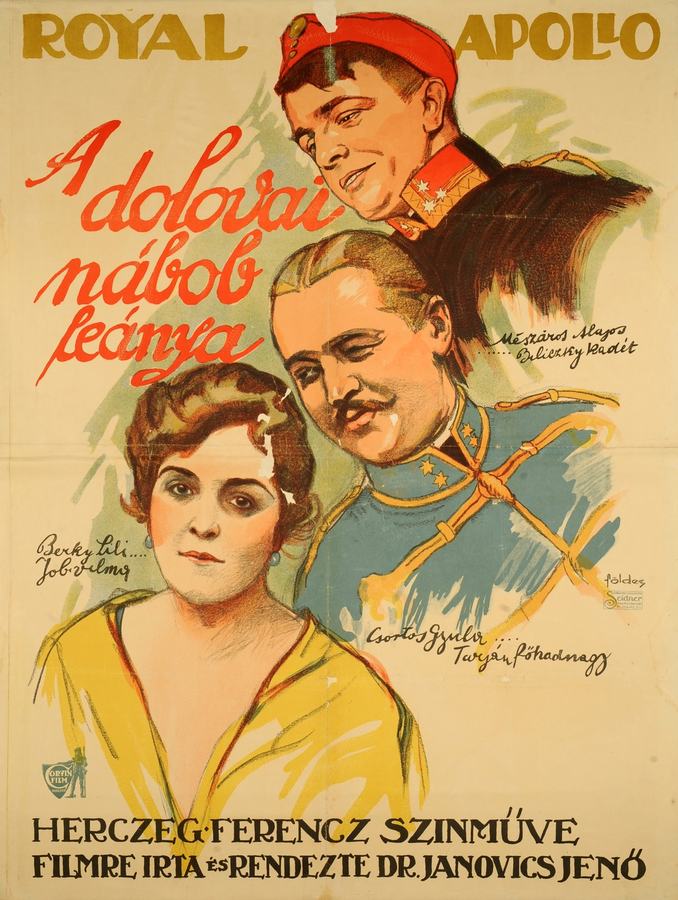
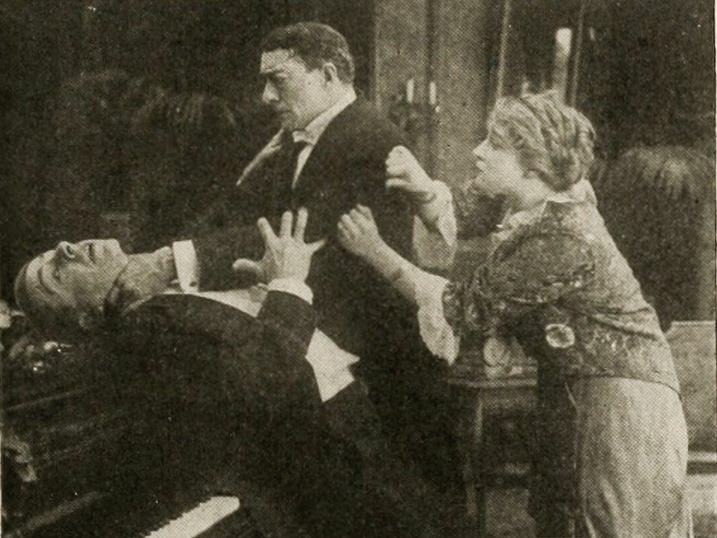
The first time I encountered A Dolovai nábob leánya I was chasing a rumor—whispers in a forgotten film journal that somewhere between the Carpathians and the Danube, 1916 had birthed a movie that smelled of cognac, gun-smoke, and the mildewed velvet of bankrupt glory. What I found instead of rumor was a detonation: a...
Comparing the cinematic DNA and archive impact of two defining moments in cult history.
Jenö Janovics
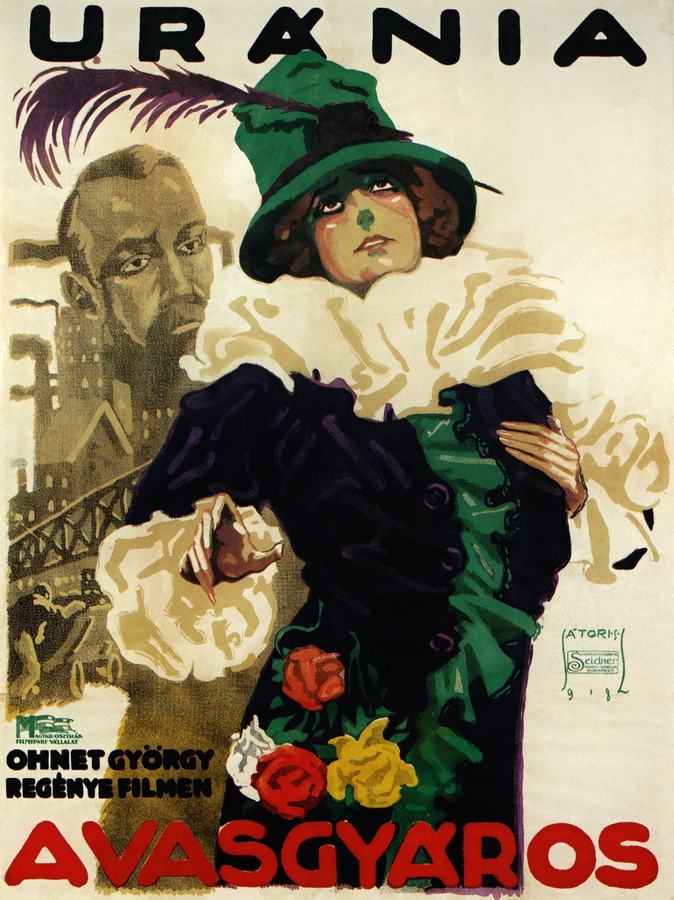
Jenö Janovics
Community
Log in to comment.
" The first time I encountered A Dolovai nábob leánya I was chasing a rumor—whispers in a forgotten film journal that somewhere between the Carpathians and the Danube, 1916 had birthed a movie that smelled of cognac, gun-smoke, and the mildewed velvet of bankrupt glory. What I found instead of rumor was a detonation: a nitrate grenade hurled straight at the myth of noble birthright, its fuse lit by Ferenc Herczeg’s scalpel-sharp scenario and Jenö Janovics’s direction that stages decadence like a..."
Deep dive into the cult classic
Discover similar cinematic experiences
A Directorial Spotlight on Jenö Janovics