DbcultAccessing Vault...
Cult Review
Senior Film Conservator
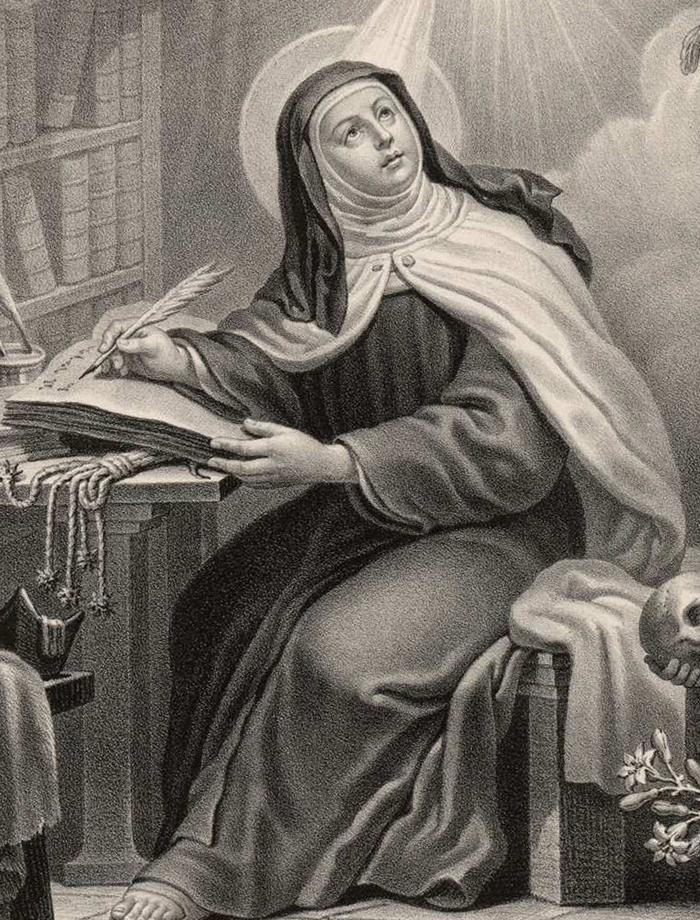
Is Teresa de Jesús worth watching today? Short answer: yes, but with significant caveats. This is a film that demands patience and a certain intellectual curiosity, offering a profound, if sometimes ponderous, exploration of faith, institutional power, and personal conviction in 16th-century Spain. It is unequivocally for those who appreciate meticulously crafted historical dramas, theological depth, and character-driven narratives that eschew easy answers.
Conversely, if you're seeking fast-paced action, light entertainment, or a purely secular perspective, Teresa de Jesús will likely prove a challenging, perhaps even frustrating, viewing experience. Its deliberate rhythm and intense focus on spiritual struggle are not for every palate, and its demands on the viewer are considerable.
The film opens, as all great historical epics should, with a sense of place and time. We are immediately transported to the sun-drenched, yet spiritually shadowed, world of 16th-century Castile. Our introduction to Teresa de Ahumada – later Teresa de Jesús – is not as a fully formed saint, but as a young woman grappling with the complexities of her faith and the societal expectations placed upon her.
From her early days in the convent, the film meticulously charts her evolution. We witness the nascent stirrings of her mystical experiences, rendered with a delicate balance that avoids sensationalism while conveying their profound impact. These aren't cheap parlor tricks; they are soul-shattering encounters that redefine her understanding of God and her purpose.
It’s this spiritual intensity that fuels her radical call for reform. The depiction of the Carmelite order's decline into a more worldly existence is handled with nuance, not condemnation. We see the comfort, the social maneuvering, the intellectual pursuits that had, perhaps inadvertently, diluted the original spirit of austerity. Teresa's mission, therefore, isn't just about dogma; it's about reclaiming a lost purity, a direct, unmediated relationship with the divine.
The film truly shines in its portrayal of the resistance Teresa faces. This isn't a simplistic good-versus-evil narrative. The opposition comes from within her own order, from bishops and inquisitors who genuinely believe they are protecting the Church, and from a society deeply suspicious of women who challenge the status quo. The political machinations, the subtle threats, the public accusations – all are woven into a taut, compelling struggle for survival, both spiritual and physical.
The director, whose vision permeates every frame, demonstrates a remarkable command of pacing and atmosphere. The decision to embrace a slower, more contemplative rhythm allows the viewer to truly inhabit Teresa’s world, to feel the weight of her spiritual burdens and the claustrophobia of institutional resistance. This is not a film that rushes its revelations; it allows them to unfold organically, mirroring the slow, arduous process of spiritual formation itself.
A particularly striking example of this is the recurring motif of the convent's walls. They are depicted not just as physical barriers, but as psychological and spiritual ones. In early scenes, they offer solace and protection; later, as Teresa’s reforms gain traction, they become symbols of imprisonment and the very institutions she seeks to challenge. The camera often lingers on these architectural details, imbuing them with symbolic weight that speaks volumes without a single line of dialogue.
The use of natural light, often filtered through stained-glass windows or casting long shadows in dimly lit cells, creates a visual language that is both historically authentic and deeply evocative. It’s a testament to a directorial hand that trusts its audience to engage with subtlety and suggestion, rather than relying on overt exposition.
While an uncredited lead delivers a truly transformative performance as Teresa, embodying both her vulnerability and her indomitable will, the supporting cast provides crucial anchors to the tumultuous world around her. Arturo Beringola, as the stern but ultimately conflicted Inquisitor, delivers a performance of quiet menace. His portrayal avoids caricature, instead presenting a man convinced of his righteousness, even as he grapples with the potential injustice of his actions. There’s a scene where he questions Teresa, his eyes betraying a flicker of doubt beneath his rigid exterior, a moment of profound humanization in an otherwise unyielding figure.
Francisco Beringola, in the role of a sympathetic but cautious confessor, offers a necessary counterpoint. His character provides a window into the internal debates within the Church itself, representing those who recognized the validity of Teresa’s reforms but feared the upheaval they would cause. His quiet counsel and moral dilemmas add a layer of human complexity, preventing the film from descending into a simplistic portrayal of good versus evil. The dynamic between these male figures and the central female protagonist is fascinating, often reflecting the broader societal and theological power imbalances of the era.
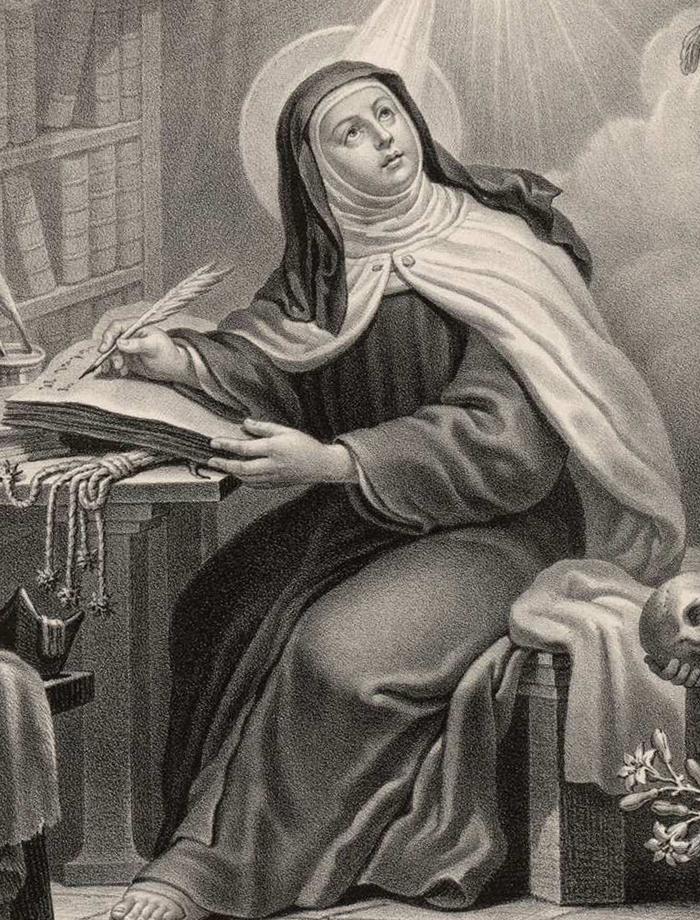
The ensemble cast collectively contributes to a rich tapestry of period detail and emotional authenticity. Every nun, every priest, every villager feels like a lived-in character, contributing to the film's immersive historical realism.
The cinematography in Teresa de Jesús is nothing short of breathtaking. It masterfully captures the stark beauty of the Spanish landscape and the intricate, often oppressive, architecture of its religious institutions. The use of deep, rich colors in some scenes – particularly those depicting moments of spiritual ecstasy – contrasts sharply with the muted, almost monochrome palette used for scenes of institutional struggle or personal doubt. This visual dichotomy effectively mirrors Teresa’s internal and external conflicts.
The camera work is deliberate, often employing long takes and slow pans that allow the viewer to absorb the detail of the period settings. There’s a particular shot, early in the film, of Teresa walking through a sun-drenched cloister, the light catching the dust motes in the air, that perfectly encapsulates the film's blend of spiritual aspiration and grounded realism. It’s a visual poem, reinforcing the idea that even within the confines of a convent, the divine can manifest in the mundane.
The film’s pacing is its most distinctive, and perhaps divisive, characteristic. It is slow, methodical, almost meditative. This deliberate cadence might test the patience of some viewers, but it is entirely in service of the narrative. It allows for a deep immersion into Teresa’s spiritual journey, mirroring the slow, often arduous, process of contemplative prayer and institutional change. The film breathes, allowing moments of silence and reflection to carry as much weight as dialogue.
The tone is one of reverent realism. While it treats Teresa’s mystical experiences with respect, it never fully abandons a sense of grounded human struggle. There’s a palpable tension between the divine and the human, the spiritual and the political. This prevents the film from becoming a mere hagiography, instead elevating it to a profound human drama about conviction in the face of overwhelming odds. It is a nuanced, challenging tone that resists easy categorization, much like the life of its subject.
Yes, Teresa de Jesús is absolutely worth watching, particularly for cinephiles who value historical accuracy and profound character studies. It's a film that stays with you, prompting reflection on faith, power, and the individual's role in challenging established norms. It works. But it’s flawed. Its deliberate pace and dense subject matter mean it's not a film for a casual Friday night. It demands engagement, but the rewards are substantial. Consider it a spiritual and intellectual feast, rather than a light snack. It offers a unique window into a pivotal historical figure and the era she inhabited, making it a valuable cinematic experience for the right audience.
One of the film's most potent, and perhaps underappreciated, strengths is its subtle critique of the very concept of 'sainthood' as a monolithic, uncomplicated state. Teresa is not presented as a perfect, ethereal being, but as a deeply human woman prone to doubt, frustration, and even moments of strategic cunning. This humanization elevates her story beyond mere hagiography, making her struggles universally relatable. I found myself questioning the modern tendency to sanitize historical figures, noting how this film bravely resists that urge.
Furthermore, I believe the film's greatest triumph lies not in depicting Teresa's spiritual ecstasies – though they are handled with grace – but in its unflinching portrayal of the bureaucratic and political battles she fought. It's a testament to how often radical spiritual insights are met not with theological debate, but with institutional inertia and power plays. In this sense, it feels remarkably contemporary, reflecting the ongoing tension between individual conviction and established systems.
An unconventional observation is how the film uses silence as a character. The quiet hum of the convent, the long pauses in dialogue, the moments of solitary prayer – these aren't merely gaps in sound, but active participants in the storytelling, conveying contemplation, isolation, and the weight of unspoken thoughts. It’s a bold choice that many modern films shy away from, yet here it’s essential.
While Teresa de Jesús stands on its own, its exploration of spiritual conviction and institutional conflict draws interesting parallels to other cinematic works. One might find thematic echoes in films like Holy Smoke, albeit with a vastly different tone and context, in its depiction of a woman's radical spiritual experience clashing with societal norms and attempts at 'deprogramming'. The struggle against a rigid, unyielding establishment also brings to mind the quiet defiance seen in Crainquebille, though there, the fight is against legal bureaucracy rather than ecclesiastical. Both films highlight the immense personal cost of standing against the tide.
The film's visual austerity and focus on interiority could also be compared to the works of directors like Robert Bresson, particularly in its reverence for the mundane and its ability to find profound meaning in subtle gestures. It’s a film that, like Return to Reason, dares to explore the less tangible aspects of human experience, even if through a more narrative lens.
Teresa de Jesús is a profoundly moving and intellectually stimulating film, a rare cinematic achievement that dares to delve deep into the spiritual and political complexities of its subject. It’s not an easy watch, nor is it designed to be. This is a film that asks for your attention, your patience, and your willingness to engage with profound questions of faith, power, and the human spirit. While its deliberate pace and dense subject matter may deter some, those who commit to its journey will find themselves richly rewarded with a visually stunning, emotionally resonant, and historically significant piece of cinema. It is a powerful testament to the enduring strength of conviction, making it a highly recommended watch for discerning audiences. Its impact lingers long after the credits roll.

IMDb 7.6
1931
Community
Log in to comment.