DbcultAccessing Vault...
6.4/10
Senior Film Conservator
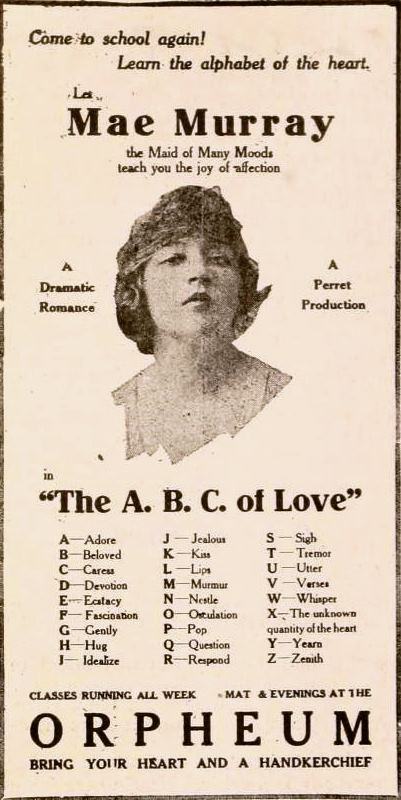
A definitive 6.4/10 rating for a film that redefined the boundaries of cult cinema. The A.B.C. of Love remains a cornerstone of transgressive art.
When Léonce Perret’s The A.B.C. of Love unfurled on the silver screen in 1919, it arrived at a crossroads of theatrical tradition and emerging cinematic language. The film, anchored by Frank McGlynn Sr.’s brooding portrayal of Harry Bryant and Mae Murray’s luminous embodiment of Kate, operates as a study in contrasts: urban sophistication versus pastoral innocence, literacy versus illiteracy, ambition versus contentment. The narrative, while ostensibly simple—a love‑triangle set against a rustic backdrop—unfolds with a subtlety that rewards repeated viewings.
Perret structures the film in three distinct acts, each echoing an alphabetical progression that mirrors the titular motif. The opening act introduces the ‘A’ of attraction: Harry’s serendipitous encounter with Kate, a moment rendered with a near‑poetic tableau of horse‑back silhouette against a setting sun. The cinematography here leans heavily on natural light, casting long shadows that foreshadow the looming conflicts.
Act two, the ‘B’ of betrayal, sees Harry’s disillusionment with Kate’s lack of formal education. The screenplay, penned with a keen eye for class dynamics, uses the inn’s oppressive atmosphere as a microcosm of societal constraints. When Kate flees, the film’s editing becomes brisk, employing cross‑cuts between the inn’s dimly lit corridors and the open fields of Story Brook, emphasizing her transition from confinement to freedom.
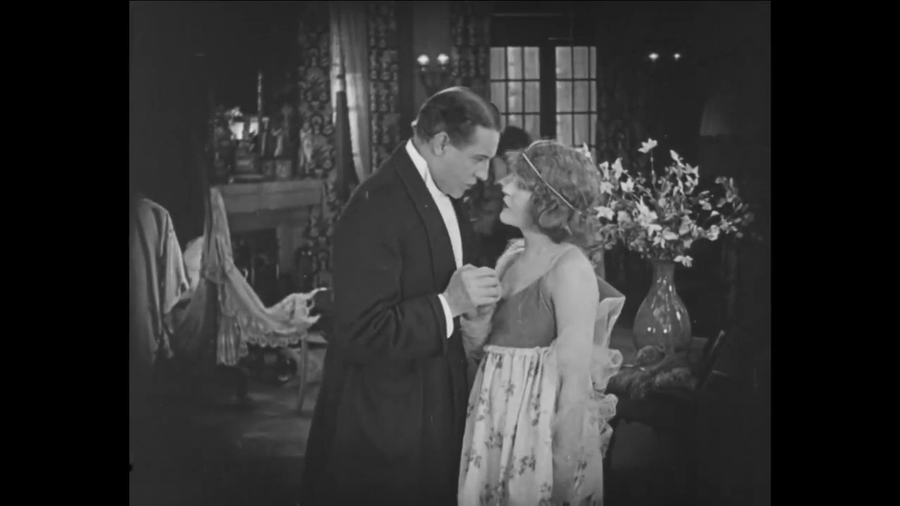
The final act, the ‘C’ of communion, resolves the tension through a revelation that Kate’s clandestine meetings are pedagogical rather than illicit. This twist reframes the narrative, suggesting that love is not static but evolves through mutual edification. The resolution is neither saccharine nor contrived; it feels earned, a testament to Perret’s restraint.
Mae Murray, already celebrated for her work in One Wonderful Night, brings an expressive nuance to Kate. Her eyes, often the sole conduit of emotion in silent cinema, convey a spectrum from feral independence to tender vulnerability. In the scene where Kate first arrives at the inn, Murray’s subtle widening of the pupils and the delicate tilt of her head communicate a mixture of hope and apprehension without a single intertitle.
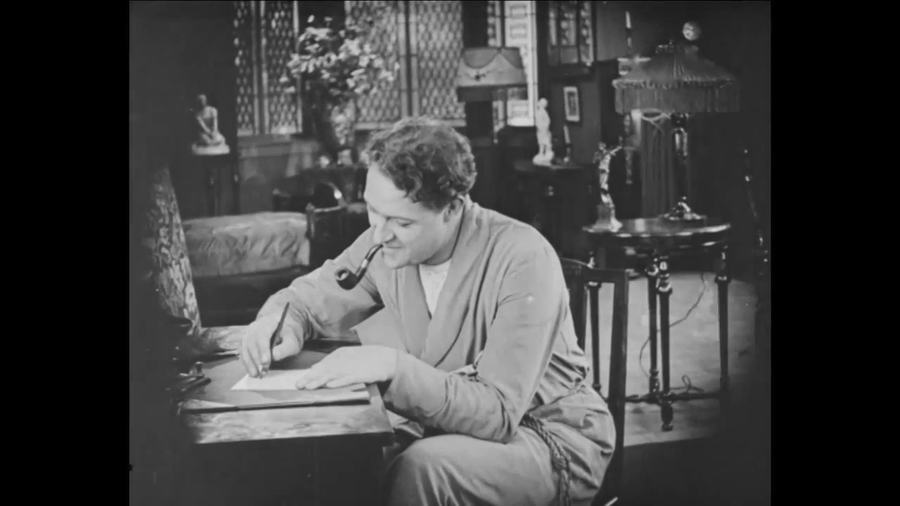
Frank McGlynn Sr.’s Harry is a study in restrained melancholy. He oscillates between the confident playwright and the insecure husband, his posture shifting from upright, theatrical poise to a slumped, introspective demeanor when confronted with Kate’s illiteracy. McGlynn’s performance is particularly compelling in the garden sequence, where he watches Kate attempt to read a simple passage. The lingering close‑up on his furrowed brow captures an internal conflict that words could not articulate.
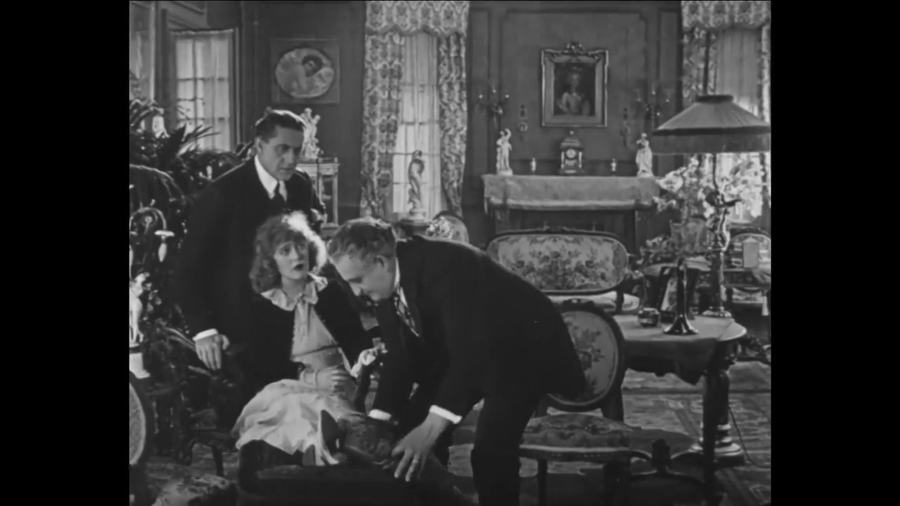
Supporting actors, such as Dorothy Green as Diana Nelson, embody the archetype of the ambitious social climber with a deftness that avoids caricature. Her poised gestures and immaculate costumes, highlighted by the sea‑blue hue of her gowns, contrast sharply with Kate’s earth‑toned dresses, visually reinforcing the class divide.
Although the original print is monochrome, contemporary restorations have introduced selective tinting, allowing Perret’s palette to emerge. The director’s use of chiaroscuro—particularly in the inn’s interior scenes—creates a visual metaphor for the moral ambiguity surrounding Kate’s treatment. The occasional splash of amber, reminiscent of a candle’s flame, underscores moments of intimacy between Harry and Kate.
Camera movement is deliberately measured. Long takes dominate the pastoral sequences, granting the audience time to absorb the bucolic setting, while rapid cuts punctuate moments of tension, such as Kate’s escape from the inn. The framing of Kate on the white horse, captured from a low angle, elevates her to a mythic stature, aligning her with the archetype of the wandering heroine.
Perret’s editing also employs a subtle rhythmic pattern, echoing the titular ABC motif. The film’s pacing accelerates during the ‘B’ segment, then decelerates in the ‘C’, mirroring the emotional arc of the protagonists.
When placed beside contemporaneous works such as Comin' Thro' the Rye or Tangled Lives, The A.B.C. of Love distinguishes itself through its focus on intellectual disparity as a source of marital discord. While Comin' Thro' the Rye leans heavily on melodramatic tropes, Perret’s film adopts a more restrained, almost sociological lens, inviting viewers to contemplate the societal pressures that dictate personal relationships.
Moreover, the film’s treatment of female agency parallels that of The Wicked Darling, yet Kate’s journey diverges: she is not merely a victim of circumstance but an active participant in her self‑education, a narrative thread that prefigures later feminist cinema.
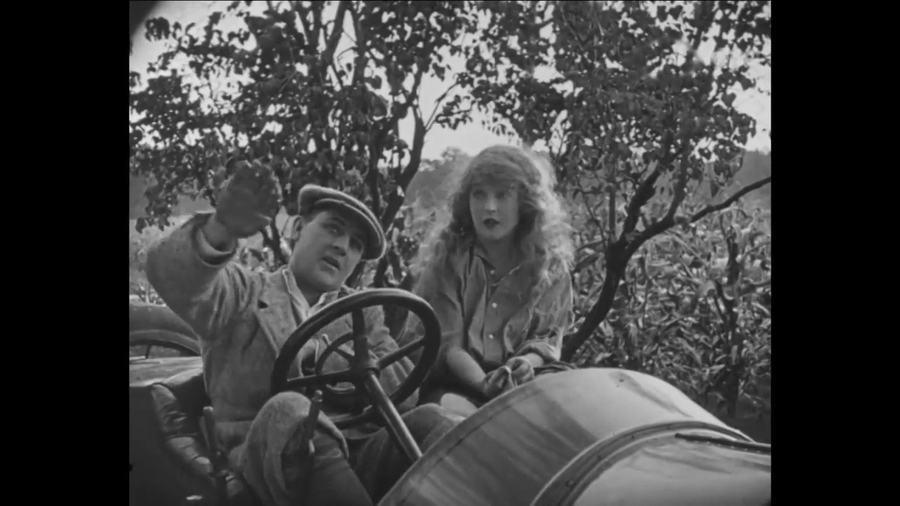
The film’s resolution—Harry’s renewed affection after discovering Kate’s tutoring sessions—can be read through multiple lenses. On one hand, it reinforces a traditional redemption arc; on the other, it subtly critiques the patriarchal assumption that women require male guidance to achieve literacy. Kate’s agency, manifested in her secret pursuit of knowledge, resonates with contemporary dialogues about empowerment and the right to self‑directed learning.
The thematic interplay of class, education, and love also mirrors present‑day conversations surrounding socioeconomic mobility. Harry’s initial disdain for Kate’s illiteracy reflects a lingering bias that still pervades modern relationships, making the film unexpectedly prescient.
From a production standpoint, the film benefits from location shooting in authentic rural settings, a rarity for its era. The naturalistic backdrops lend credibility to the narrative, while the interior sets—crafted with meticulous attention to period detail—anchor the story in a recognizable social milieu.
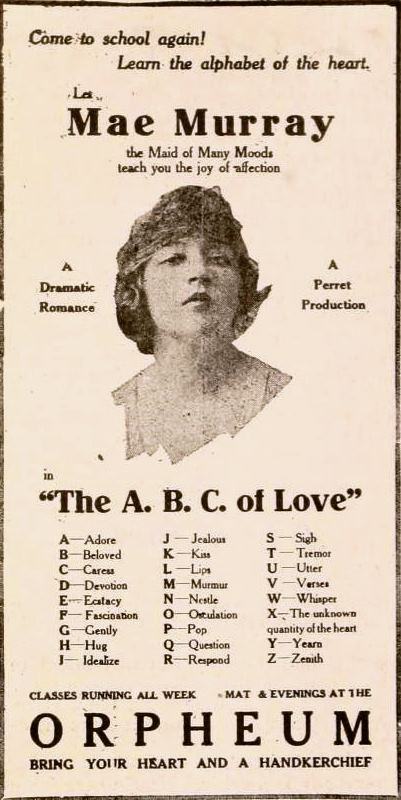
The intertitles, though sparingly used, are elegantly designed, employing a serif typeface that complements the film’s genteel aesthetic. The musical accompaniment, often performed live in original screenings, typically featured a string quartet, underscoring the romantic tension without overwhelming the visual storytelling.
Despite its relative obscurity today, The A.B.C. of Love has attracted scholarly attention for its nuanced portrayal of gender dynamics and its early exploration of the Bildungsroman within a silent framework. Film historians frequently cite it when discussing the evolution of the domestic drama genre in the post‑World‑War I period.
Its influence can be traced in later works that grapple with similar motifs, such as Over Night and The Chalice of Sorrow, where protagonists confront the tension between personal desire and societal expectation.
In sum, The A.B.C. of Love stands as a testament to Léonce Perret’s deft hand at weaving intimate character studies into broader social commentary. Its layered performances, thoughtful cinematography, and progressive undercurrents render it a compelling artifact for both cinephiles and scholars. While the film’s pacing may feel deliberate to contemporary audiences accustomed to rapid editing, its deliberate tempo invites contemplation—a rare gift in an era dominated by spectacle. For those seeking a silent‑era romance that transcends formulaic tropes, this work offers a richly textured experience, rewarding attentive viewing with insights that echo well beyond its 1919 premiere.
IMDb —
1932
Community
Log in to comment.