DbcultAccessing Vault...
5.4/10
Senior Film Conservator
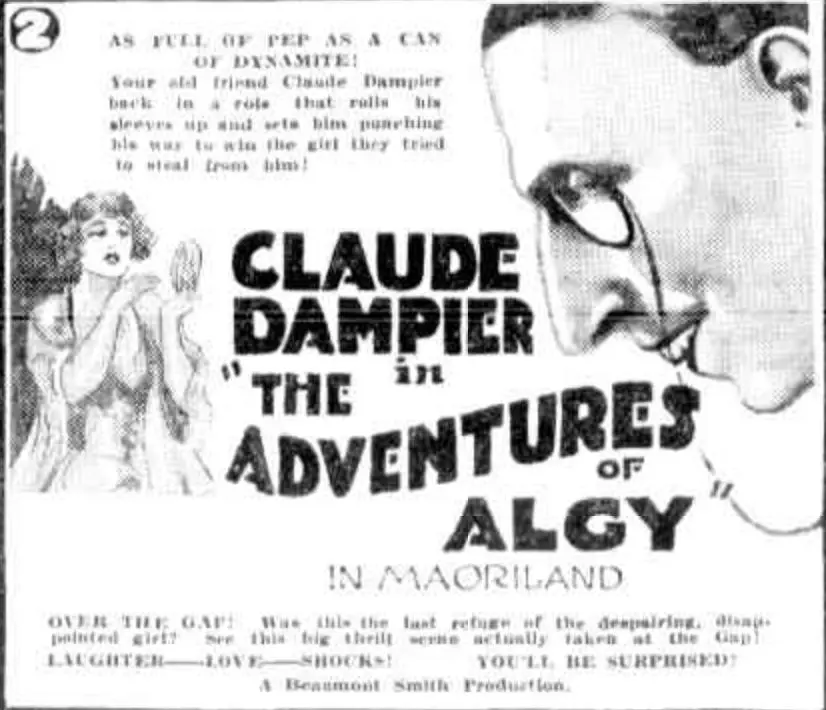
A definitive 5.4/10 rating for a film that redefined the boundaries of cult cinema. The Adventures of Algy remains a cornerstone of transgressive art.
Step back in time, dear reader, to an era when cinematic storytelling relied not on spoken dialogue but on exaggerated gestures, evocative intertitles, and the sheer charisma of its performers. The year is 1925, and Australian cinema, though nascent, was carving out its own distinctive niche. Within this vibrant, albeit often overlooked, period emerges Beaumont Smith’s The Adventures of Algy, a film that, despite the passage of nearly a century, continues to offer a fascinating glimpse into the comedic sensibilities and societal observations of its time. This isn't just another forgotten silent film; it's a delightful cultural artifact, a comedic caper that perfectly encapsulates the 'fish-out-of-water' trope with a distinctly colonial flavor.
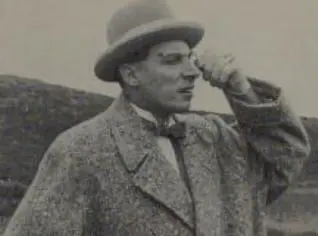
At its heart, The Adventures of Algy presents a character so archetypal, so quintessentially British in his bumbling earnestness, that he transcends the mere confines of his narrative. Algy, portrayed with an endearing absurdity by Claude Dampier, is the quintessential 'silly ass' Englishman. Imagine a character plucked straight from the pages of P.G. Wodehouse, possessing all the social graces of a Mayfair drawing-room but none of the practical acumen required to navigate anything more challenging than a perfectly manicured garden party. Dampier, already known for his comedic prowess and having previously charmed audiences in the unofficial precursor Hullo Marmaduke, brings a nuanced physical comedy to Algy. His performance, even through the lens of archival descriptions, suggests a masterclass in conveying confusion, indignation, and a persistent, almost heroic, ineptitude through gesture and facial expression alone. This particular brand of humor, relying on the contrast between an individual’s self-perception and their actual competence, was a staple of silent comedy, often seen in the works of international greats. One might draw parallels to the misadventures of the hapless protagonist in Phantom Fortunes, if that film also embraced the comedic potential of a character utterly unsuited to his circumstances, navigating a world bafflingly beyond his comprehension.
The narrative premise, simple yet fertile ground for comedic exploits, sees Algy inherit a sprawling sheep station in New Zealand. This is where the film truly begins to shine, transforming a geographical shift into a profound cultural chasm. Algy, accustomed to the genteel rhythms of urban England, finds himself thrust into a rugged, untamed landscape where his knowledge of proper tea etiquette is utterly useless in the face of unruly livestock or the demands of the land. The humor here is derived from the collision of two vastly different worlds: the sophisticated, albeit effete, European sensibility against the raw, practical demands of colonial life. Picture Algy attempting to shear a sheep with the delicate precision of a surgeon, or perhaps trying to communicate with a sheepdog using commands more suited to a pampered lapdog. These imagined scenarios, born from the film's core concept, highlight the universal appeal of 'fish-out-of-water' comedy. It's a trope that continues to resonate today, reminding us of the inherent humor in human adaptability, or lack thereof. The film likely capitalizes on Algy’s persistent attempts to impose his own anachronistic order on a chaotic environment, leading to escalating levels of slapstick and situational irony. This dynamic could be reminiscent of the comedic misunderstandings central to films like The Wrong Woman, where a character's preconceived notions or mistaken identities drive the plot towards amusingly disastrous conclusions.
Beaumont Smith, as the director, would have been tasked with translating this clash of cultures into a visually engaging spectacle. Silent film direction relied heavily on visual storytelling, using exaggerated actions, expressive sets, and careful framing to convey emotion and plot. One can envision Smith utilizing the dramatic New Zealand landscape not merely as a backdrop, but as an active participant in Algy's comedic struggles. The vastness of the plains, the ruggedness of the hills, and the sheer scale of a sheep station would have dwarfed Algy, visually emphasizing his insignificance and ineptitude in this new world. The use of intertitles would have been crucial, not just for dialogue but for delivering punchlines, setting the scene, and perhaps even offering wry commentary on Algy's predicaments. The pacing, a critical element in silent comedies, would have alternated between slower moments of character development and rapid-fire sequences of physical comedy, keeping the audience engaged and entertained. This deliberate pacing and reliance on visual cues are hallmarks of the era, distinguishing it from later cinematic forms. Comparing the physical comedy and the protagonist's journey through a challenging environment, one might even see echoes of Buster Keaton’s ingenious contraptions and determined, if often doomed, efforts in films like The Railroader, though Algy’s struggles are born more from aristocratic cluelessness than a working man’s grit.
The supporting cast – Bathie Stuart, George Chalmers, Eric Harrison, and Billie Carlyle – would have played vital roles in amplifying Algy’s comedic journey. In silent comedies, supporting characters often served as foils, straight men, or sources of additional chaos. Bathie Stuart, perhaps as a love interest or a pragmatic local woman, might have been the exasperated voice of reason, constantly amazed by Algy’s blunders. George Chalmers and Eric Harrison could have embodied the rough-and-tumble locals, perhaps shepherds or station hands, whose rustic wisdom and practical skills would stand in stark contrast to Algy’s theoretical knowledge. Billie Carlyle, another key player, might have portrayed a more mischievous element, perhaps a rival or a character who takes advantage of Algy’s naivety. Their interactions would have provided the necessary context for Algy’s absurdities, reacting to his antics with a mix of bewilderment, amusement, or perhaps even a touch of exasperation. The ensemble's dynamic, much like in many character-driven comedies of the period, would have been crucial to the film's overall comedic success. One could even imagine a scenario where one of these characters employs a clever deception, much like the premise of A Widow's Camouflage, to further complicate Algy's already bewildering existence.
Beyond the immediate laughs, The Adventures of Algy offers a subtle yet potent commentary on class, identity, and the colonial experience. Algy's journey is not just about learning to herd sheep; it's about shedding the superficial trappings of his upbringing and, perhaps, finding a more authentic self amidst the challenges. The film gently pokes fun at the perceived superiority of the English gentleman, highlighting the absurdity of their outdated social codes when confronted with the raw demands of a new world. It's a narrative that, while comedic, subtly explores themes of adaptation and the forging of a distinct colonial identity, separate from the motherland. This thematic depth elevates it beyond mere slapstick, positioning it as a significant piece of Australian cinematic heritage. It's a film that, like many from the silent era, faced the perils of neglect and decay, making its preservation and rediscovery all the more vital. Its unofficial status as a follow-up to Hullo Marmaduke also speaks to an early form of cinematic universe building, a precursor to serialized characters and recurring motifs in an nascent industry.
The film's place within Australian cinema history is also noteworthy. In an era dominated by American and European productions, locally produced films like The Adventures of Algy provided a unique mirror to Australian society, reflecting its humor, its landscapes, and its evolving sense of self. It's a testament to the pioneering spirit of early Australian filmmakers like Beaumont Smith, who, despite limited resources, managed to craft engaging and entertaining stories. For modern audiences, watching a film from 1925 is more than just a historical exercise; it’s an opportunity to connect with the very roots of cinematic art. It allows us to appreciate the ingenuity required to tell a story without spoken words, to understand the universal language of physical comedy, and to marvel at the enduring power of a well-crafted narrative. The charm of The Adventures of Algy lies not just in its humor, but in its ability to transport us to a bygone era, offering insights into the social fabric and cultural nuances of a world long past. It's a window into the past, rendered with a light touch and an abundance of good-natured fun, echoing the innocent misfortunes found in films such as Out of Luck, where comedic predicaments often drive the plot.
In conclusion, The Adventures of Algy stands as a vibrant example of early Australian silent comedy. It’s a film that, through its endearing 'silly ass' protagonist and the timeless appeal of the 'fish-out-of-water' narrative, delivers both laughter and a subtle social commentary. Claude Dampier's performance, even in its silent form, promises a character rich in comedic potential, brought to life by Beaumont Smith’s direction. Its historical significance, coupled with its inherent entertainment value, makes it a valuable piece of cinematic heritage, deserving of continued recognition and appreciation. To rediscover The Adventures of Algy is to celebrate the ingenuity of silent cinema and the unique voice of early Australian storytelling. It’s a reminder that sometimes, the most profound insights into human nature can be found in the most hilariously inept of adventures, proving that laughter truly is a universal language, transcending the barriers of time and technology.
IMDb 6.5
1915
Community
Log in to comment.