DbcultAccessing Vault...
Cult Review
Senior Film Conservator
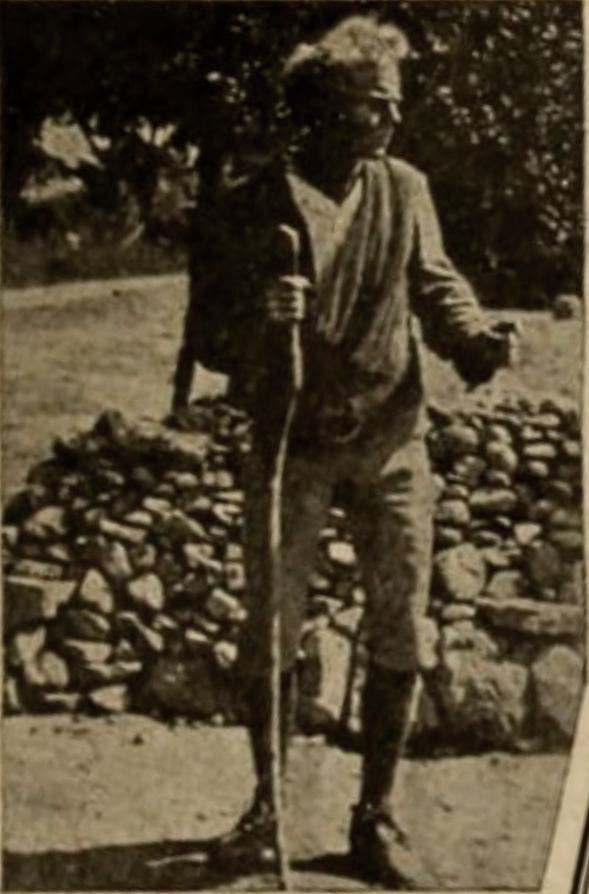
There's a certain raw, untamed majesty to early cinema, a period where the very language of storytelling through moving images was being forged. The Argonauts of California - 1849 stands as a fascinating artifact from this nascent era, a sprawling, ambitious endeavor that attempts to capture the seismic human drama of one of America's most defining historical epochs: the Gold Rush. This isn't just a film; it's a historical echo, a silent testament to the dreams and desperation that propelled thousands westward. Directed by a creative team that undoubtedly grappled with the limitations and burgeoning possibilities of their medium, the picture offers a compelling, if sometimes quaint, window into a pivotal moment in both national and cinematic development.
The narrative, crafted by the collective vision of Winfield Hogaboom, John Steven McGroarty, and Elizabeth Baker Bohan, unfolds as a grand tapestry of human ambition and resilience. It centers on a diverse ensemble of hopefuls, each drawn by the irresistible siren song of California's golden promise. From the bustling, somewhat claustrophobic streets of the East, we witness their transformation from ordinary citizens into intrepid adventurers. The initial scenes, depicting the preparations and the palpable excitement of departure, are imbued with a sense of collective euphoria, a shared delusion of imminent fortune. This communal anticipation, however, soon gives way to the stark, unforgiving realities of the journey itself.
Emma Kost delivers a performance that, even through the veil of time and the conventions of silent acting, resonates with a quiet strength. Her character, perhaps a woman of independent spirit or one burdened by a hidden past, embodies the fierce determination required to defy societal expectations and undertake such a perilous trek. She's not merely a passenger in this grand adventure; she's an active participant, her eyes reflecting both the fear and the unwavering hope that fuel the westward migration. Grant Churchill, as the taciturn leader of a particular wagon train, projects an aura of stoic pragmatism. His portrayal is less about overt emoting and more about conveying a steadfast resolve, a man burdened by responsibility yet unyielding in his pursuit of the promised land. His interactions, often conveyed through subtle gestures and powerful gazes, speak volumes about the quiet fortitude demanded by the frontier.
The journey itself forms the dramatic core of the film, a relentless progression through landscapes that are both breathtakingly beautiful and terrifyingly hostile. We are shown panoramic vistas of sun-scorched deserts, the arduous ascent of formidable mountain passes, and the perilous fording of treacherous rivers. These sequences, undoubtedly ambitious for their time, manage to convey the sheer scale of the undertaking. The visual storytelling here is paramount, relying on sweeping shots and carefully composed frames to emphasize the isolation and vulnerability of the human figures against the vast, indifferent wilderness. The art of the long shot, so crucial in early epic filmmaking, is deployed with considerable skill, allowing the audience to grasp the enormity of the challenge facing these pioneering souls. One might find thematic echoes in later works like Northern Lights, which also explores the trials of individuals against a vast, unforgiving natural backdrop, albeit in a different historical context.
The internal dynamics of the traveling party are meticulously explored. Gertrude Kabierske, in a role that likely serves as the moral compass or the embodiment of traditional values, provides a grounding presence amidst the burgeoning chaos. Her character often seems to represent the collective memory and wisdom, a steadying hand in moments of crisis. Conversely, Vera Lewis infuses her character with a poignant, almost naive optimism, a stark contrast to the encroaching harshness of their reality. Her wide-eyed wonder at the prospects of California slowly gives way to a more nuanced understanding of the true cost of dreams. Gale Brooks, on the other hand, might represent the more cynical, perhaps even opportunistic, undercurrent present in any gold rush. His performance likely hints at the darker impulses that can emerge when avarice and desperation intertwine, a human element also subtly touched upon in The Might of Gold, though through a different lens of societal critique.
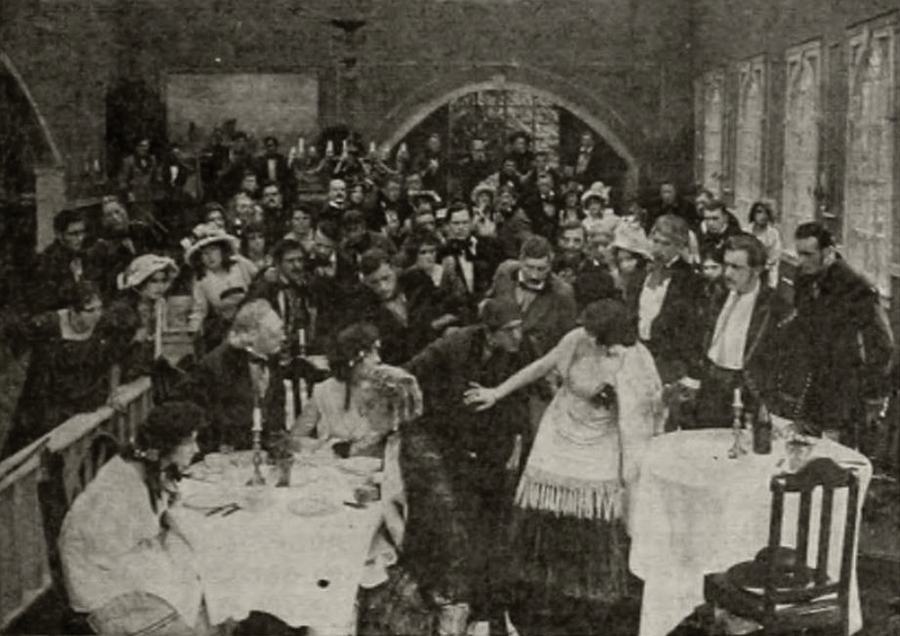
The script, despite the absence of spoken dialogue, masterfully uses intertitles to punctuate the narrative, providing crucial exposition and revealing character motivations. These textual interludes are not mere plot devices; they are often poetic, sometimes stark, reflections on the human condition. They guide the audience through the emotional landscape of the characters, from initial boundless enthusiasm to debilitating despair, and ultimately, to a hard-won resignation or a renewed sense of purpose. The writers, Hogaboom, McGroarty, and Bohan, demonstrate a keen understanding of the dramatic arc, even within the confines of silent film conventions. Their ability to craft a compelling story that relies so heavily on visual cues and concise textual summaries is a testament to their storytelling prowess.
As the journey progresses, the film delves into the moral quandaries faced by the Argonauts. Scarcity of resources, disease, and the ever-present threat of external dangers force difficult choices. We see moments of profound human kindness and self-sacrifice juxtaposed with instances of petty squabbling and outright betrayal. This exploration of the dual nature of humanity, the capacity for both profound good and regrettable selfishness, is one of the film's most enduring strengths. It's a theme that resonates across all eras of storytelling, much like the ethical dilemmas explored in Graft, which examines societal corruption through a more contemporary lens.
William Reiffel, along with Dorothy Barrett and Ethel Smith, contribute to the rich tapestry of supporting characters, each bringing their own distinct flavor to the ensemble. Reiffel's character might be the skilled craftsman or the quiet intellectual, providing practical solutions or philosophical insights. Barrett and Smith, in their respective roles, likely embody other facets of the pioneering spirit – perhaps a resilient mother, a spirited young woman, or a seasoned frontierswoman. Their collective presence helps to flesh out the world of the wagon train, making it feel like a living, breathing community rather than just a collection of individuals.
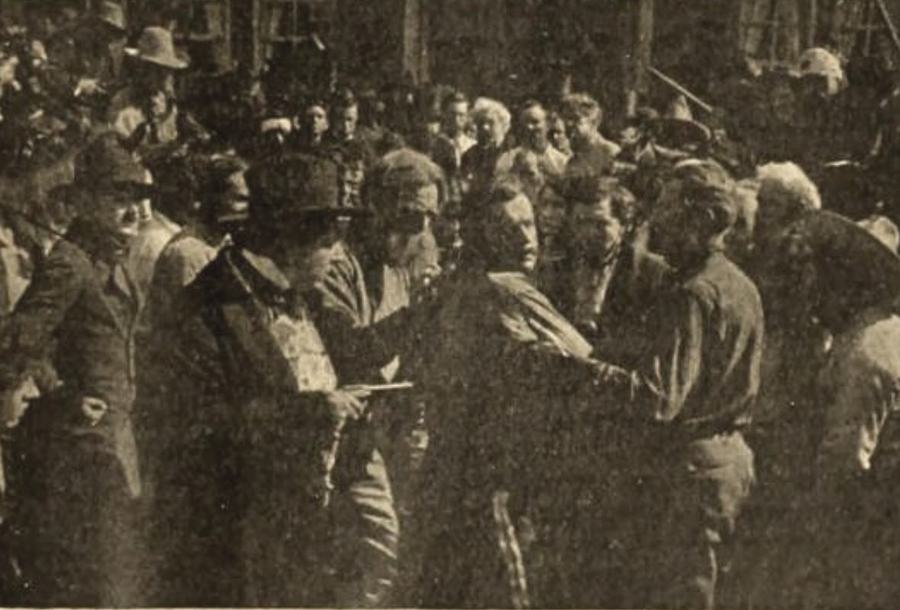
Upon their eventual arrival in California, the dream of easy gold quickly dissipates into the harsh reality of the goldfields. The film meticulously depicts the chaotic, lawless atmosphere: the crowded encampments, the back-breaking labor of panning and sluicing, the fleeting nature of fortune. The initial scenes of discovery are exhilarating, but these moments are quickly overshadowed by the relentless grind and the constant threat of claim jumpers or natural disasters. The disillusionment that many experienced is palpable, a stark contrast to the hopeful departure scenes. This shift from idealized vision to brutal reality provides a powerful emotional punch, demonstrating the film's capacity for nuanced storytelling beyond mere adventure.
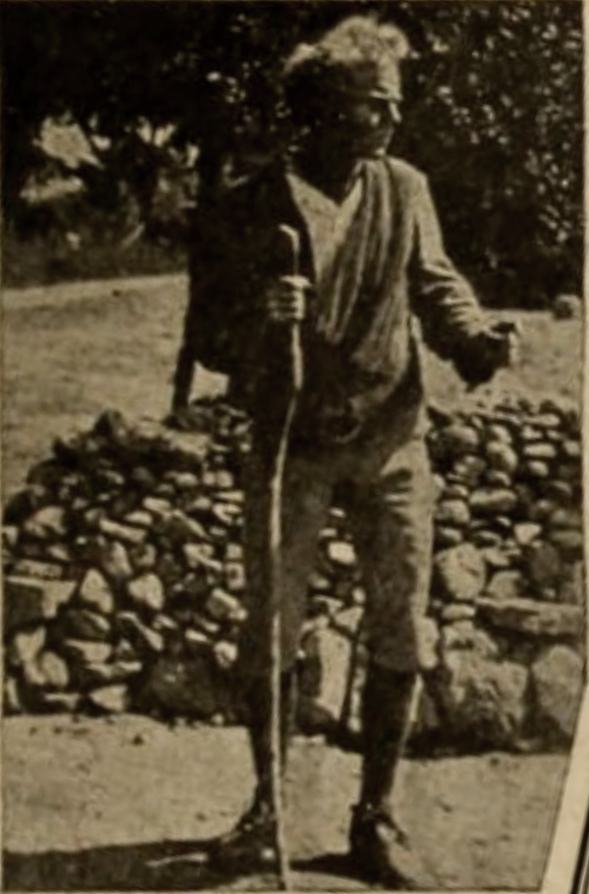
The aesthetic choices, particularly in set design and costuming, are commendable for their attention to historical detail. The filmmakers clearly made an effort to recreate the look and feel of 1849, from the authentic attire of the prospectors to the makeshift structures of the mining camps. While early cinema often relied on theatrical backdrops, The Argonauts of California - 1849 appears to have leveraged location shooting to its advantage, lending an undeniable authenticity to the sprawling landscapes. This commitment to verisimilitude helps to immerse the audience in the period, a quality sometimes lacking in contemporary productions that prioritize spectacle over substance. The visual impact of these elements, combined with the evocative cinematography, elevates the film beyond a simple historical reenactment.
The film's pacing, characteristic of the era, might feel deliberate to modern audiences accustomed to rapid-fire editing. However, this measured tempo allows for a deeper immersion into the characters' experiences and the epic scale of their journey. Each scene is given room to breathe, allowing the audience to absorb the visual information and the emotional weight of the narrative. This contemplative rhythm is a hallmark of early cinematic artistry, inviting viewers to engage with the story on a more profound, reflective level. It contrasts sharply with the frantic energy of a film like Who Is Number One?, which thrives on suspense and quick cuts.
One of the most striking aspects of The Argonauts of California - 1849 is its ability to capture the spirit of an emerging nation. It's a story not just of individuals seeking fortune, but of a collective endeavor that shaped the very geography and identity of America. The film portrays the arduous birth of a new society, forged in the crucible of hardship and driven by an almost mythical belief in opportunity. It's a foundational myth brought to life, warts and all, showcasing the grit and determination that characterized the American pioneering spirit. This grand historical sweep connects it to other epic narratives of the era, even those with different settings, such as Escaped from Siberia, which similarly explores human endurance against a vast, challenging backdrop.
The film's ending, without revealing specifics, is unlikely to offer a simplistic 'happily ever after' for all characters. Instead, it likely opts for a more nuanced resolution, reflecting the mixed fortunes and profound personal transformations that were the true legacy of the Gold Rush. Some might find a different kind of wealth – in community, in love, or in self-discovery – while others might return home, forever changed, or settle into a life of quiet industry, having traded the shovel for a plow. This refusal to gloss over the harsh realities, even in a medium still in its infancy, speaks to the integrity of the filmmakers and their desire to tell an authentic story. It's a more mature approach than one might expect from the period, perhaps drawing inspiration from literary works that explored similar themes of ambition and disillusionment, much like the thematic depth found in adaptations such as A Doll's House.
Ultimately, The Argonauts of California - 1849 is more than just a historical drama; it's a testament to the enduring power of human ambition and the transformative nature of epic journeys. It stands as a significant piece of early American cinema, a bold attempt to capture the grandeur and grit of a foundational moment in the nation's history. For enthusiasts of silent film, for historians of the American West, and for anyone fascinated by the evolution of cinematic storytelling, this picture offers a rich, immersive experience. It reminds us that even in the earliest days of film, storytellers were grappling with profound themes, using nascent techniques to weave narratives that continue to resonate across the centuries. Its influence, though perhaps subtle, can be traced through later cinematic explorations of frontier life and the pursuit of dreams, positioning it as a foundational text in the genre. Its legacy, though perhaps not as widely known as some contemporaries, is undeniable for those who delve into the rich archives of cinematic history. The film, in its quiet, powerful way, secures its place as a crucial document of both a historical period and a cinematic era.
The collective efforts of the cast, from the prominent figures like Emma Kost and Grant Churchill to the vital contributions of Gertrude Kabierske, Vera Lewis, Gale Brooks, Dorothy Barrett, Ethel Smith, and William Reiffel, create a vibrant and believable ensemble. Each actor, operating within the constraints of silent acting – relying heavily on exaggerated facial expressions, body language, and pantomime – manages to convey a surprising depth of emotion. Their performances are a masterclass in non-verbal communication, a skill that often feels lost in the verbose landscape of modern cinema. The commitment to character, even without the aid of spoken dialogue, is truly remarkable and speaks volumes about the talent cultivated in the early days of Hollywood. Their collective portrayal of struggle and triumph is what truly anchors this epic tale.
The writers, Winfield Hogaboom, John Steven McGroarty, and Elizabeth Baker Bohan, deserve immense credit for crafting a narrative that, while epic in scope, never loses sight of the individual human stories at its core. Their script, delivered through visual storytelling and poignant intertitles, manages to convey complex themes of hope, despair, greed, and resilience with remarkable clarity. The narrative structure, following the arduous journey and the subsequent struggles in the goldfields, is both compelling and historically resonant. It’s a testament to their skill that they could distill such a sprawling historical event into a cohesive and emotionally engaging cinematic experience. Their work here provides a strong foundation, comparable to the thoughtful narratives found in films like As a Man Sows, which also delves into the consequences of human actions.
In an age where cinematic spectacle often overshadows genuine storytelling, revisiting a film like The Argonauts of California - 1849 offers a refreshing perspective. It reminds us that the power of cinema lies not just in technological advancements, but in the fundamental human desire to tell and experience stories. This film, with its grand ambition, its compelling characters, and its evocative portrayal of a pivotal historical moment, stands as a proud example of early filmmaking at its most impactful. It's a journey worth taking, a piece of cinematic archaeology that continues to yield rich insights into both its own time and the enduring saga of human endeavor. The echoes of its themes can be felt in countless films that followed, solidifying its place as a significant touchstone in the development of American cinema. Its influence, though perhaps not overtly acknowledged in mainstream discourse, is a subtle but potent undercurrent in the broader history of the moving image. The film serves as a powerful reminder of how foundational narratives were first brought to life on the silver screen, setting precedents for generations of filmmakers to come.
This cinematic endeavor, in its depiction of the relentless pursuit of fortune and the often-harsh realities encountered, foreshadows many of the complex narratives that would later define American cinema. It’s a foundational text for understanding the genre of the Western and the broader themes of expansion and manifest destiny. The struggles faced by its characters—the internal conflicts, the external pressures, the moral ambiguities—are universal, transcending the specific historical context. Even today, the film speaks to the enduring human spirit of exploration and the eternal quest for a better life. It highlights the stark contrasts between the dream and the reality, a theme that has resonated through cinematic history, from early dramas like A Wall Street Tragedy, which explored the pitfalls of urban ambition, to later epic tales. The film's contribution to the evolving lexicon of visual storytelling should not be underestimated.
The visual composition throughout the film is particularly noteworthy. The use of natural light and expansive landscapes creates a sense of awe and vulnerability, placing the human drama firmly within the context of an immense and often indifferent natural world. The camera work, while certainly rudimentary by today's standards, often achieves striking effects, from intimate close-ups that convey raw emotion to sweeping panoramas that emphasize the scale of the journey. These aesthetic choices contribute significantly to the film's immersive quality, allowing the audience to feel the dust of the trail and the vastness of the untamed wilderness. This dedication to visual storytelling, even in its infancy, showcases the burgeoning artistry of the medium and its potential to transport viewers to different times and places. The film stands as a testament to the early pioneers of cinema who dared to dream big and translate grand historical narratives onto the silver screen.
In conclusion, The Argonauts of California - 1849 is far more than a mere historical curiosity. It is a robust, emotionally resonant piece of early filmmaking that tackles monumental themes with remarkable clarity and ambition. Its portrayal of the Gold Rush is both romantic and unflinchingly realistic, capturing the spirit of an era defined by both boundless hope and profound hardship. For anyone interested in the foundational myths of America, the evolution of cinematic storytelling, or simply a compelling human drama, this film remains an essential viewing experience. Its legacy endures, not just as a historical document, but as a powerful narrative that continues to speak to the timeless human quest for destiny and fortune. The film, in its quiet grandeur, reminds us of the roots of cinematic art and the enduring power of a well-told story, making it a valuable historical and artistic artifact.
IMDb 4.9
1934
Community
Log in to comment.