DbcultAccessing Vault...
Cult Review
Senior Film Conservator
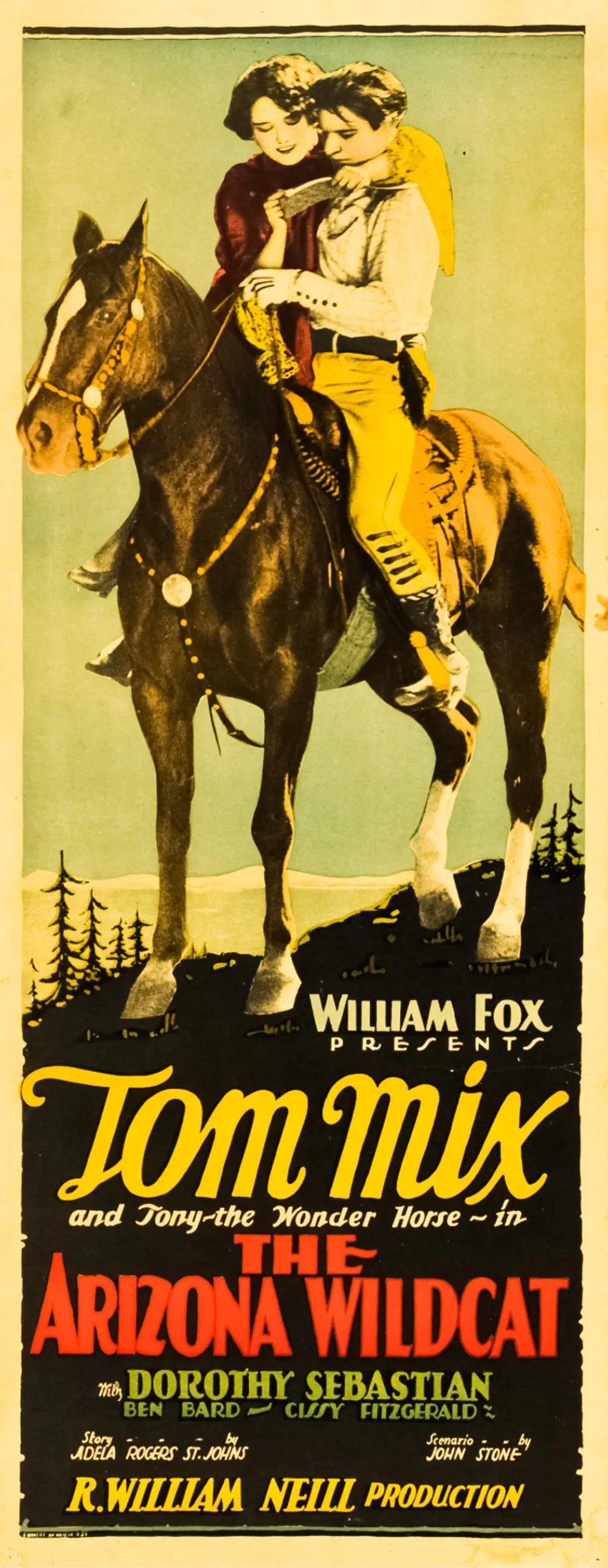
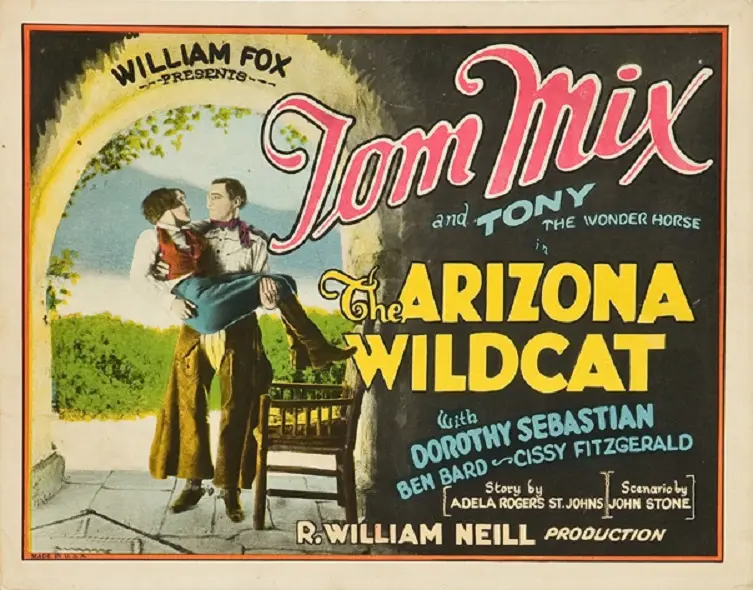
Should you spend your afternoon watching a 1927 silent Western about a cowboy playing polo? Short answer: Yes, but only if you appreciate the sheer, unadulterated athleticism of the silent era's greatest stuntman. This isn't a deep psychological drama; it is a high-octane showcase for a man and his horse. If you are looking for modern pacing or complex dialogue, this is not for you. However, if you want to see why Tom Mix was the highest-paid star of his time, the answer is a resounding yes.
This film is specifically for historians of the Western genre and fans of 'Tony the Wonder Horse.' It is decidedly not for viewers who demand gritty realism or those who find the 'damsel in distress' trope exhausting. It sits in a strange middle ground between the dusty trails of White Eagle and the more domestic dramas like Burnt Wings.
This film works because the physical chemistry between Tom Mix and Tony the Horse transcends the limitations of silent film technology.
This film fails because the transition from the Arizona wilderness to the Santa Barbara polo fields feels jarring and slightly nonsensical, even by 1920s standards.
You should watch it if you want to witness the exact moment the Western genre began to blend with high-society sports melodrama to attract a broader urban audience.
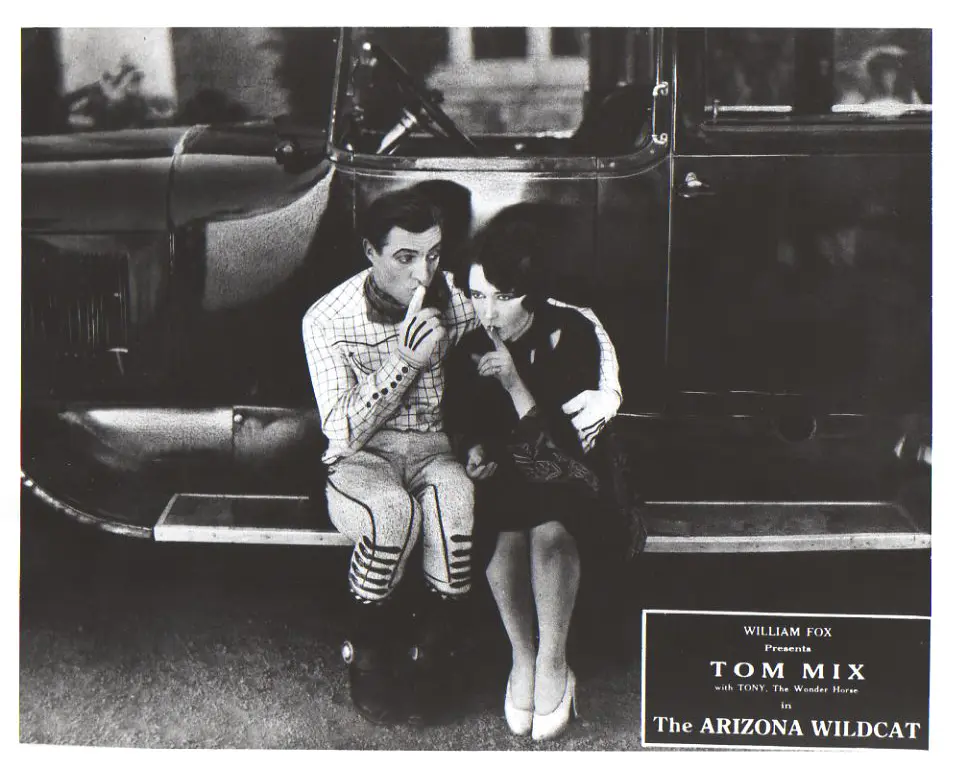
By 1927, Tom Mix wasn't just an actor; he was a global brand. In The Arizona Wildcat, he plays Tom Phelan with a swagger that feels almost modern. Unlike the stoic heroes of earlier decades, Mix brings a playful, almost acrobatic energy to the screen. There is a specific scene early on where he interacts with Regina (Marcella Daly) that showcases his unique charm. He doesn't just stand there; he moves with a constant, restless energy that keeps the eye fixed on him.
The film relies heavily on the 'boyhood sweetheart' trope, a narrative device seen in many films of the era, such as The Price of Pleasure. However, the stakes here are elevated by the inclusion of 'Eastern swindlers.' The 1920s were rife with anxiety about city slickers corrupting the honest folk of the West, and Ben Bard plays the society crook with a sneering efficiency that makes his eventual downfall deeply satisfying. He is the perfect foil to Mix’s rugged honesty.
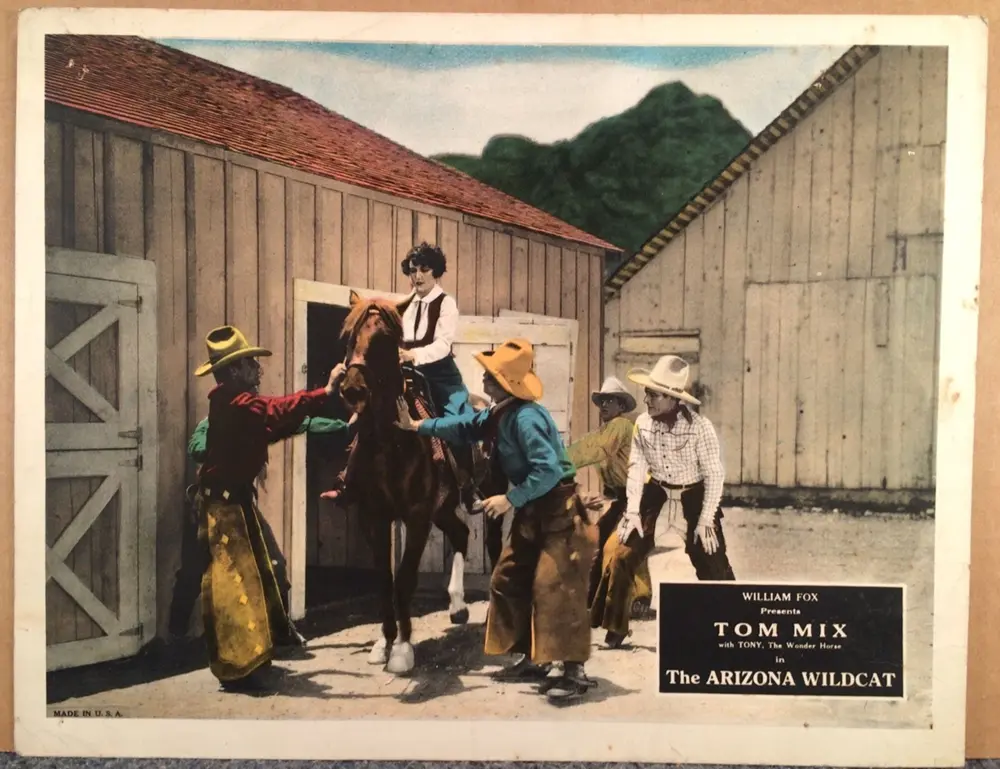
It is impossible to discuss this film without acknowledging Tony. In many ways, Tony is the co-lead. The way the camera lingers on the horse’s reactions and stunts suggests that the audience was just as invested in the equine star as they were in the human ones. When the villains attempt to deny Tom access to the polo field, it isn't a car chase that saves the day—it's Tony’s sheer speed and intelligence.
The cinematography during the polo match is surprisingly sophisticated for 1927. The camera captures the thundering hooves and the chaotic swing of the mallets with a visceral intensity. It reminds me of the kinetic energy found in The Web of the Law, where the environment itself becomes a character in the action sequences. The contrast between the dusty Arizona ranch and the manicured lawns of Santa Barbara provides a visual feast that underscores the film's 'fish out of water' subtext.
If you are a fan of silent cinema, this is a mandatory watch. It represents the peak of the Fox Western formula before the advent of sound changed the industry forever. The film moves at a breakneck pace, avoiding the sluggishness that plagues other silents like An Alien Enemy. It’s short, punchy, and visually inventive. It works. But it’s flawed. The plot is thin, and the 'society' elements feel like they belong in a different movie entirely.
Let’s be honest: the idea of a cowboy jumping onto a polo field and outplaying trained aristocrats is ridiculous. It’s the kind of populist fantasy that defined the era. The film doesn't care about the rules of polo; it cares about the victory of the common man over the corrupt elite. This is a recurring theme in John Stone’s writing, often seen in his other works like High Brow Stuff. The match itself is a masterpiece of editing, cutting between the worried faces of the crowd and the frantic action on the field.
The villains, played with mustache-twirling glee, represent the 'machinations' of a world Tom doesn't understand but can certainly conquer with his fists and his horse. There’s a brutal simplicity to the resolution. The crooks are thwarted not by a legal maneuver, but by a man arriving on a horse and winning a game. It is beautiful in its absurdity.
Pros:
- Tom Mix is at the height of his physical prowess.
- Tony the Horse performs stunts that would be CGI today.
- The Santa Barbara locations provide a refreshing change of pace from standard desert backdrops.
- The pacing is relentless, never allowing the viewer to get bored.
Cons:
- The supporting characters, particularly the women, are given very little to do.
- The logic of the 'Eastern swindlers' plot falls apart if you think about it for more than ten seconds.
- Some of the intertitles are overly sentimental, clashing with the action-heavy tone.
One thing that struck me about The Arizona Wildcat is how it treats technology and class. While Tom is the hero of the 'old way,' the film doesn't shy away from the luxury of the new world. This isn't a film that hates wealth; it only hates unearned wealth. It’s a subtle distinction that makes the film more interesting than your average shoot-em-up. It shares this nuanced view of class with contemporary films like Saturday (1925).
The Arizona Wildcat is a fascinating artifact. It is a movie that shouldn't work—a cowboy polo thriller—but somehow, through the sheer force of Tom Mix's personality, it does. It is a testament to an era of filmmaking where the spectacle was the story. While it lacks the emotional depth of something like Jóia Maldita, it makes up for it with pure, unadulterated fun. If you can get past the dated gender roles and the simplistic plot, you’ll find a film that is surprisingly modern in its desire to entertain at all costs. It is a wild ride, and in the world of silent Westerns, that’s all that really matters.
IMDb —
1928
Community
Log in to comment.