DbcultAccessing Vault...
6.6/10
Senior Film Conservator
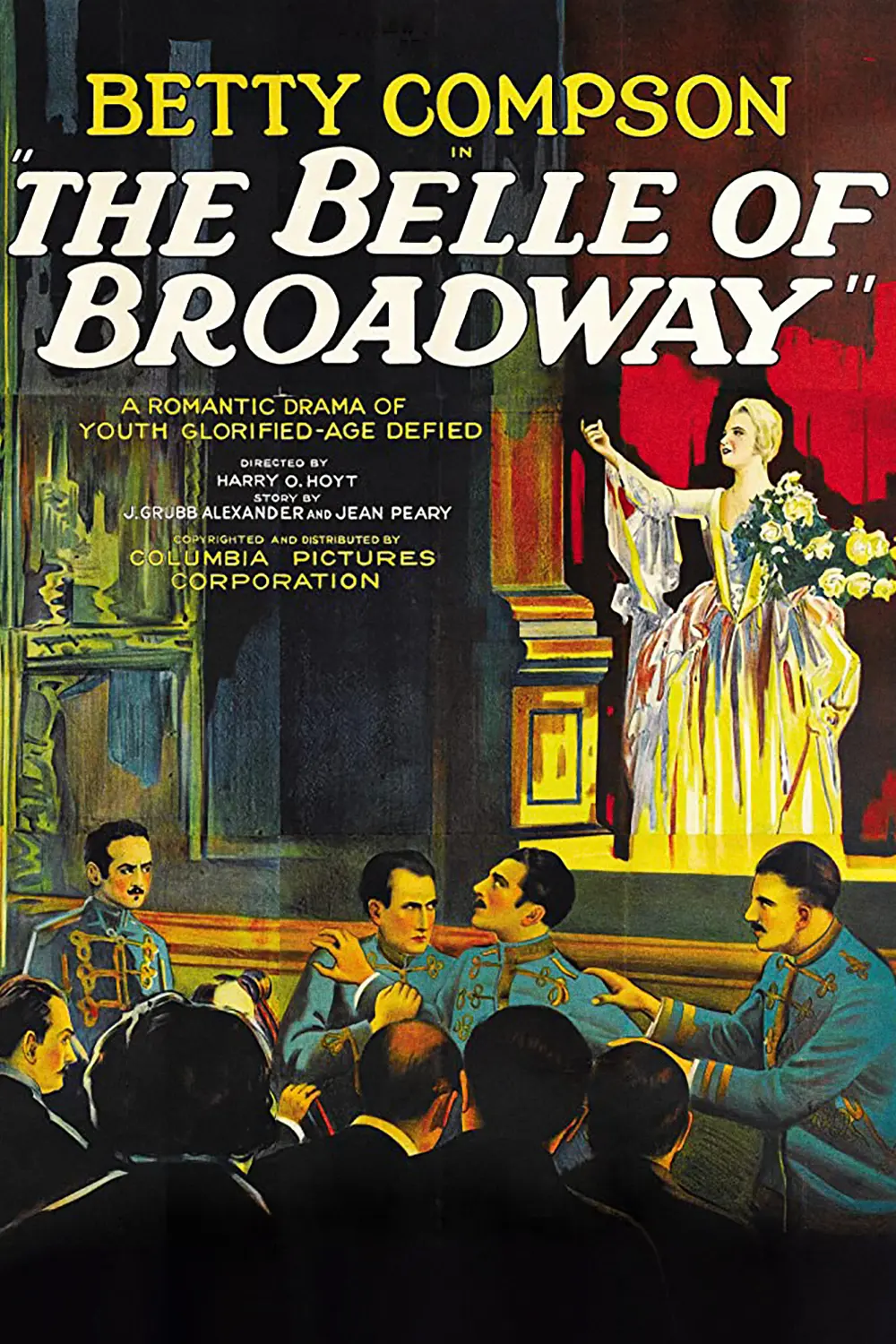
A definitive 6.6/10 rating for a film that redefined the boundaries of cult cinema. The Belle of Broadway remains a cornerstone of transgressive art.
Is The Belle of Broadway worth your time in the modern era? Short answer: yes, but only if you appreciate the psychological nuance of silent-era melodrama over high-octane spectacle.
This film is specifically for the cinephile who finds beauty in the transition between the Victorian stage tradition and the burgeoning cinematic language of the late 1920s. It is NOT for those who find silent cinema's deliberate pacing or expressive acting styles to be an obstacle to enjoyment.
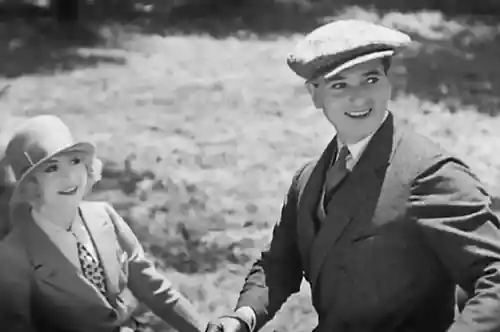
1) This film works because it masterfully utilizes the 'doubling' effect of its lead actress to highlight the tragedy of aging in a medium that worships youth.
2) This film fails because the romantic subplot involving Ervin Renard feels secondary and slightly rushed compared to the central female dynamic, which is far more interesting.
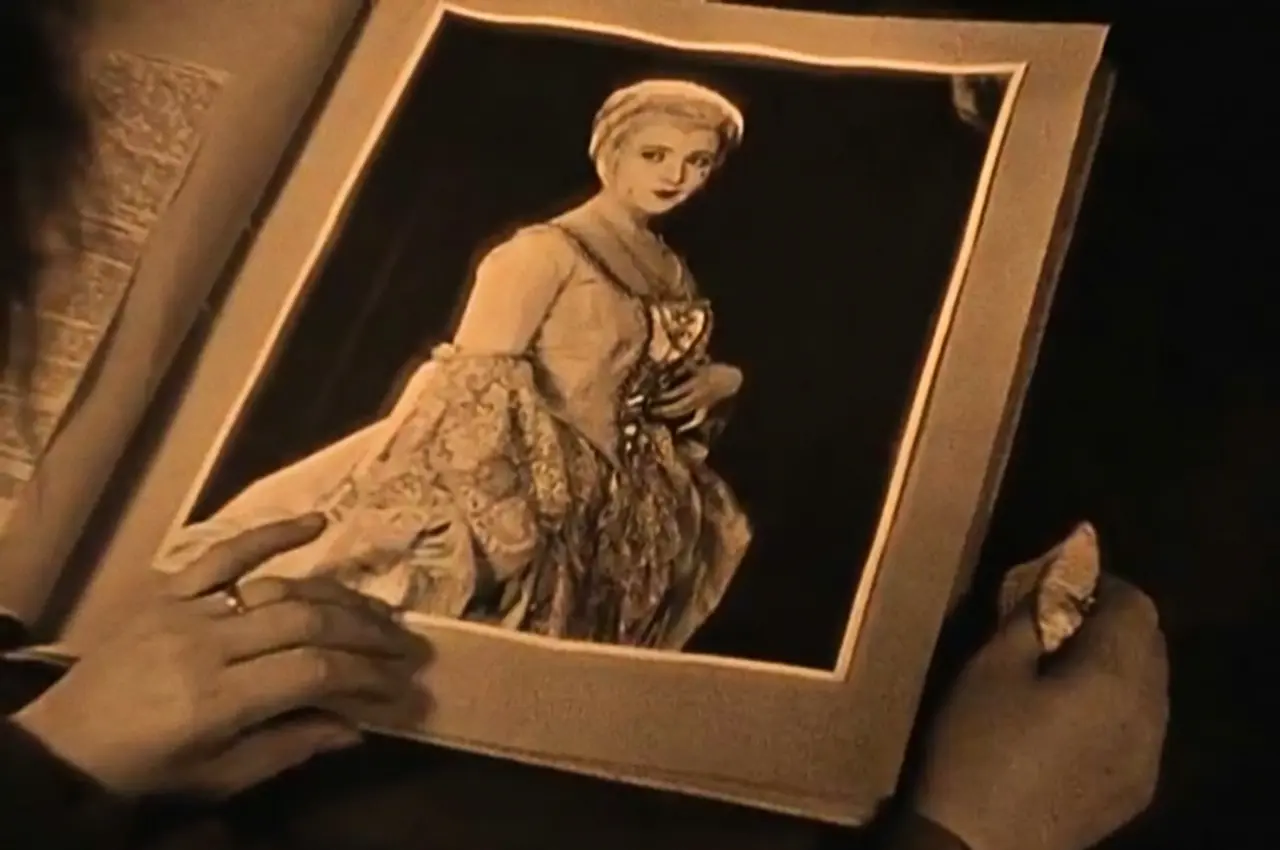
3) You should watch it if you are a student of performance history or a fan of Betty Compson’s range, as she navigates the complexities of two distinct generations of stardom.
The Belle of Broadway is a film that feels remarkably ahead of its time in terms of psychological depth. While many films from 1926, such as the comedic Hands Up!, were leaning into physical spectacle or slapstick, this production focuses on the internal decay of a former idol. Madame Adele, played with a brittle grace by Edith Yorke, represents the 'old' Paris—a world of heavy velvet curtains and rigid social hierarchies. Her mentorship of Marie Duval (Betty Compson) isn't just an act of charity; it’s an act of defiance against time itself.
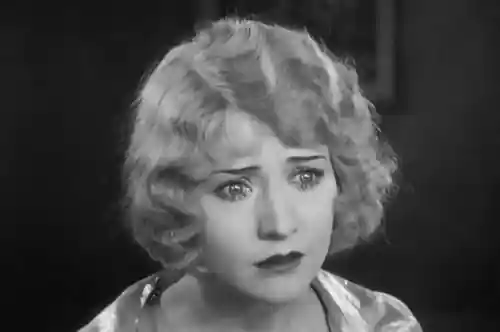
The film’s visual language is striking. Director Harry O. Hoyt uses the lighting in Adele’s apartment to create a tomb-like atmosphere. It’s cluttered with the debris of a career—old posters, dried flowers, and mirrors that Adele likely avoids. When Marie enters this space, the lighting shifts. The contrast between the dusty shadows of the past and Marie’s vibrant, American energy is palpable. It’s a visual representation of a transfusion. Adele is giving Marie her 'soul' as a performer, and in return, Marie is giving Adele a reason to exist.
One specific scene stands out: the moment Marie first dons Adele’s signature costume. The camera lingers on Adele’s face as she adjusts the fabric on the younger girl. There is a flicker of jealousy that quickly turns into a chilling sort of pride. It’s not a mother-daughter bond; it’s a creator and her creation. Compson’s performance here is subtle. She doesn't just play 'talented'; she plays someone who is learning how to mimic talent until it becomes real. It’s a performance within a performance.
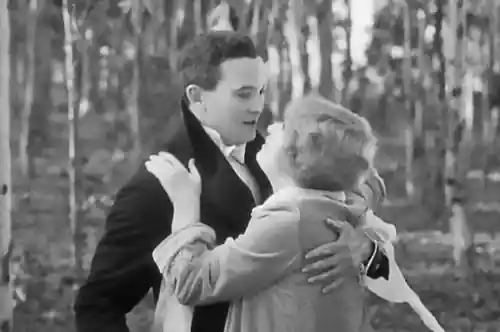
Betty Compson was a force in the 1920s, and here she demonstrates why. Unlike the broad archetypes found in films like Sally of the Sawdust, Compson’s Marie Duval has a trajectory that feels earned. She begins as a blank slate—eager, perhaps a bit naive, but possessing that 'it' factor that silent cinema was so obsessed with. As the film progresses, we see her posture change. Her movements become more deliberate, more 'Parisian,' more Adele-like.
The brilliance of the script by J. Grubb Alexander and Jean Perry lies in how they handle Marie’s eventual stardom. Usually, these stories end with the student surpassing the master and the master fading into obscurity. But The Belle of Broadway suggests a more complex endgame. When Marie takes the stage and the audience roars, they aren't just cheering for Marie; they are cheering for the resurrection of Adele. It’s a shared triumph that is both beautiful and deeply cynical. It suggests that in the world of entertainment, we are all just placeholders for an ideal that never truly dies.

The pacing of the film is its most modern attribute. It doesn't rush to the 'big reveal.' Instead, it allows the relationship between the two women to simmer. We see the grueling rehearsals, the moments of doubt, and the specific way Adele teaches Marie to use her eyes—a crucial skill in the silent era. This focus on the craft of acting makes the film feel grounded, avoiding the melodramatic excesses that plague other films of the period, such as Where Are My Children?.
Yes, The Belle of Broadway is worth watching for anyone interested in the evolution of the 'backstage drama.' It serves as a vital link between the early theatrical films and the sophisticated character studies of the 1930s. The film provides a rare, nuanced look at female ambition and the bittersweet nature of legacy. It works. But it’s flawed by its era's need for a conventional romantic resolution.
Pros:
Cons:
When comparing The Belle of Broadway to its contemporaries, its uniqueness becomes even more apparent. While many silent films were focusing on epic scales or broad comedy, this is an intimate, almost claustrophobic film. It shares some DNA with the European 'Kammerspielfilm' movement—films that focused on the psychology of characters in confined spaces. You can see echoes of this approach in later silent dramas like Nelly Raintseva, which also dealt with the tragic consequences of social and personal expectations.
The film also handles the 'American in Europe' theme with more subtlety than usual. Marie isn't just a loud, boisterous American; she’s a vessel waiting to be filled. This makes her transformation more believable. She isn't conquering Paris; she is being consumed by it. This is a far cry from the more optimistic portrayals of success found in something like Don't Weaken. There is a weight to Marie’s success here that feels earned and, perhaps, a little bit tragic.
"Stardom is a mask that fits everyone and no one at the same time. Adele had the mask but no face to put it on; Marie had the face but no mask. Together, they are a complete, if broken, person."
The Belle of Broadway is a fascinating artifact that transcends its age through sheer psychological grit. It isn't a 'masterpiece' in the sense of being perfect, but it is a masterclass in how silent film could convey complex human emotions without saying a word. The camera loves the decay of Adele's life as much as it loves the bloom of Marie's, and in that contrast, the film finds its heart. It is a ghost story without a ghost, a haunting tale of what we leave behind and what we take from those who came before us. If you can look past the occasionally stiff romantic interludes, you will find a film that is surprisingly cynical, deeply empathetic, and visually arresting. It remains a essential viewing for those who want to understand the darker side of the limelight.
IMDb —
1928
Community
Log in to comment.