DbcultAccessing Vault...
Cult Review
Senior Film Conservator
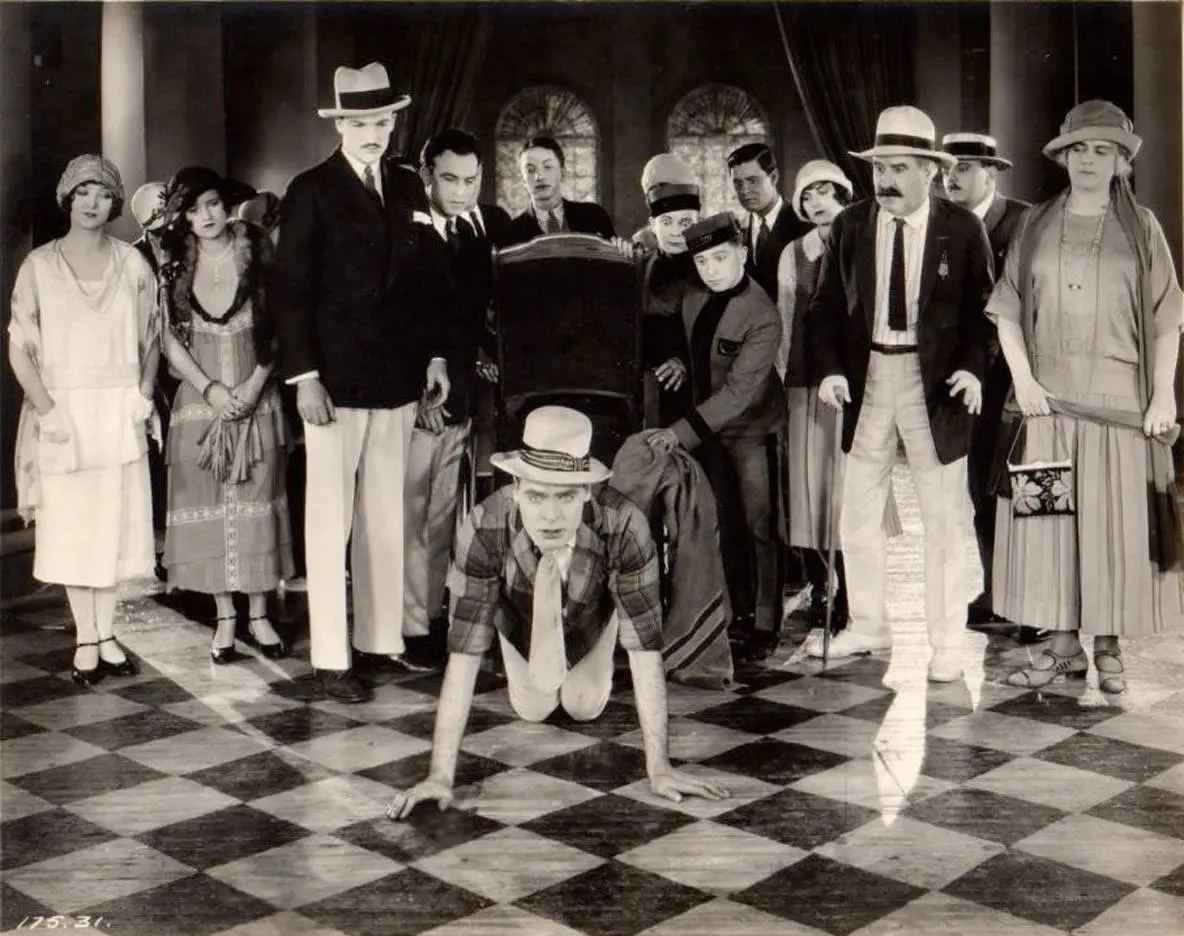
Short answer: yes, but only if you value the historical architecture of a gag over a cohesive modern narrative. This film is a playground for silent film enthusiasts who want to see the Mack Sennett factory at its most efficient, but it will likely frustrate those who require more than a flimsy excuse for a plot.
This film is for the cinephile who enjoys deconstructing the 'bumbling thief' trope and those who appreciate the physical comedy of the 1920s. It is absolutely not for viewers who find silent-era pacing tedious or those looking for a high-stakes crime thriller.
1) This film works because Ralph Graves possesses a unique ability to look both menacing and completely incompetent within the same frame.
2) This film fails because the middle act lingers too long on repetitive physical business that doesn't move the needle on the character arc.
3) You should watch it if you want to understand the DNA of the 'lovable loser' archetype that would later define sound-era sitcoms.
The Beloved Bozo is worth watching if you approach it as a piece of performance art rather than a cinematic epic. It offers a fascinating look at the mid-1920s transition where slapstick began to lean more heavily on romantic subplots to ground the chaos. While it lacks the sheer scale of a Buster Keaton feature, its intimacy is its strength.
If you are looking for a quick, punchy example of how Mack Sennett managed a massive ensemble of writers to create a short, this is a prime candidate. It’s a lean, mean, comedy machine. But it’s flawed. The reliance on Ralph Graves to carry the emotional weight of the 'reforming thief' is a heavy ask for a short that is primarily interested in seeing how many ways a man can trip over his own feet.
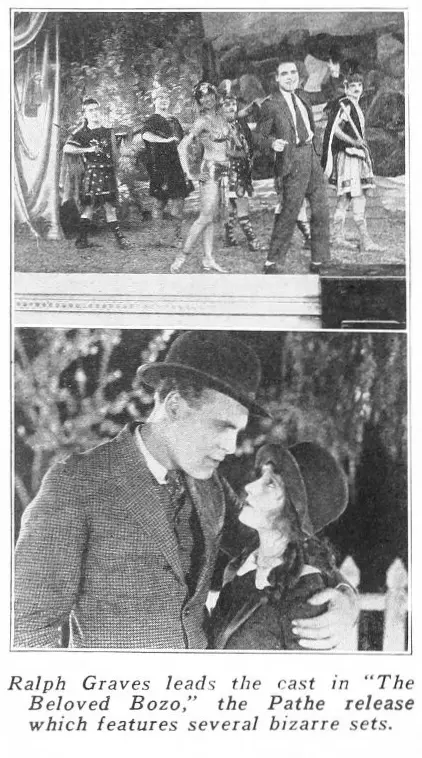
The chemistry between Ralph Graves and Alice Day is the true engine of the film. Graves plays his role with a frantic energy that feels modern, while Day provides the necessary stillness. In many ways, Day is the 'straight man' to Graves’ entire existence. Her presence alone acts as a foil to his criminal aspirations, making the audience root for his failure at the bank because it ensures his success in love.
Compare this to the more dramatic pairings found in Love of Women or the high-stakes romance in Stardust. While those films aim for the heart, The Beloved Bozo aims for the funny bone through the heart. It is a delicate balance that Sennett’s team, including writers like Felix Adler and Rob Wagner, managed to maintain despite the film's brevity.
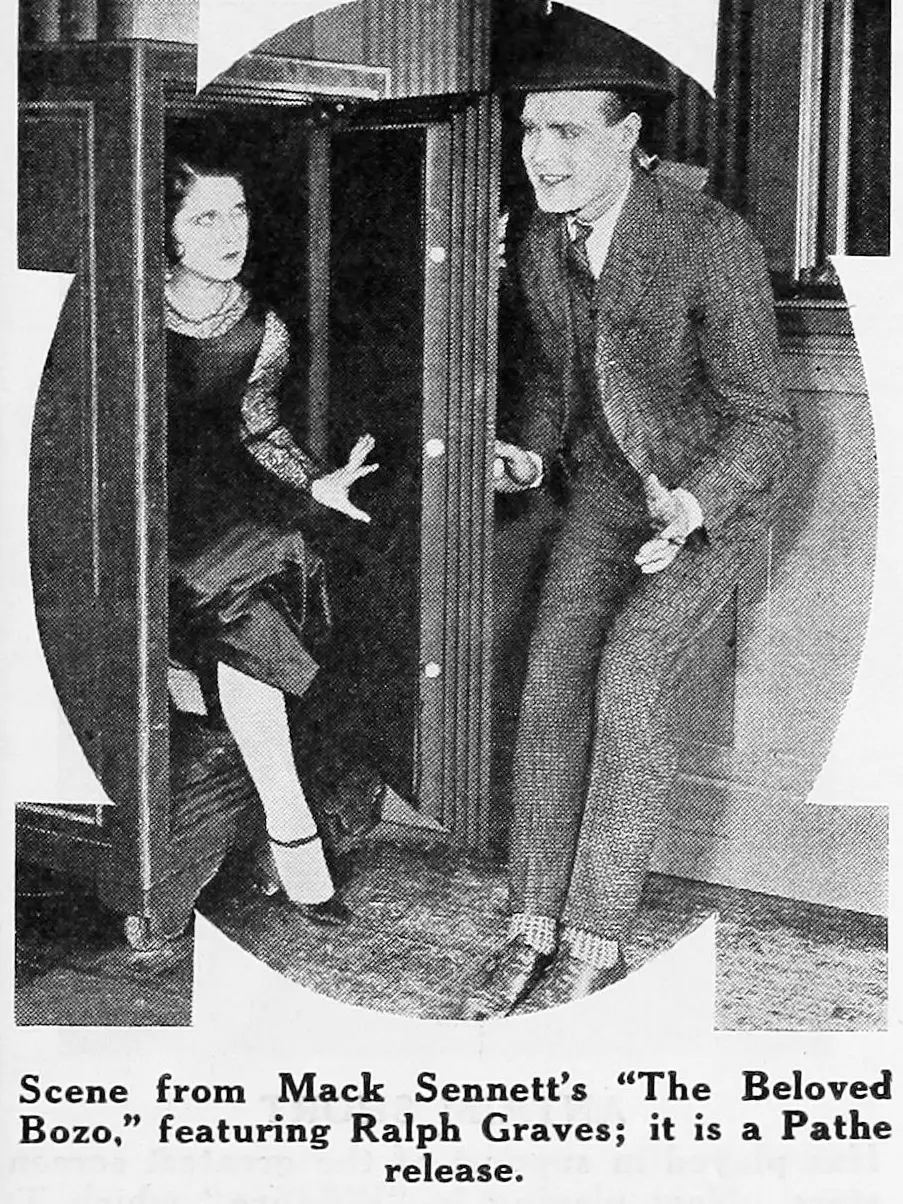
The heist sequence is where the film truly shines. It isn't about the money; it’s about the mechanics of the attempt. Graves’ interaction with the bank vault is less about 'cracking the safe' and more about 'the safe cracking the man.' Every movement is timed with the precision of a Swiss watch, a hallmark of the Sennett studio. This mechanical precision is a sharp contrast to the more sprawling, atmospheric tension found in Der Vampyr.
The supporting cast, including stalwarts like Andy Clyde and Vernon Dent, provide a layer of professional comedy that keeps the energy high. They are the gears in the machine, ensuring that even when Graves is slowing down for a romantic moment, the world around him remains in a state of high-octane flux. This ensemble work is reminiscent of the tight-knit performances in Zigano.
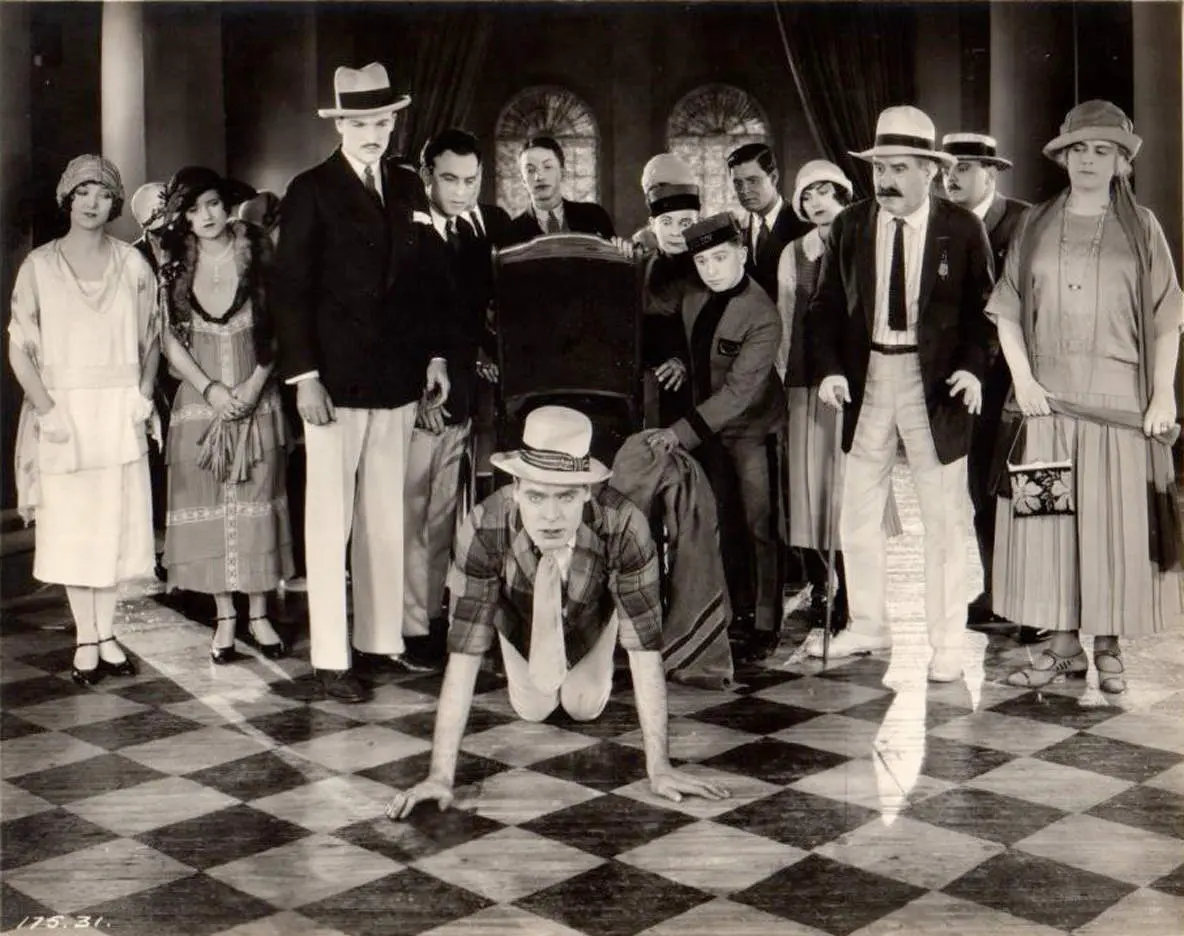
With four credited writers—Mack Sennett, Rob Wagner, Felix Adler, and Al Giebler—you might expect a disjointed mess. Instead, you get a layered approach to comedy. Sennett provides the broad strokes, Adler brings the structural gags, and Wagner adds the character beats. It’s a collaborative effort that feels much more focused than the narrative sprawl of Lord Jim.
However, the sheer number of writers does lead to some tonal shifts that feel jarring. One moment we are in a high-stakes robbery, and the next, we are in a sentimental courtship. This tonal whiplash is something seen in other films of the period like The Scarlet Road, where the moral lesson often clashes with the entertainment value. In The Beloved Bozo, the comedy usually wins, but the sentimentality occasionally drags the pace.
The cinematography in The Beloved Bozo is functional rather than revolutionary. It serves the gag. The camera is placed where it needs to be to capture the full body of the performer, ensuring that no physical nuance is lost. This is a far cry from the experimental framing in N+N+N, but for a comedy short, it is exactly what is required.
The pacing is relentless. Sennett was known for his 'snap,' a style of editing that removed any dead air between gags. This makes the film feel shorter than its runtime, a quality shared with Cut It Out: A Day in the Life of a Censor. It’s a breathless experience that demands your full attention, even if the stakes are low.
In 1925, the American public was shifting away from the untouchable hero and toward the relatable failure. The 'Bozo' character was a response to this. Unlike the stoic leads in For Freedom or the tragic figures in Hamlet, Graves’ character is defined by his flaws. He is a man we recognize in ourselves—someone who wants to take a shortcut but is ultimately too good (or too clumsy) to follow through.
This shift in characterization is vital to understanding the longevity of the film. It isn't just about the laughs; it’s about the subversion of the criminal archetype. By making the robber 'beloved,' the film challenges the morality plays of the era, such as It Is Never Too Late to Mend, by suggesting that some people are simply too incompetent for a life of crime.
Yes, it is a high-quality example of the Mack Sennett short-form style. It delivers consistent laughs through physical performance. It manages to tell a complete story within a limited timeframe. While it doesn't reinvent the wheel, it spins it very effectively.
It's a film that understands its limits. It doesn't try to be Marie, Ltd. or a sweeping epic. It knows it is a 'bozo' movie, and it wears that badge with pride. For a modern viewer, it serves as a delightful time capsule of an era when comedy was purely visual and universally understood.
The Beloved Bozo is a charming, if slight, entry in the silent comedy canon. Ralph Graves is a revelation, proving that he deserved more recognition as a leading man of the era. The film is a testament to the power of the Sennett 'factory'—a place where writers and actors worked in unison to create something that was more than the sum of its parts. It’s not a masterpiece, but it is a damn good time. It works. But it’s flawed. And that’s exactly why it’s worth your time. It’s a human film in a mechanical age.
If you’ve already seen the staples like A Kiss for Susie or the more rugged Sundown Slim, this is the perfect next step. It offers a lighter, more mischievous tone that highlights the versatility of 1920s cinema. Don't go in expecting a heist movie; go in expecting a comedy about a man who couldn't steal a penny if it were glued to his hand. You won't be disappointed.
IMDb 6
1928
Community
Log in to comment.