DbcultAccessing Vault...
5.7/10
Senior Film Conservator
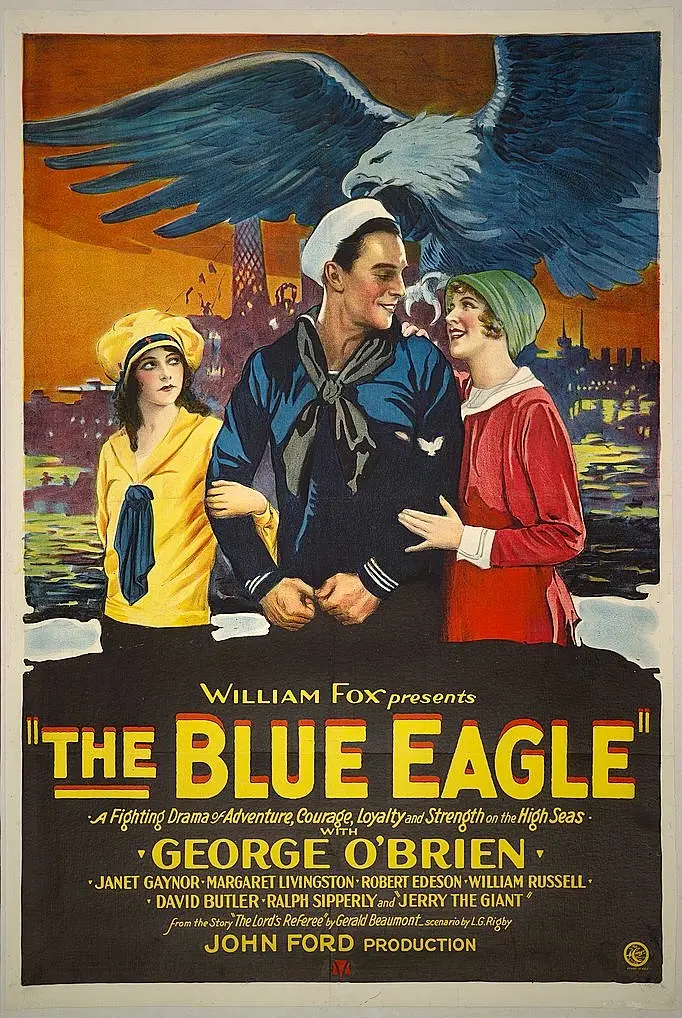
A definitive 5.7/10 rating for a film that redefined the boundaries of cult cinema. The Blue Eagle remains a cornerstone of transgressive art.
Is The Blue Eagle worth your time in the modern era? Short answer: Yes, but only if you appreciate the raw, muscular foundations of American action cinema. This isn't a film for those who demand complex psychological subtext or rapid-fire dialogue; it is a film for those who want to see the birth of the 'buddy-rival' trope that would define Hollywood for the next century.
This film is specifically for fans of early silent-era grit and those interested in the evolution of George O'Brien as a physical specimen of cinema. It is emphatically NOT for viewers who find the slow pacing of 1920s street dramas tedious or those who expect a traditional romantic payoff.
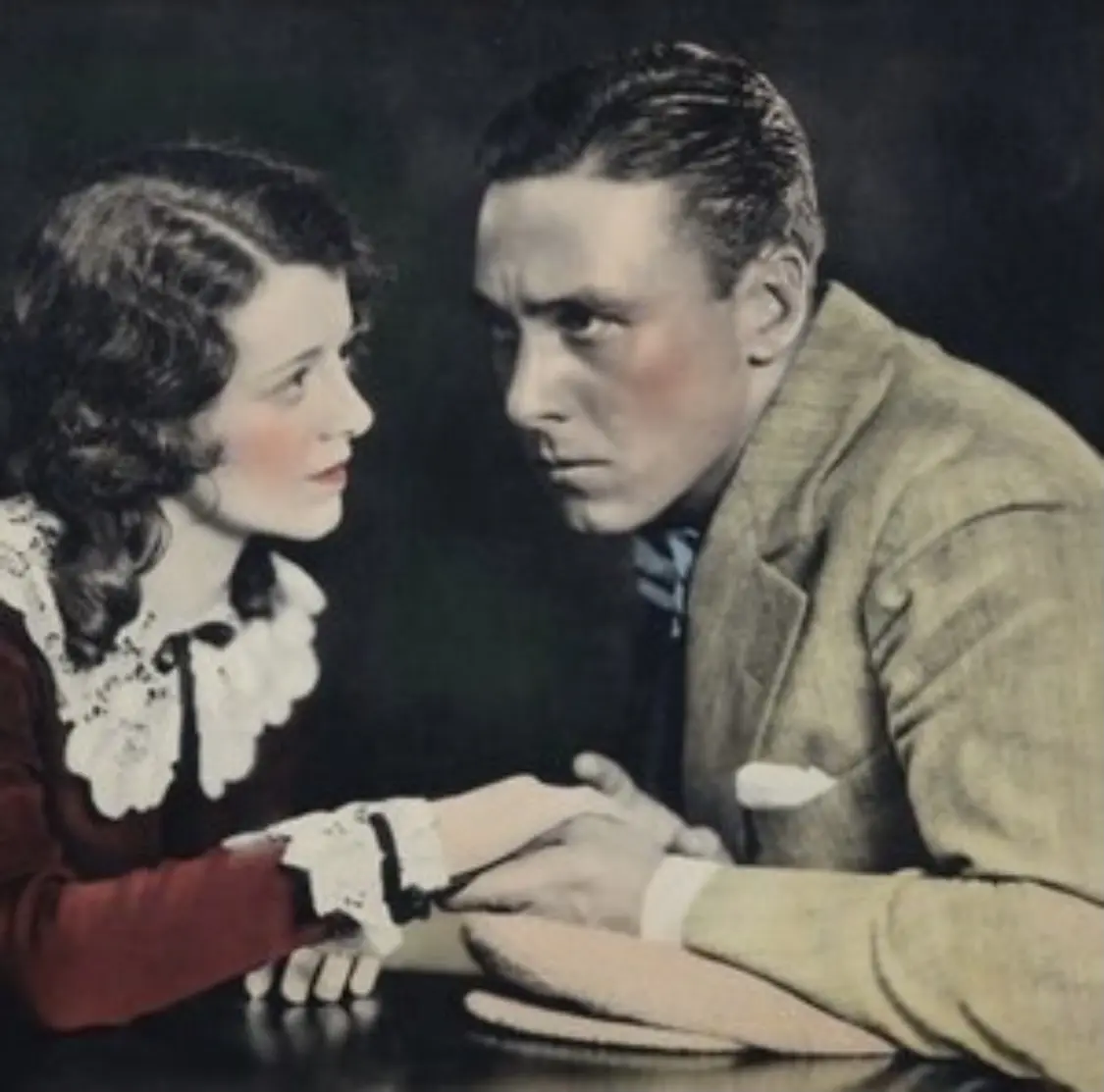
1) This film works because of the genuine, palpable chemistry and physical competition between George O'Brien and William Russell.
2) This film fails because the transition from the high-seas naval action to the urban gang subplots feels jarring and under-developed.
3) You should watch it if you want to see a master director like John Ford (uncredited but widely recognized) honing his ability to film the male form in conflict.
The Blue Eagle is worth watching because it captures a specific moment in 1920s American culture where the trauma of the Great War was being processed through the lens of sportsmanship and 'clean' violence. Unlike the more cerebral European imports of the time, such as Erotikon, this film is unapologetically blue-collar. It values the strength of a man's punch over the complexity of his thoughts. For a modern viewer, it provides a fascinating look at the 'Fighting Priest' archetype long before it became a cliché in 1940s noir.
Before he was the soulful lead in Sunrise, George O'Brien was the ultimate action star of the silent screen. In The Blue Eagle, his performance is less about facial expressions and more about the way he occupies space. There is a specific scene in the engine room of the ship where the lighting—harsh, high-contrast, and oily—emphasizes the sheer labor of his character. You can almost smell the coal dust and sweat. It’s a level of physical realism that puts modern, sanitized action stars to shame.
The rivalry with Big Jim (William Russell) isn't just written in the script; it's visible in their posture. When they stand opposite each other, the tension is thick enough to cut. It reminds me of the raw energy found in Tol'able Romeo, though with a much more industrial, urban edge. O'Brien doesn't just play a sailor; he embodies the post-war restlessness of a generation that found civilian life too quiet for their liking.
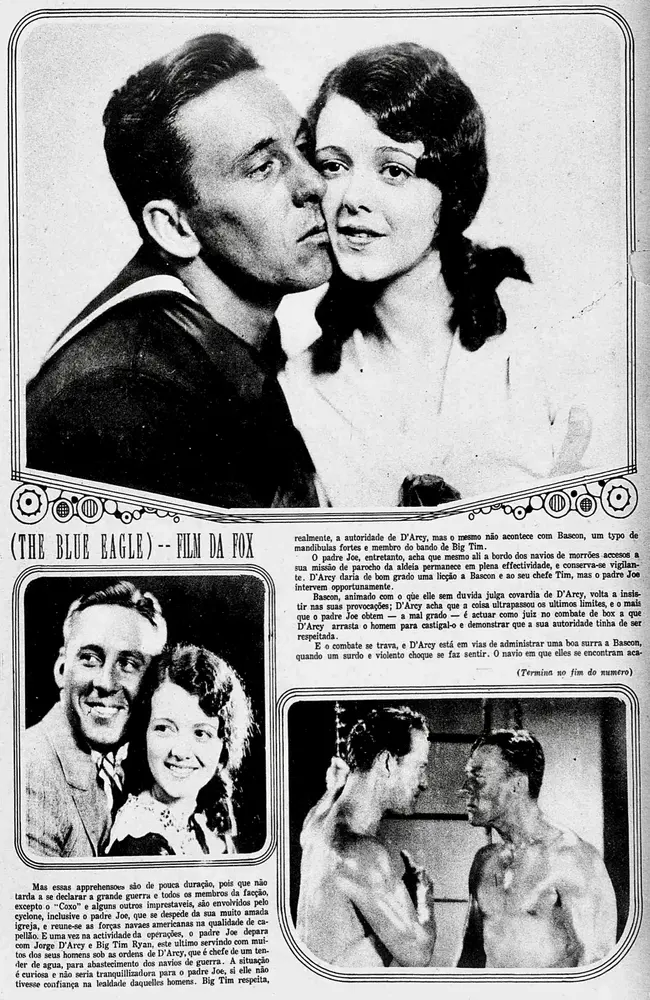
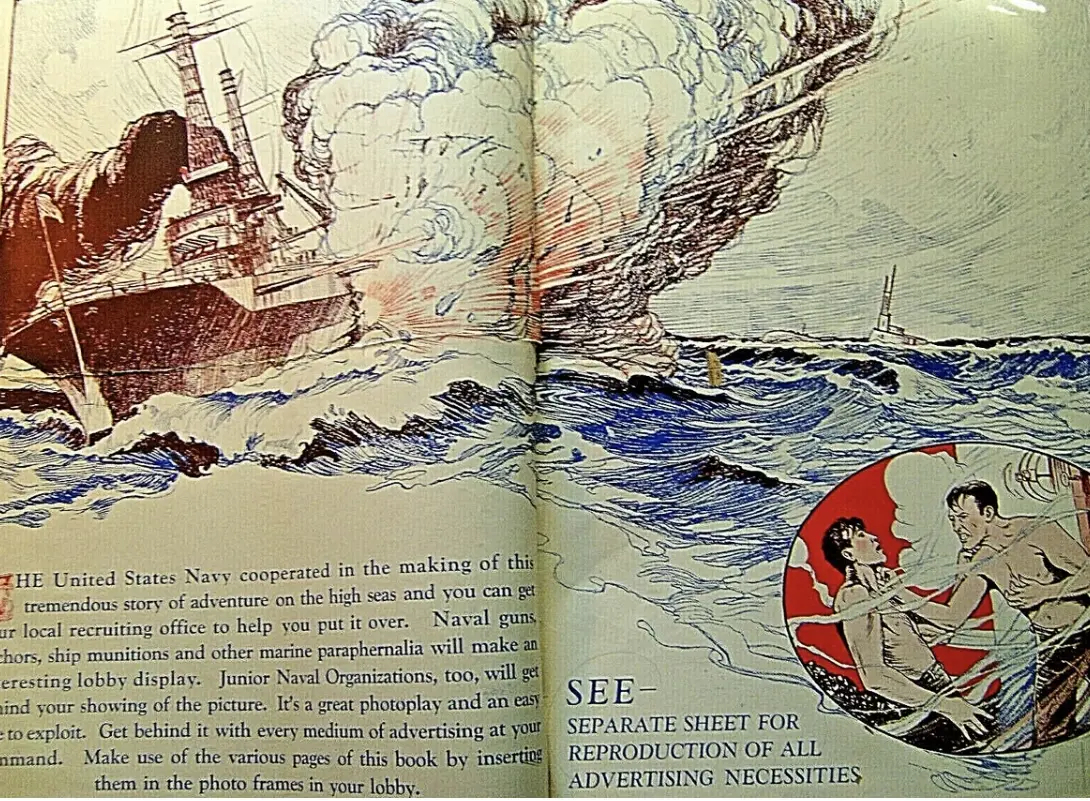
While the direction is often attributed to the studio system of the time, the fingerprints of a master are all over the composition. Look at the way the boxing match is framed. It isn't just a wide shot of two men hitting each other. The camera dives into the crowd, capturing the frenzied faces of the other sailors. This creates a sense of community—a recurring theme in Ford's later work. The ship itself becomes a character, a floating steel cage that forces these two rivals into a forced brotherhood.
The pacing in the first act is relentless. The naval maneuvers are filmed with a documentary-like precision that makes the later domestic scenes feel a bit sluggish by comparison. It’s a common flaw in films of this era, much like the uneven narrative found in The Upheaval. However, the film recovers whenever it returns to the central conflict of Darcy and Ryan. Their mutual respect, buried under layers of jealousy, is the true heart of the film.
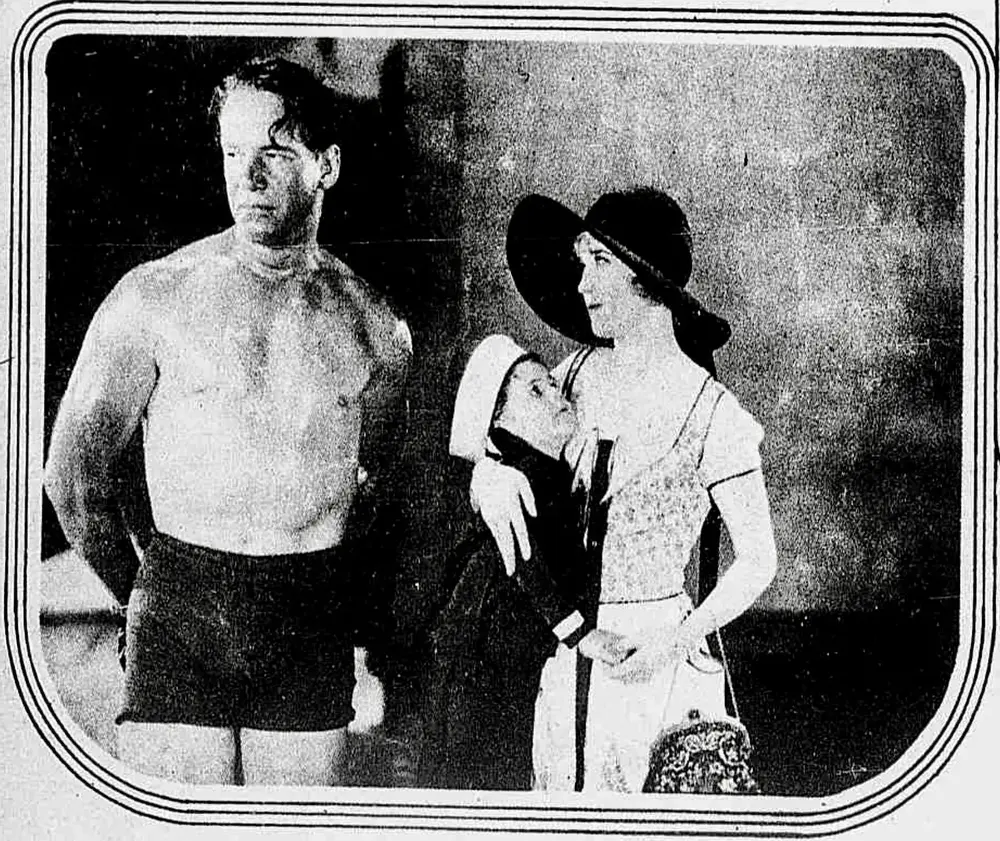
I’m going to say something controversial: Janet Gaynor is almost entirely wasted here. While she is a luminous presence, as she always is, her character Rose exists merely as a trophy. She is the 'prize' at the end of the boxing match, which feels antiquated even for 1926. Her performance lacks the bite she showed in other roles. If you want to see a more nuanced female lead from this period, you’d be better off looking at M'Liss or even the dramatic weight of Sealed Lips.
The film is much more interested in the relationship between the men. The way Father Regan (Robert Edeson) mediates their dispute is fascinating. He doesn't tell them to turn the other cheek; he tells them to put on gloves. It’s a very American, very muscular form of Christianity that dominated the era's storytelling. It’s a fascinating sociological artifact.
The cinematography by George Schneiderman is the unsung hero of the piece. The use of shadows in the urban alleyways during the second half of the film creates a proto-noir atmosphere. It’s a sharp contrast to the bright, open-air shots of the Navy vessels. This visual shift mirrors the characters' struggle to adapt to a world that no longer has a clear enemy to fight.
The boxing match itself is choreographed with surprising violence. There is no 'movie magic' here; these men are actually hitting each other. The editing during this sequence is ahead of its time, cutting between the blows and the reactions of the priest, who seems to enjoy the carnage a bit too much. This scene alone justifies the film's existence. It is the ancestor of every Rocky and Raging Bull that followed.
Pros:
- Stunning physical performances by the leads.
- Innovative naval cinematography.
- A unique blend of religious moralizing and brutal action.
- The historical value of seeing a young Janet Gaynor.
Cons:
- The romantic interest is severely underwritten.
- The 'gangster' elements feel generic compared to the Navy scenes.
- Some of the intertitles are overly sentimental.
The Blue Eagle is a fascinating, if slightly broken, piece of cinema history. It doesn't have the sophisticated polish of Jettchen Gebert's Story, but it has something that film lacks: raw, unadulterated power. It’s a movie about men who don't know how to talk, so they fight. It works. But it’s flawed. The transition from the sea to the city is bumpy, and the female lead is sidelined, but the central conflict is timeless.
If you can get past the silence, you’ll find a film that is louder than most modern blockbusters. It is a testament to the fact that humans haven't changed much in a hundred years; we still want to see two rivals settle their differences with their fists, and we still want a hero to root for. The Blue Eagle gives you both in spades.

IMDb —
1933
Community
Log in to comment.