DbcultAccessing Vault...
5.3/10
Senior Film Conservator
A definitive 5.3/10 rating for a film that redefined the boundaries of cult cinema. The Callahans and the Murphys remains a cornerstone of transgressive art.
Should you invest your time in this nearly century-old relic of the silent era? Short answer: Yes, but only if you have an appetite for the unrefined, the loud, and the historically controversial. This is not a film for those who seek the polished, poetic silence of a Murnau or the acrobatic grace of a Keaton.
This film is for the cinematic archaeologist and the lover of raw, physical comedy who wants to see the exact moment the 'feuding neighbors' trope was codified. It is absolutely NOT for anyone who is easily offended by broad ethnic caricatures or those who require a linear, high-stakes plot to stay engaged. It is a loud movie that happens to be silent.
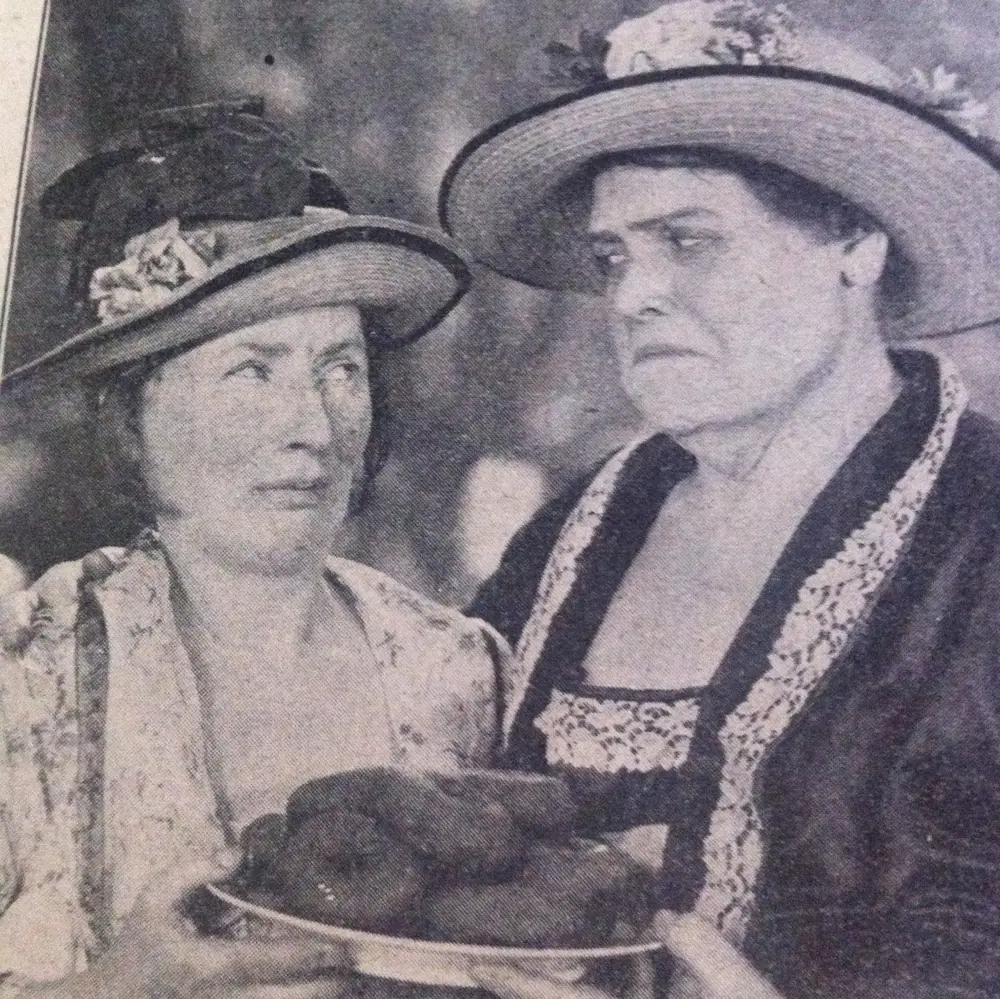
1) This film works because of the volcanic chemistry between Marie Dressler and Polly Moran, whose physical comedy transcends the limitations of the silent medium.
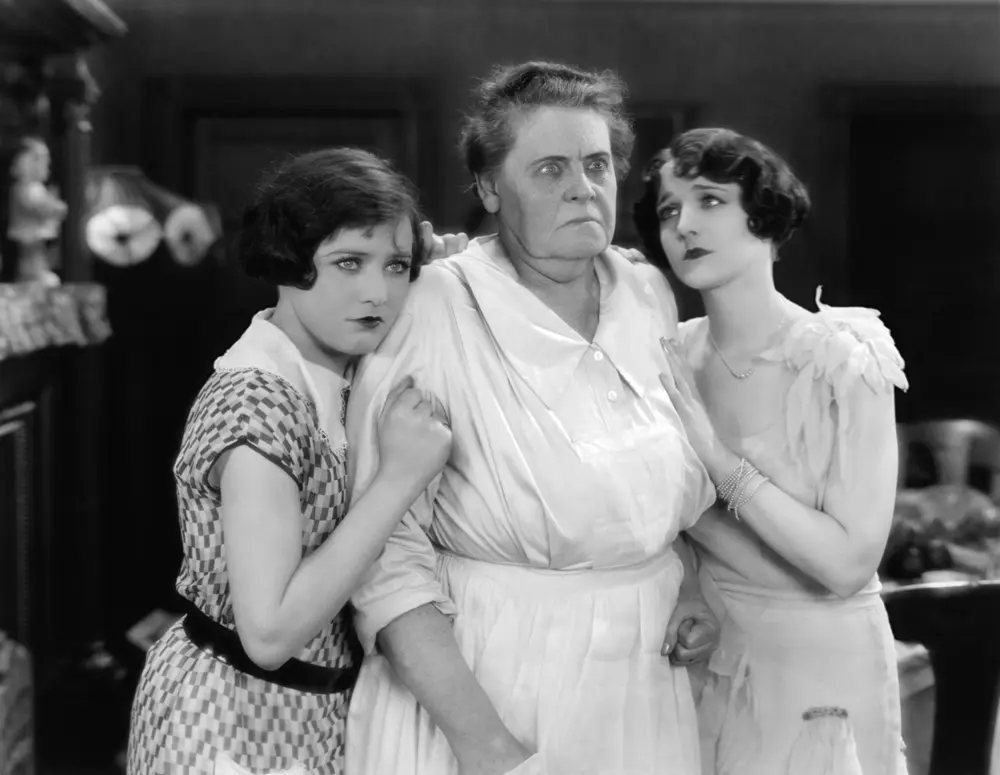
2) This film fails because its second half descends into a disjointed series of sketches that struggle to balance the 'with-child' melodrama with the slapstick violence.
3) You should watch it if you want to witness the blueprint for every domestic sitcom feud that followed, from 'The Honeymooners' to 'All in the Family'.
Director George Hill doesn't treat the tenement as a stage; he treats it as a pressure cooker. The opening sequences of The Callahans and the Murphys are a masterclass in environmental storytelling. We see the laundry lines crisscrossing the alleys like spiderwebs, capturing the literal and figurative entanglement of these families. Unlike the more sanitized poverty seen in The Rag Man, Hill leans into the grime.
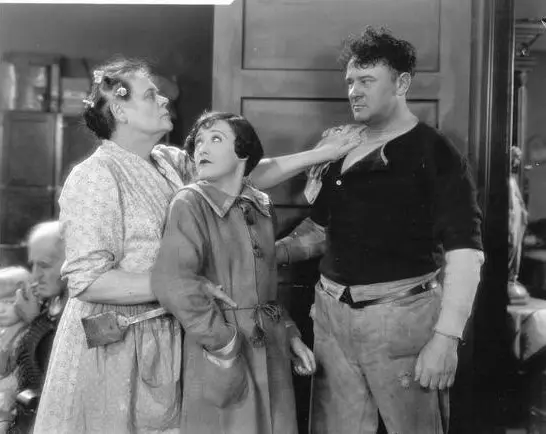
There is a specific moment where Mrs. Callahan (Dressler) is scrubbing a floor, her face a map of exhaustion and defiance. It’s a simple image, but it carries more weight than any title card could. The camera work is surprisingly mobile for 1927, weaving through the crowded rooms to capture the sheer density of people. You can almost smell the cabbage and the stale gin through the screen. It’s a sensory experience that defies its lack of audio.
The heart of the film—and the reason it remains watchable today—is the pairing of Marie Dressler and Polly Moran. Dressler is a force of nature. She doesn’t just act; she occupies space with a gravitational pull. When she and Moran engage in their first major confrontation over a shared clothesline, the timing is impeccable. It is violent, it is absurd, and it is undeniably human.
Moran provides the perfect foil. Where Dressler is broad and sweeping, Moran is sharp and bird-like. Their rivalry feels earned. It isn't just about a lost sock or a stray comment; it’s about the territorial desperation of women who have nothing else to claim but their pride. This dynamic is far more aggressive than the domestic friction found in Young Mrs. Winthrop. Here, the stakes are physical. They throw punches. They tumble. They survive.
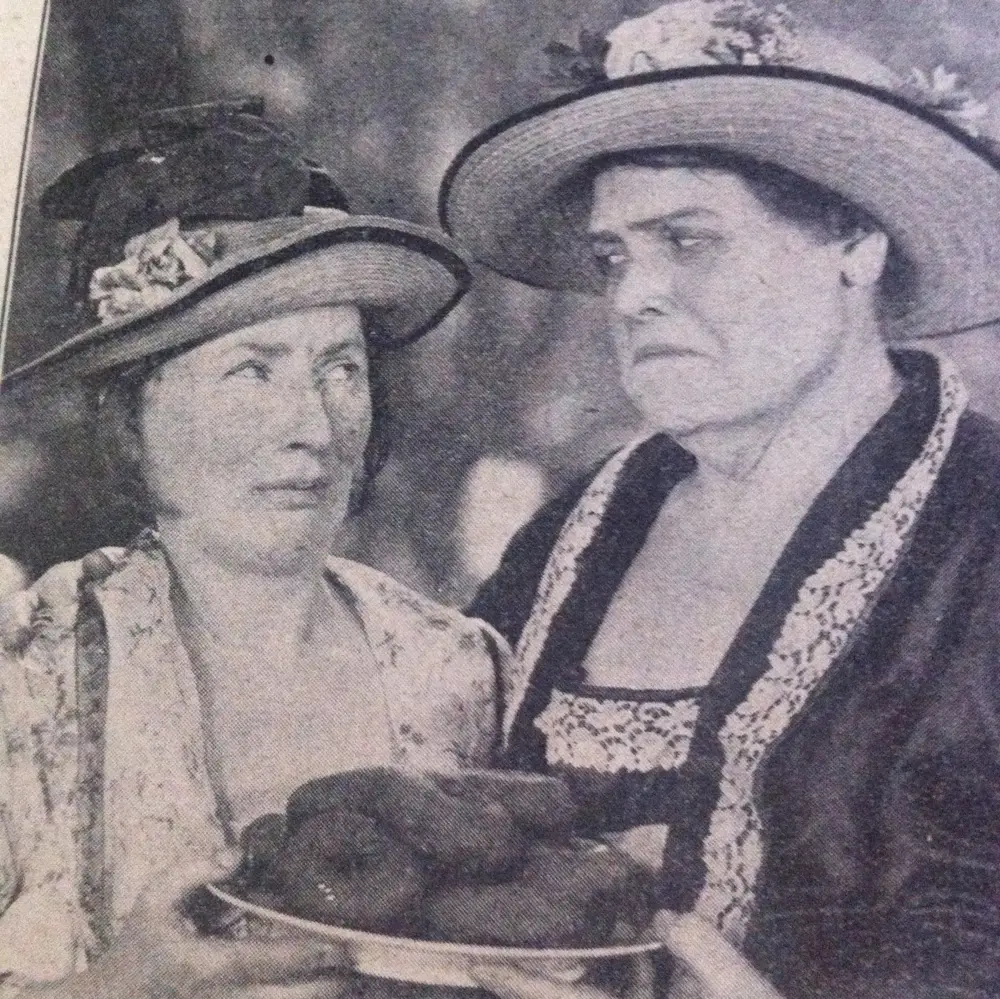
It is impossible to discuss this film without addressing why it nearly vanished from history. Upon its release, the film was met with fierce protests from Irish-American groups who felt the portrayal of the families as drunken, brawling caricatures was a step backward for their social standing. This led to significant cuts and even bans in certain cities. Looking at it today, the stereotypes are indeed thick, but there is an underlying affection for the characters that the protesters might have missed in their righteous anger.
The film doesn't look down on the Callahans or the Murphys. It sits in the mud with them. When Mrs. Callahan’s daughter (Sally O'Neil) reveals her pregnancy, the film takes a sharp, dark turn. The humor evaporates, replaced by a cold, hard look at the consequences of 'wastrel' behavior. This tonal shift is jarring, perhaps more so than the fast-paced action of Mile-a-Minute Romeo, but it gives the film a soul that pure slapstick lacks.
The pacing is frantic. In the first thirty minutes, the film moves with the speed of a runaway train. The editing by Ralph Spence is punchy, utilizing quick cuts during the brawl scenes that feel modern. However, the film stumbles in its middle act. The romance between the daughter and the Murphy son feels underwritten compared to the war between the mothers. We are told they love each other, but we are shown very little of why.
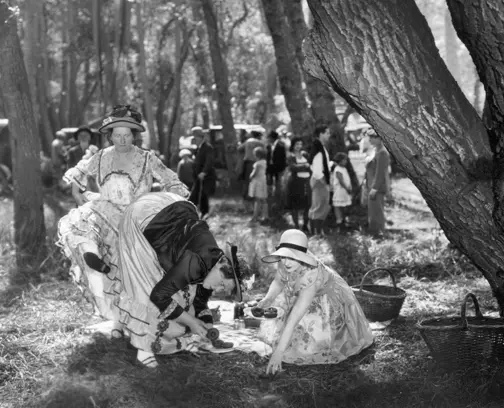
The cinematography by Ira H. Morgan excels in the nighttime scenes. There is a sequence involving a search through the tenement halls that uses shadow to create a sense of genuine dread. It’s a surprising flourish in a film marketed as a comedy. It reminds the viewer that the tenement is not just a place of funny fights; it is a labyrinth where people get lost. This depth of visual language elevates the film above the standard 'programmers' of the era like Oh, Johnny!.
Yes, this film is worth watching because it represents a pivotal moment in the transition of silent comedy toward character-driven realism. While the ethnic stereotypes are dated, the core themes of family loyalty and maternal strength are universal. It serves as a fascinating historical document of 1920s social tensions and a showcase for two of the greatest comediennes in film history. It is a bumpy ride, but one that leaves a lasting impression.
Pros:
- Electric chemistry between the two leads.
- Authentic, gritty set design that captures the era's poverty.
- Historical significance as a 'protested' film.
- Strong, female-centric narrative.
Cons:
- Relies heavily on ethnic stereotypes that haven't aged well.
- The romantic subplot is weak and unconvincing.
- Tonal shifts are often too abrupt.
The Callahans and the Murphys is a beautiful, ugly mess. It is a film that refuses to be ignored, much like its titular characters. It works. But it’s flawed. The bottom line is that Marie Dressler and Polly Moran are a comedic duo for the ages, and their work here—despite the controversy—remains a vital piece of the cinematic puzzle. If you can look past the 1927 sensibilities, you will find a story with a surprising amount of heart and a terrifying amount of energy. It is a cinematic bar fight that you’ll be glad you attended, even if you leave with a few metaphorical bruises.
IMDb 5.8
1924
Community
Log in to comment.