DbcultAccessing Vault...
7.1/10
Senior Film Conservator
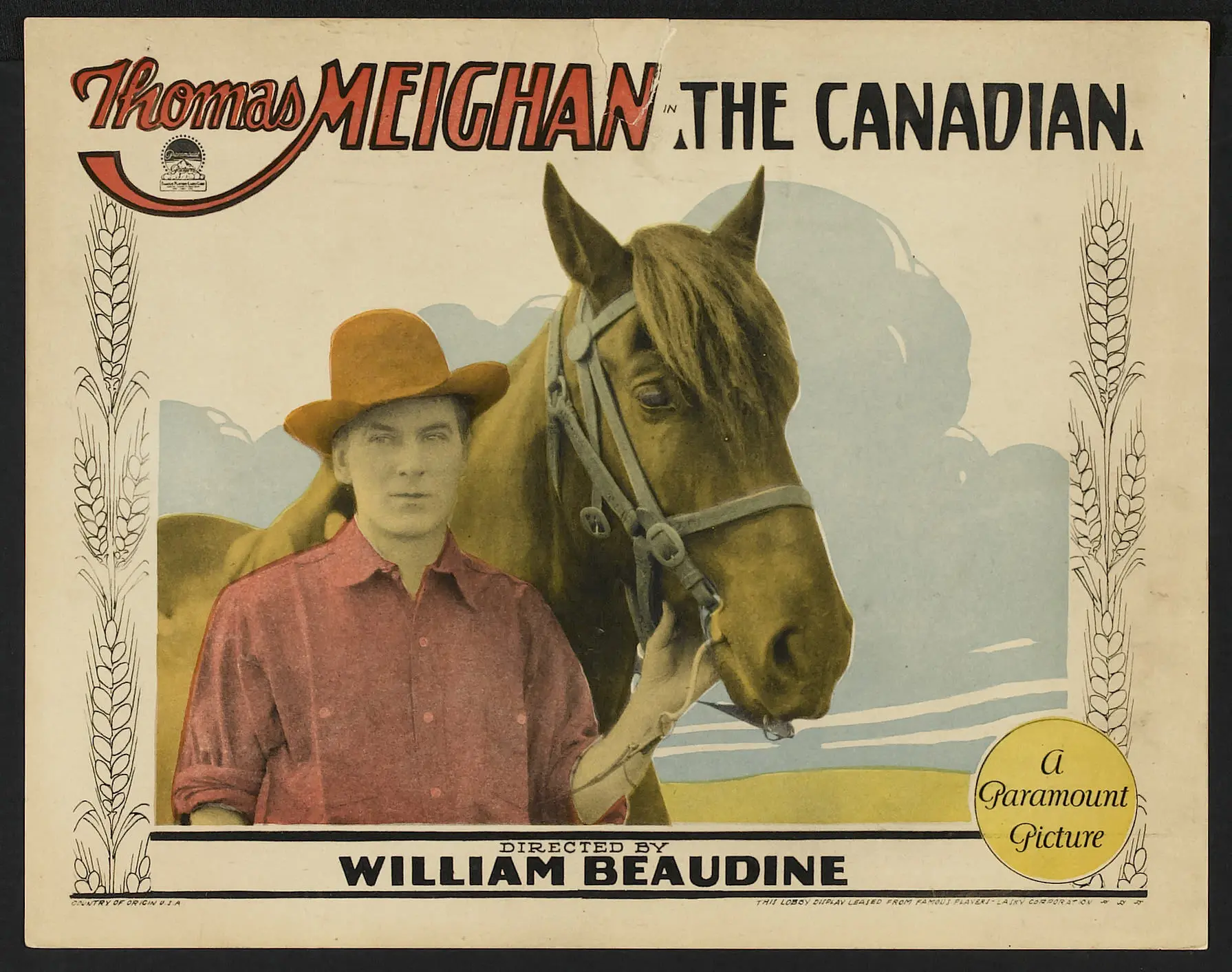
A definitive 7.1/10 rating for a film that redefined the boundaries of cult cinema. The Canadian remains a cornerstone of transgressive art.
Short answer: yes, but only if you have the patience for a slow-burn character study. This is for the viewer who prefers psychological grit over melodrama, and it is definitely not for those seeking a lighthearted romp or a fast-paced adventure.
The Canadian (1926) is a stark departure from the polished fantasies often associated with the mid-twenties. While films like The Perfect Flapper were leaning into the jazz-age glitz, director William Beaudine took a detour into the mud and the misery of the Alberta wheat fields. It is a film that feels modern in its cynicism and ancient in its struggle.
Is The Canadian worth your time today? If you want a raw, unvarnished look at the pioneer experience without the usual Hollywood romanticism, then the answer is a firm yes. It serves as a vital antithesis to the 'Western' mythos. However, if you struggle with the deliberate pacing of silent-era domestic dramas, you might find your attention drifting long before the harvest arrives.
1) This film works because it treats the landscape as a legitimate antagonist rather than a pretty backdrop.
2) This film fails because the second act becomes bogged down in repetitive financial dialogue that could have been handled with more visual flair.
3) You should watch it if you want to see Thomas Meighan deliver a performance that eschews theatricality for genuine, weathered exhaustion.
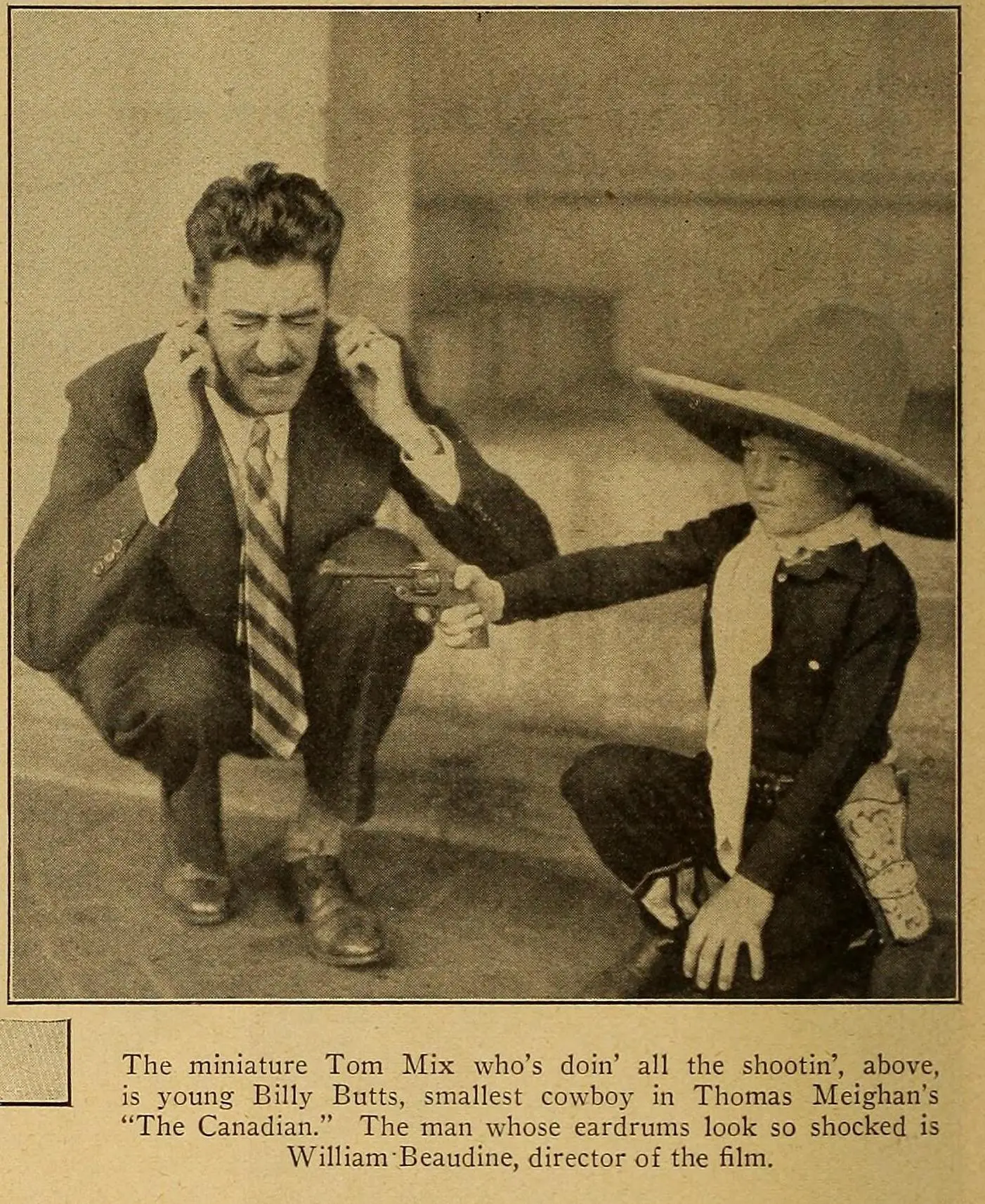
Based on W. Somerset Maugham’s play The Land of Promise, the film carries that signature Maugham bitterness. The writing team, which included Julian Johnson and Arthur Stringer, successfully translated the stage play’s claustrophobia into the wide-open spaces of Canada. There is a specific cruelty in seeing a character surrounded by miles of land yet feeling trapped in a tiny, one-room shack.
Unlike the lighthearted escapism found in Percy, The Canadian is interested in the transactional nature of human relationships. Nora Marsh’s decision to marry Frank Taylor isn't born of love; it is a survival tactic. This creates a tension that is far more compelling than the 'love at first sight' tropes common in 1920s cinema. It reminds me of the psychological weight found in Scandal, where social pressure dictates the heart's direction.
Thomas Meighan was a massive star at the time, but here he strips away the leading-man charisma. He looks tired. He looks like a man who has spent ten years fighting the dirt and is currently losing. In the scene where he surveys his frost-bitten crops, his lack of outward emotion is more devastating than any theatrical weeping. It’s a masterclass in silent restraint.
Mona Palma, as Nora, provides the necessary foil. Her transition from an entitled English visitor to a hardened prairie wife is subtle. She doesn't just put on a dirty apron; her posture changes. She starts the film standing tall, a relic of the old world, and ends it hunched against the wind. It is a physical transformation that rivals the work in Miss Nobody.
The location shooting is where the film truly shines. While many contemporary films like The Moonstone relied heavily on studio sets, The Canadian feels lived-in. You can almost feel the grit in the air. The wide shots of the wheat fields aren't meant to be beautiful; they are meant to be overwhelming. They represent a task that is never finished.
There is a specific moment when the storm clouds gather over the horizon. The way the light shifts across the grain is haunting. It’s not just 'visually stunning'—it’s threatening. The camera stays low, making the sky feel heavy, as if it’s about to crush the tiny farmhouse. This visual language is far more effective than the somewhat dry intertitles that explain the financial stakes.
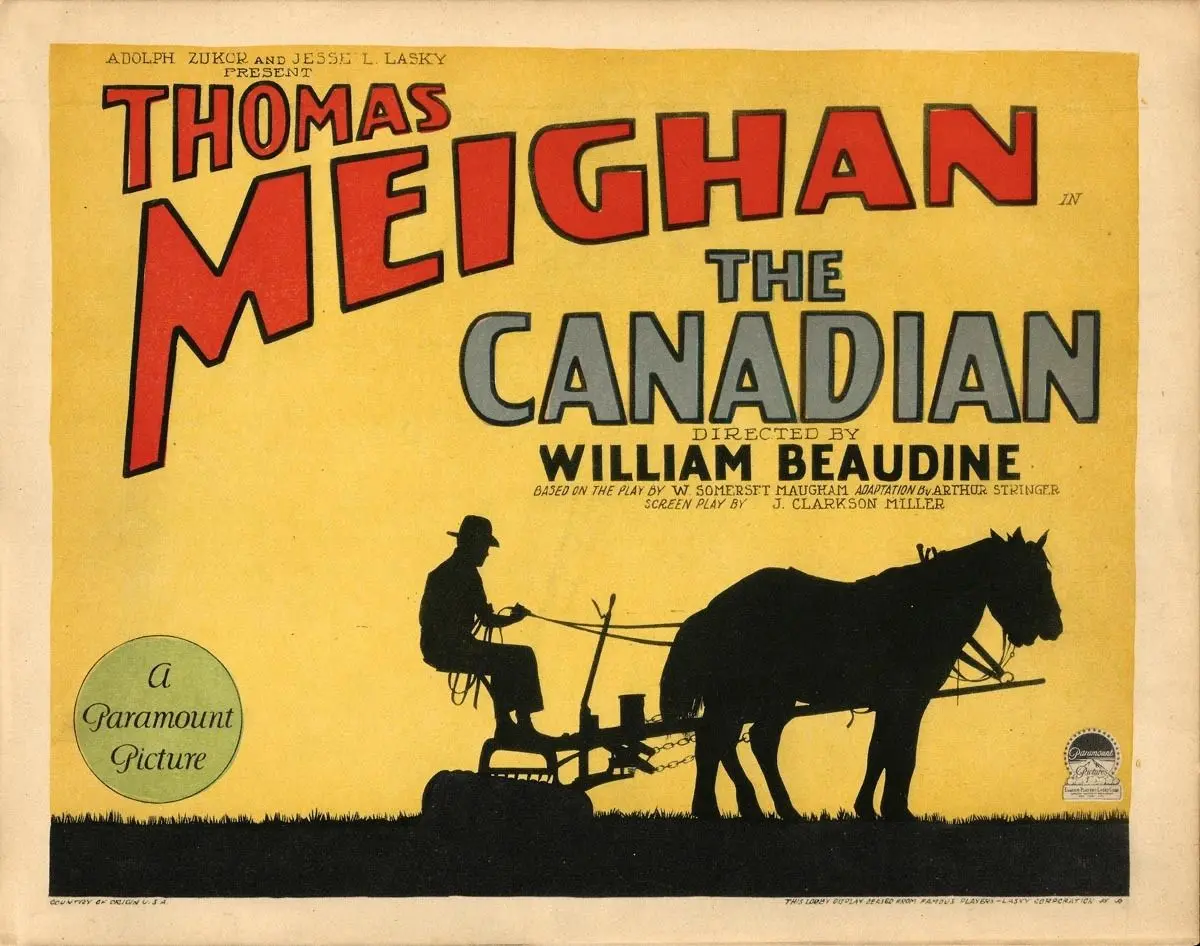
The film’s greatest challenge is its middle section. Once the initial shock of Nora’s arrival wears off, the narrative settles into a series of scenes regarding bank loans and crop yields. While this adds to the realism, it does slow the momentum. It lacks the whimsical energy of The High Horse or the rhythmic tension of Battling Mason.
However, this slowness is arguably intentional. Homesteading is not a series of high-octane events; it is a grind. The film makes you feel that grind. By the time the climax arrives, you are as exhausted as the characters. It works. But it’s flawed. The transition between the domestic bickering and the final resolution feels slightly rushed, a common symptom of stage-to-screen adaptations of this era.
Pros:
Cons:
Most critics point to the weather as the film's villain, but I would argue the real villain is the British class system. Nora’s suffering isn't just because of the cold; it’s because she was raised for a world that no longer exists. The film is secretly a funeral for the Edwardian era, buried under Canadian snow. It shares a certain DNA with Lady Hamilton in its depiction of a woman out of time and place.
The Canadian (1926) is a tough, resilient piece of filmmaking. It doesn't ask for your affection; it demands your respect. While it lacks the warmth of The Cricket on the Hearth or the simple morality of Deputized, it offers something much rarer: honesty. It is a bleak, beautiful look at what happens when human pride meets an immovable object. It’s not a 'masterpiece' in the traditional, flowery sense, but it is a sturdy, well-built film that still stands tall almost a century later. Watch it for Meighan, stay for the clouds, and bring a coat.
IMDb —
1924
Community
Log in to comment.