DbcultAccessing Vault...
Cult Review
Senior Film Conservator
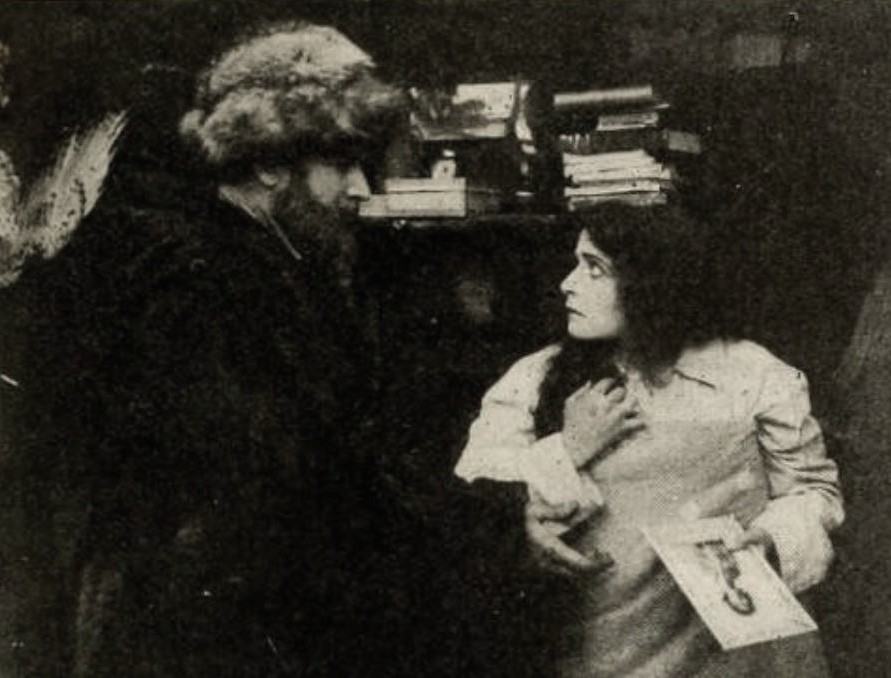
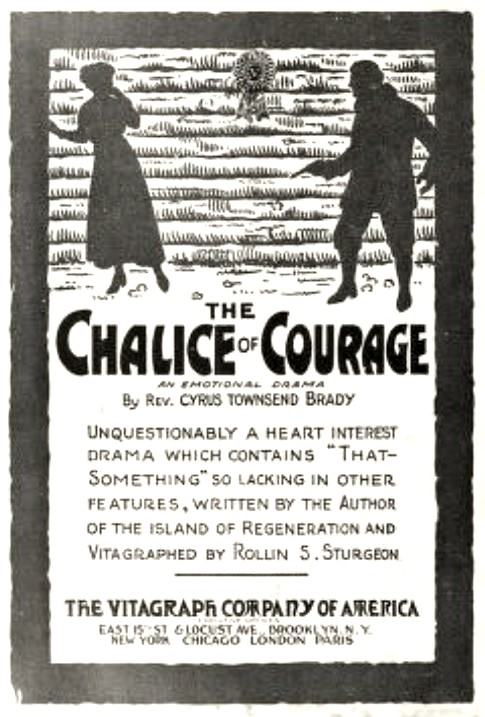
In the nascent years of the silent era, few films dared to tread the murky ethical waters that Vitagraph’s 1915 production, The Chalice of Courage, navigates with such somber intensity. Directed by Rollin S. Sturgeon and adapted from the prose of Cyrus Townsend Brady, this film serves as a stark reminder that the 'Western' genre was once a vessel for profound psychological inquiry rather than mere gunplay. It is a cinematic relic that feels surprisingly modern in its exploration of trauma, the ethics of euthanasia, and the corrosive nature of a life fueled by vengeance.
The film opens not with the typical optimism of the frontier, but with a suffocating sense of claustrophobia. Louise Newbold, portrayed with a delicate, trembling vulnerability by the ill-fated Myrtle Gonzalez, is a woman haunted. Her fear of James Armstrong (George Holt) isn't merely a plot device; it is a palpable force that drives the Newbolds into the desolate grandeur of the Colorado Rockies. The cinematography here is exceptional for its time, utilizing the jagged peaks as both a majestic backdrop and a looming threat. When the tragedy strikes—the fall from the cliff—it is captured with a jarring realism that eschews the theatricality common in 1915. This isn't the sanitized melodrama of The Little Gray Lady; it is a visceral confrontation with mortality.
What follows is perhaps one of the most daring sequences in early American cinema. William Newbold (played with a simmering, repressed fury by William Duncan) is asked by his broken wife to end her suffering. The 'mercy killing' is handled with a gravity that avoids the sensationalism found in contemporary works like The Path Forbidden. By making Newbold the instrument of his wife’s death, the film shifts from a survival drama into a Greek tragedy. His subsequent descent into reclusive madness is not just a reaction to loss, but a manifestation of the guilt that he misdirects toward Armstrong. This psychological displacement is a sophisticated narrative choice that elevates the film above its peers.
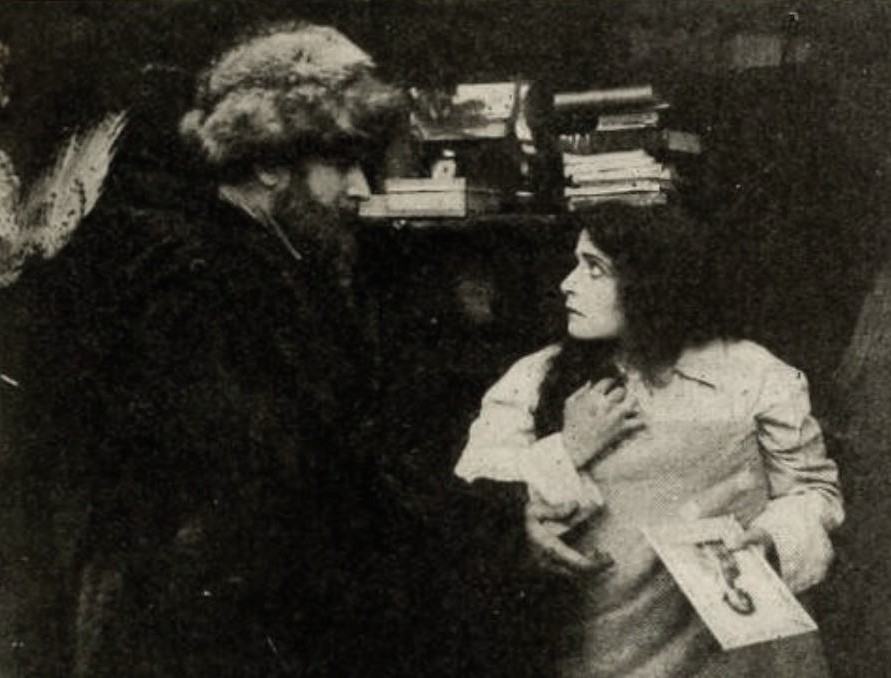
The jump forward five years introduces a tonal shift that initially feels like a different film, reminiscent of the romantic sensibilities in Springtime. Armstrong, seemingly redeemed by time, finds love with Enid Maitland (Natalie De Lontan). However, the screenplay by Brady is too clever to allow a simple romance. The storm that traps Enid with the now-feral Newbold is a masterclass in tension. The cabin becomes a pressure cooker, a microcosm of social isolation that mirrors the claustrophobic themes of Nuori luotsi.
Newbold, living as a mountain man, has become a creature of pure instinct and memory. The way the camera lingers on his weathered face—a testament to William Duncan’s range—conveys the internal struggle of a man who has forgotten how to be human but is suddenly confronted by a ghost of his former life. Enid is not Louise, but she represents the domesticity and peace he sacrificed. The winter isolation is not just a physical barrier; it is a purgatory where Newbold must decide if his 'courage' is the strength to kill or the strength to forgive.
Technically, The Chalice of Courage stands as a high-water mark for the Vitagraph Company. The use of natural light in the mountain sequences provides a stark contrast to the shadowy, candle-lit interiors of the cabin. This visual dichotomy underscores the film's central conflict: the wild, untamed justice of the mountains versus the civilized morality of the world Armstrong represents. Unlike the urban grit of Fantômas: In the Shadow of the Guillotine, Sturgeon’s direction utilizes the vastness of the American West to highlight the insignificance of human grudges against the backdrop of eternity.
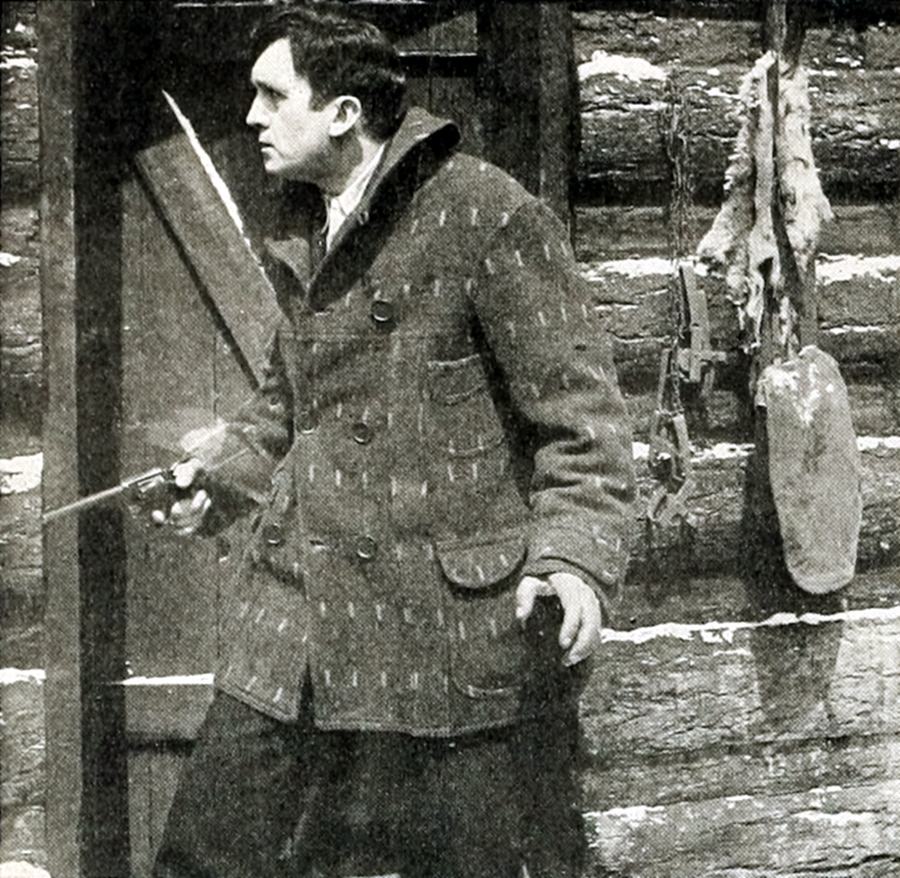
"The film posits that courage is not found in the act of vengeance, but in the endurance of one's own conscience—a chalice from which all must eventually drink."
The final act, where Armstrong arrives to rescue Enid, is handled with a restraint that is rare for the era. There is no grand, choreographed fistfight. Instead, the confrontation is quiet, heavy with the weight of five years of unspoken hatred. When Newbold recognizes Armstrong, the film reaches its emotional zenith. The tension is comparable to the high-stakes moral dilemmas in Judge Not; or the Woman of Mona Diggings. The resolution avoids the easy tropes of the 'wronged man' trope, opting instead for a bittersweet conclusion that acknowledges the permanent scars left by Louise’s death.
The performance of George Holt as Armstrong is particularly noteworthy here. He manages to convey a sense of genuine reformation without erasing the shadow of his past actions. It is this ambiguity—the question of whether a man can truly outrun his youthful indiscretions—that makes The Chalice of Courage resonate more deeply than contemporary melodramas like Sapho or Ihre Hoheit.
When placed alongside other 1915 releases like The Master Mind or The Stubbornness of Geraldine, Sturgeon’s work feels significantly more cinematic and less stagey. It shares a certain thematic DNA with Entre ruinas in its depiction of characters isolated by both nature and their own psychological failings. However, it maintains a uniquely American grit. While A Sister to Carmen relied on exoticism and passion, The Chalice of Courage relies on the cold, hard reality of the frontier.
It is also worth noting the contribution of Anne Schaefer and Otto Lederer, who provide a grounded supporting cast that prevents the film from floating off into purely symbolic territory. The film’s pacing, while slow by modern standards, mimics the seasonal shifts of the mountains, building a sense of inevitability that is far more effective than the frantic plotting of The Riddle of the Tin Soldier.
Ultimately, The Chalice of Courage is a film about the burden of the past. It suggests that the wilderness is not a place to hide, but a place that strips away the veneer of civilization to reveal the rawest parts of the human soul. William Duncan’s performance is a landmark of the period, transitioning seamlessly from a loving husband to a broken executioner and finally to a man seeking a path back to humanity. The film’s refusal to provide a simple 'happy' ending is its greatest strength, acknowledging that while the spring thaw brings new life, the mountains never forget what they have buried.
For fans of silent cinema, this is an essential watch. It bridges the gap between the simplistic morality plays of the early 1910s and the sophisticated psychological dramas that would define the 1920s. It is a haunting, beautiful, and deeply moving piece of art that deserves to be remembered alongside the great tragedies of the screen. If you appreciate the atmospheric weight of Der Zug des Herzens or the rugged character studies of The House of Temperley, then this film is a mandatory addition to your viewing list. It is a cup of bitter truths, served with a visual elegance that remains breathtaking over a century later.
IMDb 5.2
1934
Community
Log in to comment.