DbcultAccessing Vault...
Cult Review
Senior Film Conservator
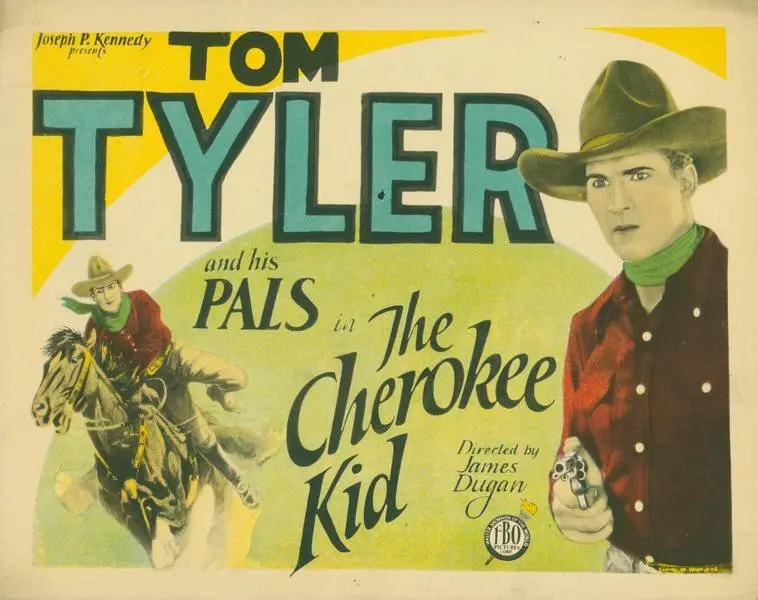
Does the 1927 silent Western The Cherokee Kid deserve a spot in your modern watchlist? Short answer: No, unless you are a dedicated historian of the genre; it is a functional but highly predictable example of early Hollywood formula.
This film is specifically for the silent cinema completionist who finds joy in the archetypal 'wronged man' trope and the rugged aesthetic of the 1920s frontier. It is absolutely not for viewers who require psychological nuance, subverted expectations, or the fast-paced editing of contemporary action cinema.
To understand The Cherokee Kid, one must understand the era of the 'B-Western' before it became a Saturday morning staple. This film works because it maintains a lean, propulsive energy that avoids the excessive sentimentality found in other 1927 releases like Not So Long Ago.
1) This film works because the physical stunts and location shooting provide a raw authenticity that studio-bound films of the era lacked.
2) This film fails because the antagonist's motivations are paper-thin, relying on a 'villain-by-default' personality rather than earned conflict.
3) You should watch it if you want to see the foundational building blocks of Western tropes that would later be perfected by John Ford.
The plot of The Cherokee Kid is built on the bones of a feud. Bill Duncan, played with a stoic, almost rigid intensity by James Van Horn, is the classic returning hero. He doesn't say much—literally, as it's a silent film—but his presence is meant to convey a heavy history. Unfortunately, the script by Joseph Kane and Oliver Drake spends too little time establishing the 'why' of the feud. We are told there is a grudge, but we don't feel the weight of it. It’s a mechanical plot device. It moves. But it’s hollow.
The murder of Red Flynne is the catalyst that sets the gears in motion. In a scene that feels remarkably similar to the dramatic tension in Vanina, the accusation against Duncan is swift and based entirely on his status as an outsider. The film uses the town's collective suspicion as a weapon. This is where the movie is at its most interesting: exploring how a community chooses a scapegoat to avoid looking at the rot within its own ranks.
The real antagonist, Rolfe McPherson (Ray Childs), is the quintessential foreman with a dark heart. His plan to marry Helen (Sharon Lynn) to secure the ranch is a plot point that has been used a thousand times since, yet in 1927, it carried the weight of social survival. Sharon Lynn’s performance is notable; she doesn't just play the victim. She plays a woman bound by a false sense of duty to a father’s supposed dying wish. Her conflict is internal, which is difficult to convey without dialogue, yet she manages it through expressive, though sometimes exaggerated, physicality.
Directorial choices here are standard for the time. There is a lack of the visual experimentation seen in European imports like Das Todesgeheimnis. The camera remains largely static, acting as a proscenium arch for the actors. However, the outdoor sequences are where the film breathes. The dust, the horses, and the harsh sunlight of the California locations add a layer of grit that the script lacks. You can almost feel the heat of the Mexican border during the final chase.
The pacing is lopsided. The first half of the film drags as it establishes the legalities of the Flynne estate and the inheritance. It feels more like a courtroom drama without the court. But once Duncan escapes custody, the film shifts gears into a high-octane pursuit. The transition is jarring. One moment we are discussing deeds and wills; the next, we are in a frantic horse race. This lack of tonal consistency is a hallmark of the era's lower-budget productions, much like the uneven narrative found in A Young Tenderfoot.
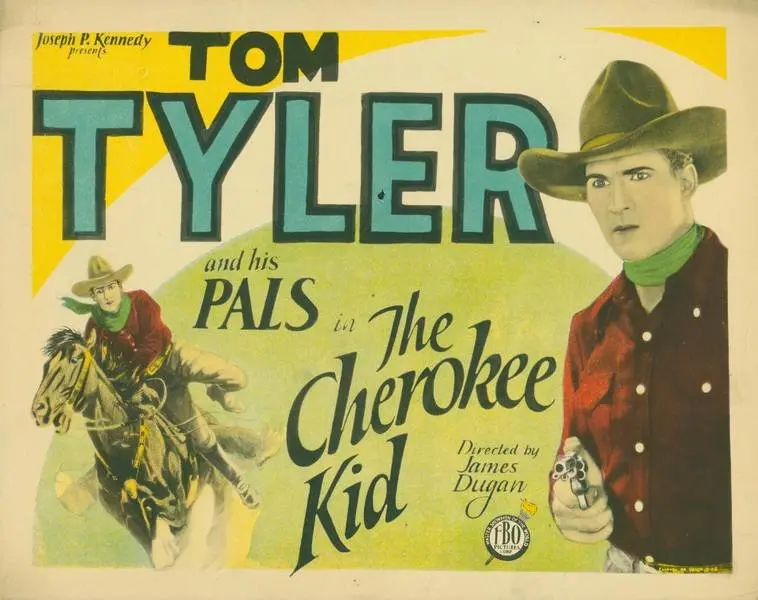
One surprising observation is the role of the housekeeper. In many Westerns of this period, secondary characters are mere set dressing. Here, she is the moral compass. Her decision to betray Rolfe is the film's only real moment of character-driven agency. Without her, Duncan would be just another dead fugitive. It is a small but vital subversion of the 'lone hero' myth.
If you are looking for a masterpiece, look elsewhere. The Cherokee Kid is a blue-collar movie. It was made to entertain a specific audience for 50 minutes and then be forgotten. However, for those interested in the evolution of the Western, it is a fascinating case study. It shows how early filmmakers struggled to balance complex land-dispute plots with the audience's desire for action. It is a rough draft of the American West.
Pros: James Van Horn provides a solid, if stoic, lead performance. The location photography captures the desolation of the frontier effectively. The runtime is short, making it an easy watch for those curious about the era.
Cons: The villain is a caricature with no depth. The romantic subplot between Duncan and Helen feels rushed and unearned, especially compared to the more nuanced romances in A Lickpenny Lover. The 'wrongful arrest' sequence feels repetitive if you've seen more than three silent Westerns.
It is worth spending a moment on Sharon Lynn. While she is often relegated to the background in discussions of 1920s stars, her work here is a masterclass in silent reaction. In the scene where she discovers Rolfe's true nature, her face goes through a spectrum of grief, shock, and resolve without a single title card needing to explain it. It’s a reminder that silent film was a medium of the face, not the word. She carries the emotional stakes of the film far more than Van Horn does. If Van Horn is the engine, Lynn is the heart. This dynamic is a common thread in films like The Apple-Tree Girl, where the female lead must navigate a world of male-driven violence.
Joseph Kane, who co-wrote this, would go on to become a staple of Republic Pictures, directing dozens of Westerns. You can see his burgeoning style here: a focus on movement, a disdain for unnecessary subplots, and a clear distinction between good and evil. He isn't interested in the ambiguity found in Paradise Lost. He wants to get to the chase. This efficiency is what made him a legend in the B-movie world, but it also limits the artistic ceiling of The Cherokee Kid. The film is a product, well-made and durable, but a product nonetheless.
In comparison to other silent works like Felix Minds His Business, which uses humor to move the plot, The Cherokee Kid is almost grimly serious. There is no comic relief. There is only the feud, the murder, and the escape. This seriousness works in its favor during the jailbreak scene, which is shot with a surprising amount of shadows and tension, hinting at the noir aesthetics that would emerge decades later.
The Cherokee Kid is a sturdy, unpretentious Western that delivers exactly what its 1927 audience wanted: a hero to cheer for and a villain to hiss at. It doesn't possess the visual poetry of a high-budget epic, but it has a blue-collar charm that is hard to dismiss. The logic is thin. The horses are fast. That’s the deal. It is a relic, yes, but one that still holds a spark of the kinetic energy that made the Western the dominant American myth. If you can forgive its simplicity, there is a certain honest beauty in its execution. But don't expect it to change your life.
IMDb —
1917
Community
Log in to comment.