DbcultAccessing Vault...
Cult Review
Senior Film Conservator
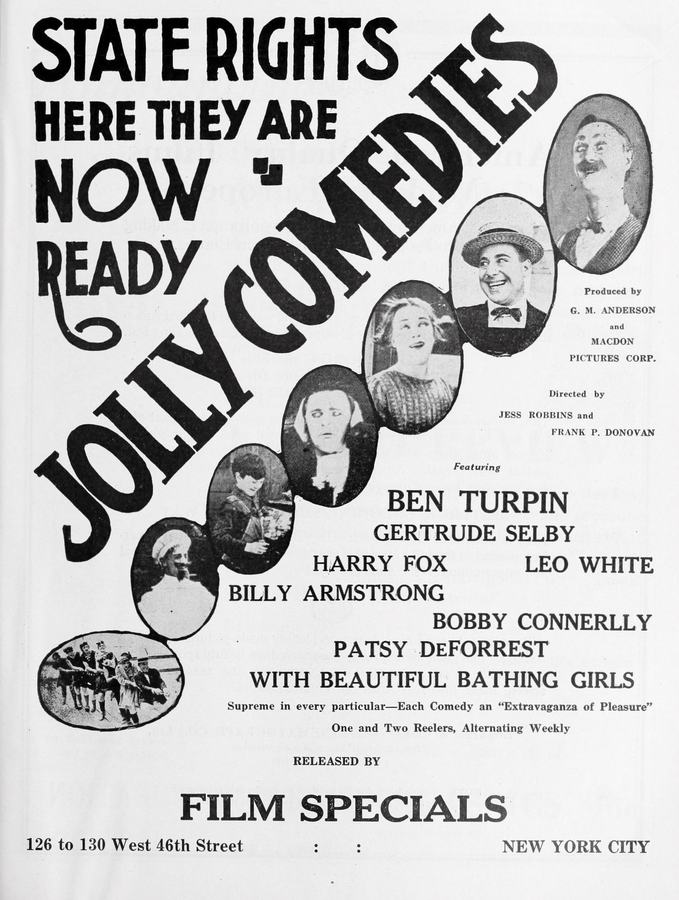
Stepping back into the flickering glow of early cinema, one often encounters figures whose comedic prowess transcends the passage of decades, their physical artistry speaking a universal language. Among these luminaries, Ben Turpin stands as an undisputed titan, his distinctive ocular alignment becoming a signature of the era's most uproarious slapstick. In The Close Shave, we are treated to a quintessential Turpin vehicle, a frenetic ballet of mistaken identity, accidental heroism, and the kind of meticulously choreographed chaos that defined the golden age of silent comedy. This isn't just a film; it's a vibrant historical artifact, a testament to the ingenuity and sheer audacity of filmmakers working without the crutch of dialogue, relying solely on visual gags and the magnetic charisma of their stars.
Turpin's character, Aloysius Piffle, is a masterclass in the everyman thrust into extraordinary circumstances. His occupation as a barber, seemingly innocuous, becomes the ironic catalyst for a city-wide chase. The film opens with a charmingly understated portrayal of Aloysius’s daily grind, punctuated by his longing glances across the street at Penelope, the local florist – a classic romantic subplot, albeit one destined to be sidelined by escalating pandemonium. His cross-eyed gaze, far from being a mere physical trait, becomes an active participant in the comedy, often conveying a delightful bewilderment or a skewed perception of reality that further entangles him in absurd situations. This isn't just a visual gag; it's a character-defining element, lending Aloysius an air of innocent haplessness that is utterly endearing.
The narrative truly ignites with the arrival of “Slick” Sid, a villain whose very moniker suggests a slippery disposition. His elaborate false mustache, a marvel of early cinematic disguise, is the linchpin of the initial conflict. The scene in the barber shop is a masterclass in escalating tension and comedic timing. Turpin’s physical comedy shines here, as he grapples with a recalcitrant barber's chair, a lather brush seemingly possessed by mischievous spirits, and his own inherent clumsiness. The moment the false mustache is inadvertently shorn off, revealing Sid's true, nefarious visage, is a perfect example of how silent films could convey shock and revelation with a mere glance and a sudden, exaggerated movement. The ensuing panic, both from Sid and the utterly bewildered Aloysius, sets the breakneck pace for the rest of the film.
What follows is an exhilarating urban pursuit, a veritable symphony of slapstick. Turpin, with his rubbery face and agile physique, navigates the bustling city streets with a combination of panicked desperation and accidental grace. The sequence through the crowded marketplace, where Aloysius inadvertently triggers a domino effect of collapsing fruit stands and scattered produce, is a testament to the meticulous planning required for such elaborate physical gags. It’s a moment that draws parallels to the grand-scale destruction seen in other contemporaneous comedies, such as the chaotic sequences in Den sorte Varieté, though here, the focus remains firmly on Turpin’s individual struggle against an increasingly hostile environment. The film’s ability to maintain narrative coherence amidst such widespread anarchy is truly remarkable, a testament to the clarity of its visual storytelling.
The chase escalates, taking Aloysius to increasingly precarious locations. The rooftop sequence, a staple of silent film thrillers and comedies alike, showcases the daring stunt work and innovative cinematography of the era. Watching Turpin scramble across high ledges and navigate precipitous drops, one is reminded of the genuine risks taken by performers in an age before extensive safety regulations or CGI. This sense of tangible danger, even within a comedic context, adds an extra layer of visceral excitement to the proceedings. The subsequent hop onto a speeding trolley car, a classic cinematic trope for conveying urgency and speed, further amplifies the feeling of a runaway train—or rather, a runaway barber—hurtling towards an unknown fate.
One of the film's most ingenious plot devices is Aloysius’s unwitting interception of the stolen blueprints. This elevates the stakes beyond a mere personal vendetta, inadvertently entangling our cross-eyed hero in a larger criminal conspiracy. It’s a clever narrative pivot, transforming what began as a simple misunderstanding into a matter of civic importance. This accidental heroism is a recurring motif in silent comedies, where the underdog, through sheer luck or bumbling incompetence, often saves the day. It speaks to a cultural yearning for justice delivered by the most unlikely of champions, a theme echoed in films like Out of the Shadow, though there, the heroism is often more intentional and less comically accidental.
The climax of The Close Shave is a masterclass in comedic construction. Aloysius, trapped on a precarious scaffolding high above the city, is pursued by Sid and his increasingly frustrated henchmen. The height, the precariousness, and the sheer number of antagonists create a palpable sense of peril, yet it is consistently undercut by Turpin’s frantic, almost balletic, attempts to escape. His movements are exaggerated, his facial expressions a symphony of wide-eyed panic, all designed to elicit maximum laughter. The accidental dislodging of the giant advertising billboard, which then crashes down in a perfectly timed sequence to apprehend the villains, is a glorious example of cinematic serendipity. It’s a grand, theatrical flourish that provides a satisfying resolution, a chaotic climax that manages to tie up all loose ends with a spectacular visual gag, reminiscent of the inventive set pieces found in Passa il dramma a Lilliput, though on a much grander, more destructive scale.
Beyond the immediate laughs, The Close Shave offers a fascinating glimpse into the social dynamics of the early 20th century. The bustling cityscapes, the interactions between different social strata, and the nascent anxieties of urban life are all subtly woven into the fabric of the narrative. The film, like many of its contemporaries, uses humor to both reflect and gently critique societal norms. The figure of the intimidating landlady, Mrs. Gristle, for instance, is a recognizable archetype, representing the everyday pressures faced by the working class. Her eventual, albeit temporary, appeasement by Aloysius’s accidental heroism speaks to a broader cultural appreciation for unexpected valor, even if it's stumbled upon rather than intentionally sought. It's a sentiment that resonates with themes of social mobility and the 'rags to riches' narrative prevalent in films like In Old Kentucky, albeit through a comedic lens.
Ben Turpin’s performance is, without hyperbole, a tour de force. His ability to convey a wide range of emotions—from abject terror to fleeting moments of triumph—all without uttering a single word, is a testament to his innate talent and the expressive power of silent acting. His cross-eyed stare, a physiological quirk, becomes an artistic tool, enhancing every reaction, every bewildered glance. It's a physical characteristic that, for many other actors, might have been a hindrance, but for Turpin, it was his comedic superpower. He wasn't just an actor; he was a living, breathing cartoon, capable of contorting his face and body into a myriad of hilarious configurations. This distinguishes his style from the more subtle, character-driven performances seen in dramas like The Fatal Card or Die Königstochter von Travankore, placing him firmly in the realm of pure, unadulterated physical comedy.
The film's direction, while uncredited to a specific writer in the prompt, clearly demonstrates a keen understanding of comedic pacing and visual storytelling. The rapid cuts during the chase sequences, juxtaposed with longer takes that allow Turpin’s physical comedy to unfold, create a dynamic rhythm that keeps the audience engaged. The use of depth of field, particularly in the wider shots of the city, adds a sense of scale to Aloysius’s predicament. The framing of each gag is precise, ensuring that the comedic intent is never lost, even amidst the most frantic action. This careful orchestration of visual elements is crucial for a silent film’s success, much like the precise staging required for compelling narratives in Die Brüder von Zaarden or The Bride of Hate, though here, the goal is laughter rather than dramatic tension.
The resolution, with Aloysius receiving a medal and finally garnering Penelope's attention, is a delightful payoff. His continued bewilderment, even in the face of public adulation, ensures that his character remains true to form. He is a hero by happenstance, a champion by sheer, glorious accident, and this consistent characterization is what makes him so enduring. The film doesn't attempt to transform him into a suave, self-aware hero; instead, it celebrates his inherent, charming awkwardness. This commitment to character, even in the most outlandish situations, is a hallmark of truly great comedic performances. It's a purity of comedic vision that contrasts sharply with the more complex psychological portrayals found in films like Witchcraft or A Daughter of the Gods, which delve into deeper human motivations.
From a historical perspective, The Close Shave is invaluable. It encapsulates the energy and innovation of early Hollywood, a period when the language of cinema was being forged, one gag and one chase scene at a time. It demonstrates how filmmakers, unburdened by the complexities of sound, pushed the boundaries of visual storytelling, creating a dynamic and engaging experience for audiences. The film's enduring appeal lies in its timeless humor; the physical comedy, the mistaken identities, and the sheer audacity of its stunts still resonate today. It’s a testament to the fact that laughter, particularly the kind elicited by a truly gifted physical comedian like Turpin, transcends linguistic and temporal barriers. Its influence can be seen in countless subsequent comedies, proving that the foundations laid by these early pioneers continue to shape cinematic humor.
The legacy of films like The Close Shave is often understated in contemporary discourse, overshadowed by the grander epics or the more dramatic narratives of the era. Yet, it is in these vibrant, often chaotic, comedies that the true spirit of early cinema often shines brightest. They were laboratories of invention, where directors and performers experimented with visual grammar, pushing the limits of what a moving image could convey. Turpin, with his unique gift for physical expression, was at the forefront of this movement, crafting a comedic persona that was instantly recognizable and eternally hilarious. His work, alongside that of his contemporaries, laid the groundwork for generations of comedians, influencing everything from animated cartoons to modern action-comedies. The sheer joy and inventive spirit embedded in every frame of this film are infectious, reminding us of the simple, profound pleasure of pure visual comedy.
Revisiting The Close Shave today is not just an exercise in cinematic archaeology; it's a vibrant, laugh-out-loud experience. It's a reminder of the enduring power of physical comedy, the artistry of silent film, and the singular genius of Ben Turpin. His ability to evoke such strong reactions with just a glance or a stumble is a skill that few have mastered. The film is a joyous explosion of energy, a perfectly crafted piece of entertainment that continues to delight and surprise. It stands proudly alongside other significant works of the period, such as The Weakness of Man or Sorvanets, demonstrating the breadth of cinematic expression available even in the nascent years of the medium. The film's conclusion, leaving Aloysius in a state of oblivious triumph, is the perfect comedic capstone, affirming that sometimes, the greatest heroes are those who don't even realize they're saving the day. It’s a film that leaves you with a smile, a chuckle, and a renewed appreciation for the timeless art of the moving picture. The sheer brilliance of its simple premise executed with such panache is a testament to its enduring legacy.
The comparisons to other films of the era, such as Red and White Roses or Wild Youth, often highlight the distinctiveness of Turpin's comedic approach. While those films might explore more dramatic or romantic avenues, The Close Shave commits wholeheartedly to the realm of pure, unadulterated farce. It doesn't aspire to grand social commentary or intricate character studies; its ambition is to entertain, to make its audience laugh, and in this, it succeeds spectacularly. The film is a vibrant, kinetic testament to the power of visual storytelling, a masterclass in how to construct compelling narratives and unforgettable characters without the aid of spoken dialogue. It's a pivotal piece in the tapestry of early cinema, showcasing the boundless creativity that flourished during a period of immense artistic experimentation. The sheer ingenuity of its gags and the relentless energy of its protagonist ensure its place as a cherished classic.
IMDb —
1914
Community
Log in to comment.