DbcultAccessing Vault...
Cult Review
Senior Film Conservator
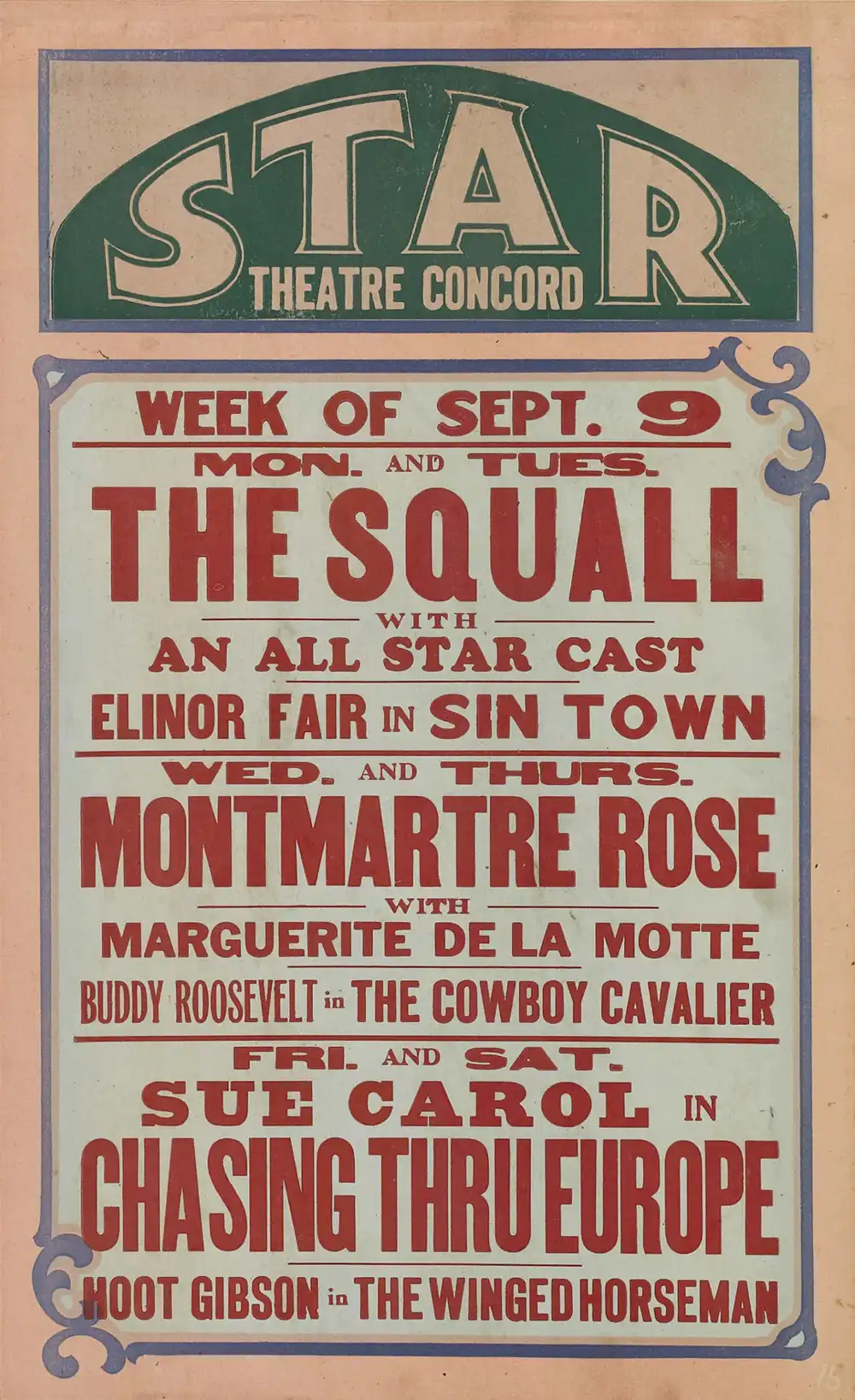
If you have seventy minutes to spare and a high tolerance for the kind of movie logic that suggests a loud noise can delete a person's entire identity, The Cowboy Cavalier is fine. It’s not a lost masterpiece, and it’s not quite a disaster, but it sits in that weird 1928 pocket where silent films were getting technically proficient but the plots were still leaning on the most exhausted tropes available.
It’s worth a look if you’re into the transition period of Westerns—right before sound changed everything—or if you just want to see Buddy Roosevelt ride a horse. If you’re looking for a tight, gritty thriller, you’re going to be annoyed by how many times people stand around in dusty rooms explaining things that the audience already saw five minutes ago.
The whole thing kicks off with a murder that is staged with almost zero tension. The uncle goes down, Olive Hasbrouck (playing the niece) sees it, and then she just... breaks. The movie treats amnesia like a physical light switch. One minute she’s a functional human being, the next she’s wandering around with this glazed expression that Hasbrouck holds for what feels like an eternity. There’s a specific shot where she’s staring at a wall, and the camera just stays on her. You keep waiting for a flicker of something, but she just keeps staring. It’s meant to be tragic, but it mostly makes you wonder if the director, Richard Thorpe, forgot to yell cut.
Then there’s the villain. His plan is genuinely one of the dumbest things I’ve seen in a silent Western. He kidnaps her because he wants her to sign a written confession stating that she killed her uncle. Think about that for a second. He is trying to force a legal document out of a woman who doesn't know her own name. It’s the kind of plot point that only works if you don't think about it for more than three seconds.
Robert Walker plays the villain with a lot of mustache-twitching energy. He’s got this way of leaning into the frame that feels very theatrical, even for 1928. It’s a sharp contrast to Buddy Roosevelt, who is much more naturalistic, or at least as natural as you can be when you're playing a character named 'The Cowboy Cavalier.' Roosevelt has this easy way of sitting on a horse that makes the rest of the movie feel a bit more grounded whenever he’s on screen.
I noticed a weird bit of costume design in the middle of the film. The 'cavalier' outfit Roosevelt wears at one point feels like it wandered in from a different movie—maybe something like The Woman and the Puppet or a period drama. It’s slightly too clean for the dusty ranch setting. Actually, everything is a bit too clean. The interiors of the ranch houses look like they were swept five minutes before the cameras rolled. There’s no lived-in grit here.
There is one sequence that actually works quite well, where the girl escapes. The editing speeds up, and for a few minutes, the movie stops trying to be a melodrama and just becomes a chase. The way they use the landscape—lots of scrubby hills and sharp rocks—gives it a sense of scale that the indoor scenes lack. It reminded me a bit of the better moments in Alice in the Wooly West, where the environment actually feels like a character rather than just a flat backdrop.
But then we get back to the dialogue titles. Some of them are incredibly wordy. You’re sitting there reading a paragraph of text about 'honor' and 'the code of the west' while the actors are just standing still, waiting for the title card to finish. It kills the momentum every single time. It’s a common problem in late silents, where they were trying to tell more complex stories but hadn't quite figured out how to do it without burying the viewer in text.
The chemistry between Roosevelt and Hasbrouck is... fine. It’s mostly him looking concerned and her looking confused. There’s a moment toward the end where they’re hiding out, and he tries to comfort her, and for a split second, the acting feels real. The artifice drops, and you see two people who look genuinely tired of being chased through the desert. Then the villain shows up again and we’re back to the theatrical arm-waving.
Also, the ending happens so fast you might miss it if you blink. The resolution of the murder mystery is handled with a shrug. Once the 'confession' plot falls apart, the movie realized it’s almost out of film and just wraps everything up in a neat little bow. It’s unsatisfying, but by that point, you’re mostly just glad the girl got her memory back, even if the movie never really explains how that happened either. I guess a different loud noise fixed it?
It’s a strange little artifact. It’s not as stylish as something like Shadows of Paris, and it lacks the weird psychological depth you sometimes find in movies like A Fool There Was. It’s just a standard B-Western trying to be a bit more sophisticated than it actually is. Watch it for the horse stunts and Buddy Roosevelt’s hat, but don't expect the amnesia plot to make a lick of sense.
IMDb 5.6
1919
Community
Log in to comment.