DbcultAccessing Vault...
6.5/10
Senior Film Conservator
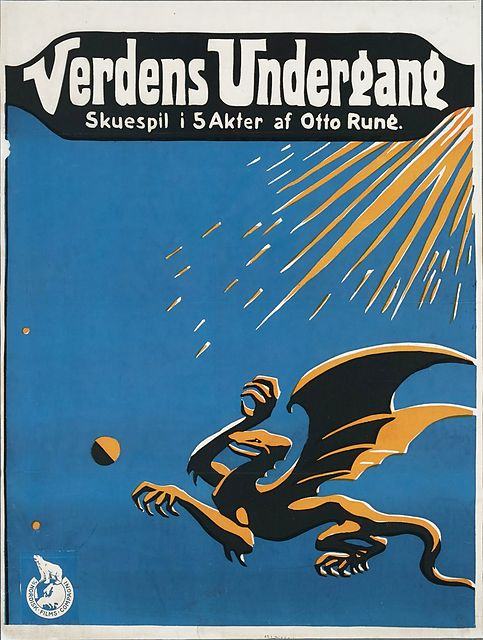
A definitive 6.5/10 rating for a film that redefined the boundaries of cult cinema. The End of the World remains a cornerstone of transgressive art.
Spoiler etiquette: I reveal every ember, every severed violin string, every cyanide droplet. Tread softly.
There is a moment—roughly twelve minutes in—when the camera, mounted on a coal cart, glides through a thoroughfare of toppled electric lamps. The bulbs, still spitting sapphire sparks, illuminate cobblestones lacquered with spilled absinthe. A stray dog laps the green puddle, its tongue phosphorescent, then convulses into a canine hieroglyph. This is not destruction porn; it is a sacrament of phosphor. Director August Blom and cinematographer Frederik Jacobsen conjure chiaroscuro so tactile you can smell the ozone. Compare this to the hygienic pixel showers of Denn die Elemente hassen (1921) and you realize how rarely cinema lets entropy feel wet.
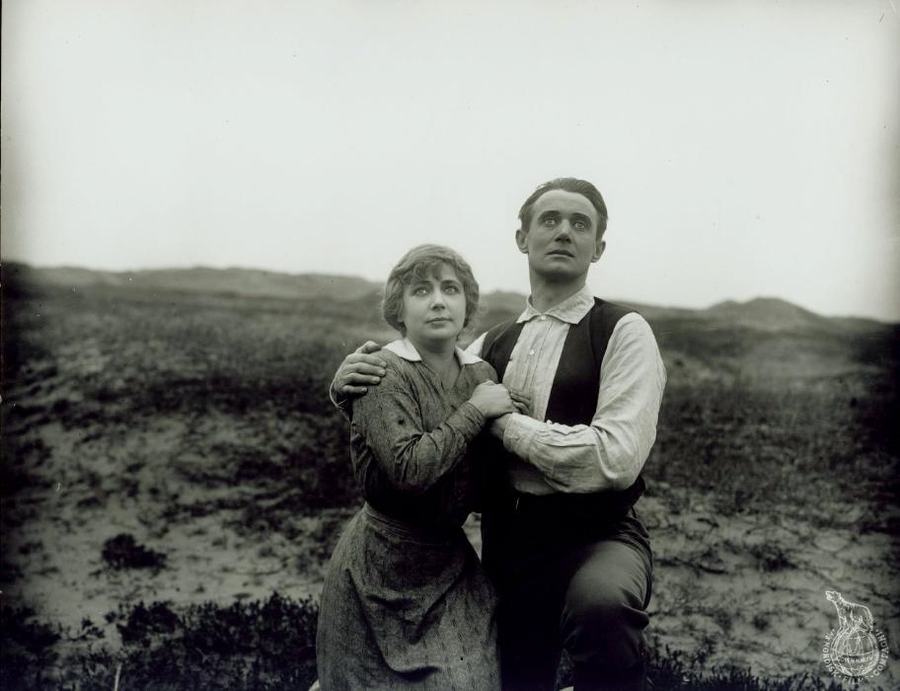
Erik Holberg’s astronomer carries the hollow gaze of a man who has computed the hour of his own autopsy. Watch the micro-twitch at the corner of his mouth when he retracts the observatory dome: the metal shutters shriek like a guillotine, and for a heartbeat he smiles, complicit in the cosmic guillotine. Carl Lauritzen’s media baron chews newsprint until his teeth tattoo black letters onto his lips—an absurdist inversion of the ink-stained wretches in The Truth Wagon (1915). Most devastating is Ebba Thomsen’s widow: she performs a stately waltz with her dead husband’s uniform jacket, dipping the empty sleeve as though the ghost still leads. When she finally flings herself into the canal, the splash is inaudible—a directorial masterstroke that makes water feel like vacuum.
Rung’s script jettisons the three-act corset. Instead, the film unfolds like a fever index: each scene is a spike on a mercury thermometer. The comet is MacGuffin and mirror; its gravitational perturbation merely externalizes the tremor already nesting in bourgeois marrow. Where Betty in Search of a Thrill (1915) chases adrenaline through cabaret hijinks, The End of the World locates adrenaline in the hush before the banker’s pistol meets his temple. Dialogue cards appear sparingly, their font corroded as if dipped in acid. One reads: "The heavens pass overhead / but the worm is in the apple." The sentence lingers onscreen long enough to burn.
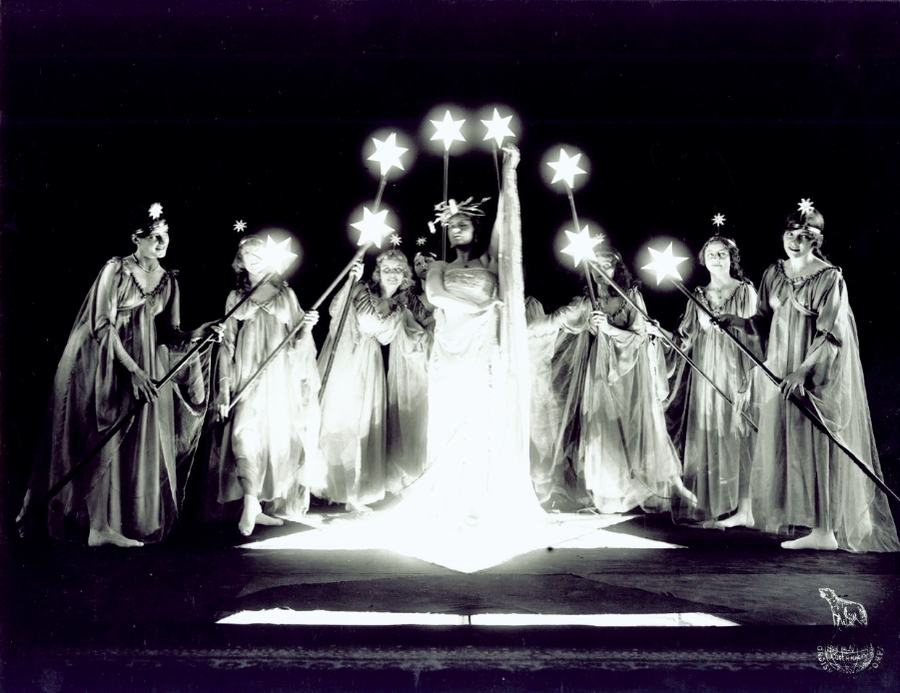
Contemporary screenings often commission a live score, but I insist on absolute hush. Only then can you hear the projector’s sprockets clatter like dice in a cup—an accidental percussive heartbeat. The absence of synchronized sound makes the viewer hyper-aware of ambient cinema: the rustle of your coat, the cough three rows back. This sensory vacuum replicates the film’s cosmology: a planet whose sonic atmosphere has been suctioned by a passing star. After the lights rise, you will taste metal on your tongue, as though you had licked a battery.
Notice how the women’s wardrobes mutate: Ebba Thomsen’s widow doffs her bombazine veil for a cavalry officer’s scarlet jacket, pockets weighted with hand grenades. K. Zimmerman’s seamstress threads her sewing machine with barbed wire, stitching a ball gown that will never grace a ballroom. The film anticipates the gendered carnage of The Goddess (1934) yet sidesteps maternal sentimentalism. These women do not clutch infants; they cradle Molotovs. Their revolt is not against patriarchy alone but against the entire inventory of social scripts that promised them permanence.
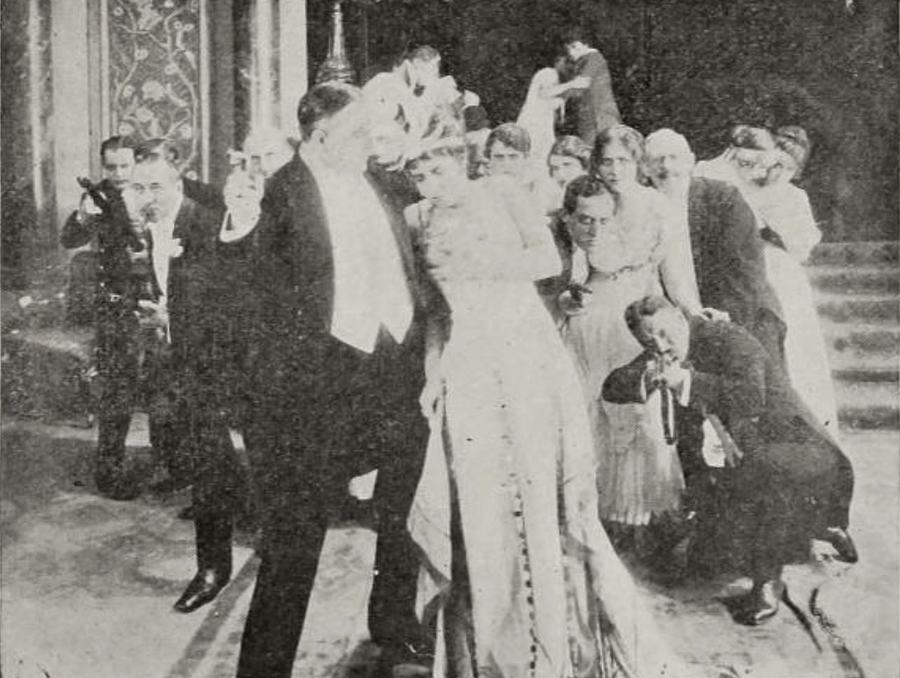
Watch the periphery: African dockworkers unload crates labeled "Coffee" that clink like glass—inside are communion chalices looted from mission churches. Moritz Bielawski’s missionary, sleeves rolled, bargains with them in broken Lingala, offering salvation in exchange for silks. The scene lasts nine seconds, but it detonates the film’s Eurocentric cocoon. The comet’s wrath is impartial, yet the hierarchy of panic remains: white bankers trample black stevedores on gangways. In this micro-lynching, the film indicts the imperial subconscious decades before post-colonial academia coined the lexicon.
Viewed today, the film’s rioters—maskless, breath commingling—evoke pandemic flash-mobs. Yet their nihilism feels almost quaint; they still believe in the physicality of paper money, in the heft of a brick. Contrast that with our intangible apocalypses: algorithmic flash-crashes, deep-fake parliaments. The comet’s arc is a fossilized dread, but its reflection is liquid-crystal. I streamed a 2K restoration on a tablet at 2 a.m.; when the comet glided across the pixel grid, I swiped to check crypto tickers. The juxtapiction was obscene—and revelatory.
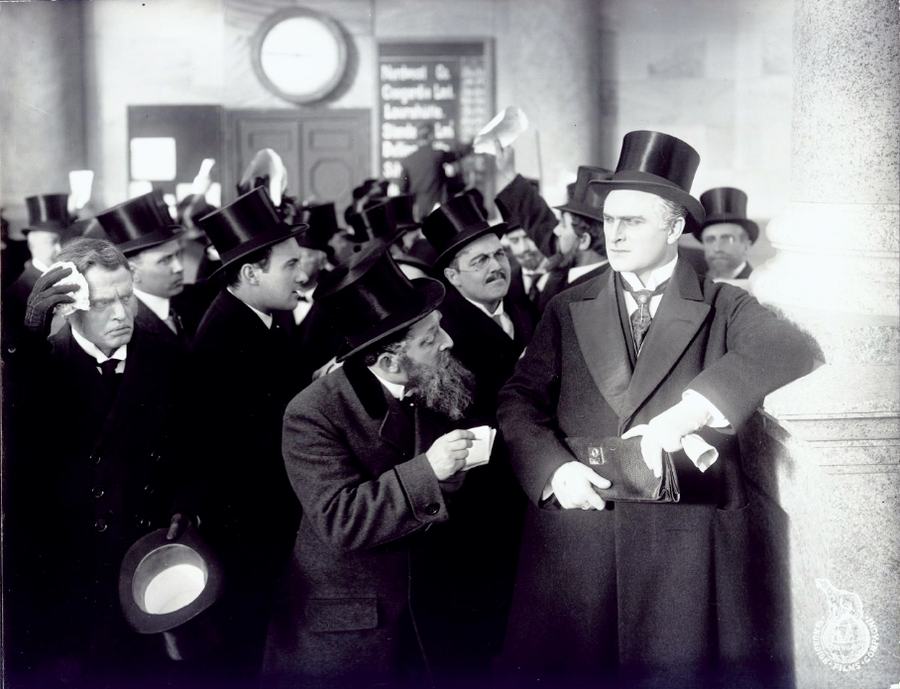
Nordic boards excised two minutes: a scene where Thorleif Lund’s silhouette mounts the marble lion outside the Stock Exchange, unbuttons his trousers, and urinates on the shield of the realm. The excised nitrate vanished in a 1943 Allied bombing. Rumor claims the urine was tinted gold—an alchemical insult to the gilded calf of finance. Even minus the scandal, the truncation palpitates: the film jumps from lion to funeral without narrative ligature. The rupture is itself apocalyptic, a splice where history gnaws its own tail.
The comet does not punish; it clarifies. In the clarified air, every institution—marriage, currency, priesthood—reveals itself as origami tigers. The astronomer’s equations dissolve into chalk dust; the priest’s Bible belches moths. The film sides with Camus before Camus published a word: the universe is indifferent, but the instant we recognize the indifference, we are free to invent meaning, even if that meaning is a bacchanal of arson. Compare this to the moral ledger of Julius Caesar (1914) where every stabbing is a syllable in a moral sentence; here, the dagger is a paintbrush.
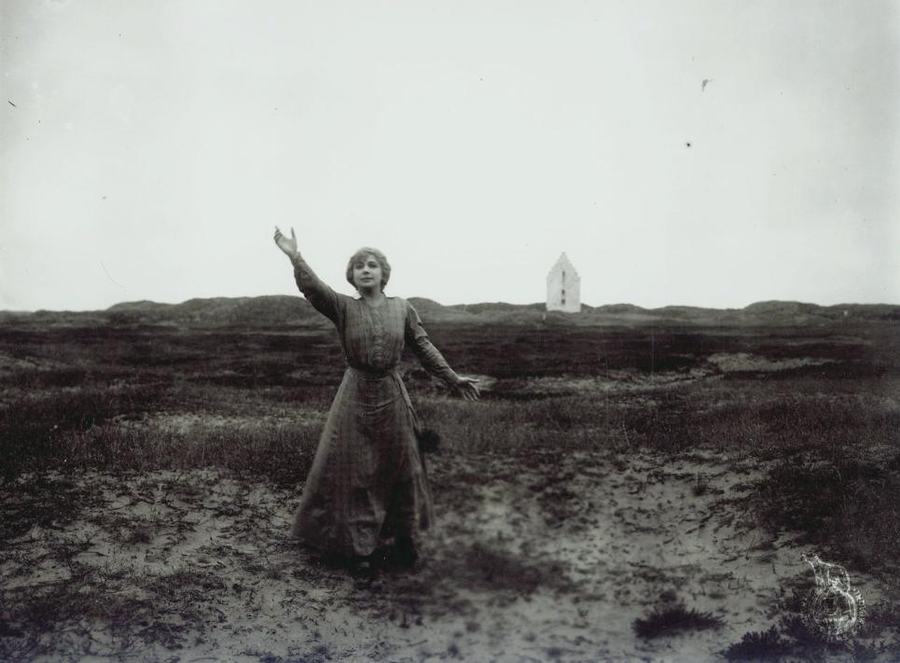
Jacobsen’s crew sprayed petrol on lenses then ignited it briefly to create scintillations—stars convulsing within the emulsion. For underwater hallucinations they submerged a salt-printed reel in brine, froze it, scraped the ice crystals with a razor, re-photographed the frame. The resulting texture resembles neural dendrites, as though the film itself contracted syphilis. Candle smoke was blown across the aperture during exposure, so night skies curdle like bruised cream. None of these tricks feel gimmicky; they serve the ontology of a world whose crust is flaking.
Fast-forward to the gasoline ballets of Mad Max or the whispering abstractions of Melancholia; both owe a blood debt to this Danish fever. Yet the descendants soften the blow with humanism—an orphaned child clutching a music box, a sermon under a blood-red sky. The End of the World offers no such sentimental anodyne. When the screen irises shut, the comet recedes, but the viewer remains suspended in a moral zero gravity. Survival is neither triumph nor tragedy; it is an epilogue scribbled on carbon paper nobody bothered to sign.
Only two 35mm prints survive: one at the Danish Film Institute, another in a private Paris vault rumored to be cursed—every projectionist who handles it divorces within a year. A 4K restoration toured arthouse circuits in 2022; if it returns, queue at dusk, seat beneath the beam. Let the dust motes orbit your head like micro-planetoids. When the comet appears, do not blink; you are paying witness to the moment cinema discovered that annihilation could be rendered as intimate as a lover’s bite.
Verdict: 9.7/10 – A nitrate hymn to entropy, still sizzling after a century.
IMDb —
1918
Community
Log in to comment.