DbcultAccessing Vault...
Cult Review
Senior Film Conservator
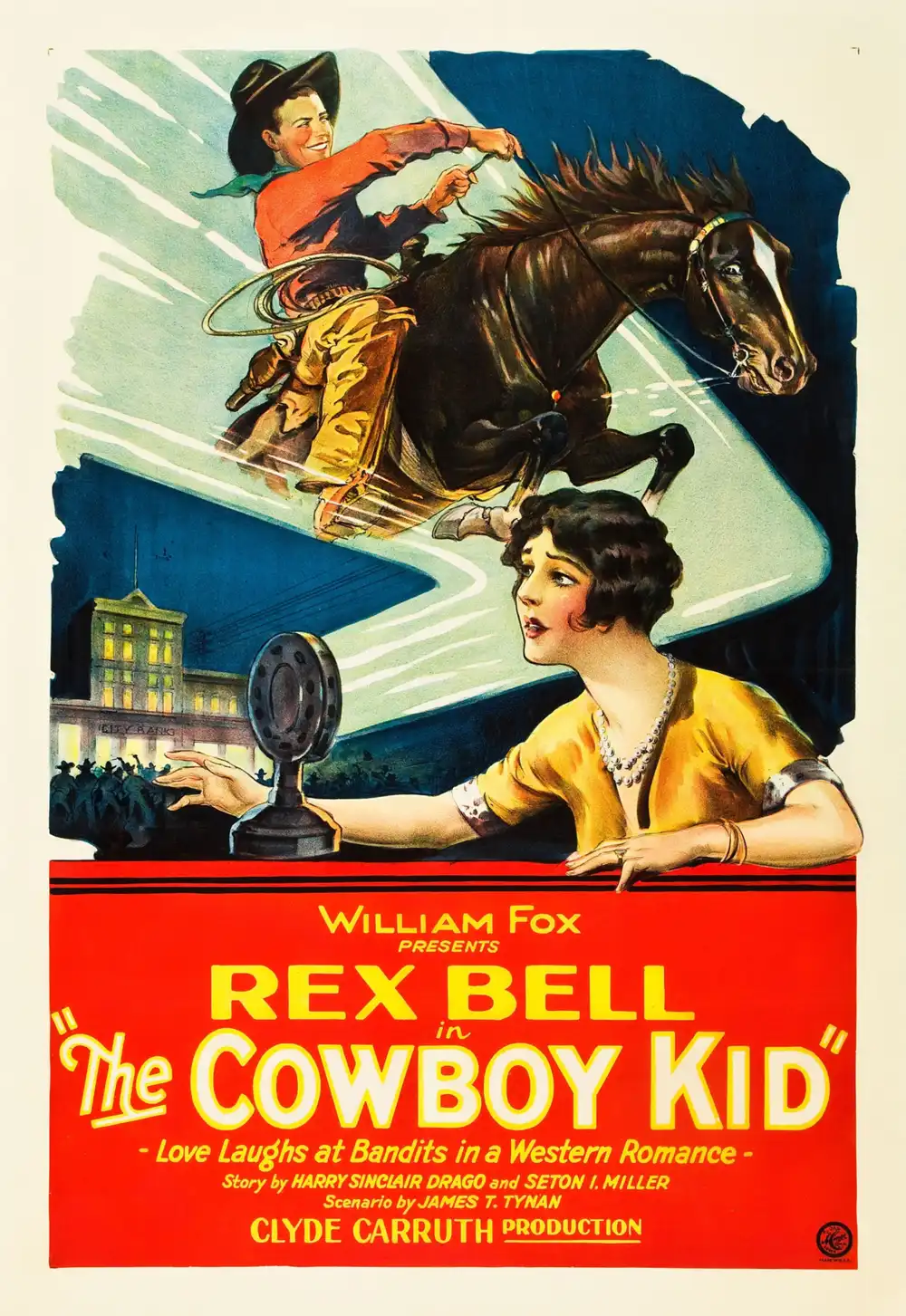
If you’re looking for a deep, soul-searching Western, keep moving. The Cowboy Kid isn’t that. It’s for people who have 50 minutes to kill and want to see how 1920s Hollywood handled a 'B' picture before the talkies arrived and messed everything up. If you hate silent slapstick, you’re going to hate about 30% of this movie.
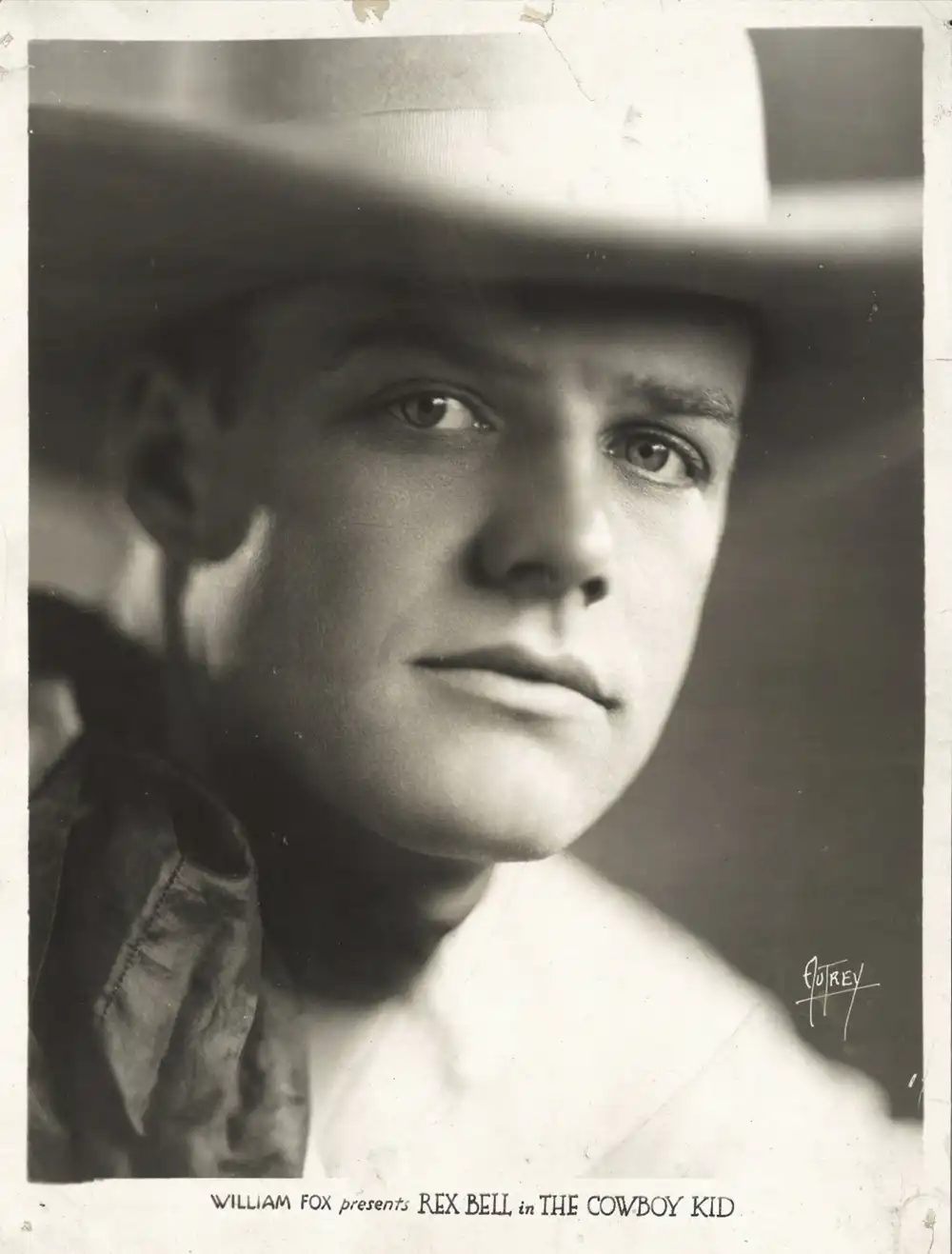
Rex Bell is the lead here. He’s got this incredibly earnest face. He spends a lot of time looking off-camera with this intense, slightly confused expression, like he’s trying to remember if he left the stove on back at the ranch. It’s charming in a weird way, but he doesn't exactly scream 'rugged lawman.' He looks more like a guy who’d help you carry your groceries. He’s got this hat that seems slightly too big for his head, and in every other shot, I was just waiting for it to fly off during a chase. It never does. That hat is the most stable thing in the film.
There’s a scene early on where he’s riding into town, and the editing is just... frantic. It’s like the editor was paid by the cut. One second he’s a mile away, the next he’s basically in the camera’s face. It gives the whole opening this jittery energy that the rest of the movie can't quite keep up with. You can see the dust kicking up in clouds that almost obscure the actors, which I actually liked. It feels like they just went out into the dirt and started filming without worrying about keeping the actors' costumes clean.
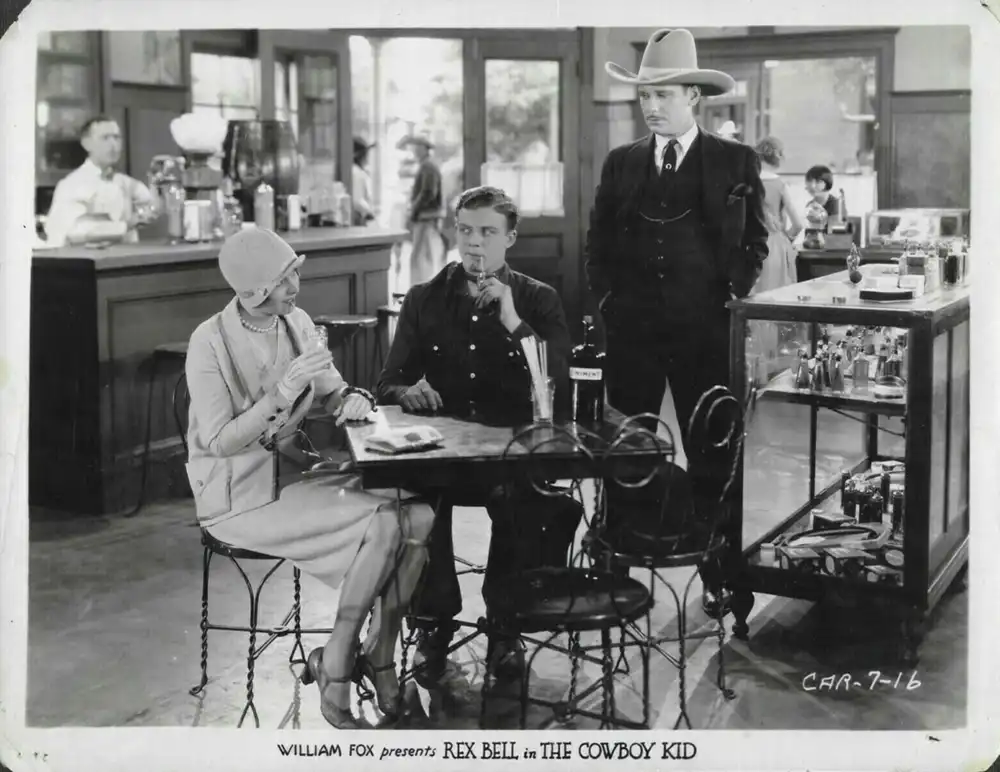
The comedy relief is handled by Syd Crossley and Billy Bletcher. Bletcher is famous for his voice in later years—he was Pete in the Disney cartoons—but here, obviously, we just get his physicality. He’s short, Crossley is tall. You know the drill. There’s a bit with a ladder and a bucket that goes on for way too long. It feels like they were filming a different movie and just wandered into this Western by mistake. It breaks the tension, but since there wasn't much tension to begin with, I guess it doesn't matter much. It’s that specific brand of 1920s humor where someone falling down is supposed to be the height of wit.
Mary Jane Temple plays the love interest. She’s fine, but the movie doesn’t give her much to do besides look worried. There’s a specific close-up of her near the end where her makeup is so thick it looks like she’s wearing a mask. It’s one of those silent film things where the lighting hits the pancake makeup and everything goes flat. It’s distracting once you notice it. Her chemistry with Bell is... polite. They look like they’d be good friends at a church social, but I didn't buy the romance for a second.
The villain, Joseph De Grasse, is doing his best. He’s got the sneer down. There’s a moment where he’s plotting in the back of a saloon and the lighting is actually pretty cool—lots of shadows, very moody. It feels like a precursor to noir, or maybe they just didn't have enough lamps that day. Either way, it’s the best the movie looks. It’s a lot more interesting than the flat, bright outdoor scenes that make up most of the runtime.
I noticed a weird background detail in the big chase scene. There’s a guy in the distance who clearly isn’t part of the production. He’s just standing there watching the horses go by. It’s the kind of thing you only catch if you’re looking for it, but it pulls you right out of the 'Old West' and reminds you this was shot in a dusty corner of California in 1928. It’s a reminder of how loose these productions were.
Compared to something like The Wolver, this feels much lighter. It doesn't have that grit. It’s more of a Saturday afternoon matinee vibe. Even The Trap had more of a punch to it in terms of actual stakes. Here, you always know Rex Bell is going to be fine because his hair stays perfectly combed even after a fistfight.
The pacing gets weird in the middle. There’s a sequence involving a letter that seems to take ten minutes to explain something that could have been a single title card. You can feel the movie stretching to hit that 50-minute mark. It’s not boring, exactly, but you start checking your watch. Then, suddenly, there’s a burst of action—stuntmen jumping off roofs and horses galloping at breakneck speeds. The stunt work is genuinely impressive. No wires, no safety mats, just guys throwing themselves into the dirt.
The ending is exactly what you think it is. There’s a fight that’s more of a wrestling match than a shootout. Rex Bell gets his shirt torn—standard procedure for a hero back then—and everyone ends up happy. It’s a bit of a shrug of an ending, but at this length, you can’t really complain. It does what it needs to do and gets out of the way.
One more thing—the titles. Some of the dialogue cards are trying way too hard to be 'Western.' Lots of 'reckon' and 'tarnation' stuff that feels like it was written by someone who had never been west of Chicago. It’s endearing, in a clunky sort of way. If you’re into the history of the genre, it’s worth a look just to see the transition point where Westerns were starting to become more about the 'show' and less about the 'frontier.'
IMDb —
1921
Community
Log in to comment.