DbcultAccessing Vault...
4.3/10
Senior Film Conservator
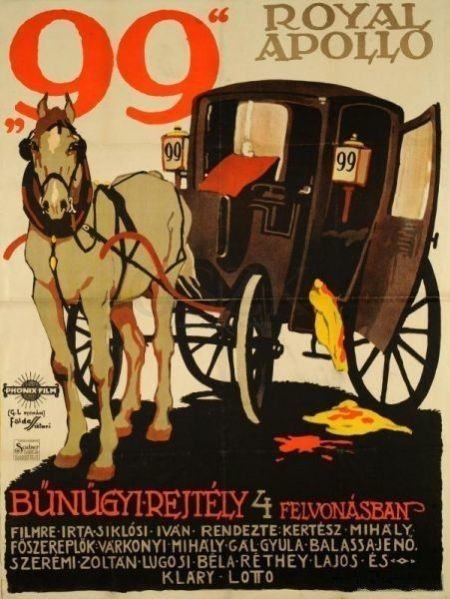
A definitive 4.3/10 rating for a film that redefined the boundaries of cult cinema. 99 remains a cornerstone of transgressive art.
There are films that whisper through the annals of cinematic history, and then there are those that shout, demanding immediate recognition. And then, there's a rare third category: the quiet, haunting echoes that resonate long after the final frame, challenging us to listen closer, to discern the faint yet profound melodies they continue to play. '99' belongs unequivocally to this latter, more enigmatic cohort. Often overlooked in the grand tapestry of early 20th-century filmmaking, this Hungarian-American co-production, driven by the imaginative pens of R.F. Foster and Iván Siklósi, presents a narrative so intricately woven, so psychologically astute, that its relative obscurity feels like a genuine cinematic injustice. It is a film that doesn't merely tell a story; it constructs an entire world of shadows, secrets, and the relentless pursuit of an elusive truth.
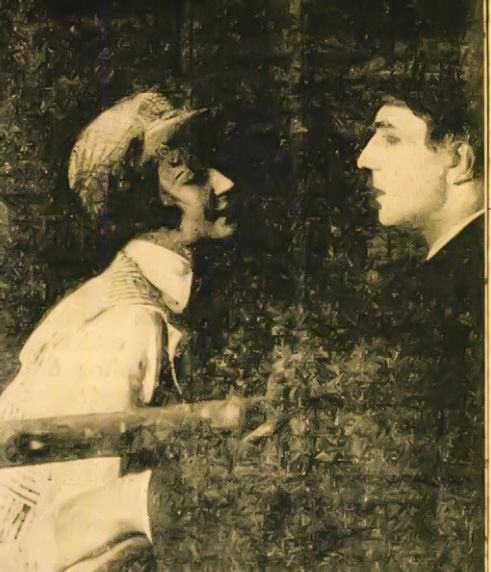
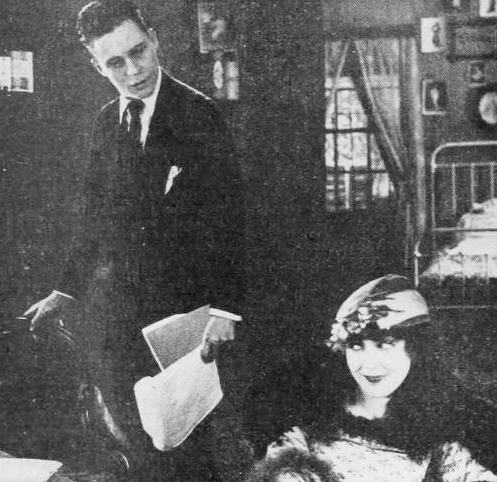
From its opening moments, '99' plunges the viewer into a maelstrom of intrigue, introducing us to a cityscape teeming with clandestine dealings and whispers of an impending societal unraveling. At the heart of this brewing storm is Éva, portrayed with a compelling blend of vulnerability and steely resolve by the remarkable Claire Lotto. Her character is not merely a pawn in a larger game but a complex individual whose every decision is fraught with moral ambiguity. Éva exists within the suffocating embrace of a powerful, shadowy syndicate, her very existence dictated by their machinations. Lotto imbues Éva with an almost ethereal quality, a silent strength that belies her seemingly fragile exterior. Her performance is a masterclass in non-verbal communication, conveying a spectrum of emotions – fear, defiance, longing – through subtle glances and restrained gestures, a feat particularly impactful in the silent era where such nuance was paramount.
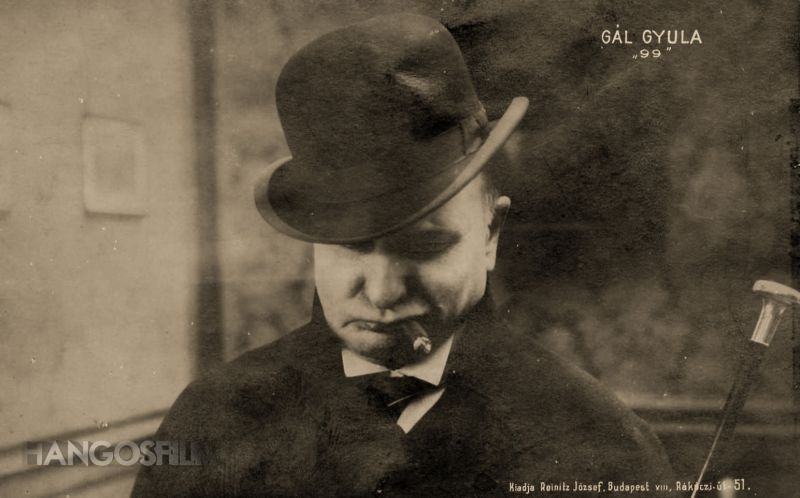
Her world collides violently with that of Inspector Kovács, brought to life by Lajos Réthey. Réthey, with his brooding intensity and piercing gaze, crafts a character who is both a steadfast pillar of justice and a man deeply scarred by past failures. Kovács is not merely chasing criminals; he is pursuing redemption, a personal quest that lends an added layer of gravitas to the film's already dense narrative. The dynamic between Éva and Kovács is the film's emotional fulcrum: a precarious dance of suspicion and reluctant admiration, where the lines between hunter and hunted blur with captivating fluidity. Their interactions are charged with an unspoken tension, a palpable sense that their fates are inextricably linked, even as their allegiances pull them in opposing directions.
No discussion of '99' would be complete without revering the magnetic, terrifying presence of Bela Lugosi as Baron Von Zandt. Even in these early stages of his illustrious career, Lugosi's capacity for projecting an aura of sophisticated malevolence is astonishingly evident. Von Zandt is not a brute, but a calculating intellect, a spider at the center of a vast, intricate web. Lugosi’s performance is a study in controlled menace; his gestures are precise, his eyes convey volumes of sinister intent, and his very stillness is more unsettling than any overt display of aggression. He elevates the character beyond a mere villain, transforming him into a force of nature, an embodiment of the insidious corruption that gnaws at the edges of society. His scenes are imbued with a palpable tension, often silent, yet screaming with unspoken threats and psychological warfare. This early showcase of his talent provides a fascinating precursor to the iconic roles that would define his legacy, demonstrating an innate understanding of how to command the screen with sheer presence alone. One might even draw parallels to the subtle, psychological terror found in The Devil, where moral corruption is personified with a chilling, almost aristocratic charm, a characteristic Lugosi masters here with chilling precision.
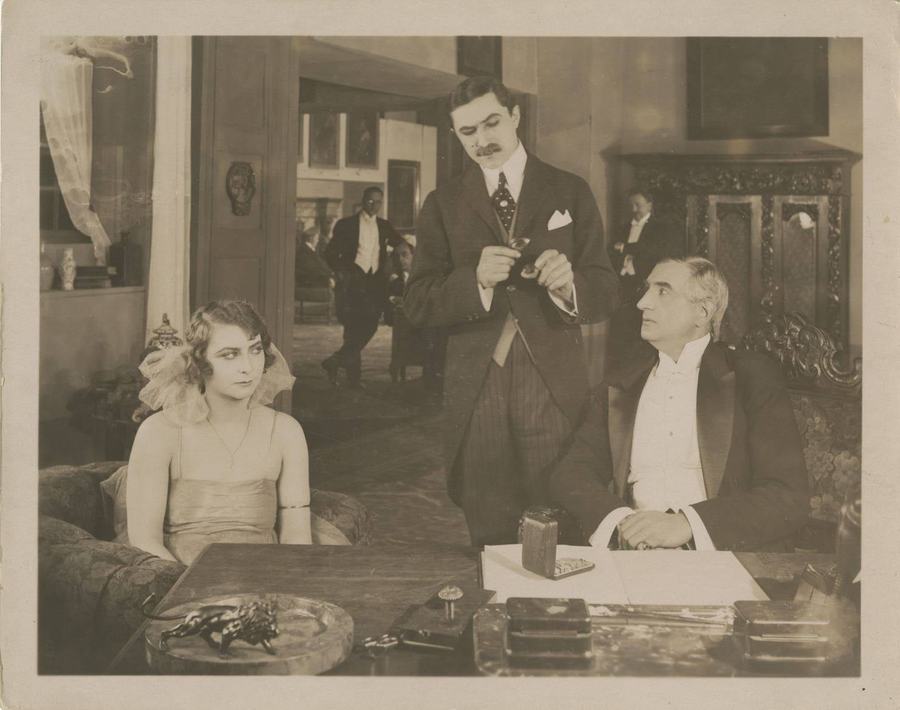
The supporting cast, while perhaps less central, contributes significantly to the film's rich texture. Zoltán Szerémy, László Z. Molnár, and Gyula Gál populate the underworld with a gallery of memorable rogues and compromised figures, each adding a brushstroke to the canvas of urban decay and moral compromise. Victor Varconi, though in a more minor role, brings a certain gravitas, hinting at a deeper character arc that one wishes had been more fully explored. Even Jenö Balassa and Oly Spolarits, in their brief appearances, leave an indelible mark, demonstrating the film's commitment to a fully realized world, populated by individuals who feel authentic rather than mere plot devices.
The plot, co-written by Foster and Siklósi, is a marvel of intricate construction. It’s a narrative that respects the audience's intelligence, unfolding its secrets with deliberate pace and tantalizing hints. The '99' of the title, initially a cryptic numerical designation, slowly reveals itself to be a crucial element – perhaps a coded message, a person, or a device of unimaginable power – that everyone is desperately seeking. This central mystery acts as a powerful gravitational force, pulling all characters into its orbit and forcing them to confront their deepest fears and desires. The screenwriters masterfully employ red herrings and sudden reversals of fortune, ensuring that the audience remains perpetually on the edge of their seats, second-guessing every twist and turn. The pacing is relentless, yet never rushed, allowing moments of quiet reflection to punctuate the escalating tension. It’s a testament to the script's strength that, despite its complexity, it never loses its emotional core, always grounding the grand machinations in the very human struggles of its characters.
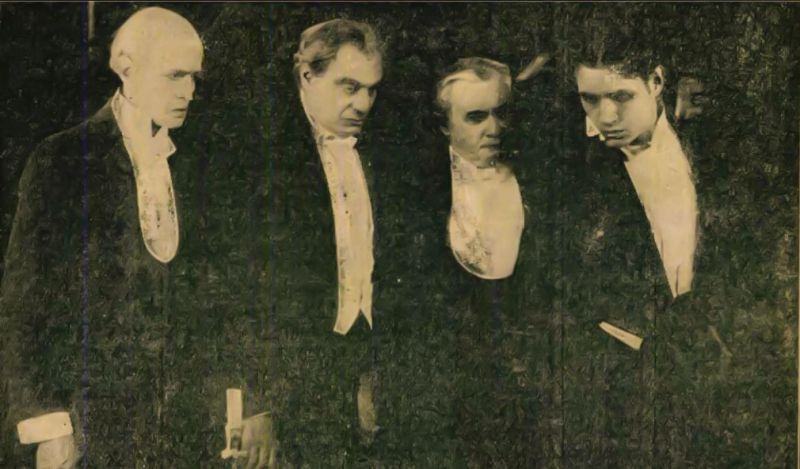
The film’s thematic depth is particularly striking. '99' explores the corrosive nature of obsession, the blurred lines between good and evil, and the enduring human capacity for both betrayal and sacrifice. It delves into the psychological landscape of its characters, exposing their vulnerabilities and their desperate attempts to maintain agency in a world that constantly threatens to overwhelm them. The narrative questions the very definition of justice, suggesting that its pursuit can sometimes lead to a moral quagmire as treacherous as the crimes it seeks to punish. In this regard, it shares a spiritual kinship with literary works like Dostoevsky's Crime and Punishment, where the internal torment of the protagonist is as central as the external plot, creating a rich tapestry of moral and psychological inquiry.
While specific directorial credits for '99' are often debated or lost to time, the visual language of the film speaks volumes about a guiding hand with a keen understanding of cinematic expression. The cinematography, even when viewed through the lens of early film technology, is remarkably sophisticated. It utilizes stark contrasts of light and shadow, creating an atmosphere that is at once ominous and alluring. The urban landscapes are rendered with a sense of oppressive grandeur, the towering buildings and labyrinthine alleys becoming characters in themselves, reflecting the psychological states of the protagonists. The use of close-ups is particularly effective, drawing the audience into the intimate torment of Éva and the calculating coldness of Von Zandt. The set designs, though perhaps constrained by budget, are ingeniously crafted to evoke a sense of period authenticity and narrative tension, whether it's the opulent, yet sinister, lair of Baron Von Zandt or the grimy, desperate corners of the city where secrets are traded.
The editing is sharp and purposeful, maintaining a brisk pace that propels the story forward without sacrificing clarity. Each cut feels deliberate, serving to heighten suspense or reveal a crucial piece of information. There's a particular sequence, a chase across rooftops, that showcases a remarkable fluidity of movement and a palpable sense of danger, rivaling the dynamism seen in adventure serials of the era like A Modern Musketeer, yet infused with a darker, more desperate undertone. The direction consistently demonstrates an understanding of how to leverage the visual medium to convey complex emotions and intricate plot points, a true hallmark of masterful silent filmmaking. It’s a vision that embraces the theatricality inherent in the early cinematic form, yet pushes it towards a more naturalistic and emotionally resonant style, setting it apart from more melodramatic contemporaries like Judith of Bethulia, which often leaned into grander, more operatic gestures.
'99' stands as a testament to the innovative spirit of early cinema, a film that dared to tackle complex themes and intricate narratives long before such sophistication became commonplace. Its influence, though perhaps not widely acknowledged due to its relative obscurity, can be felt in the subsequent development of the espionage thriller and the psychological drama. One could argue that its blend of urban decay, moral ambiguity, and relentless pursuit laid some of the groundwork for the film noir genre that would flourish decades later. The film’s exploration of a secret society and its far-reaching influence also echoes the grand, conspiratorial narratives found in films like The Pearl of the Antilles, though '99' grounds its conspiracy in a more immediate, visceral threat.
The journey of rediscovering '99' is akin to unearthing a forgotten treasure. Its meticulous plot construction, compelling characterizations, and atmospheric visuals make it a film that not only holds up remarkably well but also continues to offer new insights with each viewing. It challenges the conventional wisdom about the limitations of early cinema, proving that even without synchronized sound, filmmakers were capable of crafting profoundly impactful and intellectually stimulating narratives. For enthusiasts of cinematic history, '99' offers a rare glimpse into a period of immense creativity and experimentation, a time when the language of film was still being forged, yet already capable of speaking volumes.
Comparing it to other films of its era, '99' distinguishes itself through its relentless focus on psychological tension rather than overt action, though it certainly has its share of thrilling sequences. While films like The Lone Star Rush might have offered grander spectacles of adventure, '99' delivers a more insidious, brain-teasing kind of excitement. It's a film that lingers in the mind, prompting reflection on the nature of power, control, and the often-invisible forces that shape human destiny. Its ability to create such a profound impact with the relatively nascent tools of early cinema is nothing short of remarkable. Even the more fantastical elements, if present, would be grounded in a compelling human drama, unlike the whimsical allegories of The Patchwork Girl of Oz, which operated on an entirely different plane of storytelling.
In conclusion, '99' is far more than just a historical artifact; it is a vibrant, pulsating piece of cinema that deserves a prominent place in any serious discussion of early film. Its narrative complexity, the depth of its characters, and the sheer artistry of its execution combine to create an experience that transcends its historical context. It is a film that demands to be seen, studied, and celebrated, offering a powerful reminder of the enduring magic of storytelling through the moving image. It's a journey into a past cinematic landscape, yet its themes and its artistry remain startlingly relevant, a true testament to its timeless quality. To ignore '99' is to miss a crucial piece of the puzzle that is cinema's rich and multifaceted heritage.
IMDb —
1918
Community
Log in to comment.