DbcultAccessing Vault...
Cult Review
Senior Film Conservator
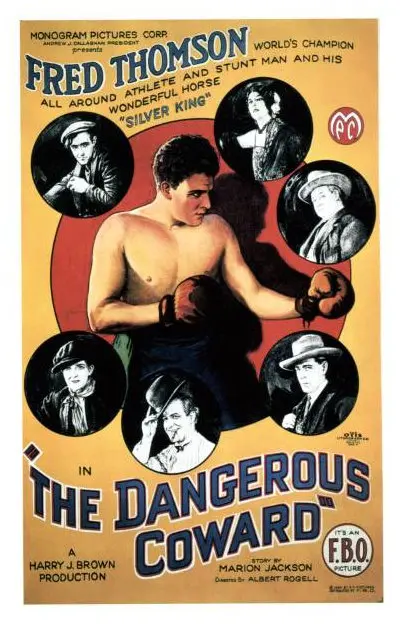
The cinematic landscape of the early 20th century often grappled with themes of personal struggle and the labyrinthine paths to redemption, and "The Dangerous Coward" emerges as a particularly compelling artifact from this rich epoch. This silent film, a potent blend of pugilistic drama and psychological introspection, transcends its era to deliver a timeless narrative about the crushing burden of guilt and the elusive nature of truth. It's a testament to the power of visual storytelling that, even without spoken dialogue, the emotional intensity and the profound internal conflict of its protagonist resonate so deeply with contemporary audiences.
At its core, the film meticulously charts the trajectory of The Lightning Kid, a boxer whose very moniker suggests an explosive prowess, yet whose internal world is anything but electrifying. Portrayed with remarkable nuance by David Kirby, the Kid's story begins in the crucible of the boxing ring, an arena of both triumph and potential tragedy. The initial sequences establish him as a formidable force, a pugilist whose strikes carry the weight of destiny. However, it is during a pivotal match against an opponent known only as The Weazel (Al Kaufman) that the film's true dramatic engine ignites. A blow, seemingly catastrophic, leaves The Weazel incapacitated, leading The Lightning Kid to a chilling and immediate conviction: he has crippled his adversary. This single, devastating thought acts as an anvil dropped upon his soul, shattering his resolve and forever altering his path.
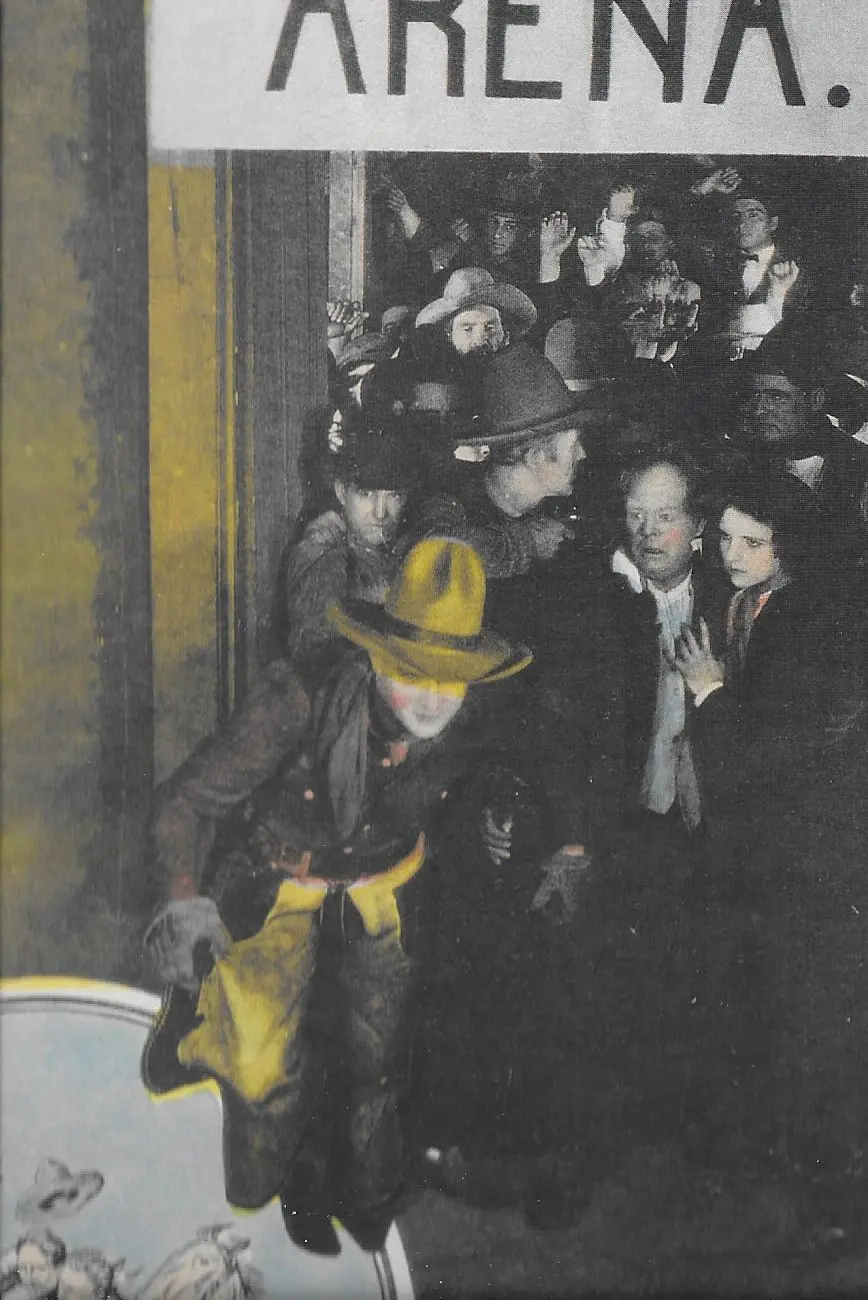
The immediate aftermath of this perceived catastrophe is depicted with an almost palpable sense of dread. Kirby's performance here is masterful, conveying a profound and instantaneous revulsion for the sport that had once defined him. The Kid doesn't merely exit the ring; he flees it, abandoning his identity and his career in a desperate attempt to outrun the shadow of his actions. This self-imposed exile is not just physical; it's a complete psychological metamorphosis. He sheds the flashy persona of The Lightning Kid, adopting the anodyne name of Bob Trent, a deliberate choice to become unremarkable, to blend into the background, to escape the very essence of who he once was. His vow to never box again is less a promise and more a desperate plea to himself, a desperate hope to sever all ties with the violent past that haunts his every waking moment.
Marion Jackson's screenplay, a marvel of concise yet evocative narrative, guides us through this profound transformation with a keen understanding of human psychology. The narrative doesn't dwell on the boxing world for long; instead, it swiftly transitions to Bob Trent's new existence, one deliberately chosen for its stark contrast to his former life. This is where the brilliant casting of Fred Thomson and his magnificent equine companion, Silver King the Horse, becomes not just a supporting element but a pivotal thematic device. Thomson, a celebrated cowboy star of the era, brings an authentic ruggedness to the proceedings, suggesting that Bob Trent's new life is one of ranching, horsemanship, and the expansive, cleansing honesty of the American West. The juxtaposition of the claustrophobic, brutal boxing ring with the open, seemingly innocuous landscapes of the frontier perfectly illustrates Trent's yearning for a clean slate, a life untainted by his past.
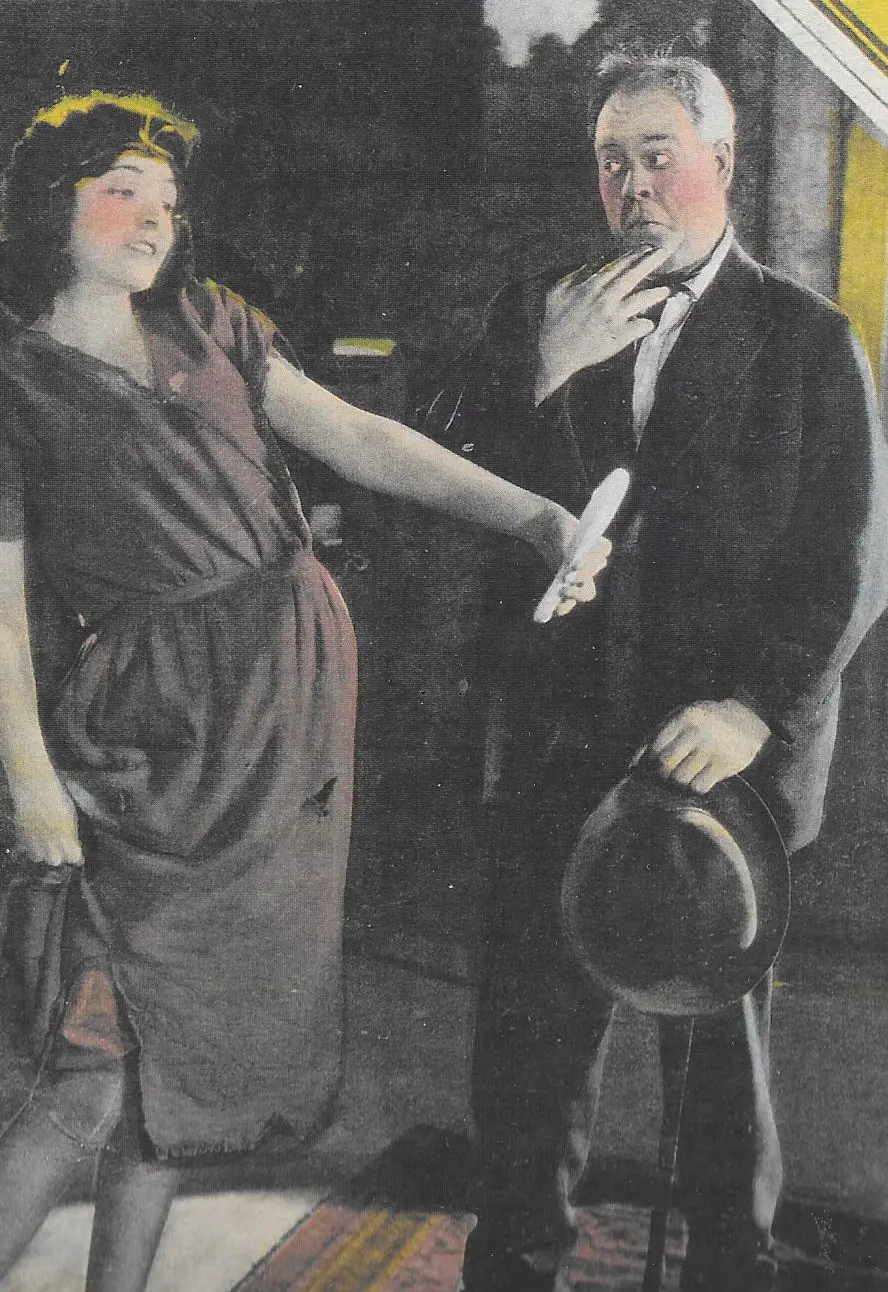
In this new world, Bob Trent finds a measure of peace, but it is a fragile, conditional peace, constantly threatened by the specter of his guilt. He lives under a self-imposed penance, his interactions perhaps tinged with a quiet melancholy that only those who carry a heavy secret can truly understand. The presence of Silver King, a creature of loyalty and unjudgmental companionship, likely offers Trent a unique form of solace, a connection that transcends words and echoes the silent torment he endures. The film subtly explores how this new environment, far removed from the urban grit of the boxing circuit, allows him to cultivate a different kind of strength, one rooted in resilience and introspection rather than brute force.
However, the past, as is often the case in compelling dramas, is never truly buried. The narrative takes a dramatic turn when Trent gradually begins to 'fight out' that his perceptions of the fateful match were entirely skewed. This revelation isn't delivered as a sudden, jarring exposition dump; rather, it's a slow, agonizing unraveling, a piecemeal discovery that forces Trent to re-evaluate everything he thought he knew. This slow burn of discovery is a particular strength of Jackson's writing, building suspense and emotional tension as Trent's carefully constructed reality begins to crumble. The profound sense of betrayal and the unmasking of a carefully constructed lie resonate with the intricate deceptions found in a film like The Secret of the Swamp, where hidden truths simmer beneath a tranquil surface, eventually erupting to redefine reality for its characters.
The truth, when it finally emerges, is not merely a factual correction; it's a moral earthquake. The realization that The Weazel'
IMDb —
1915
Community
Log in to comment.