DbcultAccessing Vault...
Cult Review
Senior Film Conservator
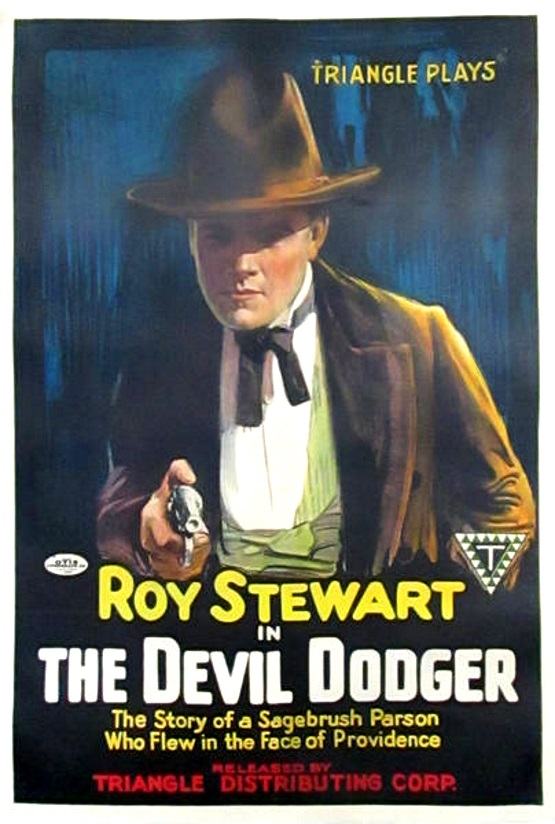
Step into the dusty, sun-baked annals of early American cinema, and you'll encounter a captivating anomaly: 1917's 'The Devil Dodger.' Penned by J.G. Hawks, this silent Western transcends the typical heroics of the genre, offering instead a protagonist who is both spiritual guide and formidable enforcer. It's a film that dares to ask what happens when the cloth meets the calloused hand of frontier justice, when the sermon is punctuated not just by 'amens' but by the crack of a pistol. In an era often romanticized for its stark dualities, 'The Devil Dodger' presents a nuanced, almost jarring, fusion of roles that challenges our preconceived notions of piety and power.
At the heart of 'The Devil Dodger' is a character so compellingly contradictory, he feels plucked from the grandest traditions of epic literature. John Lince portrays a circuit-riding, sagebrush parson, a man ostensibly dedicated to the word of God, yet one who brandishes firearms with an efficacy that would make any hardened outlaw pause. This isn't a man who turns the other cheek; he's a man who ensures justice is served, often by his own hand, with a forceful conviction that borders on the divine mandate. His very existence is a walking, talking paradox, a testament to the idea that in certain untamed landscapes, spiritual salvation might sometimes necessitate a more immediate, physical intervention. The film doesn't shy away from this duality; it embraces it, making it the very engine of its narrative drive. Lince's portrayal, even through the expressive exaggerations characteristic of silent film, conveys a gravitas and an internal struggle that elevates the character beyond mere caricature. He's not just a man of faith; he's a man of action, and the two roles are not merely coexistent but symbiotic.
This parson's journey is one of relentless moral navigation through a wilderness both geographical and ethical. He 'flies in the face of providence with both guns blazing,' a phrase that encapsulates the film's audacious spirit. It suggests a rejection of passive acceptance, an active defiance against the notion that fate alone will rectify wrongs. Instead, our protagonist takes up the mantle of an earthly arbiter, a divine instrument wielding human tools. This proactive stance is what makes 'The Devil Dodger' so much more than a simple Western; it's a profound rumination on the nature of justice, the limits of faith, and the inherent violence required to carve out civilization from chaos. It's a testament to the idea that sometimes, to truly fight the devil, one must be willing to get a little dirty, to step outside the conventional boundaries of spiritual warfare.
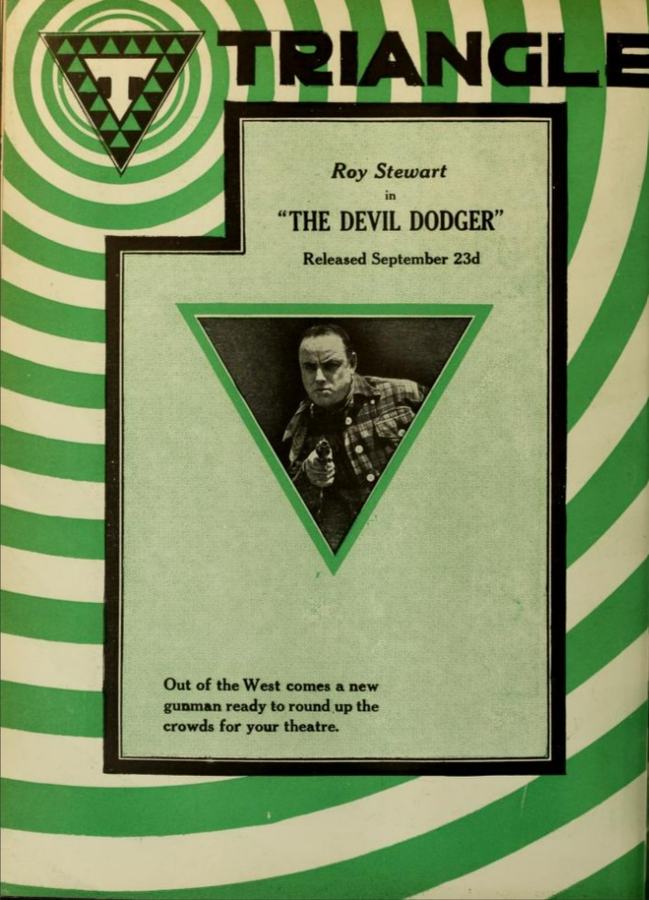
The sagebrush country, a character in itself, provides the perfect, unforgiving backdrop for this moral drama. Its vast, arid expanse is not merely scenery; it's a metaphor for the spiritual and ethical desolation that often plagued the American frontier. The cinematography, even in its nascent form, would have worked to convey the isolation and the sheer scale of the challenges faced by those attempting to bring order to such a wild land. This is a world where principles are tested, where survival often trumps dogma, and where the line between right and wrong can blur under the harsh glare of the Western sun. The stark landscapes, likely captured with a pioneering spirit similar to other early adventure films, would have amplified the struggles of the characters. One can imagine the sweeping vistas, the dusty trails, and the ramshackle settlements that defined this era, all contributing to a palpable sense of danger and opportunity.
The visual storytelling, a cornerstone of silent cinema, would have been crucial in establishing this atmosphere. Intertitles, carefully crafted by J.G. Hawks, would have filled in the narrative gaps, providing insights into the parson's motivations and the moral complexities of his actions. Unlike the more fantastical elements seen in a film like Rübezahls Hochzeit, 'The Devil Dodger' grounds itself in a raw, almost veristic portrayal of frontier life, albeit with a heightened sense of dramatic flair. The environment itself dictates the terms of engagement, forcing the parson to adapt his spiritual mission to the brutal realities of his surroundings.
John Lince's central performance as the eponymous Devil Dodger is, without question, the linchpin of the film. His ability to convey both devout conviction and steely resolve through facial expressions and body language would have been paramount. In silent cinema, the actor's face becomes the primary conduit for emotion and intent, and Lince, by all accounts, rises to this challenge. He embodies a character who must inspire fear in his enemies and faith in his flock, often simultaneously. His presence alone suggests a man burdened by his calling yet empowered by his conviction, a figure of formidable moral authority despite his unconventional methods.
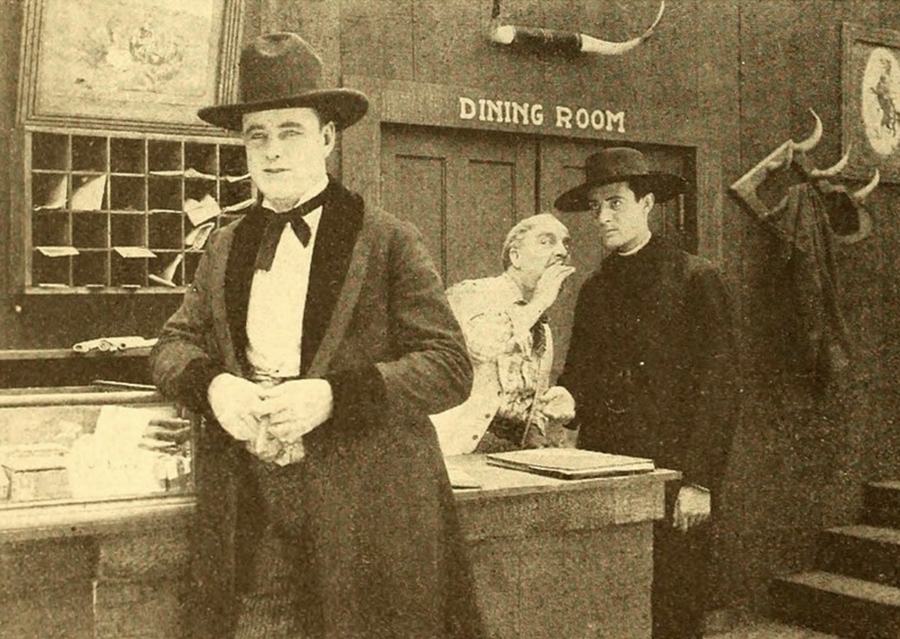
The supporting cast, featuring names like John Gilbert, George Willis, Belle Bennett, and Anna Dodge, would have contributed to the rich tapestry of frontier life. While specific details of their roles might be lost to the mists of time for many, their collective presence would have provided the necessary contrast and conflict for Lince's character to truly shine. One can imagine Belle Bennett, perhaps playing a damsel in distress or a strong-willed pioneer woman, providing a focal point for the parson's protective instincts. John Gilbert, even in these early stages of his career, would likely have brought a certain youthful dynamism or perhaps a villainous charm, creating a compelling foil. The ensemble's collective efforts would have been crucial in painting a vivid picture of the community the parson serves and protects, much like the intricate character dynamics that drive the tension in a film like Souls in Bondage.
'The Devil Dodger' delves deep into the perennial themes of good versus evil, but it complicates them with a heavy dose of pragmatism. The film doesn't present a simplistic dichotomy; instead, it explores the grey areas where righteous anger meets unholy violence. Is it still divine justice if enacted with a bullet? This question, central to the narrative, resonates even today, challenging our understanding of morality in extreme circumstances. The parson's actions, while perhaps shocking to a strictly pious sensibility, are presented as necessary evils, the only language understood by the lawless elements he confronts.
The narrative arc likely involves elements of personal redemption, not just for the parson's flock but perhaps for the parson himself, as he grapples with the moral compromises inherent in his chosen path. It's a story of a man who, by embracing the very tools of destruction, seeks to build a foundation for peace and order. This thematic richness is what elevates 'The Devil Dodger' beyond a mere action-adventure, placing it in a lineage of films that explore complex human nature, much like the intricate moral quandaries presented in The Woman or Humanity. It's a testament to the enduring power of narrative to explore the nuances of human experience, even in the absence of spoken dialogue.
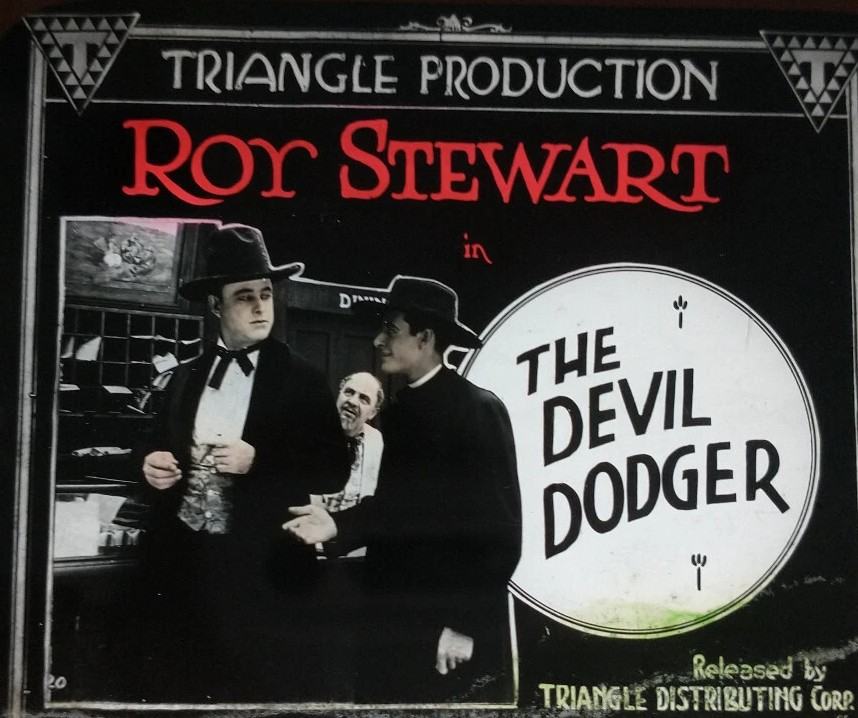
In the burgeoning landscape of early cinema, 'The Devil Dodger' would have stood out for its audacious premise and its compelling central character. It contributed to the evolving lexicon of the Western genre, adding a layer of moral complexity that would be explored in countless films to come. Its influence, though perhaps subtle, can be seen in the archetype of the 'fighting preacher' or the 'man of God with a gun,' a trope that has permeated popular culture for over a century. The film, like many of its contemporaries such as The Beloved Adventurer or Escaped from Siberia, showcases the early cinema's fascination with heroic figures confronting overwhelming odds, but 'The Devil Dodger' imbues its hero with a unique spiritual dimension.
The craft of filmmaking in 1917 was still in its infancy, yet films like 'The Devil Dodger' demonstrated an incredible capacity for storytelling and character development. The pacing, the editing, and the use of intertitles all served to build suspense and convey emotion without the benefit of sound. One can appreciate the ingenuity required to tell such a dynamic story purely through visual means. This film, alongside others like The Great Ruby or The Mystery of St. Martin's Bridge, exemplifies the inventive spirit of early filmmakers who were constantly pushing the boundaries of what was possible on screen. These pioneers laid the groundwork for the cinematic language we understand today, proving that compelling narratives transcend technological limitations.
Beyond its genre trappings, 'The Devil Dodger' offers a fascinating commentary on the nature of justice itself. In a world devoid of established legal frameworks, where raw power often dictated outcomes, the parson's actions represent a form of vigilante justice, albeit one cloaked in spiritual imperative. This isn't merely about good guys versus bad guys; it's about the creation of order from chaos, the imposition of a moral code where none explicitly exists. The film implicitly asks: what measures are permissible when all other avenues fail? How far can one go in the name of righteousness before becoming indistinguishable from the very evil one combats?
The boldness of this premise, especially for its time, cannot be overstated. It challenges the passive role traditionally associated with religious figures, transforming the parson into an active agent of change, a force of nature as untamed as the landscape he inhabits. This proactive heroism resonates with the spirit of other early films like For a Woman's Fair Name or Armstrong's Wife, where strong characters often defied societal expectations to achieve their goals. The legacy of 'The Devil Dodger' lies not just in its thrilling action, but in its profound exploration of these enduring questions, making it a film ripe for rediscovery and re-evaluation by modern audiences.
What makes 'The Devil Dodger' continue to captivate, even a century later, is its embrace of the unconventional hero. In an age saturated with predictable narratives, the figure of a gun-slinging parson remains fresh and thought-provoking. He is a testament to the idea that heroism manifests in myriad forms, sometimes in robes, sometimes with holsters, and sometimes with both. The film's message, subtle yet potent, is that true conviction often demands uncomfortable choices, and that faith, in its purest form, might necessitate a willingness to fight for what is right, even if it means blurring the lines between the sacred and the profane.
The dynamism of the early Western genre, exemplified by films such as The Pretty Sister of Jose or The Innocent Sinner, often relied on compelling characters and clear-cut moralities. 'The Devil Dodger' takes this a step further, injecting a moral ambiguity that enriches its narrative without sacrificing its entertainment value. It's a film that speaks to the enduring human fascination with figures who defy easy categorization, who operate on their own terms, guided by an internal compass that points towards a justice that is both earthly and divine. This blend of spiritual quest and earthly conflict makes 'The Devil Dodger' a standout work from the golden age of silent cinema, a compelling narrative that continues to resonate with its audacious vision of a faith that knows no bounds, even those of conventional piety.
IMDb 5.6
1933
Community
Log in to comment.