DbcultAccessing Vault...
7/10
Senior Film Conservator
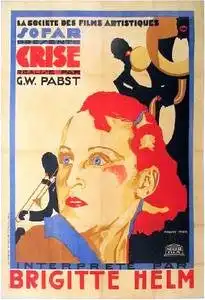
A definitive 7/10 rating for a film that redefined the boundaries of cult cinema. The Devious Path remains a cornerstone of transgressive art.
For devotees of Weimar cinema and silent film, G.W. Pabst's The Devious Path (1928) remains a compelling, if occasionally uneven, artifact. Starring a magnetic Brigitte Helm, this exploration of a neglected wife's descent into Berlin's hedonistic nightlife offers a fascinating window into late-1920s German anxieties and freedoms. Modern audiences accustomed to rapid pacing might find its deliberate rhythm a challenge, and those seeking a straightforward moralistic tale could be surprised by its nuanced, sometimes ambiguous, characterizations. But for those willing to engage with its visual storytelling and historical context, it’s absolutely worth a viewing today, especially to witness Helm's captivating performance and Pabst's understated direction.
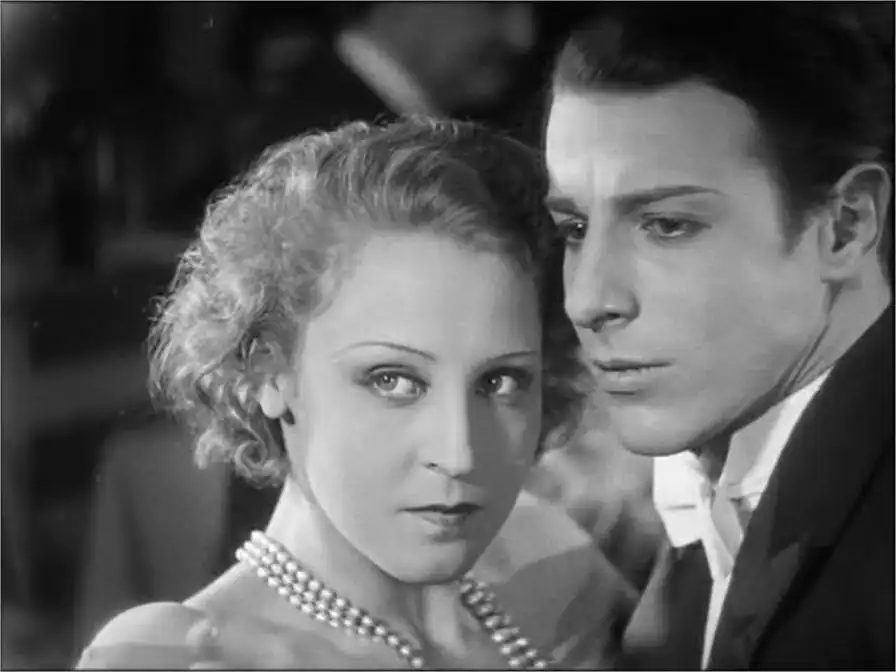
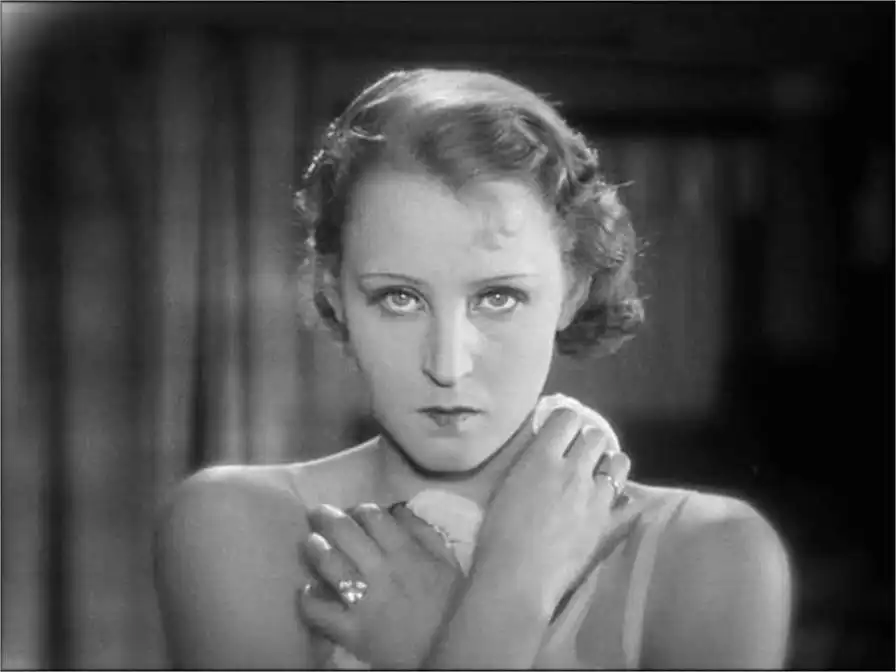
Brigitte Helm, fresh off her iconic turn in Metropolis, anchors The Devious Path with a performance that is both restrained and explosive. As Irene, the neglected wife of a busy lawyer, Fred (Gustav Diessl), Helm conveys boredom and simmering frustration with remarkable subtlety. Watch her in the early scenes: the way she idly traces patterns on a tablecloth, or the almost imperceptible sigh as her husband dismisses her for his work. It’s not an overt display of unhappiness, but a quiet, internal one that draws you in. When she finally steps into the dazzling, dangerous world of Berlin's nightlife, Helm transforms. Her posture shifts, her gaze becomes bolder, and a mischievous glint enters her eyes. It’s a physical manifestation of liberation, even if that freedom leads her down a perilous path. Her expressions in the nightclub scenes, particularly during her flirtations with the charming but morally dubious Walter (Jack Trevor), are a masterclass in silent film acting – a blend of curiosity, defiance, and a touch of vulnerability. She never overplays the melodrama, instead letting her eyes and subtle facial movements carry the emotional weight.
Gustav Diessl, as the preoccupied husband, delivers a solid, if less flamboyant, performance. He embodies the distant, well-meaning but ultimately neglectful spouse with a convincing air of professional absorption. His moments of realization, when he finally understands the depth of Irene's unhappiness, are portrayed with a quiet anguish that feels genuinely earned rather than theatrical. Jack Trevor, as Walter, manages to be both alluring and faintly menacing, a necessary balance for a character who represents both temptation and danger.
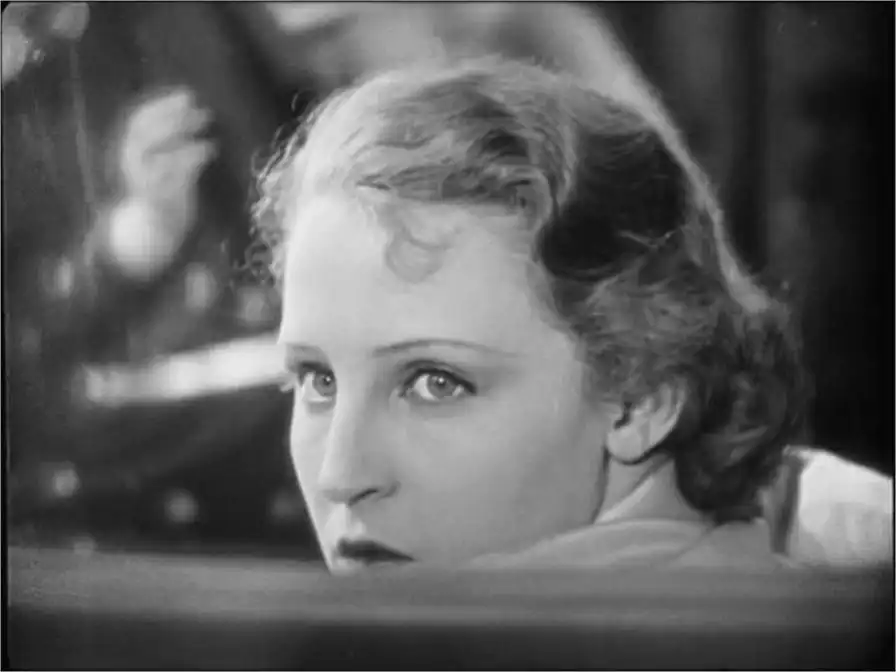
Pabst, a master of realism in silent cinema, eschews the more overt expressionism of some of his contemporaries, opting instead for a starker, more grounded visual style that still manages to be highly atmospheric. The contrast between Irene's sterile, bourgeois home and the smoky, bustling nightclubs is effectively drawn. The domestic scenes are often shot with a static camera, emphasizing Irene's confinement. But once she ventures out, the camera becomes more dynamic, weaving through crowds, capturing the frenetic energy of the dance floor. There's a particularly striking sequence where Irene is dancing, and the camera tracks her movements, isolating her amidst a sea of revelers, hinting at both her exhilaration and her growing isolation.
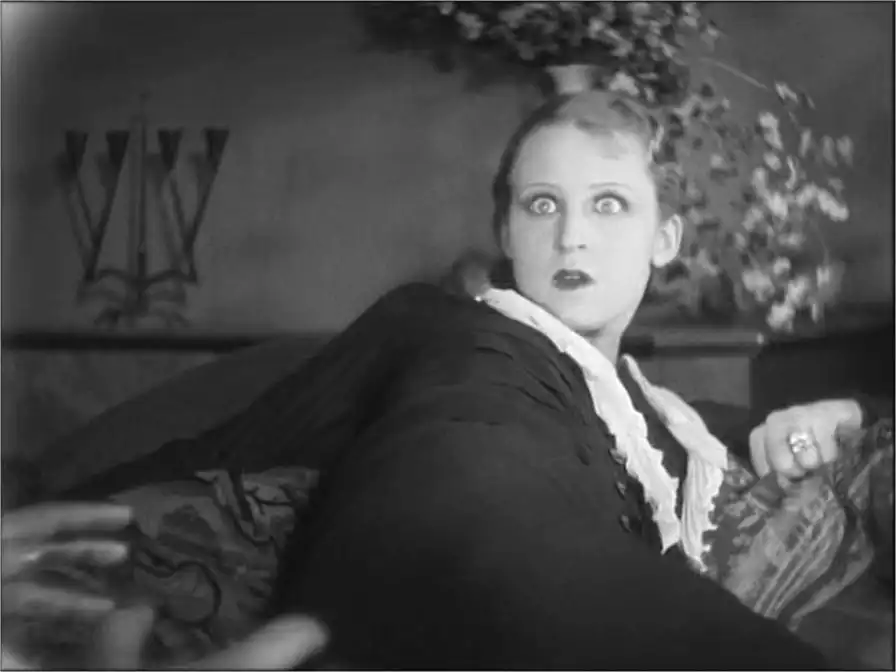
The pacing, however, is a point of contention. While the film builds its psychological portrait meticulously, there are moments, especially in the middle act, where the narrative momentum flags. The repetitive nature of Irene's nocturnal escapades, while thematically relevant, occasionally feels protracted. A scene where she is simply observing a drug den, for example, lingers a beat too long, adding little to her character's development beyond what has already been established. This isn't a flaw in the filmmaking per se, but rather a characteristic of silent-era storytelling that demands a certain patience from modern viewers. The dramatic confrontations, when they arrive, are sharp and impactful, but the journey to get there can feel circuitous.
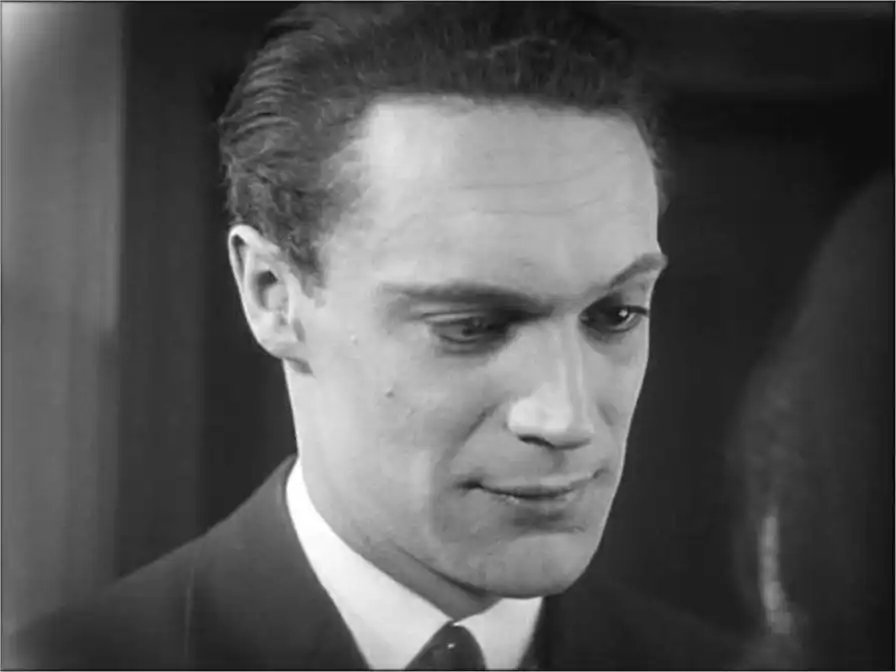
The tone shifts convincingly from domestic ennui to urban excitement, and then to a darker, more morally ambiguous space without feeling jarring. Pabst doesn't preach; he observes. The film presents Irene's choices and their consequences with a dispassionate eye, allowing the audience to draw their own conclusions about the morality of her actions and the societal pressures that drive them.
Strengths:
Weaknesses:
One of the most telling details, easy to miss amidst the bustling nightclub scenes, is the recurring shot of a particularly flamboyant bartender, always wiping down the same spot on the counter with a meticulous, almost ritualistic gesture, completely oblivious to the chaos unfolding around him. It's a small, humanizing touch that grounds the otherwise heightened reality of the setting, a quiet anchor in the storm of hedonism.
The Devious Path is more than just a cautionary tale; it's a character study anchored by a powerful performance from Brigitte Helm and directed with characteristic intelligence by G.W. Pabst. While its pacing might require a degree of patience, the film's strengths—its visual artistry, its compelling lead, and its evocative portrayal of a society grappling with changing morals—far outweigh its minor narrative lulls. For cinephiles interested in the psychological dramas of the silent era and the cultural landscape of 1920s Germany, this is an essential watch. It offers a rich, unvarnished look at a woman's search for identity and excitement, even if that search leads her down a path fraught with peril.
IMDb 8.8
1930
Community
Log in to comment.