DbcultAccessing Vault...
6.2/10
Senior Film Conservator
A definitive 6.2/10 rating for a film that redefined the boundaries of cult cinema. The Dollar-a-Year Man remains a cornerstone of transgressive art.
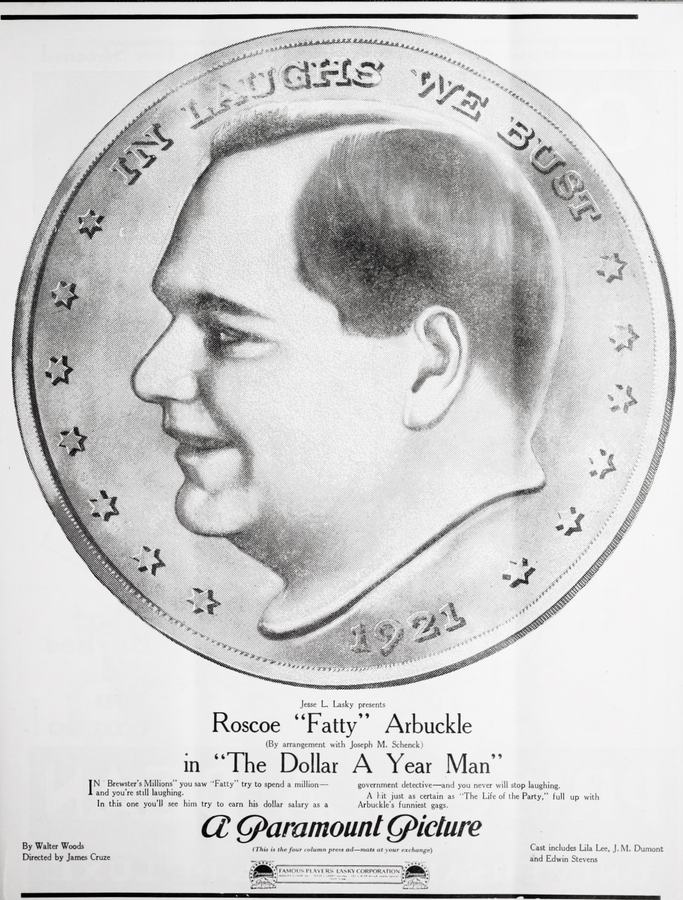
Ah, the silent era! A time when physical comedy reigned supreme, and the expressive power of a well-timed glance or an exaggerated pratfall could speak volumes without uttering a single word. Today, we're dusting off a delightful relic from this bygone age: The Dollar-a-Year Man, a cinematic romp from 1921 that serves as a testament to the enduring charm and comedic genius of its star, the inimitable Roscoe 'Fatty' Arbuckle. While his career, tragically, would soon be overshadowed by controversy, films like this remind us of the sheer talent that once captivated audiences worldwide. It’s a film that, despite its age, still possesses a vibrant energy, a testament to the universal appeal of a good laugh and a cleverly constructed narrative.
Directed by Fred C. Newmeyer and written by Walter Woods, The Dollar-a-Year Man plunges us into a world where social aspirations clash with international intrigue, all wrapped up in a package of delightful farce. Our protagonist, Franklin Pinney, played with characteristic gusto by Arbuckle, is a man of means – a successful laundryman, no less – yet he finds himself perpetually on the periphery of the elite circles he so desperately wishes to penetrate. The opening scenes establish this societal yearning with a gentle, observational humor that sets the tone beautifully. Pinney's exclusion from a yacht club party, an event specifically designed to honor a visiting Prince, is not merely a social slight; it's a catalyst for the entire comedic engine of the film. It's a classic setup, echoing themes of class and aspiration that resonate even today, much like the social climbing depicted in early comedies such as The Millionaire Baby, though with a distinctly more farcical twist here.
What truly ignites the narrative, however, is the unexpected twist of fate that brings Pinney face-to-face with the very Prince he was denied the chance to meet formally. But this isn't a grand introduction; it's a clandestine encounter, born of chaos and mistaken identity. The Prince, portrayed by J.M. Dumont, is not gracing the yacht club with his regal presence, but rather hiding from a cadre of anarchists who, in a stroke of classic comedic incompetence, have abducted the wrong man. This particular plot device, the 'mistaken identity' trope, is a cornerstone of silent comedy, often providing boundless opportunities for physical gags and escalating misunderstandings. Here, it’s deployed with a finesse that keeps the audience chuckling, constantly anticipating the next mishap.
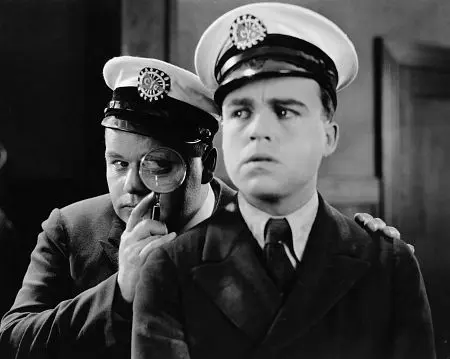
Arbuckle’s performance as Franklin Pinney is a masterclass in silent film acting. He embodies the character with a blend of naive earnestness and surprising resourcefulness. His physical comedy, often characterized by his surprisingly agile movements for a man of his stature, is never gratuitous; it always serves the narrative and enhances the humor. He’s not just falling down for a laugh; he’s a character driven by relatable desires and propelled into extraordinary circumstances. His expressive face, capable of conveying everything from bewildered confusion to determined resolve, is a significant part of the film’s charm. You can see echoes of his style in other contemporary performers, but Arbuckle truly had a unique presence that elevated the material.
The supporting cast, while perhaps not as prominently featured, plays their roles admirably in facilitating Arbuckle’s comedic brilliance. Edwin Stevens, Winifred Greenwood, Lila Lee, A. Edward Sutherland, and Henry Johnson all contribute to the tapestry of characters that populate Pinney's world. Lila Lee, as Pinney's sweetheart, brings a touch of romantic interest and a more grounded presence amidst the escalating absurdity. Her father, a Secret Service agent, provides the impetus for Pinney's heroic turn, injecting a sense of duty into the otherwise lighthearted proceedings. This blend of romance, duty, and slapstick is a delicate balance, and The Dollar-a-Year Man navigates it with surprising grace.
The film's exploration of anarchism, while undoubtedly a product of its time and played for laughs, offers a fascinating glimpse into the social anxieties of the early 20th century. The bumbling anarchists are less a genuine threat and more a comedic foil, a convenient mechanism to propel the plot and provide opportunities for Pinney and the Prince to showcase their unlikely heroism. It's a trope seen in many films of the era, where foreign threats or radical ideologies are often simplified for entertainment, much like the melodramatic villains in films such as The Pride of Jennico, albeit with a much more farcical presentation here. The portrayal is lighthearted, avoiding any genuine sense of menace, which keeps the tone consistent with the overarching comedy.
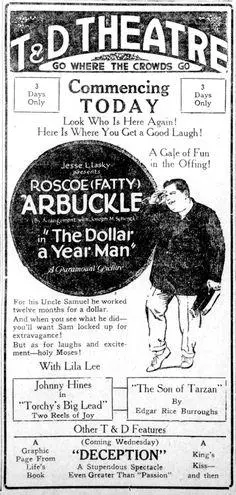
Walter Woods’s screenplay is a marvel of construction for its time, weaving together disparate elements into a cohesive and continually amusing narrative. The pacing is brisk, a hallmark of silent comedies, ensuring that the audience is constantly engaged without feeling overwhelmed. Each comedic beat builds upon the last, leading to a satisfying crescendo of chaos and resolution. The visual storytelling, so crucial in the absence of dialogue, is expertly handled. From the initial scenes establishing Pinney’s social aspirations to the frantic chase sequences and the eventual capture of the villains, the film communicates its story with clarity and wit, relying on strong visual gags and expressive performances.
Considering the technical limitations of filmmaking in 1921, the cinematography and editing of The Dollar-a-Year Man are remarkably effective. The camera work, while often static by modern standards, is thoughtfully composed, framing Arbuckle’s actions with precision. The editing maintains a lively rhythm, crucial for comedic timing, allowing gags to land effectively and the narrative to progress without drag. There’s a certain charm in the simplicity, a reliance on blocking and performance rather than elaborate camera movements to convey meaning and humor. This directness is part of what makes silent films so captivating; they demand a different kind of engagement from the viewer, one that relies on visual literacy and an appreciation for the art of pantomime.
The thematic undertones, while not overtly profound, add a layer of interest to the film. Pinney's journey from an uninvited outsider to an unlikely hero speaks to the American ideal of self-made success and the possibility of transcending social barriers through ingenuity and courage. His willingness to help, not just for personal gain but also to assist his sweetheart's father, imbues his character with a noble quality that elevates him beyond mere caricature. This blend of personal ambition and altruism makes Pinney a surprisingly endearing figure, a man who, despite his initial social awkwardness, rises to the occasion when it truly matters.

Comparing The Dollar-a-Year Man to other films of its era, one can appreciate its unique blend of social commentary and pure entertainment. While not as avant-garde as some experimental films, its narrative structure and character development are surprisingly robust for a silent comedy. It shares a certain lightheartedness with films like Sally in Our Alley or Sweethearts in its romantic subplots, but its central comedic engine driven by mistaken identity and international intrigue gives it a distinct flavor. It’s less about deep emotional drama and more about the joyous absurdity of its premise, much like the whimsical spirit found in Gertie on Tour, though obviously in a live-action narrative format.
The film’s resolution, with Pinney and the Prince successfully capturing the anarchists, delivers a satisfying conclusion to the comedic adventure. It reinforces the idea that heroism can emerge from the most unexpected places and that even a 'dollar-a-year man' (a term referring to individuals who volunteer their services to the government for a nominal salary, often for patriotic reasons) can play a pivotal role in national security, however comically achieved. The inherent patriotism, though presented through a comedic lens, is palpable, tapping into a collective sentiment of the era. It's a feel-good ending that leaves the audience with a smile, a hallmark of well-crafted silent comedies.
Revisiting The Dollar-a-Year Man today is not just an exercise in cinematic archaeology; it's a genuine pleasure. It's a reminder of Roscoe Arbuckle's formidable talent, a talent that, for a brief period, made him one of the most beloved figures in Hollywood. The film stands as a testament to the power of pure, unadulterated comedic storytelling, executed with a precision and charm that transcends the decades. For fans of silent cinema, or anyone curious about the foundational elements of film comedy, this is a picture well worth seeking out. Its simple yet effective narrative, combined with Arbuckle's magnetic performance, ensures its place as a delightful, if often overlooked, entry in the annals of early film history. It might not possess the dramatic gravitas of a film like The Witching Hour, but its comedic impact is undeniable and its historical value significant. It offers a window into a specific cultural moment, reflecting both the aspirations and anxieties of its time through the universal language of laughter. The blend of slapstick, mild social commentary, and a touch of romance makes it a truly enjoyable experience, proving that great comedy, regardless of its era, always finds a way to connect with an audience. It's a film that, much like Arbuckle himself, deserves a fresh look and renewed appreciation.
The sheer ingenuity in crafting a narrative that relies almost entirely on visual cues and physical expression is something to behold. Modern filmmakers, often armed with vast technological resources, could still learn a great deal from the economy and clarity of storytelling present in films like this. Every gesture, every prop, every shift in expression is meticulously choreographed to convey meaning and elicit a response. There’s a beautiful purity to it, an unadorned directness that speaks volumes. It's an art form that, at its best, transcends language barriers and cultural divides, creating a shared experience of laughter and wonder. The Dollar-a-Year Man is a shining example of this particular magic, a film that continues to entertain and impress with its timeless humor and masterful execution.
IMDb 5.4
1934
Community
Log in to comment.