DbcultAccessing Vault...
6.9/10
Senior Film Conservator
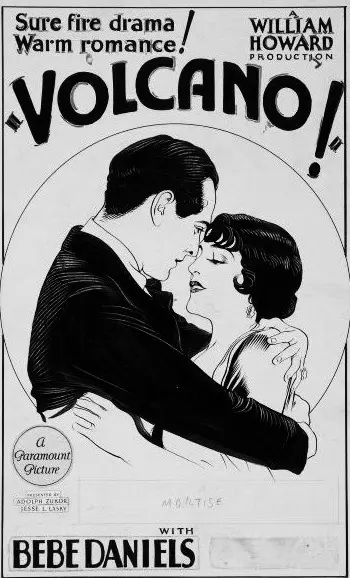
A definitive 6.9/10 rating for a film that redefined the boundaries of cult cinema. Volcano remains a cornerstone of transgressive art.
Is Volcano a cinematic eruption worth witnessing today? Short answer: No, unless you are a dedicated student of silent-era melodrama or a Bebe Daniels completist. This film is for viewers who enjoy dissecting the socio-political artifacts of 1920s filmmaking; it is not for anyone seeking a modern, nuanced, or fast-paced narrative.
While the film offers a fascinating glimpse into the technical ambitions of Paramount in the mid-20s, it struggles under the weight of its own theatricality. It is a relic. A loud, silent relic. The story attempts to balance romance with a critique of colonial cruelty, but it often falls into the very traps it tries to depict. For those looking for more cohesive silent experiences, films like Ruggles of Red Gap offer a more refined tone, whereas Volcano feels like a fever dream of 19th-century anxieties.
To understand Volcano, one must first look at the direct impact of its narrative choices. The film operates on a level of high-stakes melodrama that was common for the era, but its setting in 1850s Martinique adds a layer of atmospheric dread that is actually quite effective.
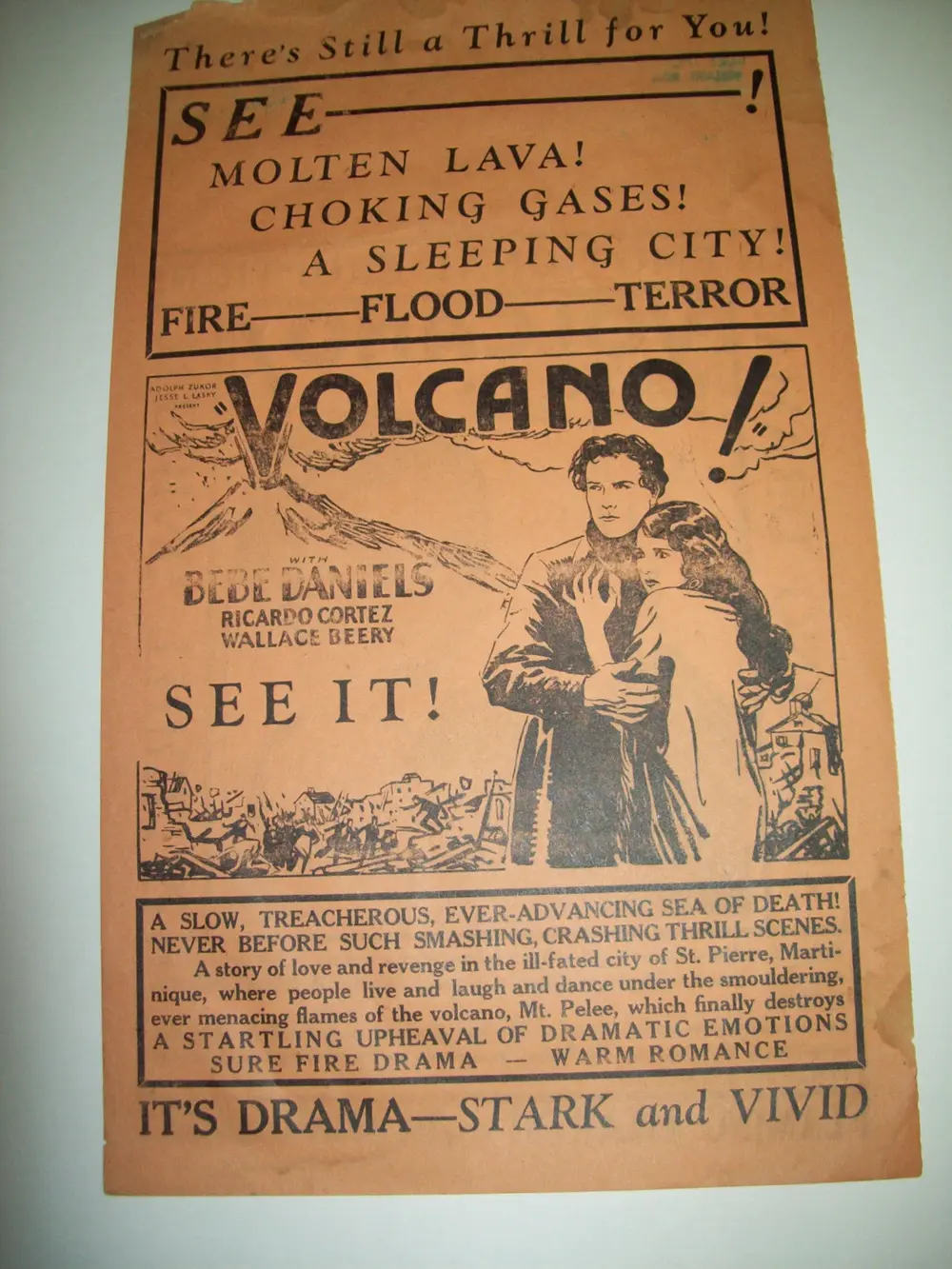
1) This film works because the production design captures a palpable sense of tropical decay and humid claustrophobia that mirrors the protagonist's desperation.
2) This film fails because its treatment of the 'mulatto quarter' and the central auction plot is reductive, voyeuristic, and ultimately robs the protagonist of her agency for the sake of male-driven conflict.
3) You should watch it if you want to see Bebe Daniels transition from her 'Good Little Girl' persona into a role that demands significant emotional range and physical vulnerability.
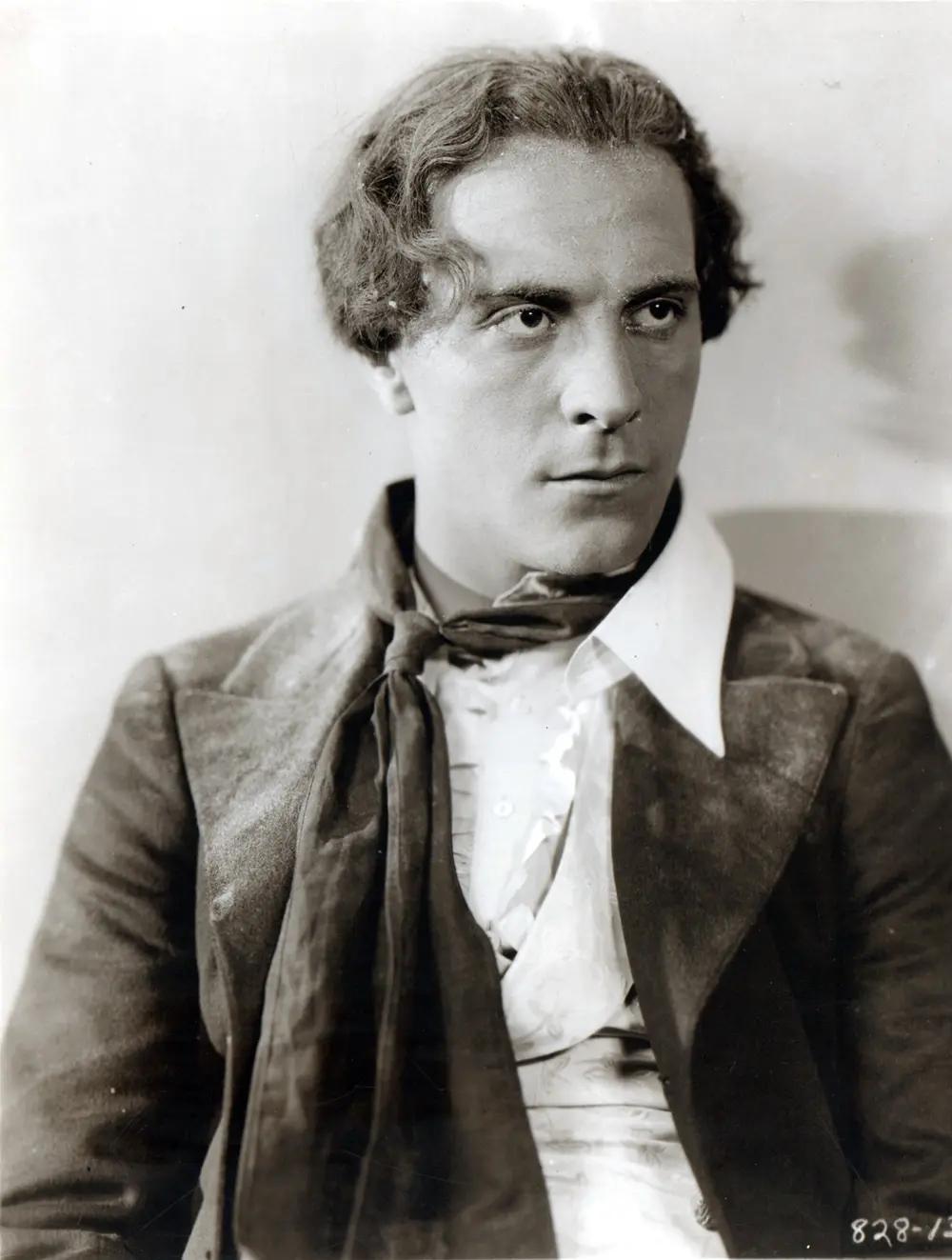
Bebe Daniels delivers a performance that is both the film's greatest strength and its most exhausting element. In the 1920s, Daniels was often cast in lighter fare, such as A Virtuous Vamp, but here she is asked to carry the weight of systemic oppression. When her character is sent to the mulatto quarter, Daniels uses her eyes to convey a level of terror that feels genuine. There is a specific scene where she looks at her own hands as if they no longer belong to her, realizing her social status has been stripped away. It is a haunting moment of internal realization.
However, the performance is occasionally hampered by the era's penchant for over-gesticulation. In moments of high stress—specifically during the auction—the flailing feels disconnected from the internal trauma. It is a common critique of silent cinema, but here it feels particularly jarring because the subject matter is so grim. Compared to the more grounded performances in Daring Youth, Daniels is playing to the back row of a theater that no longer exists.
Wallace Beery provides a necessary, if somewhat caricatured, counterpoint to the romantic leads. Beery has a way of occupying space that feels threatening without him having to move a muscle. In Volcano, he represents the predatory nature of the island’s elite. He doesn’t just want to win the girl; he wants to own the soul of the island. His performance here is a stark contrast to the more lighthearted roles found in Circus Days. In this film, he is the heavy, and he plays it with a sneering conviction that makes the audience genuinely root for his demise.
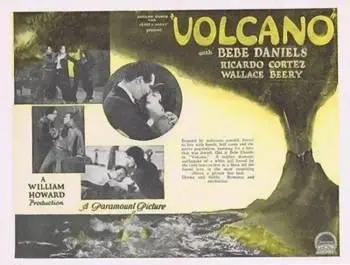
The rivalry between Beery and Ricardo Cortez is where the film finds its pulse. Cortez, playing the hero, lacks the gravitas that Beery brings to every frame. When they share the screen during the auction sequence, the power dynamic is lopsided. Beery’s presence is a literal volcano, simmering with a violence that feels like it could erupt at any moment. Cortez feels like a cardboard cutout by comparison.
Director William K. Howard was known for his visual flair, and Volcano is no exception. The way he uses shadows in the 'mulatto quarter' is nothing short of masterful. The lighting is low, flickering, and creates a sense of unease that permeates the second act. He avoids the flat lighting common in early silent films like Three Black Eyes, opting instead for a more expressionistic approach that hints at the influence of German cinema, such as Schlagende Wetter.
One standout sequence involves the protagonist walking through the market. The camera lingers on the faces of the locals, creating a montage of colonial Martinique that feels more like a documentary than a melodrama. It’s a brief moment of realism in a film that is otherwise dominated by artifice. The pacing, however, is where Howard loses his grip. The first act is a slow burn—pun intended—that takes far too long to establish the stepmother's motivations. By the time the auction occurs, the audience is already checking their watches.
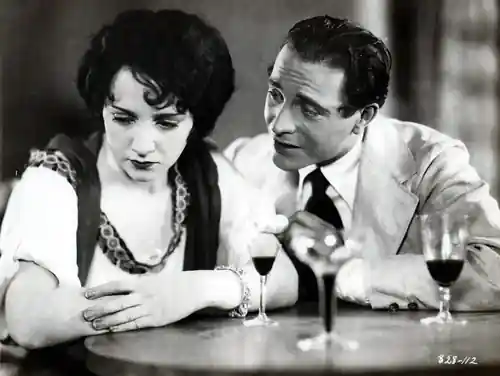
We have to talk about the auction. It is the central set-piece of the film, and it is profoundly uncomfortable. From a technical standpoint, the scene is well-shot. The editing is tight, cutting between the bidders, the auctioneer, and Daniels’ terrified face. It builds tension effectively. But the narrative justification for it—a stepmother selling her stepdaughter into what is essentially sexual slavery—is handled with a bizarre mix of melodrama and romanticism.
The film treats the auction as a high-stakes romantic obstacle rather than a human rights horror. This was not uncommon for 1926, as seen in other films of the time like Marriage for Convenience, but the racial undertones of the Martinique setting make it feel significantly more pointed. It is a moment where the film’s age shows most clearly. It isn't just dated; it’s ethically murky.
Does Volcano offer enough to justify its runtime for a modern audience? The answer depends entirely on your tolerance for silent melodrama. If you are looking for a story with modern pacing and sensibilities, you will likely find it frustrating and offensive. However, if you are interested in the evolution of cinematic language and how Hollywood portrayed colonial life in the 1920s, it is a fascinating case study. It is a film that erupts with emotion but often lacks the structural integrity to hold that emotion together.
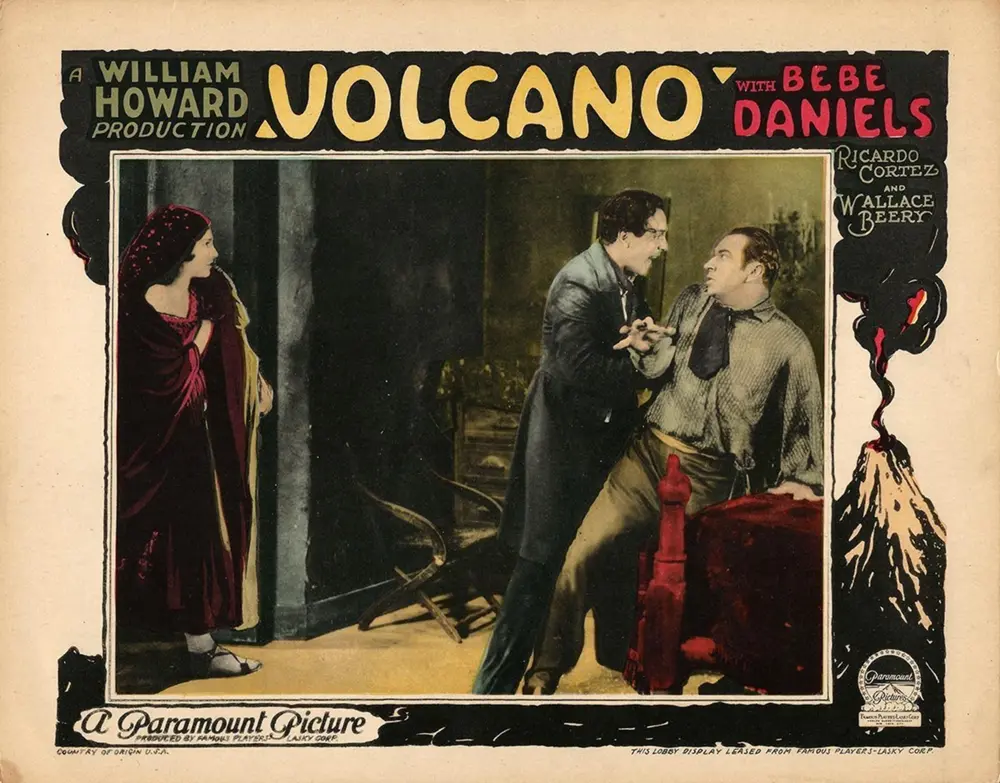
Pros:
- Bebe Daniels gives a career-defining dramatic performance.
- The production design is immersive and captures a unique setting for the era.
- Wallace Beery is a formidable and memorable antagonist.
Cons:
- The pacing in the first half is sluggish.
- The central 'auction' plot point is handled with a lack of sensitivity that is hard to ignore.
- The romantic lead, Ricardo Cortez, lacks the charisma to match his co-stars.
Volcano is a film of extremes. It features some of the most striking visual work of 1926, yet it is anchored to a story that feels archaic even by the standards of its contemporaries. It lacks the charm of Shore Leave or the historical weight of The Life Story of David Lloyd George. Instead, it sits in a strange middle ground: too dark to be a simple romance, yet too melodramatic to be a serious social critique. It is a visual triumph but a narrative failure. It works. But it’s flawed. Ultimately, it is a cinematic curiosity that is best left to those who enjoy digging through the ash of film history to find the glowing embers of a performance like Daniels'.
IMDb 6.2
1931
Community
Log in to comment.