DbcultAccessing Vault...
6.4/10
Senior Film Conservator
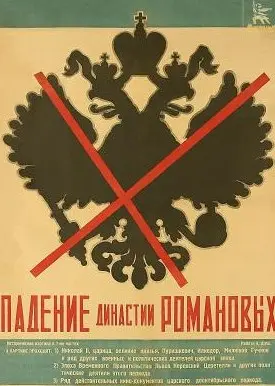
A definitive 6.4/10 rating for a film that redefined the boundaries of cult cinema. The Fall of the Romanov Dynasty remains a cornerstone of transgressive art.
Is The Fall of the Romanov Dynasty a relevant piece of cinema for the modern viewer? Short answer: yes, but only if you are willing to look past the grain and engage with the birth of political editing.
This film is for the history buff who craves authenticity over dramatization and the cinephile who wants to see where the 'compilation film' began. It is emphatically not for those who require a high-definition, linear narrative or a character-driven emotional arc.
1) This film works because: It utilizes genuine historical artifacts to create a narrative that feels both inevitable and devastatingly objective through the power of montage.
2) This film fails because: The lack of original sound and the reliance on long, explanatory intertitles can alienate audiences accustomed to modern pacing.
3) You should watch it if: You want to witness the exact moment film transitioned from a recording tool to a political weapon.
Esfir Shub was not a director in the traditional sense; she was a scavenger. In 1927, she spent months in damp cellars, tracking down thousands of feet of film that had been forgotten or hidden. Much of this footage was shot by the Tsar's personal cinematographers. It was meant to be propaganda. It was meant to show the world that Russia was stable, wealthy, and unified.
Shub’s genius lies in her ability to take that same footage and turn it against its subjects. When we see Tsar Nicholas II blessing the troops, it is no longer a holy moment. Because of how Shub edits the sequence—placing it immediately after shots of broken, muddy trenches—it becomes a moment of profound delusion. She doesn't need to tell us the Tsar is out of touch; she shows us the disconnect in the frame.
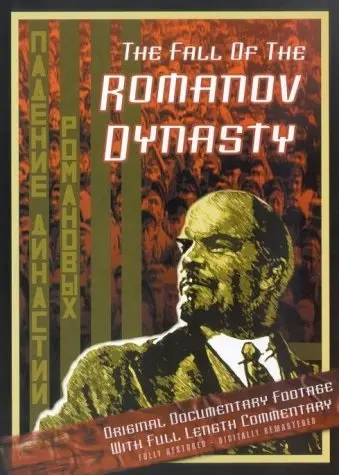
The grainy texture of the film adds a layer of haunting reality that no modern reconstruction could match. Unlike the staged dramas of the era, such as The Covered Wagon, which relied on grand sets and actors to convey historical weight, Shub relies on the sweat on a worker's brow and the stiff, awkward movements of the nobility. It’s raw. It’s ugly. It’s real.
The pacing of the first third of the film is intentionally slow. We are forced to endure the endless parades and the tedious rituals of the 300th-anniversary celebrations. This isn't a mistake in editing; it’s a thematic choice. Shub wants the viewer to feel the weight of the old world. The stagnation of the Romanovs is palpable.
One specific scene stands out: the transition from a lavish banquet to the agrarian labor in the provinces. There is no cross-fade, just a hard cut. The sudden shift from sparkling crystal to wooden plows is a physical jolt to the system. It’s a brutal way to illustrate class struggle. This isn't the romanticized struggle found in Scars of Jealousy; it is a systemic failure captured on celluloid.
The film also captures the transition of Russia from an agrarian society to a capitalist one. We see the rise of the factories, the smoke-choked horizons, and the growing density of the cities. Shub treats the machines with the same scrutiny as the people. The gears of industry are shown as the new gods, replacing the icons of the church. It’s a cold, hard look at progress.
When 1914 arrives, the film’s energy shifts. The mobilization scenes are some of the most harrowing ever put to film because they aren't 'scenes' at all—they are records of men who would mostly be dead within months. Shub focuses on the faces of the peasants as they are handed rifles. They look confused. They look tired. They don't look like heroes.
Contrast this with the footage of the Duma and the military leadership. They are seen in well-lit rooms, pointing at maps. The disconnect is total. This is where the film takes its strongest stance. It argues that the revolution was not just a political choice, but a biological necessity. The country was literally starving to death while its leaders played at war.
The footage of the 1917 strikes in Petrograd is chaotic. Unlike the controlled parades of the beginning, these shots are shaky, often out of focus, and frantic. It reflects the anarchy of the moment. You can feel the camera operator's own uncertainty. It makes the viewer an eyewitness to the collapse.
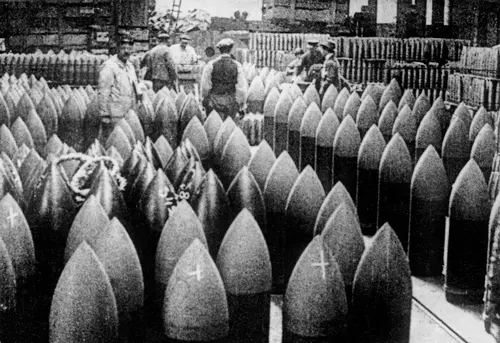
Yes, The Fall of the Romanov Dynasty is worth watching because it is the definitive document of a world-ending event. It provides a perspective that no textbook can offer. You see the actual faces of the people who changed the course of the 20th century. It is a technical triumph of archival research and a masterclass in how to tell a story through the arrangement of existing images.
Pros:
Cons:
One surprising observation is how 'modern' Shub’s editing feels. While contemporary films like Remodeling Her Husband were experimenting with narrative flow, Shub was experimenting with the psychology of the image. She understood that if you show a fat man eating and then a thin child begging, the audience will create the anger themselves. She doesn't need to write a script for that. The image does the work.
Her work with Vladimir Lenin on the script ensures that the film is tightly aligned with the political goals of the era. However, even if you strip away the politics, the human element remains. The sight of the Tsar playing in the snow while his empire burns is a haunting image of leadership failure that transcends any specific ideology. It’s a warning. It’s a eulogy.
The film is a weapon. It was designed to justify the revolution to a population that had lived through it. But today, it serves as a time machine. It allows us to see the world as it was, before the iron curtain fell, before the Cold War, and before the Romanovs became a subject of romanticized Disney movies. It is the antidote to nostalgia.
The Fall of the Romanov Dynasty is a difficult, demanding, and ultimately rewarding experience. It is not 'entertainment' in the way we define it today. It is an exercise in seeing. Esfir Shub proved that history is not just what happened, but how we choose to look at what happened. It works. But it’s flawed. It’s a piece of propaganda that accidentally became the most honest record of its time. If you have any interest in the power of the moving image, you owe it to yourself to sit through these grainy, flickering ghosts of the past. They have a lot to say about the present.
IMDb 5.9
1932
Community
Log in to comment.