DbcultAccessing Vault...
5.7/10
Senior Film Conservator
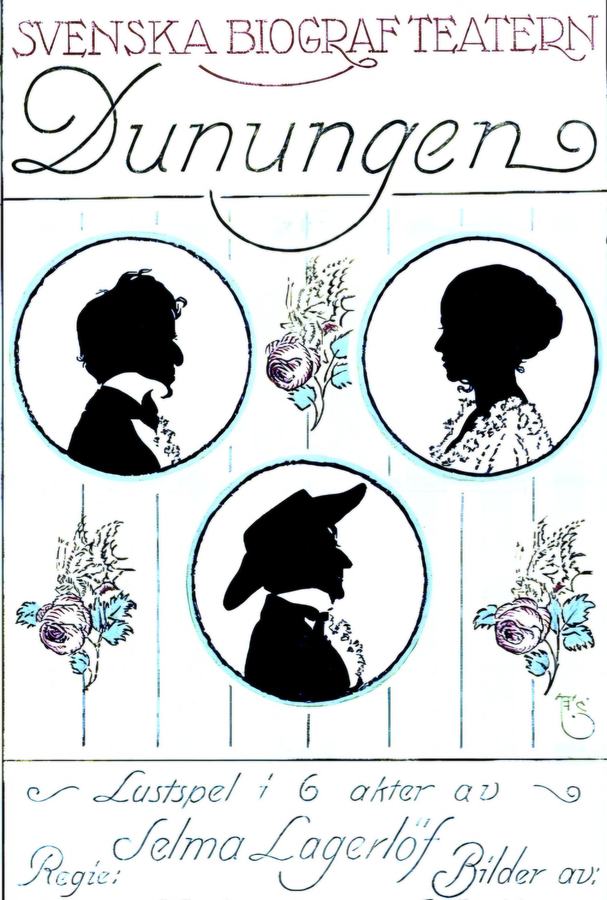
A definitive 5.7/10 rating for a film that redefined the boundaries of cult cinema. The Downy Girl remains a cornerstone of transgressive art.
There are certain films, particularly those from the nascent years of cinema, that resonate with an unexpected depth, a quiet power that transcends their age. The Downy Girl (original title: Dunungen), an early Swedish cinematic gem from 1919, is unequivocally one such work. Adapted from the beloved novella by Nobel laureate Selma Lagerlöf, this film offers a tender, yet incisive, glimpse into the societal strictures and emotional turmoil of a forbidden romance. It’s a narrative that, despite its period setting, speaks to universal truths about class, expectation, and the indomitable spirit of love. As a long-time admirer of early European cinema, I find myself continually drawn back to the nuanced storytelling and understated performances that define this era, and The Downy Girl stands as a testament to the sophistication already present in filmmaking a century ago.
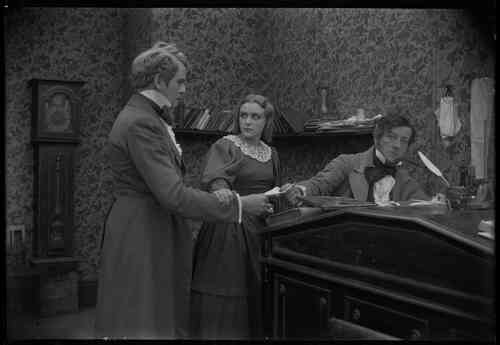
The premise of The Downy Girl is deceptively simple, yet it holds within its core a profound commentary on the rigid hierarchies that dictated social interaction in early 20th-century Sweden. We are introduced to Mauritz Fristedt, portrayed with a compelling blend of youthful idealism and inherited gravitas by Ragnar Widestedt. Mauritz is the scion of a prominent family, his father being the town’s mayor, a position that bestows upon him a certain societal burden and expectation. His world is one of decorum, inherited wealth, and predefined alliances. Contrasting sharply with this is Dunungen, the baker’s daughter, brought to life with an ethereal innocence and quiet strength by Mia Gründer. Her world is one of honest labor, community ties, and a freedom from the stifling conventions that bind Mauritz. Their paths, by all societal logic, should never truly intertwine beyond transactional exchanges at the bakery.
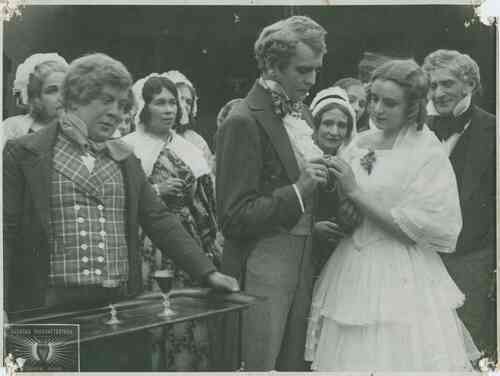
Yet, love, as it often does in the most compelling narratives, finds a way to defy such logic. The film meticulously charts the blossoming of an unlikely affection between these two disparate souls. It’s not a sudden, dramatic explosion of passion, but rather a gentle, almost hesitant, unfolding of mutual admiration and deep-seated connection. This subtlety is one of the film’s greatest strengths, allowing the audience to truly believe in the sincerity of their bond, rather than simply accepting it as a plot device. The visual language of silent cinema, particularly in this period, often relied on exaggerated gestures, but The Downy Girl frequently opts for a more restrained, psychologically nuanced approach, a testament to the actors' abilities and the director's vision. One might even draw parallels to the quiet dignity found in films like The Sowers, which also explored the human spirit amidst challenging social landscapes, albeit through a different lens of class struggle.
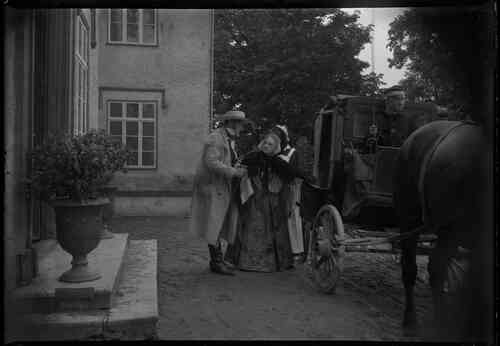
A significant portion of the film’s enduring power undoubtedly stems from its literary source. Selma Lagerlöf was a master storyteller, renowned for her ability to weave intricate tales that were simultaneously deeply personal and broadly allegorical. Her narratives often explored themes of morality, redemption, and the human condition against the backdrop of Swedish folklore and societal norms. The adaptation of her novella into a moving picture required a keen understanding of her thematic concerns, and the filmmakers here largely succeed. They capture the essence of Lagerlöf's prose, translating its quiet introspection and moral gravity into visual poetry. Her influence on Swedish cultural identity is immense, and seeing her work brought to the screen with such care, even in these early days of cinema, is a privilege. It sets a precedent for how literary adaptations could retain their soul in a new medium, a challenge that many films, even today, struggle with.
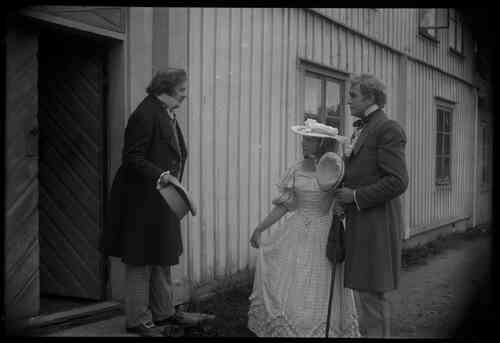
Lagerlöf's strength lay in her characterizations, imbuing even minor figures with a sense of lived experience. This translates well into the film, where supporting cast members contribute significantly to the rich tapestry of the town. Jenny Tschernichin-Larsson, for instance, in her role, brings a certain gravitas and authenticity that grounds the more romantic elements of the story. Similarly, the presence of actors like Renée Björling and Emil Hållenius, though their roles might be less central, adds layers to the community, making it feel like a real place with real people, each with their own stakes in the unfolding drama. This ensemble quality is crucial for a story that relies so heavily on the societal reaction to the central romance. In this regard, it avoids the pitfalls of some contemporary films, which might have focused solely on the star power, neglecting the broader social fabric that gives the story its weight. The careful delineation of social roles and expectations reminds one of the detailed societal critiques found in films like Sins of Great Cities, albeit with a distinctly Scandinavian sensibility.
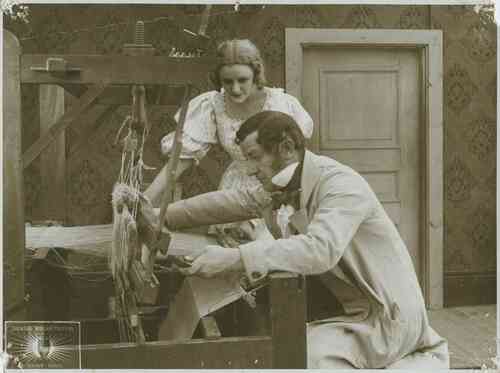
The true triumph of The Downy Girl lies in the nuanced performances of its lead actors, Mia Gründer and Ragnar Widestedt. In an era where silent film acting could often veer into melodrama, their portrayals are remarkably subtle and deeply affecting. Gründer’s Dunungen is not merely a damsel in distress; she possesses an inner resilience, a quiet dignity that makes her love for Mauritz not an act of submission, but one of profound conviction. Her expressive eyes and delicate gestures convey a wealth of emotion, from tentative hope to heartbreaking vulnerability. Widestedt, as Mauritz, brilliantly captures the internal conflict of a man torn between duty and desire. The societal pressure on him is palpable, and his struggle to reconcile his feelings with his family’s expectations is conveyed through his posture, his hesitant movements, and the profound sadness that occasionally clouds his features. This level of emotional depth in silent cinema is a rare treat, distinguishing it from more overtly theatrical productions of the time, such as perhaps The Fighting Grin, which, while entertaining, might not delve into such intricate psychological landscapes.
The supporting cast also deserves commendation for their contributions to the film’s rich atmosphere. Jenny Tschernichin-Larsson, Renée Björling, Emil Hållenius, Bror Öbergson, William Larsson, Ernst Öberg, Sonja Looft, Bell Hedqvist, Maggan Larsson, Ivan Hedqvist, Otto Malmberg, Mia Backman, Carl-Gunnar Wingård, Bertil Wallroth, Axel Nilsson, Anna Wahlbom, and Carl Browallius each inhabit their roles with conviction, creating a believable community that reacts to the central romance with a spectrum of emotions, from disapproval to cautious empathy. Their collective presence builds a credible world, making the stakes of Mauritz and Dunungen’s relationship feel genuinely high. The film’s strength is in its portrayal of not just individuals, but the intricate web of relationships that define a small town. This communal aspect, where every gaze and whisper holds weight, adds an additional layer of tension and realism to the unfolding drama. It’s a collective effort that elevates the film beyond a simple love story into a broader social commentary.
While the identity of the director isn't explicitly provided in the film's details for this discussion, the directorial hand guiding The Downy Girl is evident in its thoughtful composition and effective pacing. The cinematography, though characteristic of its era, often employs striking visual metaphors and careful framing to underscore the emotional beats of the story. Shots of Dunungen in her simple surroundings, often bathed in natural light, contrast with the more formal, sometimes shadowed, interiors of the mayor’s house, subtly emphasizing the chasm between their worlds. The use of natural landscapes, a hallmark of much early Scandinavian cinema, adds a poetic dimension, reflecting the characters’ internal states and the timeless beauty of their environment. This attention to visual detail, even with the technological limitations of the time, speaks to a burgeoning artistic sensibility in filmmaking. It’s a far cry from purely documentary-style films like The Photo-Drama of Creation, showcasing the rapid evolution of narrative cinema as an art form.
The film’s narrative flow, guided by intertitles, manages to maintain a compelling rhythm, allowing moments of quiet reflection to breathe alongside scenes of more dramatic confrontation. The editing is purposeful, never lingering too long, yet always giving enough time for the audience to absorb the emotional impact of each scene. This balance is crucial for a silent film, where the absence of dialogue places a greater burden on visual cues and the rhythm of the cuts to convey meaning. It's a testament to the early practitioners of cinematic language that they could achieve such narrative sophistication without the spoken word. The careful construction of scenes to highlight social dynamics, such as gatherings where Dunungen feels out of place, or where Mauritz is observed by his peers, demonstrates a mature understanding of how to use the camera to tell a story that extends beyond individual characters to encompass an entire community's perspective.
In the grand tapestry of film history, The Downy Girl occupies a significant, if sometimes overlooked, place within Swedish cinema. It is a powerful example of how early adaptations of beloved literary works could capture the essence of their source material while forging a distinct cinematic identity. The film’s exploration of class divides, the courage required to defy societal expectations, and the enduring power of love remains as relevant today as it was a century ago. It reminds us that while the outward manifestations of societal pressures may change, the fundamental human desires for connection and autonomy are timeless. The struggles faced by Dunungen, a woman navigating a world that seeks to define her by her birth, resonate with the themes of female agency and societal constraints explored in films like The Selfish Woman or The Lady Outlaw, showcasing a persistent thematic thread in early cinema.
Viewing The Downy Girl today is not merely an exercise in historical appreciation; it is an immersive experience that transports you to a different era, allowing you to witness the birth of cinematic storytelling in its most earnest and often beautiful form. The film serves as a vital artifact, illuminating the artistic ambitions of its creators and the cultural landscape of its time. It’s a poignant reminder that the seeds of complex, character-driven narratives were sown very early in cinema’s development, proving that profound emotional impact doesn't require advanced technology or sound. The simple elegance of its execution, coupled with the timeless narrative from Selma Lagerlöf, ensures that The Downy Girl continues to be a compelling and rewarding watch for anyone with an appreciation for the foundational works of cinema and the enduring power of human stories. Its quiet strength is a testament to the artistry of early filmmakers who, with limited tools, managed to craft narratives that speak across generations, much like the universal appeal of stories found in diverse films from Golfo di Napoli to Annoula's Dowry, each reflecting unique cultural contexts but shared human experiences. This film is a truly captivating piece of cinematic history, offering a window into a past that still echoes in our present.
IMDb 7.4
1931
Community
Log in to comment.