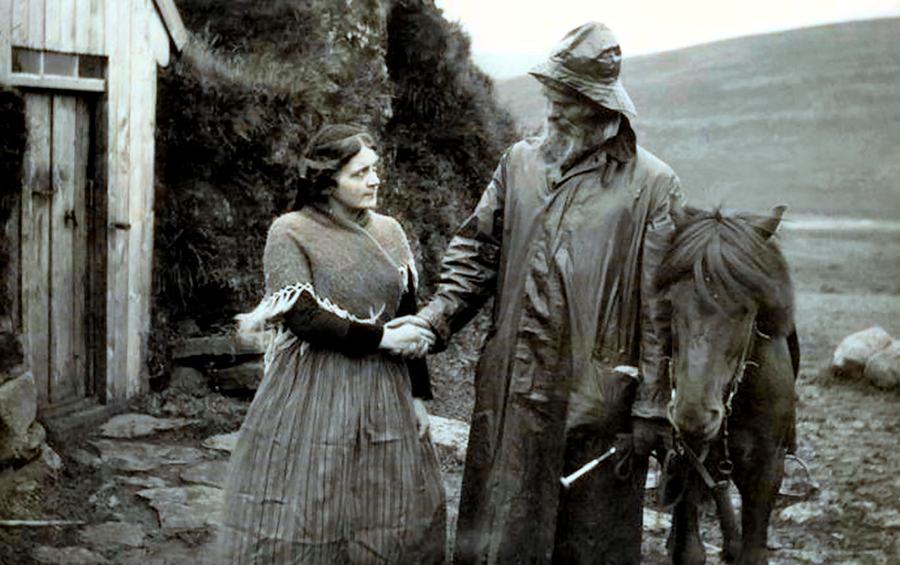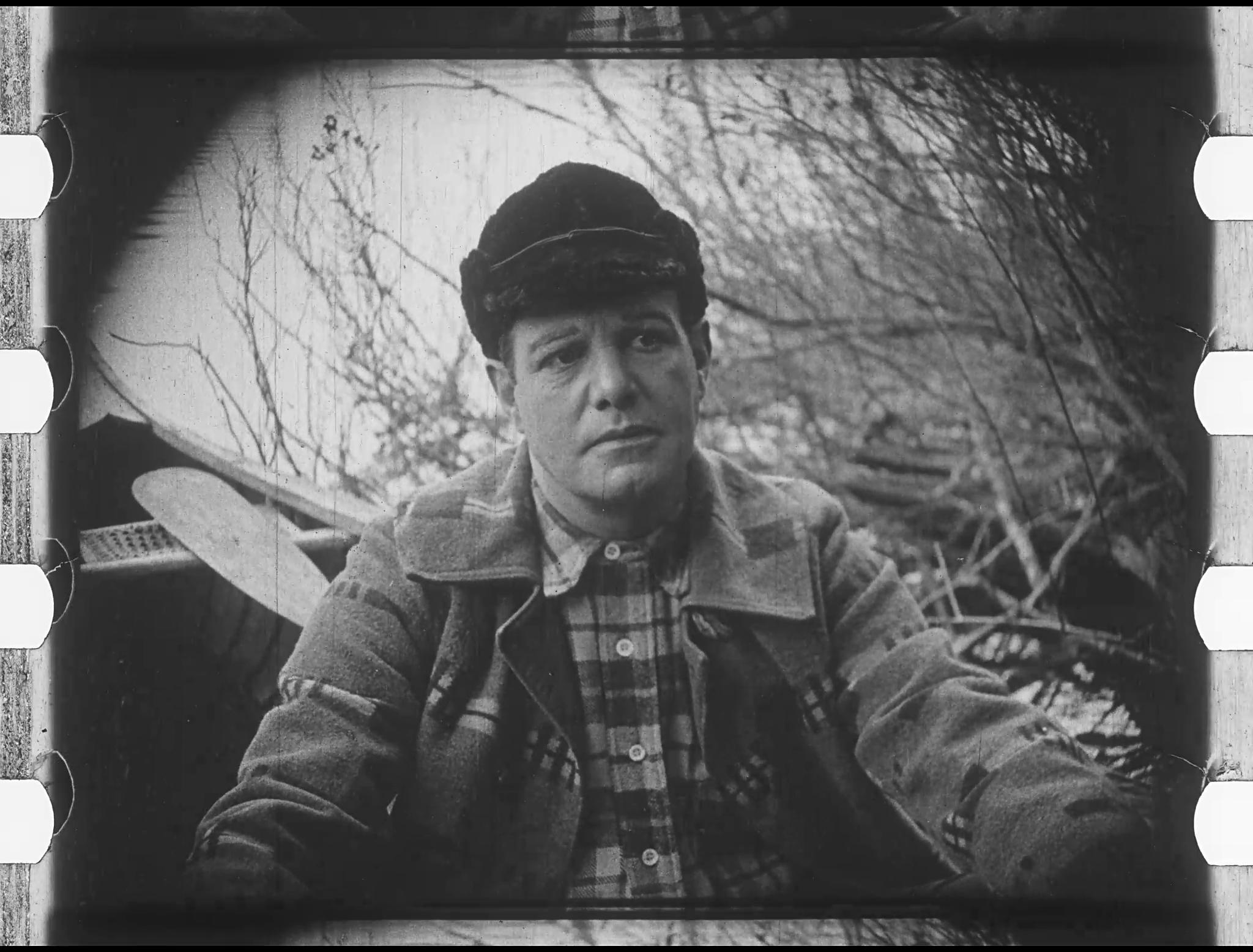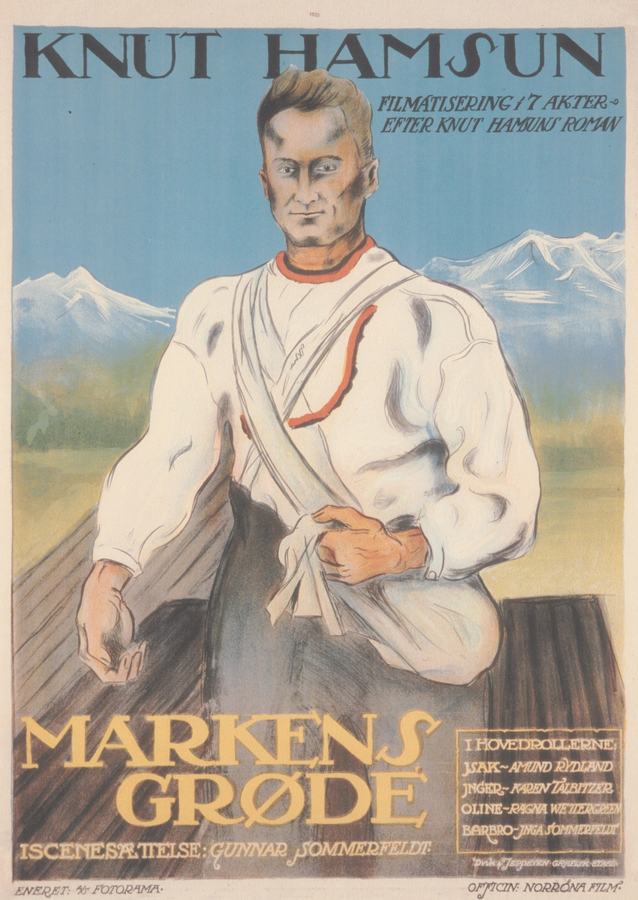
After the Nobel prize winning Knut Hamsun-novel, with it's criticism of industrialization, urbanizing and loss of values. The farmer Isak makes a farm out of barren soil, together with Inger and their two sons.
A curse and a benediction grow on the same stalk in Gunnar Sommerfeldt’s Markens grøde, the 1921 Norwegian titan that turns soil itself into protagonist. Shot during the last gasp of northern summer light, the film arrives like a bruise-coloured dawn: tints of copper, peat, and arterial red wash across 35 mm, each fr...

Comparing the cinematic DNA and archive impact of two defining moments in cult history.
Gunnar Sommerfeldt
Wilfred Lucas
Community
Log in to comment.
" A curse and a benediction grow on the same stalk in Gunnar Sommerfeldt’s Markens grøde, the 1921 Norwegian titan that turns soil itself into protagonist. Shot during the last gasp of northern summer light, the film arrives like a bruise-coloured dawn: tints of copper, peat, and arterial red wash across 35 mm, each frame hand-painted by women in Bergen attics who knew the taste of rye bread and scarcity. Their brushstrokes still pulse; you can almost smell turpentine and Lutheran guilt. The Pl..."
Almar Bjoernefjell
Knut Hamsun, Gunnar Sommerfeldt
Norway
1920 · IMDb —
Wilfred Lucas


Deep dive into the cult classic
Discover similar cinematic experiences
A Directorial Spotlight on Gunnar Sommerfeldt