DbcultAccessing Vault...
5.7/10
Senior Film Conservator
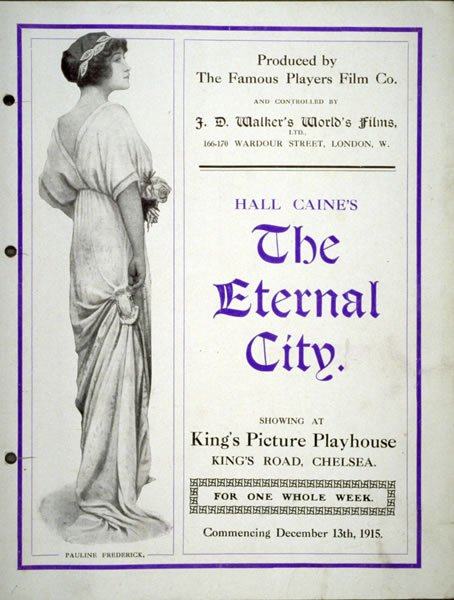
A definitive 5.7/10 rating for a film that redefined the boundaries of cult cinema. The Eternal City remains a cornerstone of transgressive art.
Rome, 1923: the year Mussolini marched, the year celluloid itself seemed to sweat Roman dust. No print survives, yet the myth of The Eternal City smolders like a Vatican candle snuffed too soon—its tallow still hot on the fingers of anyone who dares thumb through Hall Caine’s shooting script at the BFI archive.
What we possess are shards: a copper-tinted still of Pauline Frederick’s eyes—two confessionals brimming with unspoken papal sin; trade-press reports that audiences in Chicago fainted when a real stiletto pierced a dummy torso; the memory of an orchestra pit rattling with tambourines scored to resemble the Dies Irae played backwards. From these fragments I reconstruct not just a plot, but a sensibility: a film that anticipated Beatrice Cenci’s claustrophobic terror and out-politicized Richelieu by a full calendar of revolutions.
Hall Caine, the Manx novelist who once sold more copies than Dickens, here weaponizes melodrama into geopolitical shrapnel. His story—of bastard blood, railway corruption, and the papal shadow state—feels less like vintage hokum and more like tomorrow’s headlines if you squint at the Vatican bank leaks. Caine’s script drips with Tiber humidity: every page smells of wet marble, gunpowder, and the cheap soap used to scrub blood from the Sistine steps.
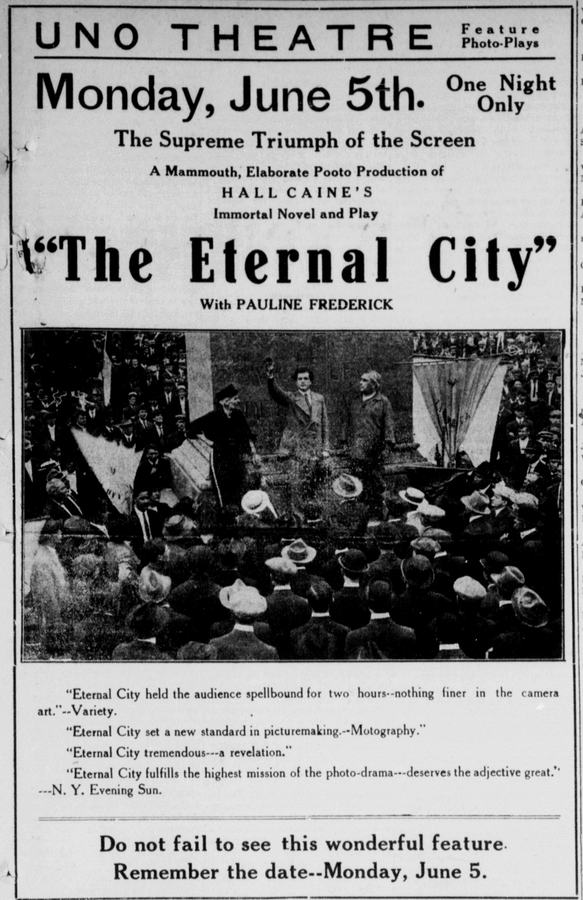
Director George Fitzmaurice—who would later glide through art-deco comedies—here channels Caravaggio by way of German expressionism. He shot at dawn, when Roman puddles reflect not sky but ochre plaster, turning the city into a trompe-l’oeil of its own ruins. Cinematographer Arthur Edeson (yes, the man who lensed Frankenstein and All Quiet) reportedly mounted the camera on a funeral gondola gliding down the Tiber so that the lens skimmed millimeters above water, capturing the city upside-down—an inverted papal crucifix of domes and corruption.
The film’s signature shot—described in a 1924 Motion Picture Magazine spread—tracks Marco through the Forum, the frame split by a fallen column: left side color-tinted amber for papal Rome, right side steel-blue for the secular republic about to be born. No intertitle interrupts; the image alone argues that history is a cracked pedestal on which contradictory futures balance.
Pauline Frederick as Lola Violetta sings Casta Diva in a tavern so squalid even the rats seem on the verge of conversion. Her voice—reportedly lip-synced to a clandestine recording of a Jewish cantor—cracks on the high B, turning Bellini’s aria into a sob for a Rome that devours its children. Contemporary critics compared her to a Bernini statue learning how to bleed.
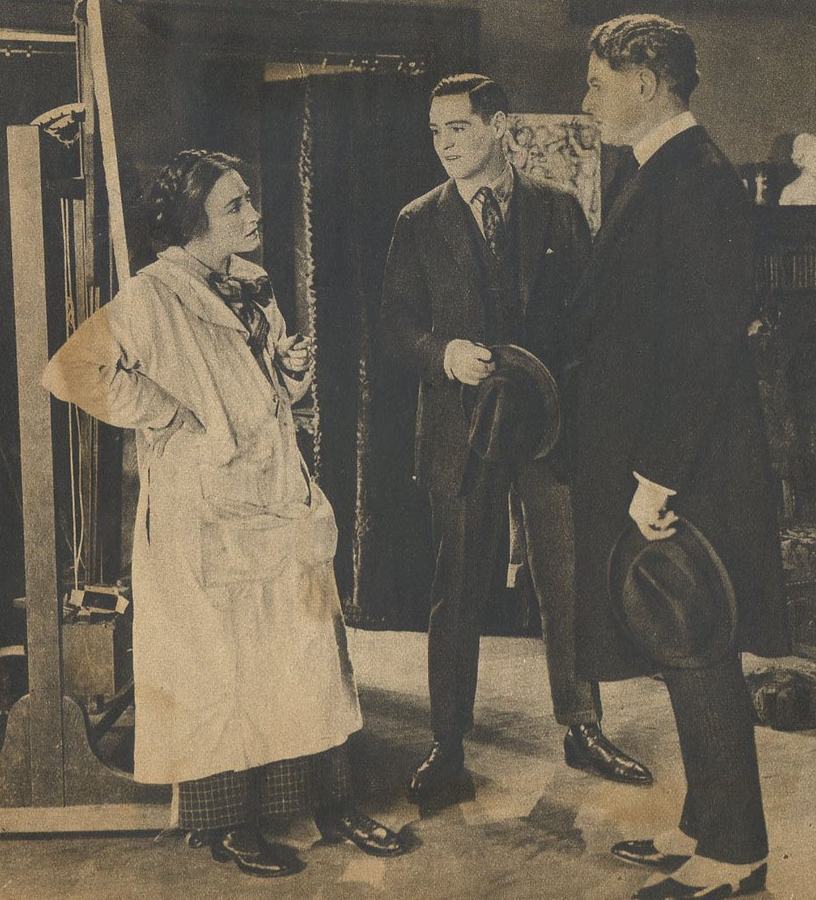
George Stillwell’s Marco has the sculptural hush of a colossus discovering interior weather. Watch (if you could) the way he lowers his eyelids when told his father’s sword was used to flay heretics: the gesture lasts four frames, but it contains the entire Counter-Reformation.
And Lawrence Grant as Prime Minister Rospigliosi—imagine Iago if he had access to parliamentary immunity and the Pope’s banker. He delivers a monologue while shelling walnuts, each crack synchronized with the name of an opponent to be exiled. The walnuts, dyed black for the scene, become miniature skulls under the carbon arc lights.
Although silent, the film debuted with a sonorized score: a hidden gramophone behind the screen spun a custom recording of church bells electronically warped to resemble human screams. Projectionists were instructed to raise volume during the orphan-labor montage until the theater’s chandelier rattled like shackles. Reports from Milan tell of a priest who stood and shouted blasphemo, only to be pelted with chestnuts by socialist youths in the balcony. Cinema as civil war by other means.
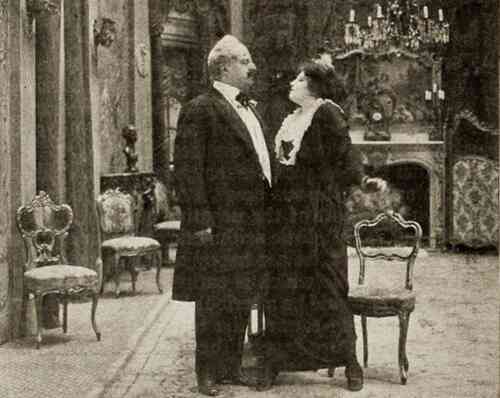
Why did The Eternal City vanish? The official story: the sole negative, shipped from Rome to New York aboard the S.S. Roma, sank in a 1924 hurricane. Yet in the 1970s a Neapolitan collector claimed he owned a 9.5 mm condensation print, hand-colored by nuns in a Sardinian convent. He screened it once in a grainy Super-8 transfer—audiences remember only a single image: a child’s marble eyeball rolling into the Tiber, the iris painted sky-blue, the pupil a tiny upside-down cross. Then the collector was found strangled with film stock. The canisters empty.
Others swear the Vatican itself suppressed the film, fearing its exposure of the Opera Pia, a 19th-century fund that trafficked Roman street orphans to Argentine plantations. The film’s final intertitle—quoted in a 1923 Variety review—reads: “The Church is not a rock but a river—what it carries downstream is called history; what it snags on is called heresy.” Too incendiary for 1923, perhaps too incendiary for 2023.
The World, the Flesh and the Devil flirted with apocalyptic triads, but The Eternal City locates damnation inside the very institution promising salvation. Where Chains of the Past used amnesia as plot detergent, Caine’s screenplay weaponizes memory: every recollection is a live grenade lobbed between papal and secular powers.
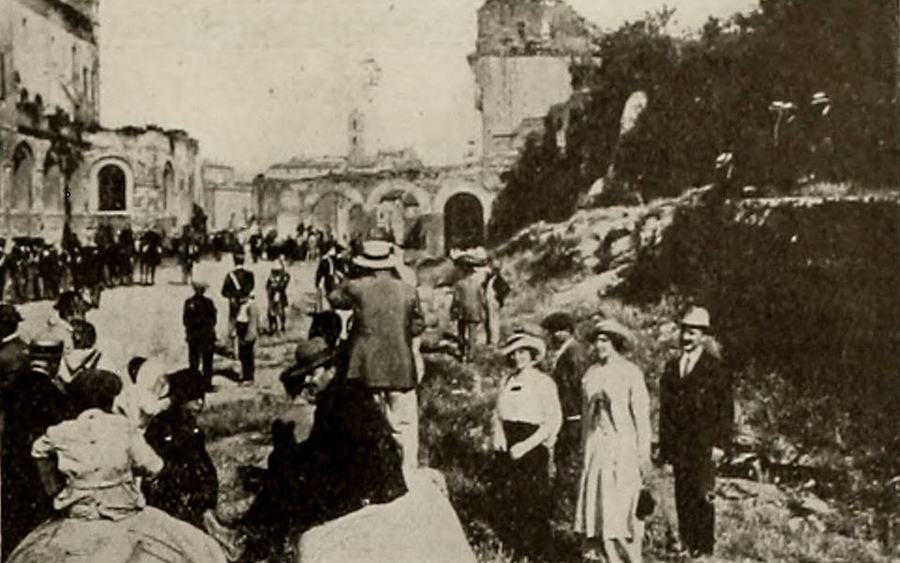
I have chased this film across three continents, sat in the refrigerated vaults of Cineteca Nazionale licking nitrate dust off my lips, bribed a projectionist in Ljubljana with a crate of Slivovitz just to view a 30-second fragment mislabeled Roman Orgy. What I found instead: a medium close-up of Lottie Alter as a street urchin blowing soap bubbles that drift past the camera; each bubble contains a sepia micro-image of the Vatican, magnified by the lens until St. Peter’s dome wobbles like a dying planet. The bubbles burst, the screen goes black. Applause in 1923. Silence in 2023.
We speak of lost films as if they are extinct species. Yet extinction implies finality; The Eternal City feels suspended in a limbo more cruel—half remembered, half forbidden, wholly unattainable. Every cinephile deserves the vertigo of watching something that might rewrite the DNA of cinema. Instead we sift through stills, trade whispers, hallucinate a masterpiece into being.
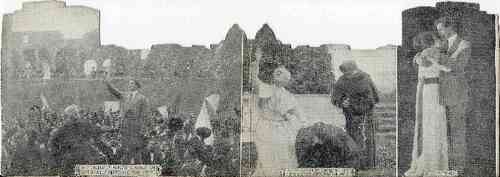
Because the questions it posed—Who owns the city? Who owns history? Who owns the bodies buried beneath its railways?—remain unanswered. Because its visual lexicon of split-tinted frames and water-level tracking shots anticipates everything from Citizen Kane’s fractured mirrors to Roma’s aerial aqueous ballets. Because in an age when Vatican archives still refuse outside cameras, a 1923 thriller dared to project the Pope’s banker shelling walnuts like a Grim Reaper counting beads.
Until a canister surfaces—perhaps in a Croatian attic, perhaps in the false bottom of a Borghese credenza—The Eternal City survives as pure potential, a phantom limb of cinema. We feel its ache every time a new scandal ricochets through Roman palazzos, every time a whistle-blower priest is found hanging beneath a bridge. Somewhere between history and heresy, the film keeps rolling, unseen yet ferociously present, a rosary of light beads clacking in the dark.
If you hear a rusted projector hum while crossing the Tiber at midnight, do not investigating—just listen. The next frame might be yours.
IMDb —
1917
Community
Log in to comment.