DbcultAccessing Vault...
Cult Review
Senior Film Conservator
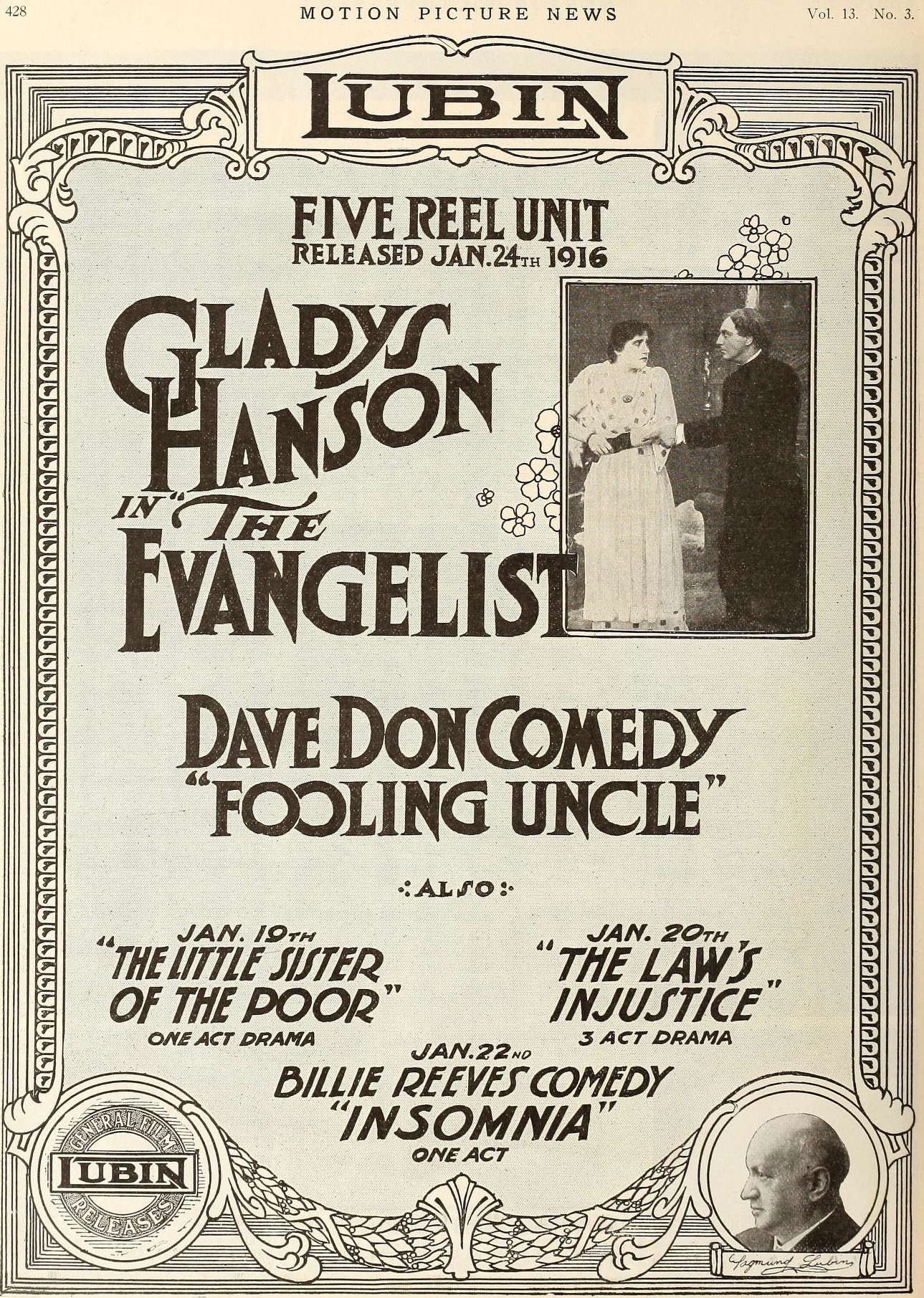
The silent era of cinema often functioned as a crucible for the moral anxieties of a world teetering on the edge of modernity. In The Evangelist, directed with a keen eye for social friction, we are presented with a narrative that is as much about the cold mechanics of industry as it is about the fragile thermodynamics of the human heart. The film serves as a poignant reminder that before the advent of synchronized sound, the eloquence of the image and the gravity of the performance had to carry the weight of complex theological and domestic disputes.
At the center of this storm is Philip Nuneham, portrayed with a stiff, unyielding authority that perfectly encapsulates the Edwardian obsession with productivity. Nuneham is not a villain in the traditional sense; he is a man consumed by the macro-vision of electrification, a visionary who views the world in terms of voltage and output while remaining tragically blind to the emotional brownout occurring within his own drawing-room. This preoccupation creates a vacuum, one that Christabel Nuneham is all too humanly compelled to fill. Her loneliness is not merely a plot point; it is a palpable atmosphere, a thick fog of isolation that Florence Hackett navigates with a nuanced vulnerability.
The introduction of Rex Allan, the young army officer, provides the spark that ignites this volatile domestic situation. Unlike the gritty realism found in Ashes of Embers, the romance here feels like a desperate flight from reality rather than a calculated betrayal. The scenes leading up to the Southampton departure are filmed with a sense of impending doom, the camera lingering on the shadows of the railway station as if to suggest that the darkness of their secret will eventually overtake them.
The turning point of the film—the automobile accident—is a masterclass in early cinematic tension. In an age where the motorcar was still a symbol of dangerous luxury, the crash serves as a literal and metaphorical collision between the private sins of the individual and the public judgment of the world. It is here that we meet the titular figure, Sylvanus Rebbings. As played by the commanding Walter Law, Rebbings is a fascinating departure from the stereotypical cinematic preacher. He is a man of the people, an iconoclast who rejects the high-church pomposity for a more visceral, radical connection with the divine.
Rebbings’ presence in the film challenges the viewer to reconsider the nature of grace. His congregation is the largest in the country, yet he is a pariah among the religious establishment. This tension mirrors the thematic depth found in The Shepherd of the Southern Cross, where the conflict between institutionalized faith and genuine spirituality takes center stage. Rebbings does not judge Christabel; he offers her a path toward redemption that is internal rather than performative, a stark contrast to the rigid social structures that Philip Nuneham represents.
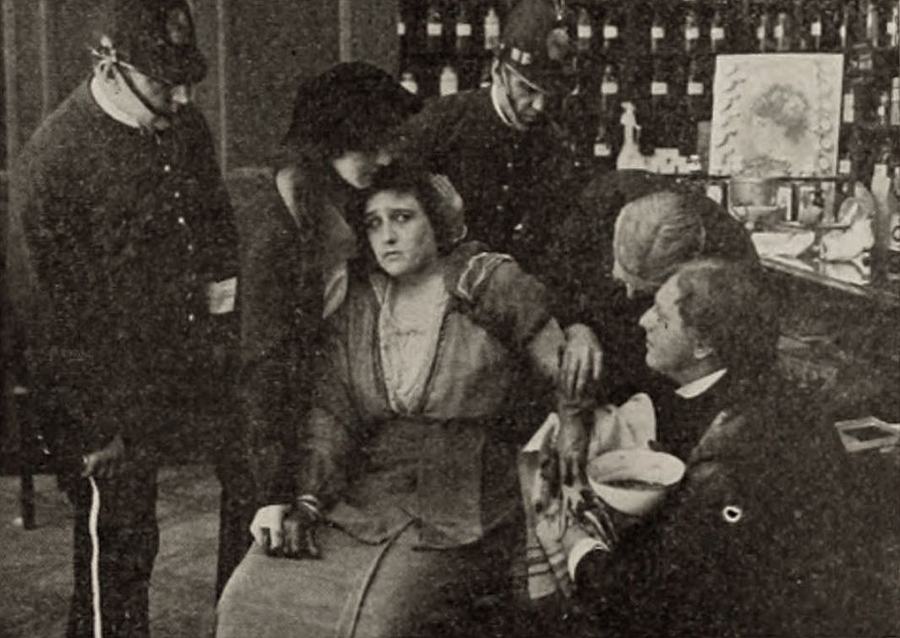
The narrative gains a secondary velocity when Rex Allan returns from India. The ghost of the past is no longer a memory but a physical presence that demands reckoning. Christabel’s attempt to sever the ties of her former life is met with the crushing weight of societal expectation and her husband’s burgeoning suspicion. The film expertly maneuvers through these sequences, utilizing intertitles that possess a literary quality, likely a byproduct of Henry Arthur Jones’ involvement in the writing. The dialogue, though silent, carries a sharp, theatrical bite that heightens the stakes of every confrontation.
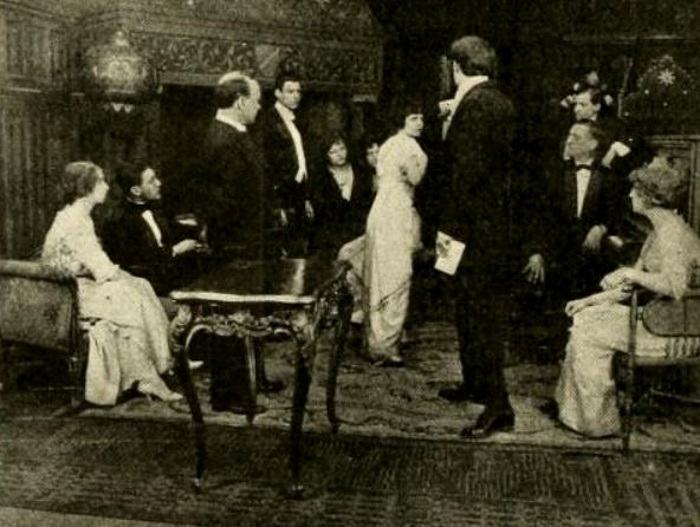
When Philip finally uncovers the truth, the film shifts from a drama of manners into a searing domestic tragedy. His threat to divorce Christabel and, more cruelly, to keep their daughter Ione, strikes at the very heart of the maternal instinct. This loss of agency for the female protagonist is a recurring motif in films like Lola or The Flower of No Man's Land, where the legal and social structures of the time are weaponized against women who dare to deviate from the prescribed path of domesticity.
Visually, The Evangelist is a feast for those who appreciate the chiaroscuro of the silent screen. The use of light in Rebbings' tabernacle—bright, inclusive, and warm—stands in sharp contrast to the cold, angular shadows of Nuneham’s industrial offices. The cinematography captures the vastness of the power plants, suggesting a scale of human ambition that threatens to dwarf the individuals who build them. This visual storytelling is reminiscent of the atmospheric tension in Tigris, though the subject matter here is far more grounded in social realism than in the pulp thrills of the detective genre.
The performances are uniformly excellent. Florence Hackett avoids the histrionics that often plagued early silent acting, opting instead for a restrained grief that makes her eventual breakdown all the more impactful. Jack Standing, as Rex, balances the charm of a lover with the inherent selfishness of a man who does not fully grasp the wreckage he leaves in his wake. However, it is Walter Law who dominates his scenes, providing a moral compass that remains steadfast even as the world around him descends into vitriol and hypocrisy.
One of the most daring aspects of the film is its unflinching critique of the religious establishment. Rebbings' "radical" views are never fully articulated as dogma, but rather as a commitment to the spirit over the letter of the law. The film portrays the established church as a collection of gatekeepers more interested in maintaining their social standing than in the actual salvation of souls. This theme of moral corruption within supposedly holy institutions is echoed in Alone with the Devil, where the veneer of respectability often hides a rot of personal failing.
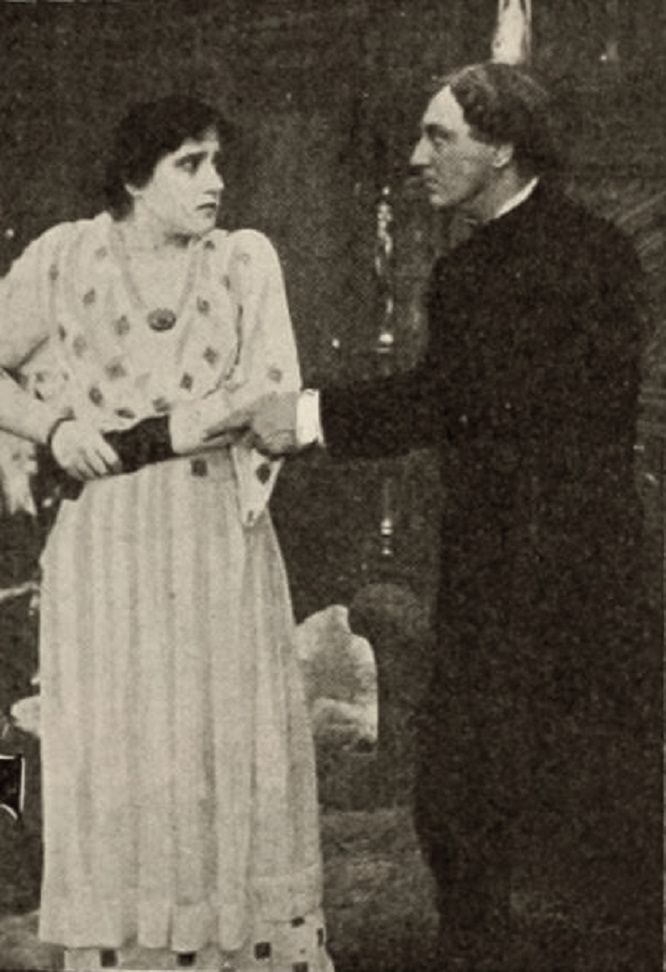
In The Evangelist, the true test of faith is not found in the pulpit but in the capacity for forgiveness. Philip Nuneham’s inability to forgive is his greatest failing—not his obsession with work, but his refusal to recognize the humanity of his wife once she has fallen from her pedestal. The film posits that the industrialist and the traditionalist are two sides of the same coin: both seek to control and categorize life rather than to experience its messy, redemptive reality.
The final act of the film is a whirlwind of emotional reckonings. The tension between the impending divorce and Rebbings' intervention creates a dramatic crescendo that feels earned. Unlike many contemporary films that might opt for a tidy, happy ending, The Evangelist understands that some bridges are burned too thoroughly to be crossed again. The resolution is bittersweet, focusing on the preservation of the child’s future and the internal transformation of Christabel rather than a simple restoration of the status quo.
The film’s pacing, while deliberate, ensures that the weight of the characters' choices is felt by the audience. It does not shy away from the consequences of Christabel’s night in Southampton, nor does it excuse Rex’s role in the affair. Instead, it places all these elements within the larger context of a society that is undergoing its own painful transformation. The power plants that Philip builds are the future, but the film asks what kind of future it will be if the human element is sacrificed on the altar of progress.
Comparing The Evangelist to other works of the period, such as On the Steps of the Throne or A Modern Mephisto, reveals a film that is remarkably progressive in its treatment of spiritual independence. While many silent dramas were content to punish the "wayward woman" with death or destitution, this film offers a more complex avenue of survival through the mentorship of a radical outsider. It suggests that the true evangelist is not one who converts others to a creed, but one who empowers others to find their own truth amidst the wreckage of their mistakes.
In conclusion, The Evangelist is a vital piece of cinematic history that transcends its melodramatic roots. It is a sophisticated exploration of the intersections between faith, industry, and the domestic sphere. For the modern viewer, it provides a window into a world where the stakes of personal conduct were absolute, yet it also offers a timeless message about the necessity of empathy in an increasingly mechanical world. The collaboration between Clay M. Greene and Henry Arthur Jones produced a work that is intellectually stimulating and emotionally resonant, a rare feat in any era of filmmaking. As Christabel stands between the light of Rebbings’ tabernacle and the cold iron of her husband’s world, we are reminded that the struggle for the soul is the most enduring story of all.
Reviewer's Note: For those interested in the evolution of these themes, I highly recommend viewing Sweet Kitty Bellairs for a more lighthearted take on social scandal, or The Warrior for a different perspective on the sacrifice of the individual for the sake of the collective.
IMDb —
1914
Community
Log in to comment.