DbcultAccessing Vault...
Cult Review
Senior Film Conservator
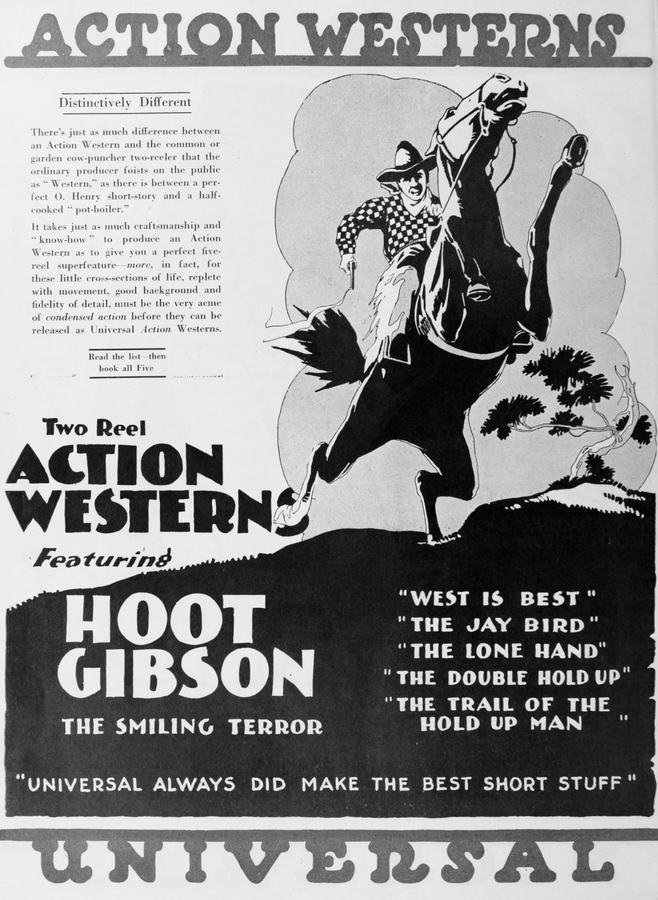
To watch The Face in the Watch (1919) is to step into a time capsule where the nascent grammar of cinema was still being written in the sweat and dust of the American West. This is not the sanitized, Technicolor frontier of later decades, but a gritty, tactile world where every frame feels earned. The film, directed with a keen eye for kinetic energy, serves as a pivotal showcase for Hoot Gibson, a performer whose transition from the rodeo circuit to the silver screen brought an unparalleled authenticity to the genre. Unlike the more theatrical performances found in contemporary dramas like A Woman's Honor, Gibson possesses a stillness that commands the frame, a precursor to the minimalist cool of modern action stars.
The central conceit—the watch—acts as a brilliant MacGuffin, yet it transcends that role to become a thematic anchor. In an era where films like The Fly Ball focused on physical prowess and athletic spectacle, The Face in the Watch delves into the psychological weight of memory. The 'face' inside the watch represents a lost innocence, a spectral presence that haunts the protagonist’s every move. It is a masterclass in visual storytelling, where a simple prop carries the burden of the entire narrative arc.
The casting of Duke R. Lee as the antagonist provides a necessary foil to Gibson’s understated heroism. Lee’s presence is heavy, his movements deliberate and imposing, creating a palpable sense of dread whenever he appears. This rivalry is the engine of the film, a collision of two distinct masculine archetypes. While Fighting Mad might have relied on more overt pugilism, the conflict here is simmering, built through tense exchanges and meaningful glances. The chemistry between the leads is bolstered by the presence of Harry Todd and Josephine Hill, who provide layers of humanity to a story that could have easily descended into a binary struggle of good versus evil.
"The brilliance of the 1919 aesthetic lies in its unapologetic embrace of shadows and the rugged topography of the human face, a landscape as vast and unforgiving as the Mojave itself."
Josephine Hill, in particular, avoids the trap of the 'damsel' trope. Her character exerts a quiet influence over the proceedings, a subtle agency that echoes the burgeoning complexity of female roles in films like The Hellion. She is the moral compass of the piece, the reason the watch matters in the first place. Her interactions with Gibson are played with a delicate restraint, suggesting a deep history that the script—penned by the prolific Harvey Gates and Arthur Henry Gooden—wisely leaves to the viewer's imagination.
The screenplay is a marvel of economy. Gates and Gooden were masters of the short-form Western, a format that demanded immediate engagement and a swift resolution. In The Face in the Watch, they manage to weave a complex web of motivation within a limited runtime. The pacing is relentless, yet it allows for moments of quiet contemplation. This is a far cry from the more whimsical nature of It's a Bear or the social commentary found in Who Pays?. Instead, the writers lean into the noir-adjacent qualities of the Western, focusing on the inevitability of fate and the weight of the past.
The dialogue—delivered through intertitles—is sharp and evocative, avoiding the flowery sentimentality that plagued many silent films of the era. There is a rugged poetry to the language, a reflection of the harsh environment the characters inhabit. This linguistic precision ensures that every beat of the plot feels earned, leading to a climax that is both emotionally satisfying and visually arresting. The way the watch is integrated into the final confrontation is a stroke of genius, turning a symbol of time into an instrument of destiny.
Technically, the film is a fascinating study in early 20th-century cinematography. The use of natural light is masterful, with the harsh sun of the desert creating deep, expressive shadows that mirror the internal conflicts of the characters. The camera work is surprisingly dynamic for 1919, utilizing tracking shots and varied angles that create a sense of immersion. While it may not have the avant-garde flourishes of Marionetki roka, there is a sturdy, artisanal quality to the visuals that is undeniably effective.
The editing, too, deserves recognition. The cross-cutting during the chase sequences creates a level of suspense that rivals modern thrillers. This rhythmic editing was a hallmark of the period, also seen in works like The Rebel, but here it is used with a specific focus on the ticking clock—metaphorical and literal. The tension builds not through dialogue, but through the juxtaposition of images: the galloping horse, the desperate face of the protagonist, and the cold, unyielding face of the watch.
To understand the significance of The Face in the Watch, one must consider the landscape of 1919 cinema. The world was emerging from the shadow of the Great War, and audiences were hungry for stories of individual heroism and clear-cut justice. This film provided that, but with a layer of sophistication that pointed toward the future of the genre. It stands in stark contrast to the more lighthearted fare of the time, such as The Perfect Thirty-Six or the sentimental journey of Young Mother Hubbard. It is a film that respects its audience's intelligence, offering a narrative that is as much about the internal landscape as the external one.
The legacy of Hoot Gibson is often overshadowed by later giants like John Wayne or Clint Eastwood, but The Face in the Watch serves as a reminder of his foundational role. His ability to convey complex emotion through physicality alone is a skill that remains relevant. The film’s exploration of themes like redemption and the burden of history would go on to become staples of the Western genre, influencing everything from the works of John Ford to the revisionist Westerns of the 1970s.
In the final analysis, The Face in the Watch is a triumph of silent era craftsmanship. It is a film where the mechanical and the emotional intersect, creating a narrative that is both timeless and deeply rooted in its specific historical moment. The collaboration between the cast and the writing team of Gates and Gooden resulted in a work that transcends its status as a 'short' to become a significant piece of cinematic art. Whether compared to the high-stakes drama of Emerald of Death or the thematic depth of The Greatest Gift, this film holds its own as a compelling, visceral experience.
For those who appreciate the origins of the Western, or for those who simply enjoy a well-told story of suspense and grit, The Face in the Watch is essential viewing. It reminds us that even in the earliest days of Hollywood, filmmakers were capable of creating works of profound resonance. The watch may have stopped ticking long ago, but the face inside it—and the story it tells—continues to captivate those who seek out the hidden gems of film history. It is a testament to the power of the image and the enduring allure of the frontier spirit, captured forever in the flickering light of the silent screen.
As we look back from a century later, the film’s influence can be seen in the DNA of contemporary cinema. The stoic hero, the symbolic object, the relentless pursuit—these are all elements that were refined and perfected in films like this. The Face in the Watch is not just a relic; it is a living document of the power of storytelling, a reminder that the most compelling faces are often the ones we find when we dare to look beneath the surface of time itself. It sits comfortably alongside other classics of the era, from the vibrant Chasing Rainbows to the atmospheric With the Moonshine on the Wabash, and even the sophisticated The Coquette. Each of these films contributed a thread to the tapestry of early cinema, but The Face in the Watch remains one of the sturdiest and most evocative.
IMDb 6.7
1924
Community
Log in to comment.