DbcultAccessing Vault...
6.7/10
Senior Film Conservator
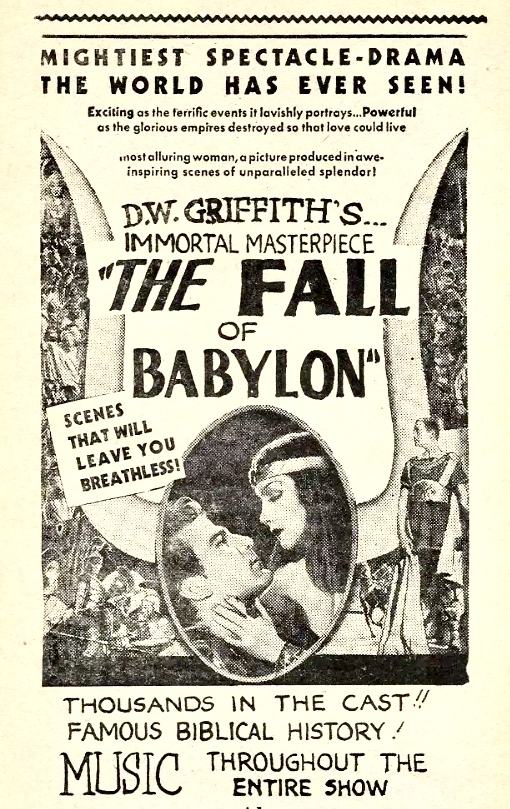
A definitive 6.7/10 rating for a film that redefined the boundaries of cult cinema. The Fall of Babylon remains a cornerstone of transgressive art.
When D.W. Griffith decided to excise the Babylonian sequence from his 1916 magnum opus Intolerance and expand it into the standalone feature The Fall of Babylon (1919), he wasn't merely recycling celluloid; he was attempting to isolate the very essence of the epic. This film stands as a testament to an era when the scale of production was measured in acres of plaster and thousands of extras, rather than terabytes of data. The sheer audacity of the set design—a labyrinth of towering walls and gargantuan sculptures—remains unparalleled, casting a shadow that reaches even the most modern digital blockbusters. Unlike the more intimate, domestic dramas of the time, such as A Sister of Six, Griffith’s Babylonian excursion demands a different kind of spectatorship, one that appreciates the architectural psychology of the frame.
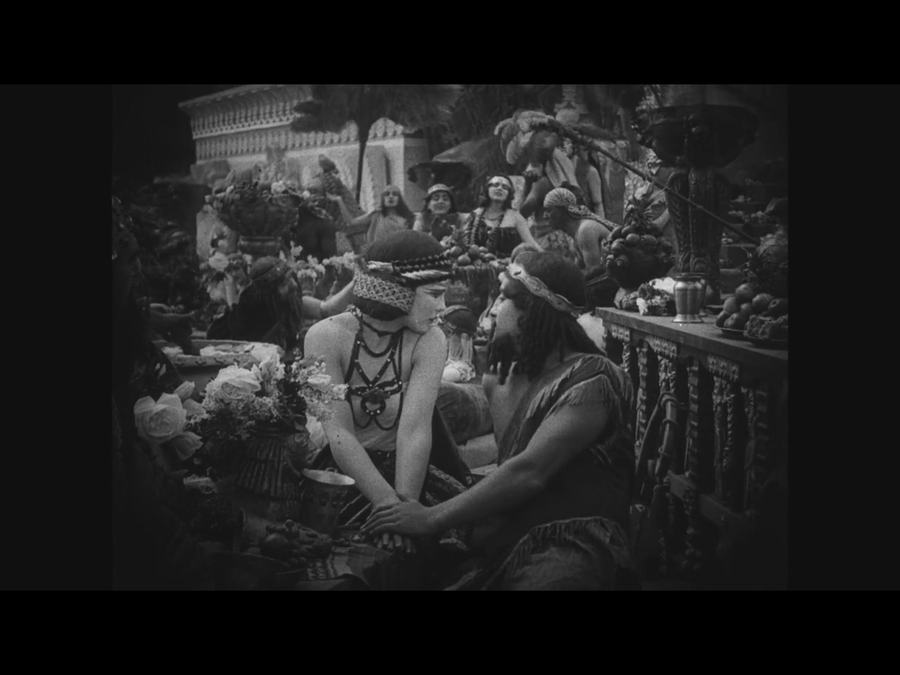
At the center of this swirling vortex of historical upheaval is Constance Talmadge’s Mountain Girl. She is a revelation, a proto-feminist icon who navigates the patriarchal structures of the ancient world with a kinetic, almost feral energy. While many female roles in the late 1910s were relegated to the suffering martyr or the virtuous ingenue—think of the moral complexities in The Double Standard—Talmadge delivers a performance of raw, unvarnished agency. Her movements are jagged, her expressions a mix of comedic timing and tragic depth. She is the audience's surrogate in a world of stilted kings and conniving priests, providing a necessary human tether to the film’s grandiloquent ambitions.
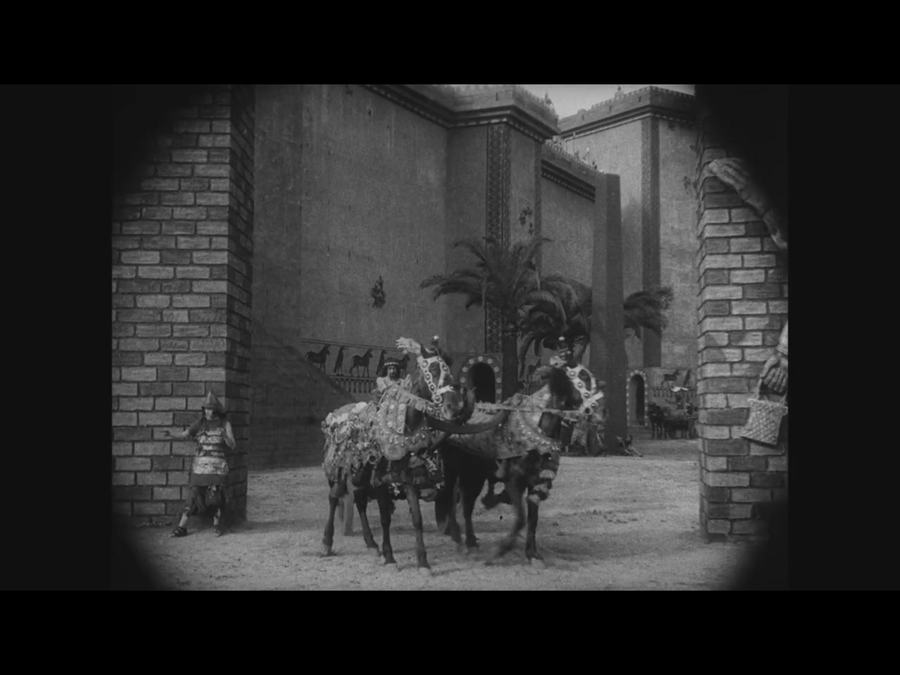
The collaboration between Griffith and cinematographer G.W. Bitzer reaches a zenith here. The use of the iris shot, the strategic placement of foreground elements to create depth, and the pioneering use of crane shots (famously achieved with a massive elevator) transform the screen into a window through time. The lighting, particularly in the scenes within the Temple of Bel, evokes a sense of sybaritic profligacy that feels almost tactile. One cannot help but compare the visual density here to the more straightforward narratives of the period, such as Three Mounted Men. Where other directors were content with capturing action, Griffith and Bitzer were capturing an atmosphere of impending doom. The way the light catches the intricate textures of the costumes—worn by a cast including the likes of Seena Owen and Alfred Paget—adds a layer of verisimilitude that anchors the fantastical elements of the plot.
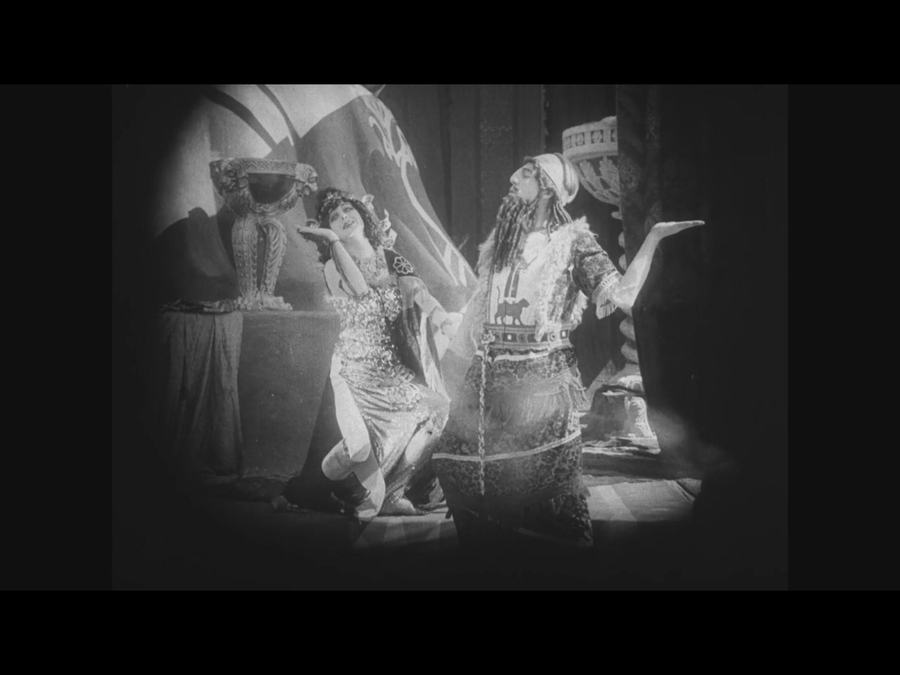
Subtextually, The Fall of Babylon is a scathing critique of institutionalized treachery. The High Priest of Bel, played with serpentine malice by Tully Marshall, represents the rot at the heart of the empire. His willingness to sell out his city to Cyrus the Great for the sake of religious hegemony is a theme that resonates across centuries. This political intrigue provides a sophisticated counterpoint to the more simplistic morality plays often found in contemporary works like Cheerful Givers. Griffith’s Babylon is a place where the gods are used as pawns in a game of terrestrial power, and the fall of the city is portrayed not as a tragedy of external conquest, but as an internal collapse of the social contract.
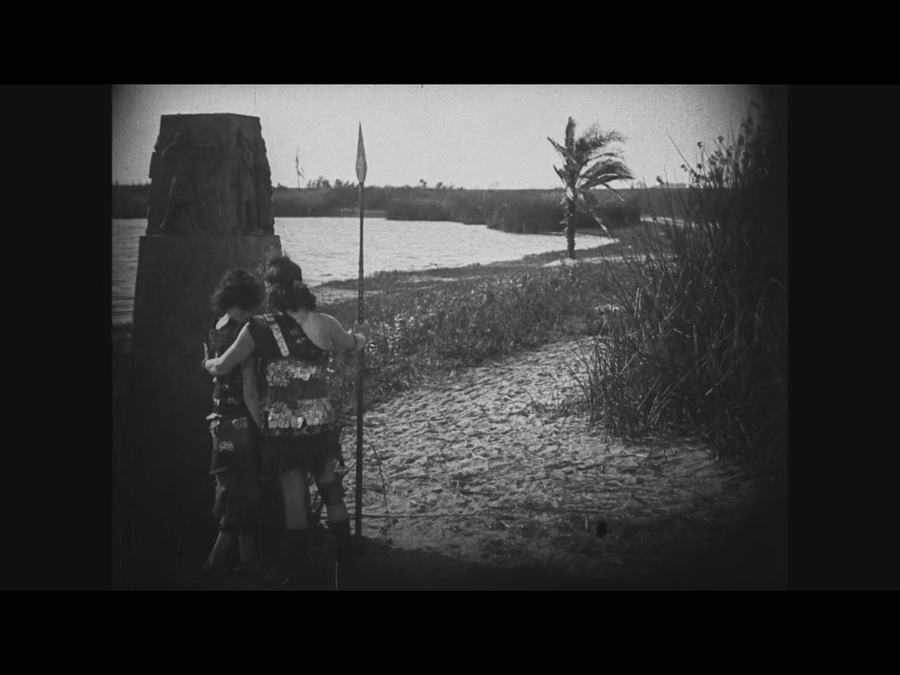
The climactic siege is a masterclass in rhythmic editing. Griffith pioneered the technique of cross-cutting to build tension, and here it is utilized to devastating effect. We leap from the frantic defense of the walls to the desperate prayers in the inner sanctum, then back to the Mountain Girl’s suicidal bravery. The scale is staggering; the screen is filled with an almost overwhelming number of moving parts, yet the narrative clarity is never sacrificed. It lacks the quiet, contemplative pacing of international works like Es werde Licht! 3. Teil, opting instead for a sensory assault that leaves the viewer breathless. The use of real fire and physical stunts—long before the safety nets of modern CGI—imbues the destruction with a terrifying permanence.
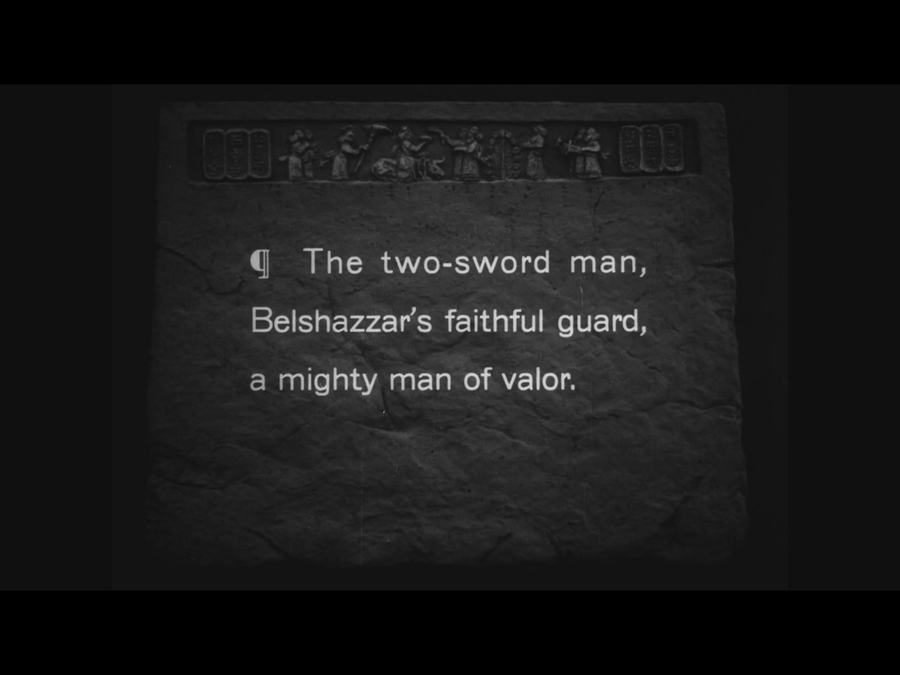
While the film boasts an ensemble that reads like a 'Who's Who' of early Hollywood—including a young, uncredited Erich von Stroheim and the ethereal Ruth St. Denis—it is the singular focus on the Mountain Girl’s journey that prevents the spectacle from becoming hollow. Her interactions with King Belshazzar (Alfred Paget) are tinged with a tragic realization of class and destiny. She loves a man who is essentially a symbol, a king who is as much a prisoner of his station as she is of her poverty. This dynamic is far more nuanced than the typical romantic subplots of the era, such as those seen in Alias Mrs. Jessop or the lighthearted Madam Who?. It is a romance born of desperation, played out against the backdrop of a world ending.
The 1919 version of the film introduced several new scenes not present in the original Intolerance cut, further fleshing out the Mountain Girl’s backstory and the intricate court rituals. This expansion allows for a more immersive experience, though it occasionally slows the breakneck pace Griffith was known for. The intertitles are more than just dialogue; they are poetic flourishes that heighten the mythological weight of the story. In comparison to the gritty realism of A Factory Magdalen, The Fall of Babylon operates in the realm of high opera. Every gesture is magnified, every shadow is deliberate. The film’s ability to communicate complex theological and political conflicts through purely visual means is a testament to the sophistication of the silent medium before it was 'interrupted' by sound.
Released just after the conclusion of World War I, the 1919 audiences likely saw reflections of their own shattered world in the ruins of Babylon. The themes of a great power falling due to internal corruption and external pressure were not merely historical curiosities; they were contemporary anxieties. While films like Meatless Days and Sleepless Nights dealt with the immediate domestic realities of the war effort, The Fall of Babylon provided a grander, more philosophical lens through which to view the fragility of civilization. It reminded the viewer that no empire, no matter how golden its gates, is immune to the tides of history. This sense of cosmic irony is what elevates the film from a mere action piece to a work of profound art.
The influence of Griffith’s Babylonian sets can be seen in everything from Fritz Lang’s Metropolis to the sprawling epics of Cecil B. DeMille. The film established a grammar for the historical epic that is still in use today. When we look at the character-driven narratives of The Dragon or the melodrama of A Rich Man's Plaything, we see the building blocks of cinema, but in The Fall of Babylon, we see the completed cathedral. It is a film that refuses to be forgotten, much like the mountain girl who refuses to surrender. It remains a staggering achievement of the human imagination, a celluloid monument to the hubris of man and the enduring power of the individual spirit.
Final Note: For those seeking to understand the evolution of the action heroine, look no further than Constance Talmadge in this production. Her performance predates the modern archetype by decades, proving that the silent era was far more progressive and daring than it is often credited for. Whether compared to the emotional weight of For sin Dreng or the romantic sweeping nature of Un romance argentino, Griffith's work remains the definitive benchmark of the early 20th-century epic.
IMDb 6.8
1931
Community
Log in to comment.