Summary
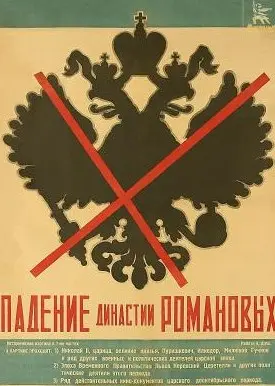
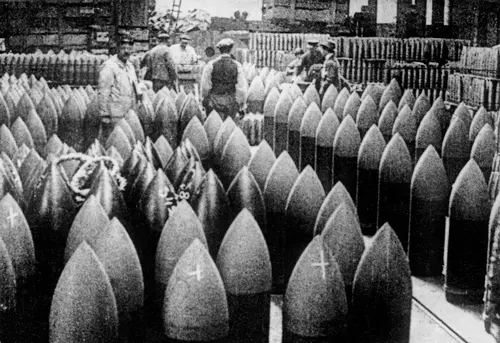
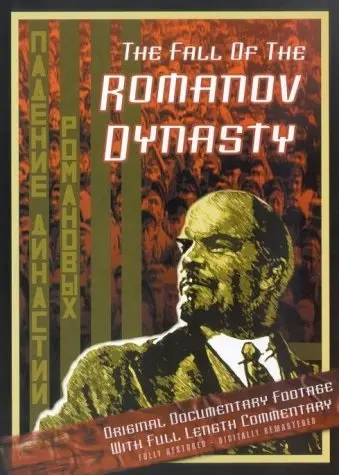
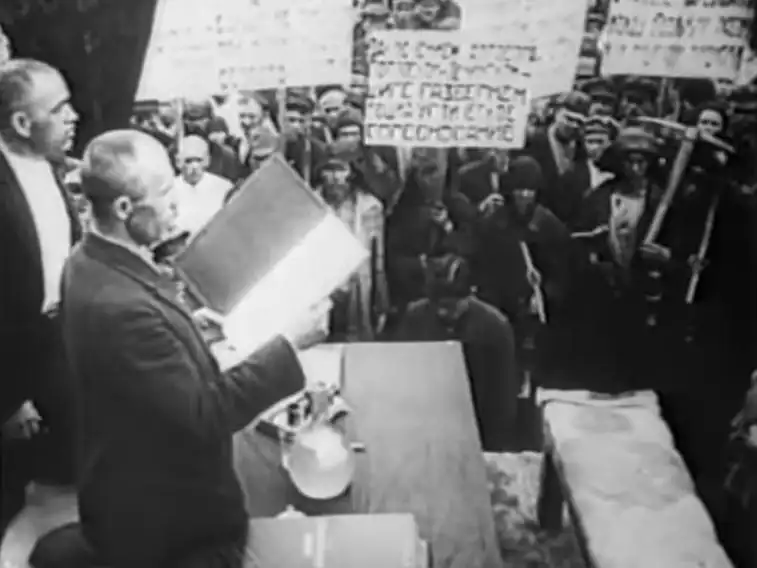
Esfir Shub does not merely recount history in The Fall of the Romanov Dynasty; she performs a cinematic autopsy on a dying empire. Using recovered archival footage that was originally intended to glorify the Tsar, Shub reassembles the narrative to highlight the grotesque disparity between the decadent Romanov court and the starving masses. The film begins with the 300th-anniversary celebrations of the dynasty in 1913, capturing the peak of imperial pomp. However, through a relentless and rhythmic montage, Shub juxtaposes the ballroom dances of the elite with the grueling labor of the Russian peasantry. As the narrative shifts toward the outbreak of World War I in 1914, we see the machinery of the state grind its people into the dirt of the front lines. The film meticulously tracks the erosion of social order, the mounting frustration in Petrograd, and the eventual collapse of the autocracy in 1917. It is a story of how a vacuum of power, created by the Tsar’s abdication and the Provisional Government's failures, was systematically filled by the Bolshevik uprising. This is history told through the very eyes of those who were meant to be forgotten, repurposed from the cameras of those who meant to suppress them.
Synopsis
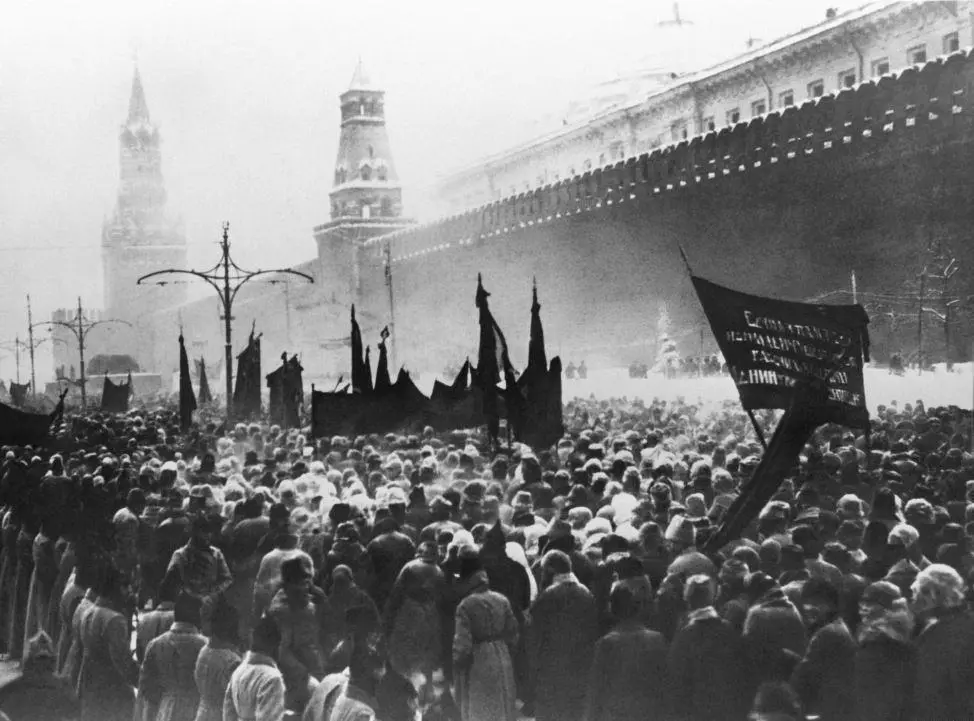
In May 1913 the Romanov Dynasty celebrates its 300th anniversary at the Russian throne. The last emperor in the long line is Tsar Nicholas II. He rules over a country with huge social and economic differences. Russia is for the most part still an agrarian society, but capitalism and its industries are growing. In 1914 Russia gets involved in the First World War. Tsar Nicholas II declares a general mobilization. A vast number of peasants and workers have to go to the front as soldiers. After three years the country is ruined by the war, and there is a shortage of provisions. In February 1917 workers begin striking in the capital, Petrograd. Their protests are soon joined by soldiers. A complete anarchy is threatening the country, when the parliament, called the duma, reorganizes the power structure by forming a new Provisional Government. At the same time the Soviet of Workers' and Soldiers' Deputies forms another ruling body at the City Hall of Petrograd. In this situation Tsar Nicholas II sees no other possibility than to resign from his government. On the 4th of March 1917 he declares his abdication from the throne. The new Provisional Government and its war minister Kerensky continue the war. This presents an opportunity for the Bolsheviks to organize demonstrations and to persuade the workers and soldiers to overthrow the Provisional Government and seize power themselves.
Review Excerpt
"Is The Fall of the Romanov Dynasty a relevant piece of cinema for the modern viewer? Short answer: yes, but only if you are willing to look past the grain and engage with the birth of political editing.This film is for the history buff who craves authenticity over dramatization and the cinephile who wants to see where the 'compilation film' began. It is emphatically not for those who require a high-definition, linear narrative or a character-driven emotional arc.The Critical Verdict1) This film ..."