DbcultAccessing Vault...
Cult Review
Senior Film Conservator
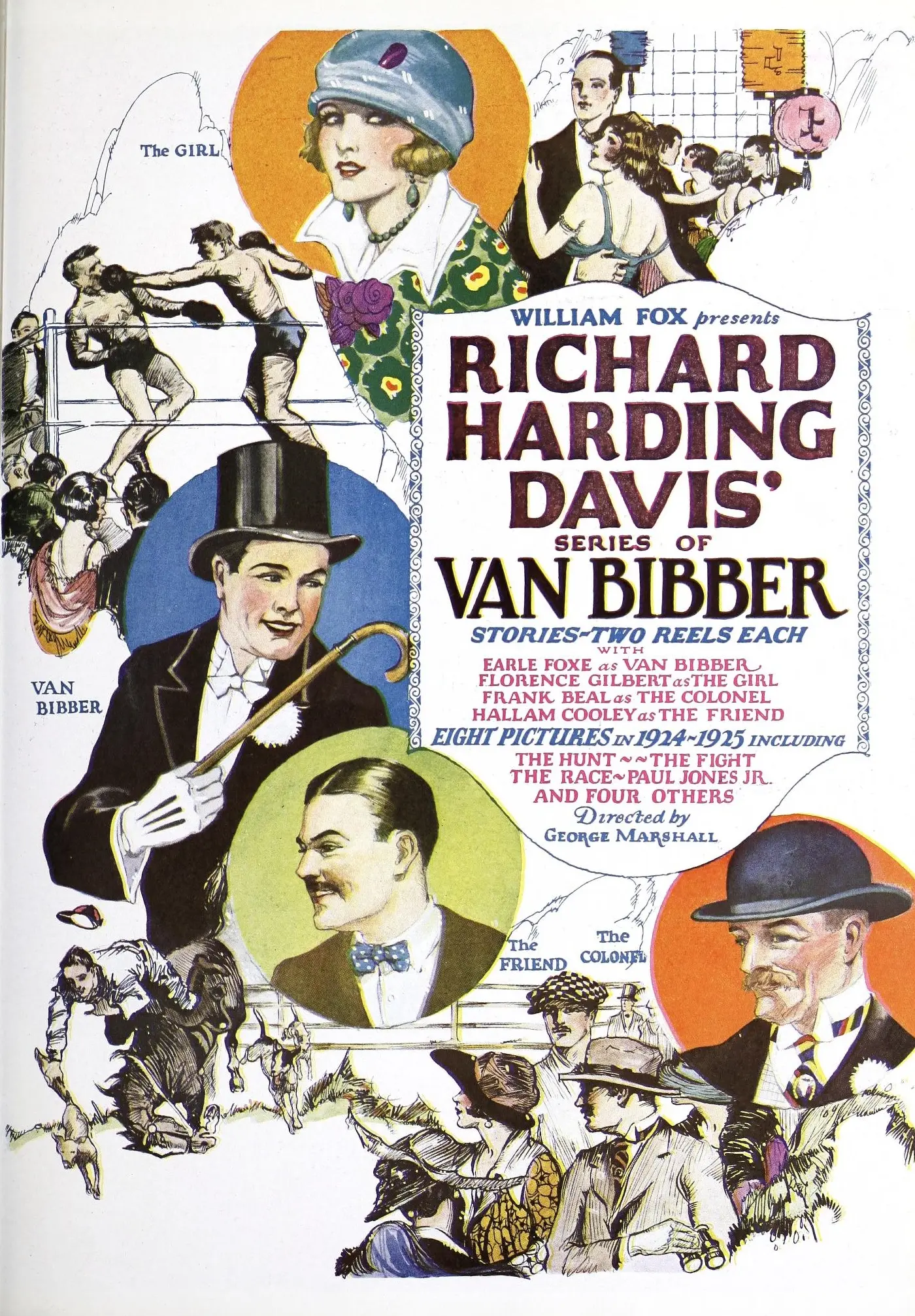
The year 1924 occupied a singular space in the evolution of American cinema, a period where the primitive energy of early slapstick began to coalesce with the sophisticated social satire that would define the late silent era. Robert P. Kerr’s The Fight, based on the literary foundations laid by Richard Harding Davis, stands as a fascinating, if somewhat overlooked, specimen of this transition. It is a film that weaponizes the fragility of the American dandy, placing him in direct, violent confrontation with the burgeoning cult of the hyper-masculine athlete. Through the character of Van Bibber, portrayed with a kinetic, nervous elegance by Earle Foxe, we see a deconstruction of class-based heroism that feels remarkably modern in its cynicism.
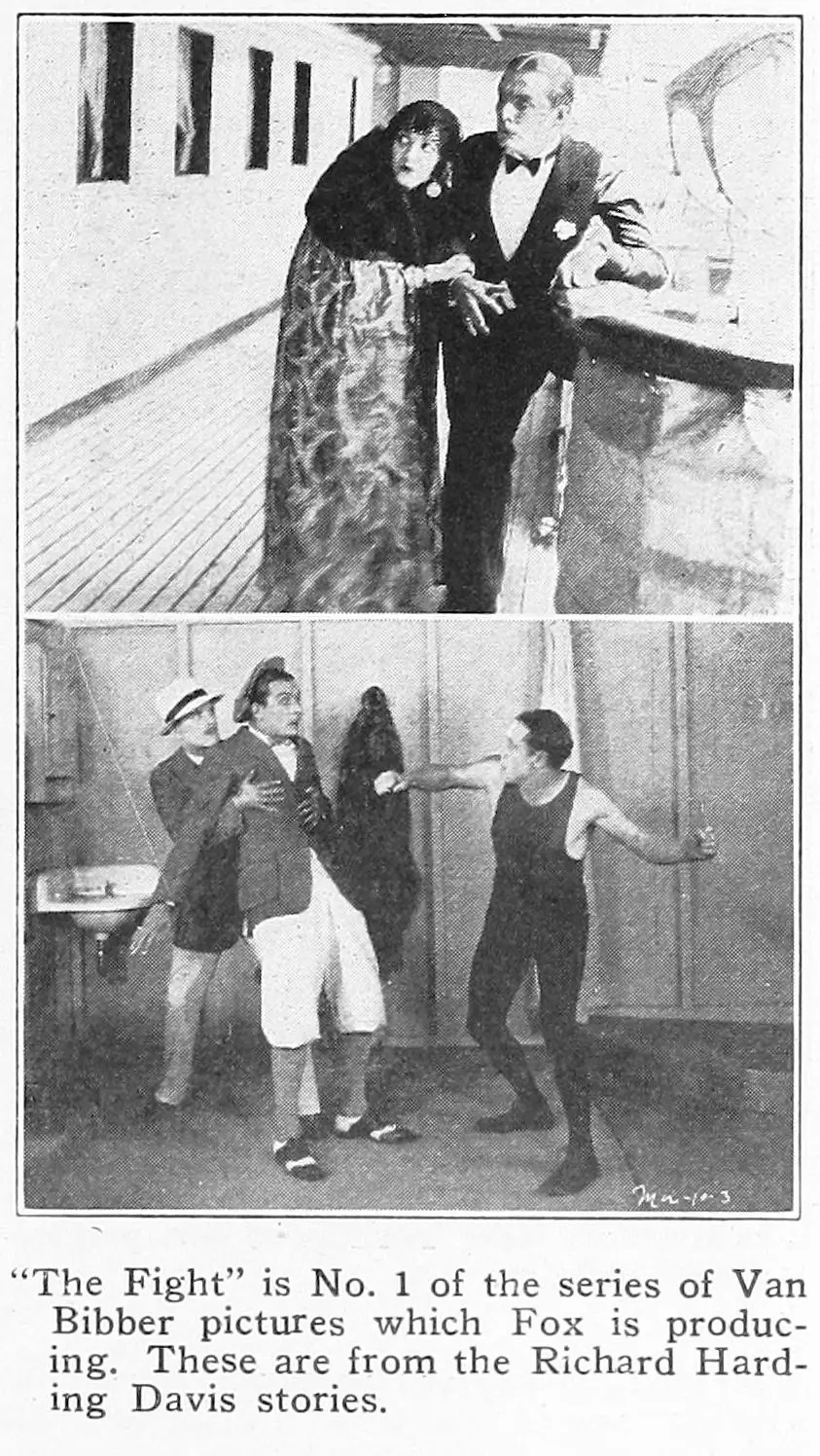
The film’s opening act, set aboard a ship returning to the United States, functions as a masterclass in establishing environmental tension. The ship is more than a setting; it is a liminal space where the rigid social hierarchies of New York and London are momentarily suspended. Here, Van Bibber’s fiancée (Florence Gilbert) finds herself under the spell of a prizefighter. This is not merely a romantic rivalry but an ontological one. The fighter represents the 'atavistic' man—raw, unrefined, and physically dominant—while Van Bibber represents the 'civilized' man, whose power is derived from pedigree rather than punch. This thematic conflict mirrors the anxieties found in other works of the era, such as A Regiment of Two, where the performance of bravery is often more significant than the bravery itself.
The introduction of the female hypnotist is the narrative’s most daring pivot. In an era where Freudian psychology was beginning to permeate the popular consciousness, the idea of a woman exerting control over a man’s subconscious to unlock a hidden well of violence is laden with subtext. The hypnotist acts as a surrogate for the director herself, or perhaps for the audience’s desire to see the underdog succeed by any means necessary. When Van Bibber knocks out the pugilist while in a trance, it is a victory devoid of agency. It is a mechanical triumph, a critique of the 'hero' myth that suggests our greatest successes might be nothing more than the result of external manipulation or sheer, unadulterated luck.
As the narrative shifts to the home front, Kerr turns his lens toward the predatory nature of the media and the fickle heart of the public. Van Bibber, now a celebrity through no merit of his own, becomes a prisoner of his own reputation. The 'home town papers' mentioned in the plot are the silent era’s version of a viral sensation. This segment of the film resonates with the themes of manufactured identity seen in Pop Tuttle’s Movie Queen, where the image of the person completely eclipses the reality of the individual. Van Bibber is forced to inhabit the role of the 'fighting aristocrat,' a persona he is fundamentally ill-equipped to sustain.
The social pressure to participate in an exhibition match—a 'set-up'—is where the film’s satirical teeth really begin to show. The aristocracy, it seems, is perfectly happy with a curated version of violence, one that maintains the status quo without the risk of actual injury. However, when the real fighter appears, the film shifts from social satire into a visceral, albeit comedic, exploration of physical peril. Unlike the more somber explorations of morality found in Tainted Money, The Fight maintains a lightness of touch even as its protagonist is being systematically pummeled.
Earle Foxe’s performance deserves a specialized analysis. Foxe possessed a unique physicality; he could move with the grace of a ballroom dancer one moment and the frantic, disjointed energy of a marionette the next. His portrayal of Van Bibber in the boxing ring is a highlight of 1920s physical comedy. He manages to convey a sense of genuine terror while maintaining the character’s inherent vanity. This duality is essential to the film’s success. If we didn’t believe in Van Bibber’s fear, the intervention of the hypnotist would feel like a cheap plot device. Instead, it feels like a necessary salvation from the crushing weight of reality.
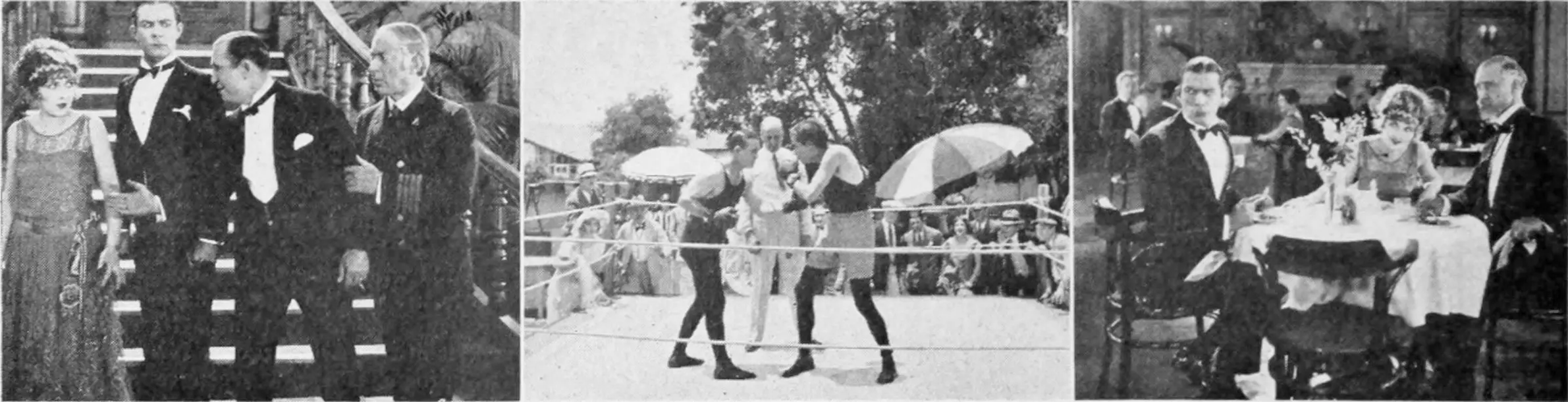
The cinematography by the uncredited but clearly capable crew captures the boxing sequences with a surprisingly modern dynamism. While many films of the period, like The Tenth Case, relied on static wide shots for their dramatic confrontations, The Fight utilizes closer framing to emphasize the disparity between the two combatants. The visual language of the film reinforces the theme of 'man vs. myth,' as the camera lingers on Foxe’s sweat-streaked, terrified visage in contrast to the stoic, immovable force of Tom O’Brien’s pugilist.
The climax of the film, where the hypnotist intercedes to grant Van Bibber a second knockout victory, is a moment of profound narrative irony. In a standard hero’s journey, the protagonist would find the strength within himself to overcome the adversary. He would 'learn' to fight. But The Fight refuses this easy catharsis. Van Bibber never learns to fight; he merely learns to be a better vessel for someone else’s power. This subversion of the 'self-made man' trope is a sharp critique of the American Dream, suggesting that the heights of social and physical success are often achieved through means that are anything but meritocratic.
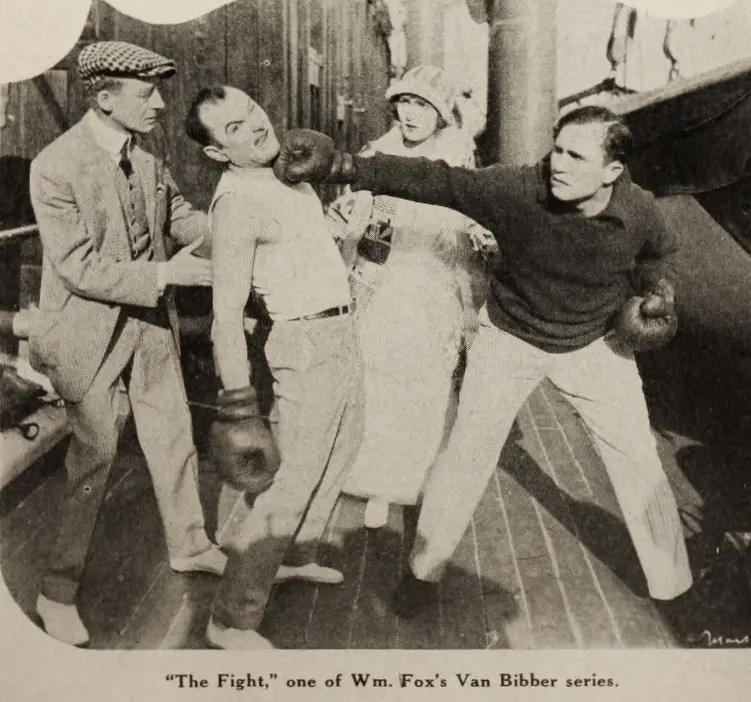
This thematic thread can be compared to the psychological complexities in The Devil’s Double, where the internal and external selves are in constant, irreconcilable conflict. In The Fight, the conflict is resolved not through integration, but through a total surrender to the hypnotic 'other.' It is a fascinatingly dark conclusion for what is ostensibly a light comedy. The hero wins, but he remains a fraud. The girl is won, but she is won by a shadow. The papers are satisfied, but the truth is buried under the spectacle of the knockout.
Watching The Fight in the 21st century allows us to appreciate the film’s intersectional interests. It touches upon the era’s fascination with spiritualism, the changing roles of women (as evidenced by the active, albeit manipulative, role of the hypnotist), and the burgeoning commercialization of sports. It shares a certain DNA with The West~Bound Limited in its reliance on high-stakes physical action to drive the plot, yet it remains more grounded in its social observations. While films like The Seekers looked toward the horizon for meaning, The Fight finds its meaning in the bruising, chaotic present of 1920s America.
The supporting cast, including the reliable Frank Beal and the imposing Tom O’Brien, provide the necessary friction for Foxe to spark against. Florence Gilbert, as the 'girl,' is more than just a trophy; she represents the shifting desires of a generation that was increasingly bored by the polite constraints of the Victorian era and was looking for something 'real,' even if that reality was a brutalized prizefighter. Her eventual return to Van Bibber is less a romantic triumph and more a surrender to the comfort of the familiar, once that familiarity has been seasoned with a dash of manufactured danger.
Ultimately, The Fight is a film about the masks we wear and the people who help us put them on. It is a cynical, hilarious, and technically proficient piece of silent cinema that deserves a place in the conversation alongside the more famous works of the period. Whether compared to the melodrama of The Right to Happiness or the domestic comedy of Ma Hoggan’s New Boarder, Kerr’s film stands out for its unique blend of the mystical and the muscular. It reminds us that in the ring of life, it’s not always the strongest man who wins—it’s the one with the best hypnotist in his corner. It is a work of enduring charm and surprising depth, a testament to the creative vitality of the 1920s film industry before the advent of sound changed the language of cinema forever.
IMDb —
1917
Community
Log in to comment.