DbcultAccessing Vault...
Cult Review
Senior Film Conservator
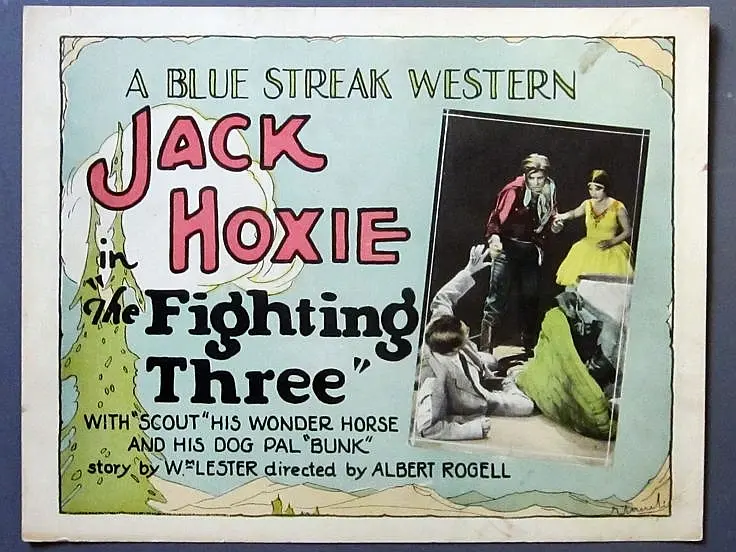
Can a century-old silent film still resonate with modern audiences, or is it merely a historical curiosity? The short answer for The Fighting Three is: yes, but with significant caveats. This 1925 melodrama, with its frantic pacing and labyrinthine plot, is a fascinating artifact for cinephiles and historians, yet it demands a certain patience from the casual viewer.
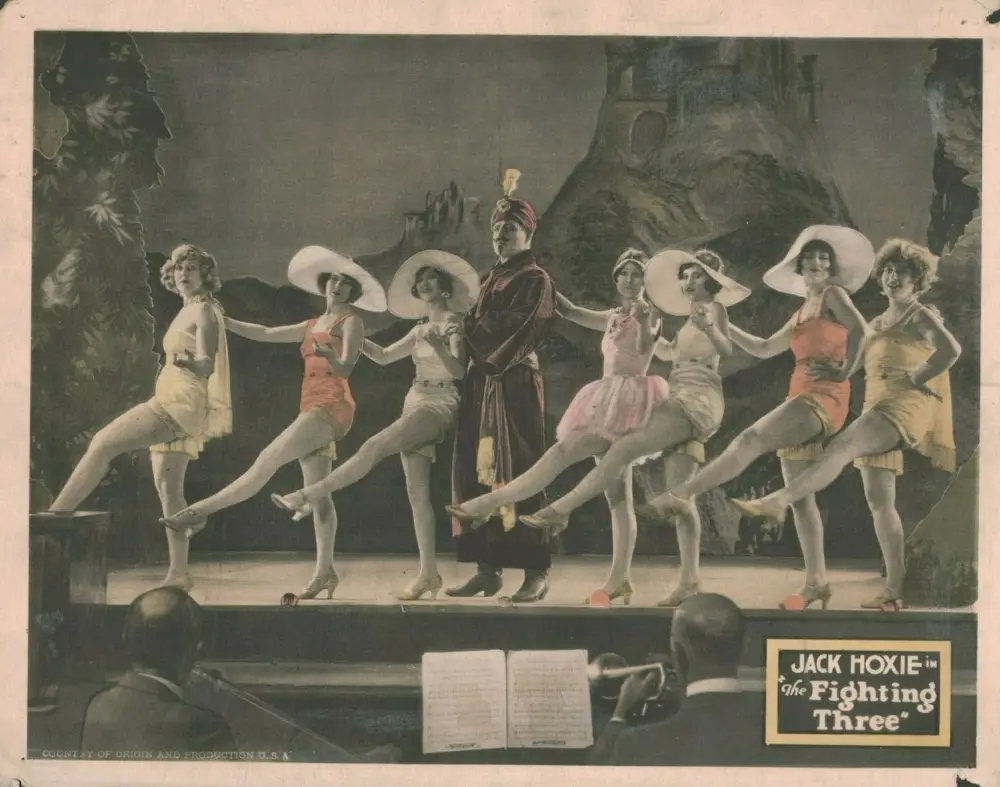
It's a film for those who appreciate the raw energy of early cinema, the exaggerated expressions, and the theatricality that preceded the talkies. Conversely, if you prefer nuanced character studies, seamless plotting, or anything less than a full-throttle sprint through narrative twists, this might not be the experience you're looking for. It’s an acquired taste, certainly, but one that offers a unique flavor of cinematic storytelling.
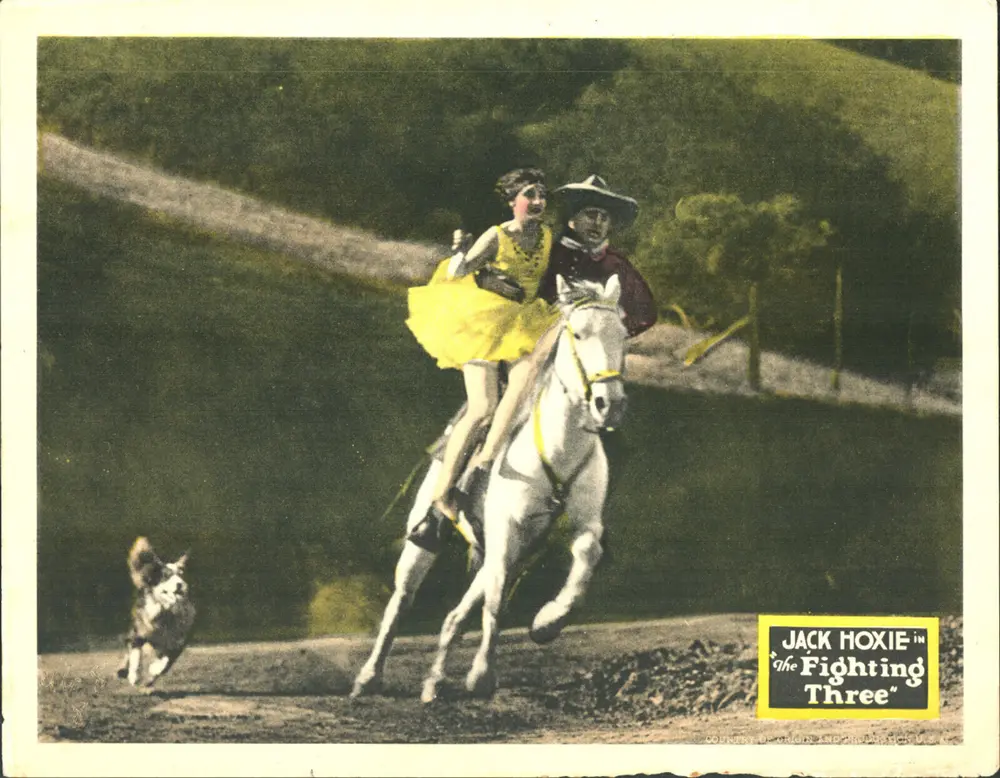
Directed by William Berke, The Fighting Three plunges us into a world where romance and villainy intertwine with almost comedic speed. We open on Mademoiselle Jeanne D'Arcy (Marin Sais), a Parisian Follies soubrette whose life takes an unexpected turn when her stalled truck is rescued by the good-natured cowhand, Jack Conway (William Malan). Their ensuing marriage feels less like destiny and more like a convenient plot accelerator, whisking them into a provincial opera house tour. It's here that the true machinations begin: Jeanne’s father, John D'Arcy (William Bailey), is in the throes of writing a will, naming his daughter as the sole beneficiary. This simple act ignites the ire of his nefarious nephew, Steve Clayton (Henry Roquemore), a character so overtly villainous he practically twirls an invisible mustache.
Steve's attempts to strong-arm his uncle into revising the will quickly escalate, drawing Jack into the fray when he responds to a desperate plea for help. Predictably, Jack is framed for the old man's supposed murder, forcing him into a frantic escape. His refuge? Jeanne's dressing room, where a hasty disguise as a mystic offers a fleeting, almost farcical, reprieve. The film's emotional core, however, is tested when Steve, with a truly Machiavellian zeal, convinces Jeanne that her beloved husband is her father's killer. This leads to a tense, almost unbearable confrontation, only for the narrative to pull the rug out from under us once more: D'Arcy isn't dead, and his accusatory finger points squarely at Steve. It's a plot that requires a significant suspension of disbelief, even for a silent film.
This film works because of its audacious commitment to melodrama and its relentless, almost breathless, parade of plot twists, which keeps the audience engaged despite themselves. It also benefits from a surprisingly strong central performance by Marin Sais, who anchors the emotional chaos. This film fails because its narrative contortions often strain credibility to breaking point, sacrificing logical coherence for sheer dramatic impact. The pacing, while energetic, can feel rushed, leaving little room for genuine character development beyond broad archetypes. You should watch it if you have an interest in silent cinema, appreciate over-the-top melodrama, or are curious to see how early films tackled suspense and betrayal with limited technical means. Skip it if you demand realism, subtle storytelling, or a plot that doesn't feel like three films crammed into one.
The narrative of The Fighting Three is a double-edged sword. On one hand, its sheer audacity in piling twist upon twist is commendable. The film rarely allows a moment to breathe, moving from a charming meet-cute to a murder accusation, then to a disguise, and finally to a near-fratricide, all within its brisk runtime. This relentless forward momentum is, in some ways, its greatest strength, ensuring that boredom is never an option. One might even argue it's an early example of a 'binge-worthy
IMDb —
1924
Community
Log in to comment.