DbcultAccessing Vault...
6.7/10
Senior Film Conservator
A definitive 6.7/10 rating for a film that redefined the boundaries of cult cinema. The Final Extra remains a cornerstone of transgressive art.
Is The Final Extra a lost cinematic gem that demands a modern revival? Short answer: No, it is a fascinating historical curiosity that serves more as a time capsule than a gripping narrative masterpiece. This film is strictly for silent-era enthusiasts and those obsessed with the evolution of the 'hard-boiled reporter' trope in American cinema. It is definitely not for viewers who require fast-paced editing or complex character arcs to stay engaged.
Direct Answer Analysis:
1) This film works because it captures the visceral, mechanical energy of a 1920s newspaper office with a tactile realism that modern CGI simply cannot replicate.
2) This film fails because the transition from gritty crime reporting to the lighthearted romance of a musical comedy feels jarring and unearned.
3) You should watch it if you want to see the exact moment the 'reporter-detective' archetype began to take shape in the shadow of the Prohibition era.
The opening sequences of The Final Extra are its most potent. Director Herbert C. Clark understands the inherent drama of the printing press. The way the giant machines are framed makes them feel like living, breathing beasts. There is a specific scene where the lead reporter, played by John Miljan, stands against the backdrop of spinning rollers that feels genuinely dangerous. The ink seems to smudge the very frame of the film. It provides a grounded, industrial weight that many other films of the period, such as the more ethereal The Return of Peter Grimm, completely lack.
However, the film quickly pivots. We are moved from the grime of the press room to the glitter of the theater. This is where the movie loses its footing. The 'whirlwind of dramatic action' promised by the plot often feels more like a light breeze. The transition is clunky. One moment we are discussing the 'sinister shadow' of a bootleg gang, and the next, we are watching a musical comedy rehearsal. The tonal whiplash is real. It works. But it’s flawed.
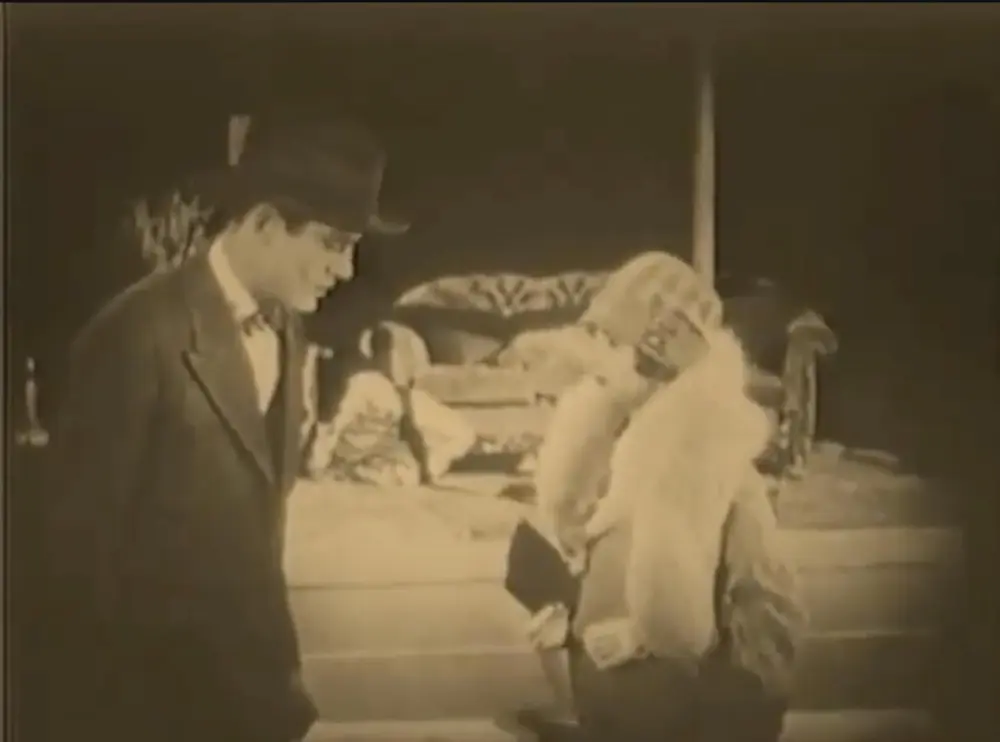
John Miljan is a curious choice for the lead. Historically, Miljan is remembered as one of the great 'heavies' or villains of early Hollywood. Watching him play a romantic, hot-shot reporter is like watching a hawk try to act like a canary. He brings an intensity to the role that feels slightly out of place in the romantic scenes with Marguerite De La Motte. When he is investigating the bootleggers, he is electric. When he is wooing the showgirl, he looks like he’s calculating how to hide a body. It’s an unconventional performance that keeps you watching, even if it doesn't always feel right.
Marguerite De La Motte, on the other hand, is the quintessential silent-era heroine. She manages to convey a sense of 'Broadway grit' without losing the necessary sweetness for the romance to function. Her scenes backstage, surrounded by the 'glitter of a big musical comedy,' provide the film's only real moments of levity. Compared to her work in other melodramas of the time, she feels more grounded here, though the script gives her little to do beyond being the object of the reporter's affection and the target of the gang's threats.
If you are looking for a definitive answer on whether to stream or seek out The Final Extra, consider your interest in technical history. This film provides a rare, detailed look at the 'alert atmosphere' of a pre-Depression newsroom. The sets are the stars here. If you enjoy seeing the mechanical processes of the past, yes, it is worth a watch. If you are looking for a story that will move you or a plot that will keep you guessing, you will likely find it dated and predictable. It is a film of moments rather than a cohesive whole.
The 'sinister shadow' of the bootleg gang is perhaps the film's biggest weakness. In 1927, bootleggers were the go-to villains, much like generic terrorists in 1990s action movies. Here, they lack any specific motivation or personality. They exist simply to provide the 'dramatic action.' There is no character like the nuanced antagonists found in The Girl and the Graft. They are just men in suits with vaguely threatening expressions. This lack of a compelling villain makes the stakes feel lower than they should be, despite the 'whirlwind' pacing.
The cinematography by the uncredited cameramen does its best to elevate these villains. There are some striking uses of silhouette during the nighttime raids. One specific shot, where the bootleggers are seen only as shadows against a brick wall, is a highlight. It suggests a noir sensibility that wouldn't fully mature for another decade. It’s a glimpse into the future of cinema buried in a standard-issue melodrama.
The film advertises itself as a 'whirlwind,' but the pacing is actually quite deliberate. Silent films often suffer from 'intertitle bloat,' where too much of the story is told through text rather than action. The Final Extra is guilty of this. The romance between the reporter and the showgirl is developed through long stretches of dialogue cards that kill the momentum established by the press room scenes. For a film about a 'hot-shot' reporter, the narrative feels surprisingly sluggish in its middle act.
When compared to something like Keep Smiling, which maintains a consistent energy, The Final Extra feels like two different movies stitched together. One is a gritty crime procedural; the other is a fluffy backstage romance. They never quite merge into a single, satisfying story. The 'first night' sequence at the end tries to bring it all together, but by then, the tension has largely dissipated.
The Final Extra is a film that wants to have it both ways. It wants the street cred of a crime drama and the commercial appeal of a Broadway romance. In trying to satisfy both, it ends up being a bit of a muddle. However, its depiction of the newspaper industry is genuinely impressive. It captures a world of hot lead and cold facts that has long since vanished. While it doesn't reach the heights of The Right of Way in terms of emotional resonance, it remains a sturdy example of late-silent era craftsmanship. It’s not a classic, but it’s an honorable failure that is worth a look for the set design alone. It’s a bit like an old newspaper found in an attic: the news is old, but the ads and the atmosphere are endlessly fascinating.
IMDb —
1926
Community
Log in to comment.