DbcultAccessing Vault...
Cult Review
Senior Film Conservator
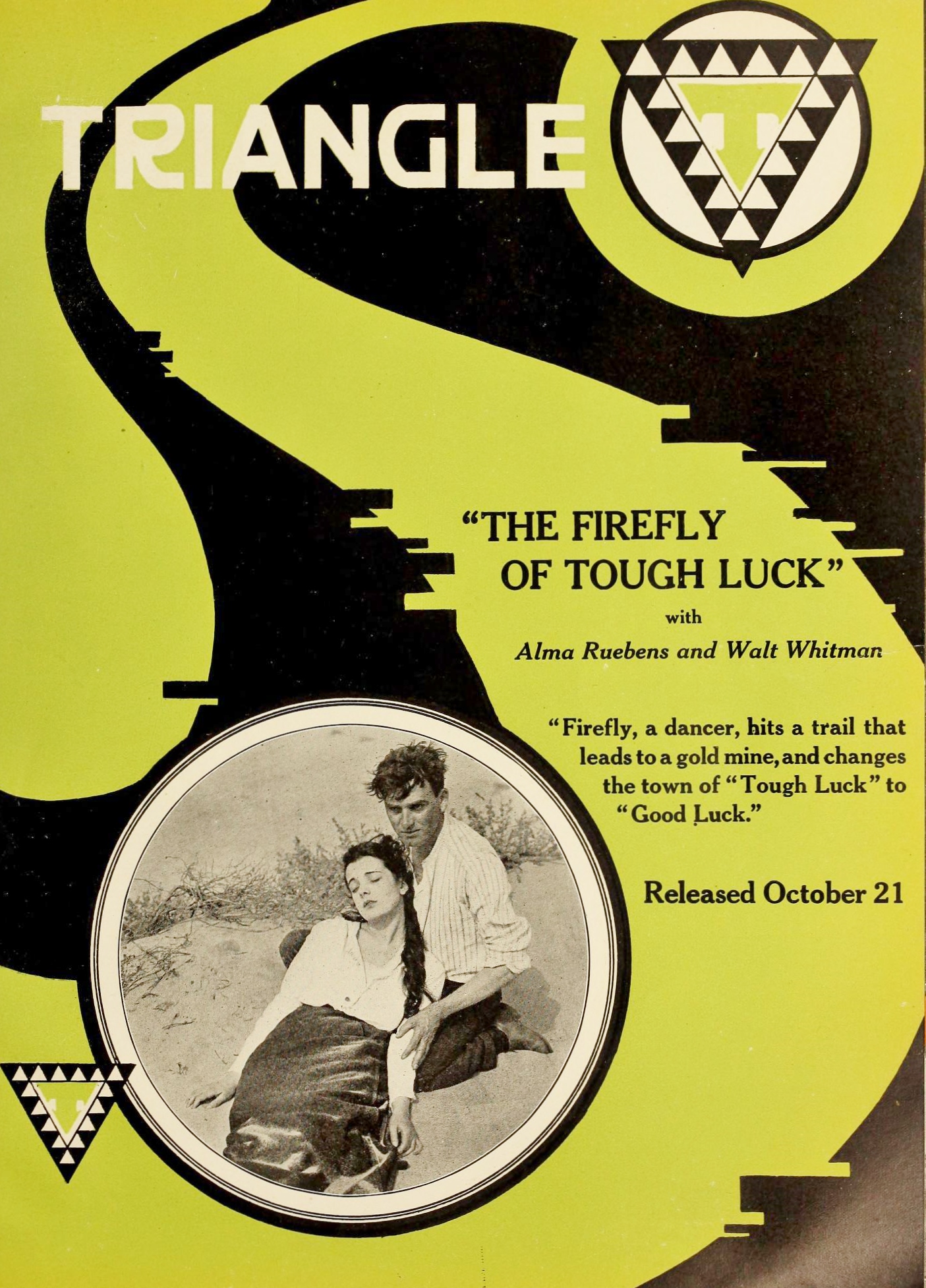
Stepping back into the cinematic annals of the silent era, one occasionally stumbles upon a narrative that, despite the passage of decades and the evolution of storytelling, still resonates with an undeniable frontier spirit. Such is the case with "The Firefly of Tough Luck" (1917), a film that, even in its bare plot synopsis, promises a rich tapestry of human endurance, villainy, and the redemptive power of love amidst the unforgiving expanse of the American West. This isn't merely a quaint historical artifact; it's a vibrant, albeit silent, testament to the enduring archetypes that would shape the Western genre for generations to come. It's a journey from the glitz of a New York music hall to the dust-choked desolation of a boom-turned-bust mining town, a stark contrast that highlights the transformative power of both adversity and human connection.
The very premise of Baxter City – a boom town that became a ghost town when the gold petered out – is a powerful metaphor for the ephemeral nature of dreams and the relentless cycle of hope and despair inherent in the prospecting life. It's a stark, desolate stage where fortunes are made and lost, where human ambition clashes with the indifferent forces of nature. Our introduction to this world comes through "Tough Luck" Baxter, a man whose moniker itself speaks volumes of his arduous journey. His encounter with Happy Jack Clarke, a former resident, isn't just a chance meeting; it's a narrative catalyst, a card game that becomes a pact, drawing them back to the skeletal remains of their past prosperity. This return to a forsaken place, driven by an unyielding belief in a hidden vein, immediately grounds the film in classic Western tropes: the lure of the unknown, the tenacity of the prospector, and the perpetual search for that one elusive strike. It’s a theme echoed in countless tales of frontier perseverance, reminiscent of the communal striving found in films like Common Ground, where collective effort defines a community's fate, albeit in a different setting.
Enter Firefly, played by the captivating Alma Rubens, a character whose journey is perhaps the most compelling arc of the film. A New York music hall entertainer, she represents a world of artificial light and curated glamour, starkly juxtaposed against the raw, unpolished reality of the desert. Her plight is immediately sympathetic: a victim of circumstance, forced into a harsh environment by her parasitic husband, Bert Wilcox (Charles Gunn). Wilcox, a masterful portrayal of pure, unadulterated villainy, uses her as a pawn, dispatching her to Baxter City for a dance hall performance that, unbeknownst to him, is as defunct as the town itself. This forced migration, from urban sophistication to desolate wilderness, is a classic fish-out-of-water scenario, but Firefly's resilience elevates it beyond cliché. When she finds the town deserted and strikes out on the open trail, she embodies the sheer will to survive, a trait often celebrated in frontier narratives.
Her rescue by Danny Ward (Aaron Edwards), a former Yale athlete, is a pivotal moment. Danny represents a different kind of American dream – not just the brute force of the prospector, but the cultivated strength of intellect and physical prowess, now applied to the challenges of the frontier. His intervention is not just an act of heroism; it's the genesis of a new kind of family, a chosen family forged in the crucible of shared adversity. This nascent community, comprising the grizzled prospectors, the resilient entertainer, and the educated adventurer, is the heart of the film, showcasing how disparate individuals can coalesce under the immense pressures of the West. It speaks to the broader American narrative of reinvention and the forging of new identities on the frontier, a spirit of endeavor that also underpins the historical reverence in films like Betsy Ross, albeit in a revolutionary context.
The desert itself is not merely a backdrop; it's a character, a potent force that tests, purifies, and ultimately delivers justice. It is in this harsh environment that Firefly's true strength is revealed, stripped of her stage persona. It is the desert that brings her to the brink and then, through Danny, offers salvation. This stark, beautiful, yet deadly landscape plays a crucial role in shaping the destinies of all characters. Its vastness highlights human insignificance, while its resources (the gold) promise immense wealth and transformation. Unlike the lush, exotic dangers of a film like McVeagh of the South Seas, the desert’s threat is one of stark deprivation and exposure, a relentless adversary that requires a particular kind of grit to overcome. The cinematic portrayal of such a landscape in the silent era would have relied heavily on sweeping vistas and the actors' physical expressions of exhaustion and relief, effectively conveying the epic struggle for survival.
The eventual strike of gold by this improbable family unit is the fulfillment of the classic Western dream, a moment of triumph against overwhelming odds. It's not just about wealth; it's about validation, about the collective effort of a diverse group finding their purpose and prosperity together. This collective success strengthens the bonds between them, particularly between Danny and Firefly, whose romance blossoms organically amidst the shared struggle and eventual triumph. Their proposal, on the very night of their prosperity, symbolizes the hope for a stable, loving future, a stark contrast to Firefly's past with Wilcox. This romantic element, a staple of the era, finds a poignant home here, reminding us of the human need for connection even in the most rugged environments, a sentiment often explored in period romances like Bettina Loved a Soldier.
However, no Western narrative, especially one so deeply rooted in moral contrasts, would be complete without the re-emergence of its antagonist. Bert Wilcox's return is the serpent in their nascent paradise. His immediate act of looting the assayer's office is not just a crime; it's a profound betrayal of the nascent community and the very ideals of honest toil that define the prospectors. His swift capture and conviction underscore the frontier's harsh, yet often efficient, brand of justice. Films like Evidence or The Silent Witness often delve into the intricacies of crime and its consequences, but here, the villain's actions are clear-cut, his moral depravity undeniable.
Firefly's decision to accompany her worthless husband out of town, even after his heinous crime, is a complex moment, revealing a deep-seated, perhaps misguided, sense of loyalty or duty. It speaks to the societal expectations placed upon women of that era, and the difficulty of breaking free from established bonds, no matter how toxic. This act of self-sacrifice, however, sets the stage for her ultimate liberation. Danny's pursuit, driven by unwavering love and concern, reinforces his role as the true hero, a stark contrast to Wilcox's self-serving nature. The discovery of Firefly abandoned in the desert, robbed of her money and water by her own husband, is the ultimate testament to Wilcox's depravity. It's a moment of profound cruelty that cements his villainy in the audience's mind, a betrayal even more egregious than his initial theft. This kind of calculated malevolence is a hallmark of truly memorable antagonists, akin to the dark machinations seen in The Rose of Blood.
The climax, with Wilcox perishing in a den of rattlesnakes, is a masterstroke of poetic justice. The desert, which had previously tested Firefly, now acts as the ultimate arbiter, delivering a grim, visceral end to the villain. It's a symbolic cleansing, a natural consequence of his actions, freeing Firefly from the shackles of her past. This dramatic resolution, where nature itself rights the wrongs, is a powerful motif in Westerns, emphasizing the raw, untamed justice of the frontier. It’s a less nuanced form of justice than one might find in a courtroom drama like Under Cover, but no less satisfying in its narrative impact.
"The Firefly of Tough Luck" is more than just a simple adventure story. It’s a compelling exploration of themes that remain perennially relevant: the quest for belonging, the struggle for survival, the triumph of good over evil, and the redemptive power of love and community. Through the performances of its cast, particularly Alma Rubens as the resilient Firefly and Aaron Edwards as the steadfast Danny, the film would have conveyed these complex emotions through exaggerated expressions and evocative gestures, typical of silent cinema. Walt Whitman as "Tough Luck" Baxter and Darrell Foss as Happy Jack Clarke would have embodied the grizzled wisdom and camaraderie of the prospecting life, adding layers of authenticity to the frontier setting. The film, in its narrative simplicity, manages to weave together elements of melodrama, romance, and classic Western adventure, creating a compelling whole.
The journey of Firefly and Danny back to Baxter City, now a place of renewed hope and prosperity, signifies not just a personal happy ending, but the triumph of a collective dream. It's a testament to the idea that even in the most desolate places, and after the most crushing setbacks, new life and new opportunities can emerge. This echoes the broader American narrative of resilience and the persistent allure of the frontier as a place of reinvention and possibility, a journey into the unknown much like A Trip to the Wonderland of America, albeit with very different stakes. The film, therefore, stands as a charming, if perhaps lesser-known, example of how silent cinema expertly laid the groundwork for the narrative structures and thematic richness that would define the Western genre for decades to come, proving that even a "firefly" can illuminate the darkest corners of "tough luck."
In an era where cinema was still finding its voice, films like "The Firefly of Tough Luck" relied heavily on visual storytelling, emotional performances, and the sheer power of their narrative to captivate audiences. The sweeping desert landscapes, the intimate moments of romance, and the dramatic confrontations would have been rendered with a raw honesty that, even without spoken dialogue, communicated profound truths about the human condition. It’s a reminder that great storytelling transcends technological limitations, and that the fundamental elements of compelling drama – hope, despair, love, and betrayal – are timeless. This film, with its compelling characters and classic Western arc, reinforces the enduring power of silent cinema to tell stories that resonate with the spirit of adventure and the enduring quest for a better life, much like the struggles and aspirations depicted in Life's Whirlpool, where characters navigate immense challenges to find their footing. It's a cinematic journey well worth rediscovering.
IMDb 6.2
1926
Community
Log in to comment.