DbcultAccessing Vault...
Cult Review
Senior Film Conservator
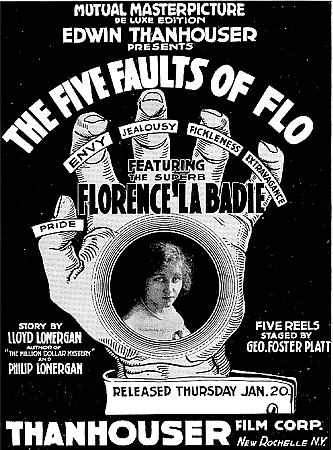
Stepping back into the nascent days of cinema, one occasionally unearths a gem that, despite its vintage, resonates with a surprising universality. The Five Faults of Flo, a creation from the prolific minds of Lloyd and Philip Lonergan, featuring the luminous Florence La Badie, is precisely such a film. It’s not merely a relic; it’s a meticulously crafted moral fable, an episodic character study that, for its era, demonstrates remarkable psychological depth. This isn't a narrative driven by grand, external conflicts so much as an intimate, internal battle waged within the soul of its protagonist, Flo. Her journey, spanning from impetuous girlhood to the serene acceptance of married life, is a testament to the transformative power of experience, often harsh, always illuminating. The film's brilliance lies in its unvarnished portrayal of human imperfection and the painful, yet ultimately rewarding, process of self-improvement. It’s a compelling argument for introspection, reminding us that true happiness often stems from conquering our own internal demons rather than external adversaries.
At its core, The Five Faults of Flo is an ambitious undertaking for early cinema, attempting to chart the intricate evolution of a single character through a series of distinct moral lessons. Flo, as portrayed with admirable nuance by Florence La Badie, begins her odyssey as a figure almost defined by her flaws. Her initial state is one of youthful arrogance and unexamined privilege, a common enough starting point for characters in moralistic tales, but here, it’s explored with a certain earnestness. The film’s episodic structure, while potentially feeling disjointed in less capable hands, serves to highlight the distinct nature of each fault and the specific crucible through which Flo must pass to shed it. It's a cinematic bildungsroman, a coming-of-age story that foregrounds ethical development over mere chronological progression. The Lonergans' screenplay, rather than simply presenting a list of vices, endeavors to illustrate the tangible, often painful, consequences of each transgression, thereby imbuing Flo's transformation with a genuine sense of hard-won wisdom. This narrative approach allows for a granular examination of character, making Flo’s eventual triumph over her failings all the more impactful.
The first of Flo’s formidable faults to be addressed is pride, a vice often romanticized in literature but here depicted with stark, detrimental clarity. Flo’s initial arrogance is rooted in her social standing, manifesting in her exclusionary behavior towards the butcher's daughter. This isn't just a minor social gaffe; it's an act of cruelty born of unthinking superiority, a disdain for those perceived as beneath her. The film doesn't shy away from depicting the severe repercussions of this snobbery: the butcher's daughter, heartbroken and humiliated, falls gravely ill, her life hanging by a thread. This near-tragedy serves as Flo’s first major reckoning. The visual storytelling, characteristic of silent film, would have relied heavily on La Badie’s expressions of dawning horror and profound regret as she witnesses the suffering her thoughtlessness has wrought. It's a powerful moment of catharsis, not just for Flo, but for the audience, as we witness the shattering of her insulated world. This dramatic turning point is crucial, establishing the pattern for subsequent lessons: each fault requires a significant, often painful, external event to force Flo's internal re-evaluation. It's a narrative device that, while perhaps didactic by modern standards, effectively drives home the moral imperative of empathy and humility. One might draw a parallel to the moral awakenings in films like The Rise of Susan, where a protagonist's journey similarly hinges on confronting the harsh realities of their own actions and societal expectations, albeit perhaps through different societal lenses and dramatic machinations. The impact of such a dramatic event on a character's psyche is a recurring motif in early cinema, aiming to instruct as much as entertain.
Following the humbling experience of pride, Flo grapples with the insidious grip of envy. This fault emerges when she covets a friend’s magnificent diamond, a symbol of status and beauty that Flo feels she unjustly lacks. The film illustrates how desire, unchecked, can morph into a corrosive jealousy, clouding judgment and distorting perception. The plot thickens dramatically when the coveted jewel is stolen, and Flo herself becomes the primary suspect. This false accusation, a cruel twist of fate, forces her to experience the very real pain of suspicion and injustice. The irony is palpable: her envy, born of a desire for the diamond, leads directly to her being associated with its loss. While she is ultimately cleared of the charge, the experience leaves an indelible mark. The fear, the shame, and the realization of how deeply her covetousness had entangled her in a web of misfortune serve as a potent antidote. Her desire for the diamond, and indeed for any material possession not rightfully hers, vanishes, replaced by a profound understanding of the dangers of wanting what belongs to another. This episode, more than just a plot point, is a psychological deep dive into the destructive nature of envy, demonstrating that sometimes, the cure for a vice is to experience its most bitter consequence. The emotional weight here is carried by La Badie’s portrayal of Flo’s anguish and subsequent relief, her face a canvas of shifting emotions. It's a narrative technique that echoes the dramatic structure of other moral tales, where characters undergo trials by fire to forge their virtue. Consider, for instance, the intense emotional stakes and accusations found in films like The Commanding Officer, where reputations and personal integrity are similarly put to the test under duress, forcing characters to confront their true selves and the perceptions of others.
The third fault to be confronted is fickleness, a characteristic that threatens to undermine Flo’s most significant personal commitment: her engagement. The film deftly portrays the allure of fleeting attention and the superficial charm of a new admirer, contrasting it with the deeper, more enduring bond of her intended. Flo’s brief flirtation, seemingly harmless at first, escalates into a dangerous situation, culminating in a near-fatal car accident. This dramatic incident is the ultimate wake-up call, a stark reminder of the preciousness of life and the fragility of relationships when treated with casual disregard. The brush with death, a common yet effective cinematic trope, serves as a powerful catalyst for change. It forces Flo to confront the potential devastation her capriciousness could wreak, not just on her own life, but on the lives of those she loves. The accident is not merely a plot device; it's a symbolic collision with reality, shattering her complacent attitude towards commitment. From that moment, her fickleness evaporates, replaced by a newfound appreciation for loyalty and steadfastness. The film, through this sequence, underscores the gravity of vows and the profound consequences of infidelity, even if only emotional. La Badie’s performance here would have conveyed the terror of the moment and the subsequent, profound shift in her character’s priorities. The dramatic tension built around this near-disaster is a testament to the Lonergans' ability to use high-stakes scenarios to underscore moral lessons, a technique that would have been well-understood by audiences of the era, who appreciated clear cause-and-effect narratives in their moral instruction. This kind of dramatic peril as a catalyst for personal growth can be seen in other period dramas, where a moment of crisis forces a character to re-evaluate their entire trajectory, much like the intense personal challenges faced by characters in films such as Pretty Mrs. Smith, where societal pressures and personal choices lead to life-altering consequences.
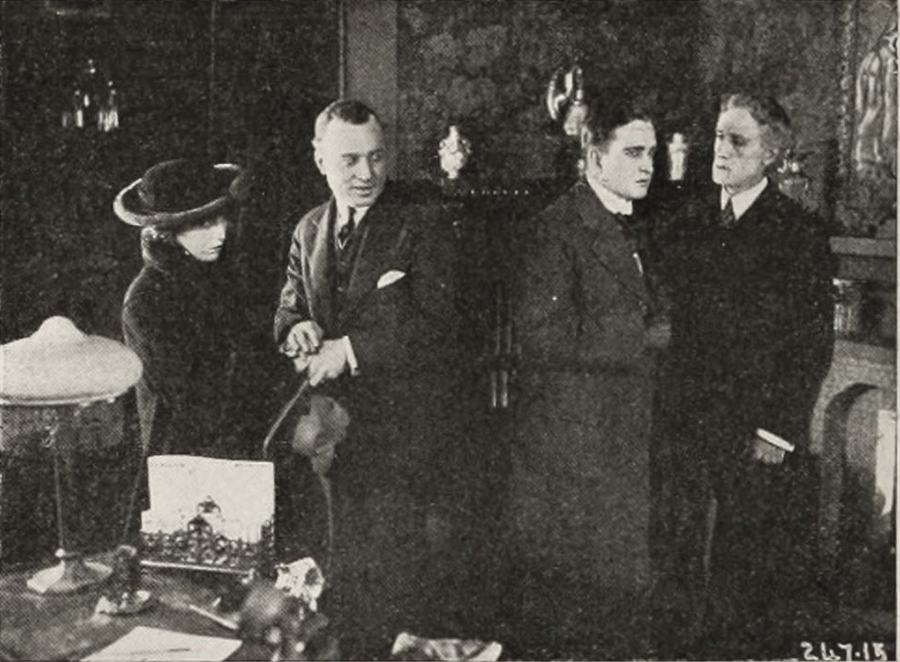
Next on Flo’s path to moral enlightenment is the conquest of extravagance. This fault is perhaps the most outwardly destructive, threatening not just Flo’s personal well-being but the financial stability of her entire family. The film depicts her reckless spending habits, a heedless disregard for money and its value, pushing her father to the brink of ruin. This financial crisis is a stark, tangible consequence of her self-indulgence. It’s a moment where the abstract concept of 'being careful with money' becomes a brutal, undeniable reality. The impending loss of her family’s security, perhaps even their home or livelihood, forces Flo to confront the direct impact of her lifestyle choices. This isn’t a lesson learned through subtle introspection; it’s a visceral, urgent understanding born of necessity. The film underscores the importance of fiscal responsibility and the broader implications of individual choices on the collective well-being of a family. Flo’s transformation here is one from naive consumerism to a mature appreciation for stewardship and prudence. The scenes depicting her father’s distress and Flo’s dawning comprehension would have been powerful, relying on the actors’ ability to convey profound emotional shifts without dialogue. Samuel N. Niblack, likely portraying her father, would have had to embody the weight of financial burden, making Flo’s realization all the more impactful. This storyline is particularly resonant as it taps into universal anxieties about economic stability, a theme that remains timeless. The depiction of financial peril and its effect on family units is a recurring theme in cinematic history, often used to highlight character growth through adversity, similar to the economic struggles and moral dilemmas faced by protagonists in films like The Fool's Revenge, where consequences of actions can have far-reaching and devastating impacts on one's livelihood and social standing. The film uses this segment to anchor Flo's journey in a very relatable, material world, demonstrating that moral failings aren't always abstract but can have concrete, devastating outcomes.
Finally, Flo confronts the most emotionally complex and potentially destructive of her faults: jealousy. Having navigated the treacherous waters of pride, envy, fickleness, and extravagance, she now faces a challenge that strikes at the very heart of her newly formed marriage. The film portrays her misinterpretation of her husband’s innocent kindness towards another woman as a clandestine affair. This suspicion, born of insecurity and the lingering shadows of her past imperfections, threatens to unravel the trust and affection that form the bedrock of their union. The dramatic tension here is internal, a battle against her own unfounded fears and assumptions. It’s a delicate dance of misperception and emotional turmoil, requiring Florence La Badie to convey a complex range of emotions – suspicion, hurt, anger, and eventually, profound regret. The resolution comes not through an external calamity, but through the painful realization of her error, a moment of acute self-awareness where she understands that her jealousy was a product of her own mind, not her husband’s actions. This final conquest signifies Flo’s complete moral maturation. She learns that trust is paramount and that true love requires faith, not suspicion. The film concludes with a now-faultless Flo, ready to embrace the happiness of a stable, loving marriage, her journey from a flawed girl to a virtuous woman complete. This narrative arc, culminating in the triumph over jealousy, provides a satisfying resolution, emphasizing the importance of emotional intelligence and secure attachment in relationships. The portrayal of marital discord born of suspicion, and its eventual resolution, is a narrative thread that resonates across different eras of filmmaking. For instance, one might find thematic echoes in films like Midnight at Maxim's, where social complexities and personal anxieties often lead to misunderstandings and tests of loyalty within relationships, highlighting the fragile nature of trust and perception. The silent film era, with its reliance on visual storytelling and heightened emotional expression, was particularly adept at conveying such profound internal conflicts, making Flo’s final transformation all the more compelling.
The performances in The Five Faults of Flo are central to its lasting impact, particularly the lead turn by Florence La Badie. As Flo, La Badie carries the emotional weight of the entire narrative, her expressive face and nuanced gestures communicating the profound internal shifts her character undergoes. From the haughty glare of youthful pride to the tearful regret of her mistakes, and finally, to the serene contentment of a woman at peace with herself, La Badie’s portrayal is a masterclass in silent film acting. She doesn't just emote; she embodies the journey, making Flo's transformation believable and deeply empathetic. The supporting cast, including Samuel N. Niblack, Grace DeCarlton, Helen Eldridge, Ernest Howard, Harris Gordon, and Bertha Smith, provide solid anchors for Flo’s various trials, their reactions and interactions serving to highlight Flo’s character development. One can imagine the subtle yet impactful performances of these actors, each contributing to the film’s moral tapestry. The direction by Lloyd Lonergan, working from a script co-written with Philip Lonergan, demonstrates a keen understanding of character-driven narrative. The Lonergans manage to keep the episodic nature from feeling too disjointed, maintaining a coherent through-line of Flo’s personal growth. Their ability to translate complex moral lessons into compelling visual narratives, utilizing the strengths of silent cinema, is commendable. The pacing, though perhaps deliberate by modern standards, allows ample time for each fault and its resolution to be fully explored, ensuring that the audience grasps the gravity of each lesson. The film’s visual style, while rooted in the conventions of its time, likely employed close-ups and dramatic staging to maximize emotional impact, a common technique in early cinematic storytelling that aimed to draw the audience into the characters' inner worlds.
What makes The Five Faults of Flo particularly noteworthy is its ambition to tackle such a comprehensive character arc within the confines of early feature filmmaking. Many films of the era focused on simpler plotlines or more overt melodramas. Here, the drama is intensely personal, almost psychological, for its time. It’s a testament to the Lonergans’ vision that they sought to explore the intricacies of moral development in such a detailed manner. The film doesn't preach; it illustrates. It allows the audience to witness Flo’s mistakes, feel her pain, and celebrate her triumphs, thereby inviting a more profound engagement with its moral lessons. The enduring relevance of the film lies in its timeless exploration of human nature. Pride, envy, fickleness, extravagance, and jealousy are not unique to any single era; they are universal human failings. Flo’s journey provides a blueprint for self-improvement, a reminder that growth often comes through trial and error, through confronting our shadow selves. In an age where quick fixes and instant gratification are often prioritized, Flo’s patient, arduous path to self-mastery offers a refreshing, albeit challenging, perspective. The film stands as a fascinating example of how early cinema, often dismissed as simplistic, could engage with complex themes and deliver profound emotional and moral insights. It’s a film that quietly asserts the power of personal transformation, making it a valuable piece of cinematic history and a compelling watch for anyone interested in the evolution of character-driven storytelling. Its narrative structure, while perhaps less frantic than contemporary cinema, allows for a meditative quality, inviting viewers to reflect on their own 'faults' and the journeys required to overcome them. This reflective capacity is a hallmark of truly enduring art, transcending its temporal origins to speak to universal human experiences, much like the enduring appeal of profound narratives found in international silent films such as V ikh krovi my nepovinny or Az utolsó bohém, which, despite cultural differences, often explore universal human struggles and aspirations through compelling visual storytelling. The film, therefore, is not just a historical artifact but a piece of art that continues to offer lessons on the human condition.
Considering the broader landscape of silent cinema, The Five Faults of Flo distinguishes itself through its focused character study. While many films of the period, such as Salambo, a $100,000 Spectacle, aimed for grand, epic scale or historical pageantry, Flo opts for an intimate, psychological drama. This choice allows for a depth of character exploration that might have been lost in more sprawling narratives. The film’s reliance on Flo’s internal journey, punctuated by external catalysts, showcases a sophisticated understanding of storytelling for its time. It demonstrates that powerful drama doesn't always require massive sets or hundreds of extras; sometimes, the most compelling conflicts unfold within the heart and mind of a single individual. The thematic consistency across its episodic structure also speaks to a deliberate artistic vision. Each 'fault' is not merely a standalone incident but a crucial rung on Flo’s ladder to self-actualization. The progression feels organic, each lesson building upon the last, culminating in a holistic transformation. This structured approach to character development is a testament to the Lonergans' skill as writers and directors, crafting a narrative that feels both comprehensive and deeply personal. It’s a film that, in its quiet determination to depict moral growth, offers a powerful counter-narrative to the more sensationalist fare that often dominated early cinema. Its focus on personal ethics and redemption aligns it with a tradition of moralizing tales, yet it elevates the genre through its nuanced characterization and the compelling performance of Florence La Badie. In an era where cinema was still finding its voice, The Five Faults of Flo provided a clear, articulate statement about the power of personal change, solidifying its place as a significant, albeit perhaps lesser-known, work of early American cinema. It’s a cinematic mirror, reflecting the universal human struggle to become better versions of ourselves, a theme that ensures its enduring resonance, even a century after its initial release. The film's elegant simplicity in conveying complex moral dilemmas without the aid of spoken dialogue is a powerful reminder of the artistry inherent in the silent era, where gestures, expressions, and carefully constructed intertitles carried the full weight of the narrative and emotional impact. This focus on visual storytelling, making every frame count, is a hallmark of its lasting appeal and a lesson for filmmakers across generations. The character’s journey is one of universal appeal, demonstrating that the path to true happiness and fulfillment often lies in overcoming one's own internal limitations, a message that transcends time and cultural boundaries, much like the universal themes explored in films such as Skazka mira or Pigen fra Klubben, which, despite their varied origins, speak to common human experiences and aspirations. This commitment to character-driven storytelling, even in an era often characterized by spectacle, is what truly sets The Five Faults of Flo apart and cements its legacy as a film of quiet, yet profound, importance.

IMDb —
1927
Community
Log in to comment.