DbcultAccessing Vault...
Cult Review
Senior Film Conservator
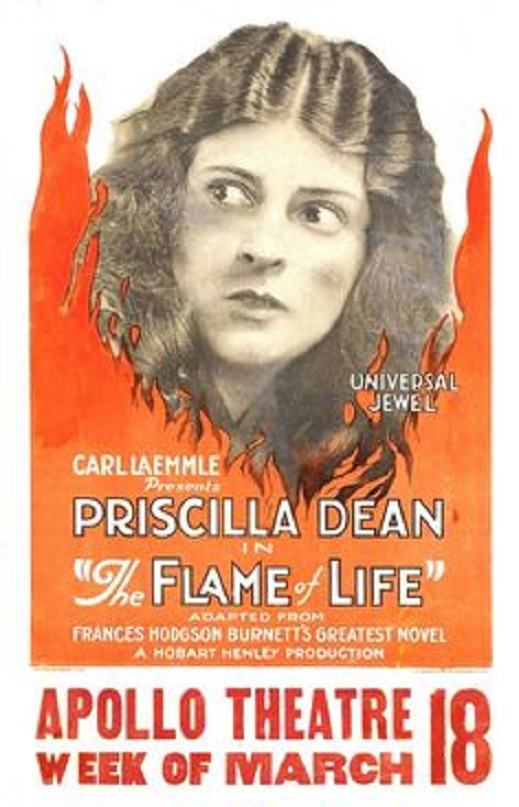
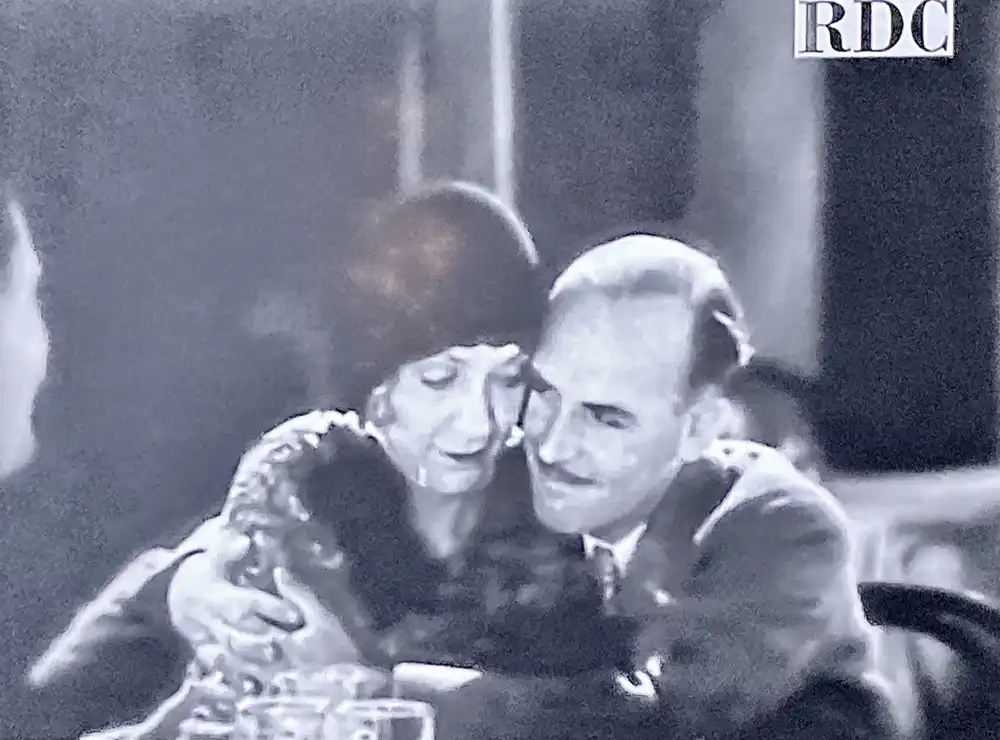
The cinematic landscape of The Flame of Life is a complex tapestry, woven from the threads of love, class struggle, and the unyielding pursuit of a better life. Set against the stark, coal-dusted backdrop of 1870s England, this film navigates the intricate relationships between its characters with a depth and nuance that is both captivating and poignant. At the heart of this narrative are Joan Lowrie and Fergus Derrick, two souls bound together by circumstance and fate, yet separated by the rigid class structures of their time.
Joan, played by the talented Dorothy Hagan, embodies the spirit of resilience and determination that defines the working class of her era. Her life, marked by the drudgery of the coal mines and the brutality of her father, Dan, is a testament to the human capacity for endurance. Fergus, on the other hand, represents a beacon of hope and change, his character bringing to the forefront the complexities of reform and the challenges of implementing it within a system entrenched in tradition and oppression.
The evolution of their relationship is nothing short of remarkable, a true flame of life that burns brightly against the bleakness of their surroundings. It is a love that is not merely a romantic construct, but a powerful symbol of rebellion against the societal norms that seek to constrain them. As they navigate the treacherous landscape of their world, they must confront not only the external barriers that threaten to tear them apart but also the internal demons that haunt them.
The film's portrayal of the coal mines as a symbol of both oppression and liberation is a stroke of genius, echoing the themes found in other classics such as The Clean-Up and Four Feathers. The use of light and darkness, with the mines representing the darkest depths of human existence and the flame of their love shining as a beacon of hope, is a powerful visual metaphor that underscores the narrative's emotional depth.
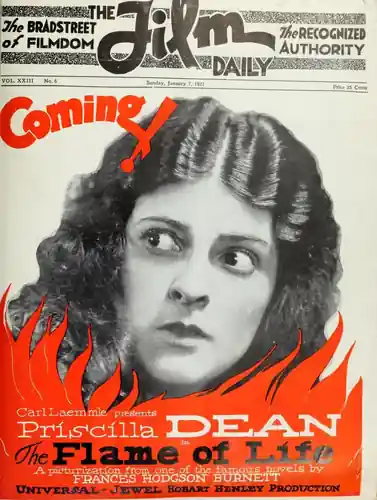
The Flame of Life stands as a testament to the enduring power of love and the human spirit, themes that are timeless and universal. It is a film that, much like Treasure Island and Anna Karenina, explores the complexities of the human condition, challenging its viewers to reflect on their own values and the world around them.
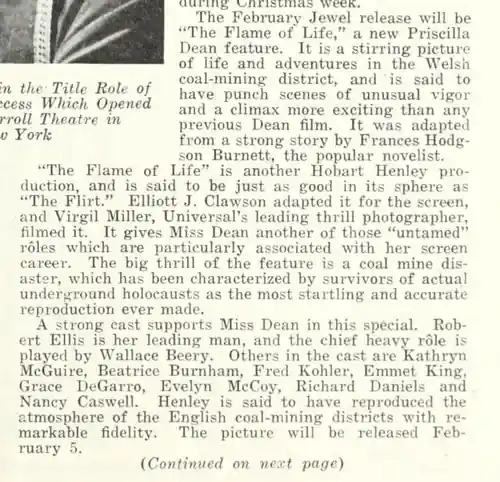
The supporting cast, including Grace De Garro, Priscilla Dean, and George Warde, adds depth and richness to the story, each character bringing their own unique perspective to the narrative. The screenplay, penned by the acclaimed Frances Hodgson Burnett and Elliott J. Clawson, is a masterpiece of storytelling, weaving together the various threads of the plot with a skill that is both evident and captivating.
In conclusion, The Flame of Life is a cinematic experience that will leave viewers moved and inspired. It is a film that reminds us of the importance of love, compassion, and the unyielding pursuit of a better life, themes that resonate deeply in the context of The Innocent Lie, The Taming of the Shrewd, and The Triumph of Love. As we reflect on the journey of Joan and Fergus, we are reminded of the profound impact that love can have on our lives, and the enduring flame that it ignites within us.
The film's legacy is a testament to its enduring appeal, a reminder that even in the darkest of times, there is always hope for a better tomorrow. And so, as we look back on The Flame of Life, we are not just viewing a relic of cinematic history; we are experiencing a powerful narrative that continues to resonate with audiences today, much like the timeless classics The War of the Tongs, Blue Grass, The Twin Triangle, Mrs. Plum's Pudding, The Woman Game, The Mystery Ship, and Sahara.
IMDb 7
1923
Community
Log in to comment.