DbcultAccessing Vault...
Cult Review
Senior Film Conservator
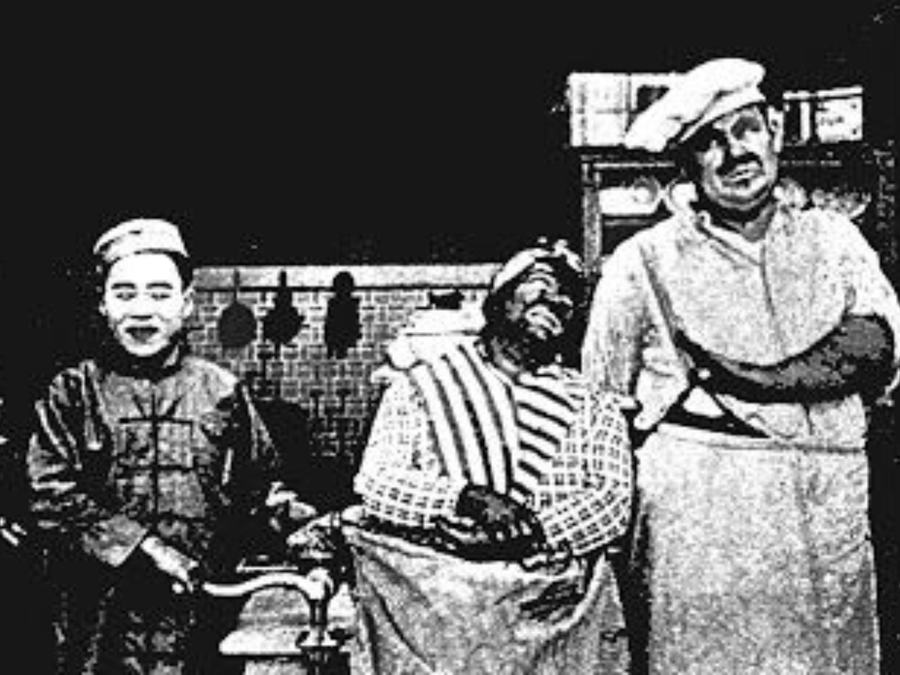
From the very first frame, The Freckled Fish establishes itself not merely as a film, but as a meticulously crafted tapestry of human introspection woven against the raw, untamed canvas of a desolate coastline. It’s a cinematic experience that eschews overt narrative propulsion in favor of a profound, almost meditative exploration of grief, artistic obsession, and the ephemeral nature of beauty. The film's brilliance lies in its audacious commitment to atmosphere and character psychology, drawing the viewer into a world that feels both hauntingly familiar and utterly unique. It demands patience and rewards it with layers of emotional complexity and visual poetry that linger long after the credits roll. This isn't a story to be passively consumed; it's an invitation to feel, to ponder, to connect with the unspoken currents that guide its protagonist's fractured journey.
At the heart of this melancholic masterpiece is Chai Hong's extraordinary portrayal of Elara, a ceramicist whose existence is as fragile and meticulously sculpted as the clay she molds. Hong delivers a performance of breathtaking subtlety, communicating volumes through a gaze, a hesitant gesture, or the silent intensity with which she approaches her craft. Elara is a woman defined by absence, her coastal cottage a sanctuary and a prison, each piece of pottery a silent scream or a whispered memory. Hong masterfully conveys the weight of unspoken sorrow, the gnawing hunger for something just beyond reach, and the quiet resilience that underpins Elara’s solitary world. There are moments, particularly in her solitary interactions with the churning sea, where Hong transcends mere acting, becoming an embodiment of human vulnerability against the vast indifference of nature. Her performance elevates the film from a simple character study to a profound meditation on the human spirit's capacity for both profound suffering and transcendent creation. It's a role that demands immense internal fortitude, and Hong rises to the occasion with an understated power that is nothing short of captivating. One might draw parallels to the quiet intensity found in films like The Waif, where a protagonist's internal world dictates the narrative's emotional arc, though Hong's performance here feels even more deeply etched in existential angst.
In a remarkable departure from his more widely known comedic repertoire, Oliver Hardy delivers a surprisingly poignant and grounded performance as Silas, the gruff, world-weary fisherman. His Silas is a man of few words, his face a roadmap of hard-won experience, his hands scarred by a lifetime of wrestling with the sea. Hardy brings an unexpected depth to the role, imbuing Silas with a quiet dignity and a pragmatic wisdom that serves as a stark counterpoint to Elara's ethereal artistic struggles. He doesn't understand her quest for the mythical 'freckled fish' in the romantic sense, but he understands the sea, its dangers, and its fleeting gifts. His interactions with Elara are sparse but impactful, often punctuated by a knowing glance or a laconic observation that cuts through her artistic navel-gazing. Hardy’s presence grounds the film in a tangible reality, reminding us of the harsh, beautiful world beyond Elara’s internal landscape. It’s a testament to his range that he can so convincingly inhabit a character so far removed from his public persona, offering a performance that is both understated and profoundly memorable. This role showcases a facet of Hardy's talent rarely seen, reminiscent of character actors who could effortlessly shift between genres, much like the versatility hinted at in some of the supporting roles in films such as The House of Lies.
Merta Sterling, as the enigmatic tide-reader Mara, adds another layer of mystical resonance to The Freckled Fish. Her character functions as a spectral guide, a keeper of ancient lore whose wisdom flows as deep and unpredictable as the currents themselves. Sterling imbues Mara with an otherworldly aura, her pronouncements often cryptic, yet always profound, serving to both challenge and illuminate Elara's path. She is the film's connection to the primordial, to the forces beyond human comprehension, embodying the timeless rhythm of the sea and its secrets. Mara doesn't offer easy answers; instead, she offers perspectives, ancient truths that subtly nudge Elara towards self-discovery rather than direct intervention. Sterling's performance is captivating, a delicate balance of the ethereal and the firmly rooted in the film's naturalistic setting. Her presence feels like a whisper of the ages, a living embodiment of the coastal myths that permeate the very air Elara breathes. Her subtle yet impactful role is akin to the mysterious, guiding figures often found in allegorical tales, providing a spiritual compass in narratives like Sinbad, the Sailor, albeit with a far more grounded, introspective approach.
Eva Novak’s portrayal of Lena, the dancer from Elara's forgotten past, is a masterclass in evoking presence through absence. Lena appears primarily in Elara's fragmented memories and vivid hallucinations, her vibrant, ephemeral movements manifesting as ghostly recollections that fuel Elara’s creative angst and deepen her sense of loss. Novak’s performance, though brief in direct screen time, is crucial, imbuing Lena with an intoxicating vitality that makes her absence all the more palpable. She is the ghost in Elara’s machine, the vibrant color in a world otherwise muted by grief, symbolizing the beauty and joy that Elara has lost or perhaps deliberately suppressed. The way Novak dances, light and free, provides a stark contrast to Elara's grounded, often somber existence, highlighting the chasm between past vibrancy and present solitude. Her role is less about direct dialogue and more about evocative movement and symbolic representation, making her a hauntingly effective presence throughout the film. Her character serves a similar narrative function to the elusive, remembered loves in films like The Silver Girl, where memory shapes identity.
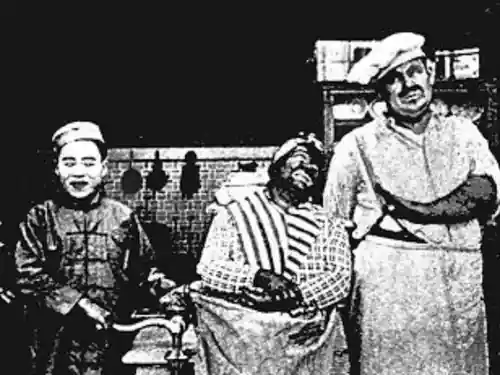
The visual language of The Freckled Fish is nothing short of breathtaking. The cinematography, with its stark contrasts between the desolate beauty of the coastline and the intimate confines of Elara's studio, is a character in itself. Every shot feels meticulously composed, evoking a sense of both grandeur and profound solitude. The camera lingers on textures – the rough grain of clay, the weathered wood of a boat, the frothing white of crashing waves – inviting a tactile engagement with the world of the film. The use of natural light is particularly masterful, painting scenes with a melancholic glow that perfectly mirrors Elara's internal state. Sunrises and sunsets are not just temporal markers but emotional crescendos, casting long shadows that symbolize the weight of memory. The underwater sequences, depicting the elusive 'freckled fish,' are rendered with a dreamlike quality, blurring the line between reality and Elara's subconscious desires. These scenes are not merely visually stunning; they are integral to the film's thematic core, representing the unattainable, the beautiful, and the fragile. This aesthetic precision, where every frame tells a story, reminds one of the meticulous visual storytelling in The Scarlet Road, where environment dictates mood.
Beyond its aesthetic prowess, The Freckled Fish delves into a rich tapestry of thematic concerns. Grief, in its rawest and most enduring form, is the film's silent protagonist. Elara’s artistic endeavors are not merely a hobby but a coping mechanism, a way to channel the amorphous pain of loss into something tangible, something that can be held and examined. Her obsession with the titular fish becomes a metaphor for her yearning for a past that cannot be recovered, a beauty that is inherently fleeting. Yet, the film subtly argues for the redemptive power of art, not as a means to escape reality, but as a path to understanding and acceptance. Through her clay, Elara begins to process her internal landscape, transforming sorrow into a profound, resonant testament to both absence and enduring spirit. The film suggests that true artistic fulfillment doesn't come from capturing the elusive, but from embracing its impermanence and finding beauty in the act of creation itself. This thematic depth and focus on personal transformation resonate with the introspective journeys explored in films like Just Sylvia, though The Freckled Fish ventures into a more allegorical space.
The pacing of The Freckled Fish is deliberately unhurried, almost meditative, allowing scenes to breathe and emotions to slowly unfurl. This measured rhythm might challenge viewers accustomed to faster-paced narratives, but it is precisely this slowness that enables the film to achieve its profound emotional impact. It invites contemplation, demanding that the audience immerse themselves fully in Elara's internal world. Complementing this is the exceptional sound design, which elevates the natural world to a central character. The relentless roar of the ocean, the mournful cry of gulls, the subtle creak of Elara's cottage in the wind – these auditory elements are not mere background noise but integral components of the film's emotional landscape. The sparse, haunting score, used sparingly but effectively, accentuates moments of profound realization or quiet despair, never overpowering the natural sounds but rather weaving seamlessly with them. This meticulous attention to detail in both pacing and sound creates an immersive experience, drawing the viewer deeper into the film's melancholic beauty. It crafts an atmosphere as palpable as the desolate landscapes in Lille Teddy, though with a different emotional palette.
In an era often dominated by blockbuster spectacles, The Freckled Fish stands as a powerful testament to the enduring power of art house cinema. It is a film that dares to be quiet, to be introspective, and to prioritize emotional resonance over conventional plot mechanics. Its courage to explore universal themes of loss, identity, and the search for meaning through such a singular, poetic lens is commendable. While it may not appeal to all audiences, those who are willing to surrender to its unique rhythm will find themselves profoundly moved and intellectually stimulated. It’s a film that sparks conversation, invites multiple interpretations, and stays with you long after the final frame fades to black. Its artistic integrity and uncompromising vision place it firmly among the ranks of thought-provoking independent films that challenge and enlighten. Comparisons could be drawn to the profound character studies found in La reina joven or the existential dread explored in Het proces Begeer, but The Freckled Fish carves its own distinct, indelible mark.
Ultimately, The Freckled Fish is a masterpiece of atmospheric storytelling and nuanced character development. It’s a film that doesn't just tell a story; it evokes a feeling, a state of being. Through its stunning visuals, understated yet powerful performances, and profound thematic explorations, it creates a cinematic experience that is both deeply personal and universally resonant. It reminds us that sometimes, the most profound journeys are internal, and the most beautiful discoveries are not in what we capture, but in what we learn to let go of. The film's conclusion, far from offering simplistic resolutions, embraces the ambiguity and impermanence inherent in life itself, leaving Elara – and the audience – with a sense of quiet acceptance and a newfound appreciation for the elusive beauty of existence. It is a rare gem that deserves to be seen, pondered, and cherished for its audacious artistry and its deeply human heart. A truly exceptional piece of filmmaking that will undoubtedly become a benchmark for introspective cinema for years to come.
IMDb 5.2
1926
Community
Log in to comment.