DbcultAccessing Vault...
Cult Review
Senior Film Conservator
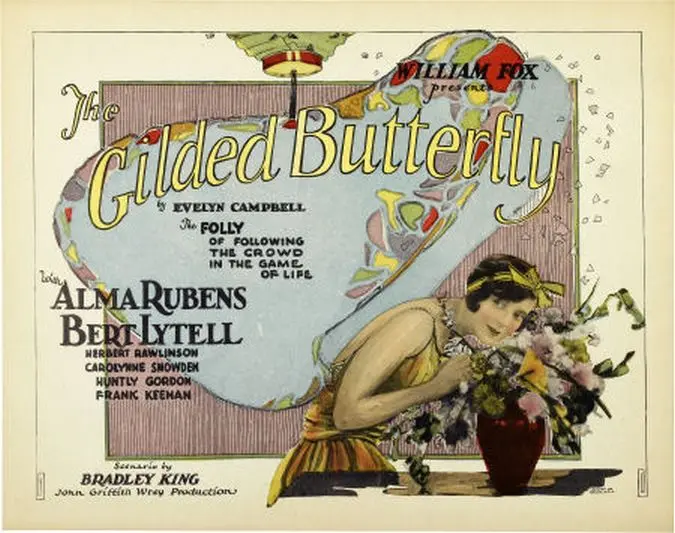
Is The Gilded Butterfly a silent masterpiece worth your time today? Short answer: Yes, but only if you are willing to look past its melodramatic era-specific tropes to find the biting social critique underneath.
This film is for the cinephile who enjoys character studies about the fragility of the American Dream and the hollow nature of social status. It is definitely not for those who require fast-paced action or the polished narrative structures of modern blockbusters.
1) This film works because Alma Rubens delivers a performance of such raw, escalating panic that it transcends the limitations of silent film acting. Her transition from a carefree socialite to a woman facing the cold bars of a jail cell feels earned and visceral.
2) This film fails because the secondary characters, particularly the 'four-flushing' parents, are written with such broad strokes that they occasionally border on caricature. This distracts from the grounded tragedy of Linda’s situation.
3) You should watch it if you have an interest in how the 1920s viewed the concept of 'new money' vs. 'no money.' It serves as a fascinating companion piece to films like Borrowed Clothes, which also deals with the deceptive nature of appearance.
Is The Gilded Butterfly worth watching in the modern era? The film remains a potent exploration of how quickly social status can evaporate in the face of reality. It is a must-watch for fans of silent-era character dramas who value performance over spectacle.
Unlike the more pastoral dramas of the time, such as A Cumberland Romance, this film leans into the urban anxiety of the Roaring Twenties. It captures a specific fear of the era: the fear that the music will stop and there won't be a chair left for you.
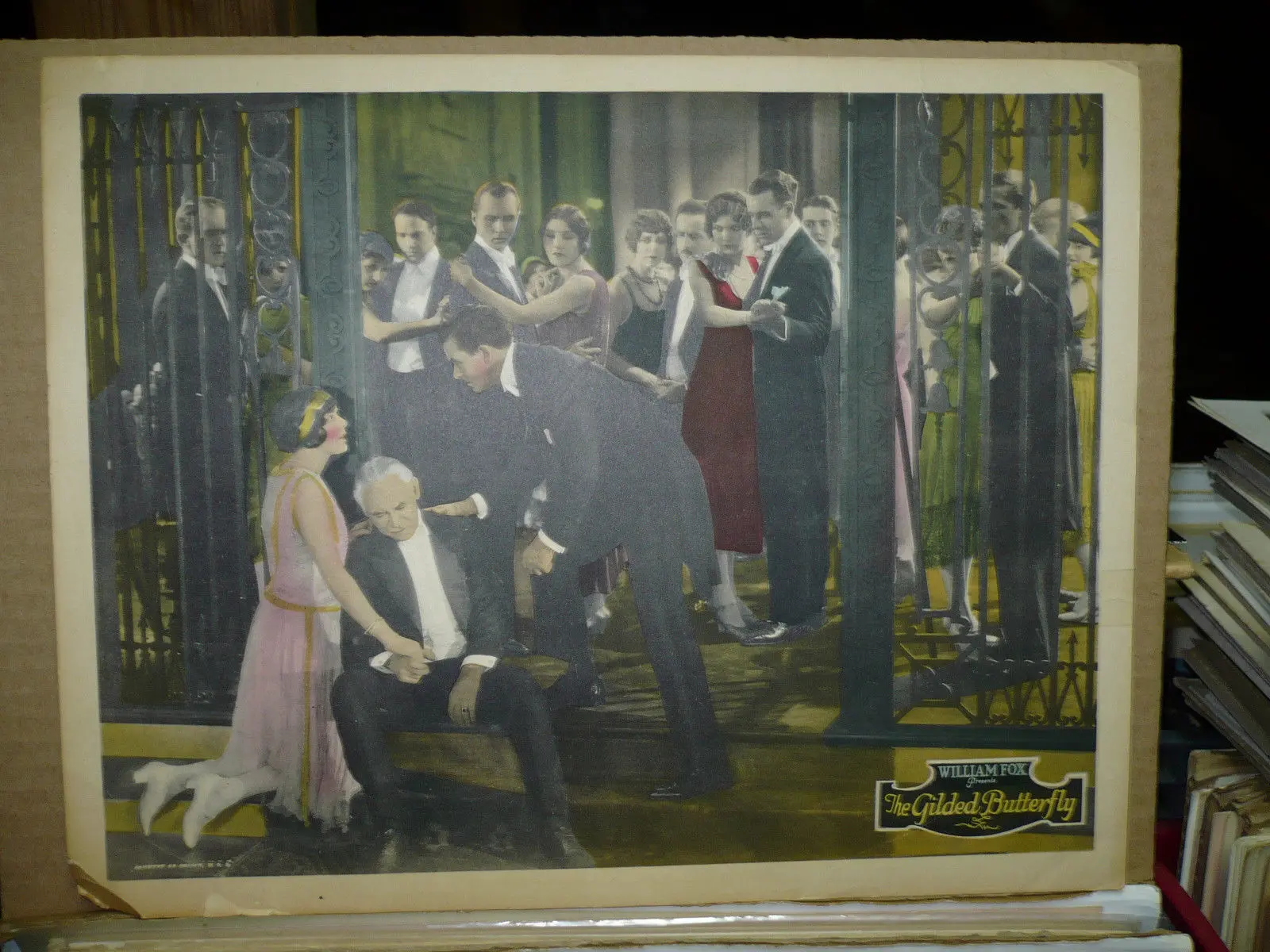
Alma Rubens is the heartbeat of this film. In many ways, her own tragic life mirrored the fragility of the characters she played, and that vulnerability is on full display here. In the early scenes, her movements are fluid and light, perfectly capturing the 'butterfly' of the title.
However, it is after the train wreck that Rubens truly shines. There is a specific moment in the wreckage where she looks at her torn clothing—a symbol of her destroyed status—and her expression shifts from shock to a terrifying realization of her own uselessness. It is a haunting beat of cinema.
Her chemistry with Huntley Gordon and Bert Lytell provides the necessary friction to keep the plot moving. While the men represent the traditional paths of rescue or condemnation, Rubens keeps the focus firmly on Linda’s internal collapse. It is a masterclass in silent expression.
The direction of the train wreck sequence is surprisingly sophisticated for 1926. It doesn't rely solely on the spectacle of the crash, but rather on the sensory overload that follows. The use of lighting to create harsh shadows in the aftermath mirrors Linda’s internal darkness.
The pacing, while occasionally sluggish in the setup, picks up significant momentum once the Haverhill fortune is revealed to be a sham. The director uses tight close-ups to heighten the claustrophobia of Linda’s arrest, making the viewer feel the weight of the social walls closing in on her.
We see a similar focus on the consequences of social standing in The Home Stretch, but The Gilded Butterfly feels more personal. It isn't about the race; it's about the fall. The visual metaphors of the butterfly being pinned are handled with just enough restraint to avoid being overly literal.
The film takes a surprisingly hard stance against the parents. Often in melodrama, parents are sanctified, but here, they are the architects of Linda’s ruin. They didn't just lose money; they failed to provide their daughter with the tools to survive without it.
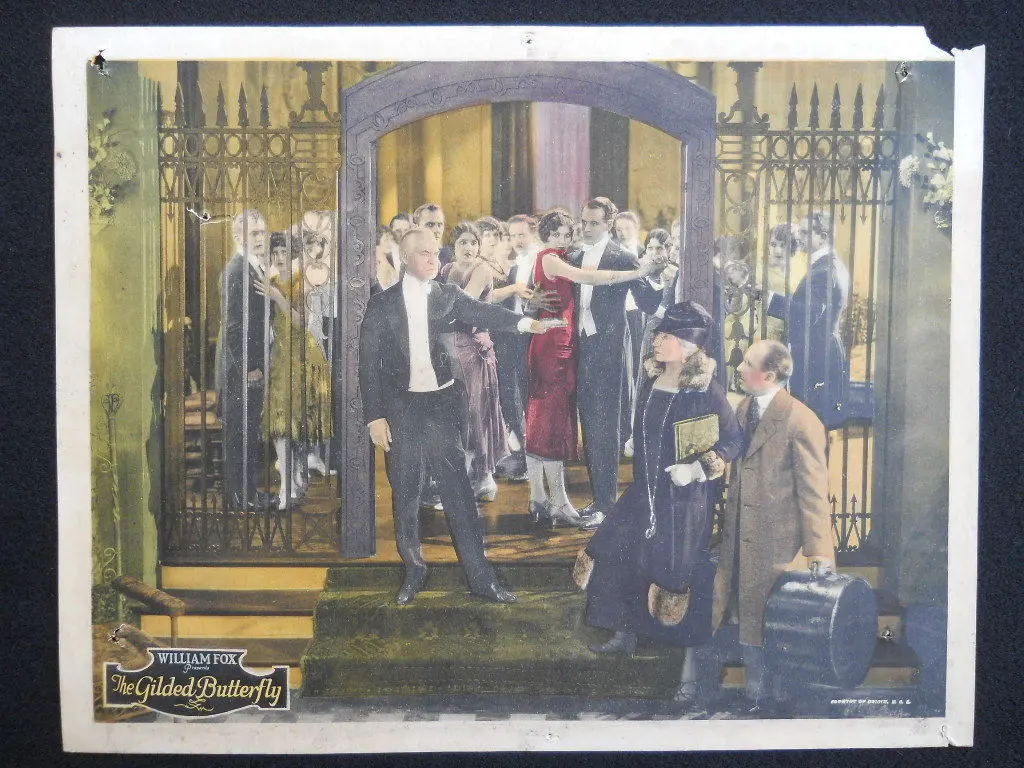
This is a cynical, yet honest observation for a film of this period. It suggests that the 'Gilded Age' was built on a foundation of lies. The arrest isn't just a plot device; it's a moral judgment on the entire Haverhill lifestyle. It’s a brutal, necessary awakening.
The film doesn't just ask for your sympathy; it demands you look at the price tag of a lie. It works. But it’s flawed. The reliance on heavy-handed title cards to explain the legal proceedings in the final act slows down the emotional payoff that Rubens works so hard to build.
The cinematography by the uncredited cameramen captures the contrast between the high-society ballrooms and the sterile, cold environment of the police station. The ballrooms are shot with a soft focus that makes everything look ethereal, while the later scenes are sharp and unforgiving.
However, the middle act suffers from a lack of focus. We spend perhaps too much time on the 'politics' of the socialites, which can feel repetitive. If you’ve seen Politics, you know how these subplots can sometimes drown out the main emotional arc.
Despite this, the tone remains remarkably consistent. It never veers into slapstick or unearned sentimentality. It stays grounded in Linda's desperation, which is the film's greatest strength. The ending, while traditional, feels earned because of the hell she has been through.
Pros:
The train wreck is a visual highlight of the era.
The social commentary on the 'four-flushing' lifestyle remains relevant.
Rubens’ ability to convey complex grief without words is staggering.
Cons:
The pacing in the second act is noticeably slow.
The supporting cast is overshadowed by the lead.
Some of the legal drama feels dated and overly convenient.
The Gilded Butterfly is a fascinating relic that manages to feel surprisingly modern in its cynicism. While it carries the baggage of its time—namely a penchant for over-explanation via text—the core story of a woman losing her identity along with her bank account is universal. It is a stark reminder that the 'gilding' we apply to our lives is often the first thing to burn in a crisis.
Compared to other dramas like Calvaire d'amour, it offers a more grounded, less ethereal take on suffering. It’s a tough watch at times, but Rubens makes it an essential one. It’s a solid piece of silent cinema that deserves a spot in the conversation about the era's best character studies.
IMDb —
1921
Community
Log in to comment.