DbcultAccessing Vault...
Cult Review
Senior Film Conservator
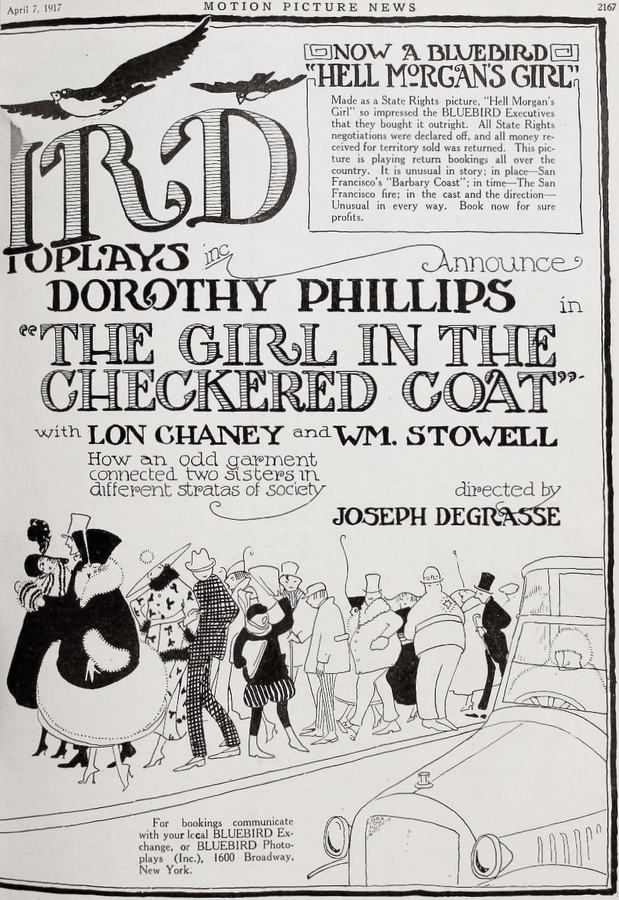
There's a certain raw allure to discovering forgotten cinematic relics, particularly those from the nascent days of the moving picture. "The Girl in the Checkered Coat," a compelling drama from 1917, emerges from the silent era as more than just a historical artifact; it's a profound exploration of fate, family, and the indelible marks left by environment. Directed with a keen eye for human frailty and resilience, this film, while perhaps less celebrated than some of its contemporaries, offers a rich tapestry of character development and moral quandaries that resonate even today. It's a testament to the power of early filmmaking to tackle complex social issues with an unflinching gaze, proving that the absence of spoken dialogue did little to diminish the potency of its narrative. The film beckons us to consider the profound impact of circumstance on individual destiny, a theme explored with poignant intensity.
At its core, the film presents a heartbreaking dichotomy through the lives of Mary and Fannie Graham. Their mother’s untimely death thrusts them into the guardianship of a father whose moral compass points squarely towards the illicit. This immediate plunge into a world of crime acts as the primary catalyst for their vastly different trajectories. Mary, portrayed with a quiet fortitude, makes the courageous, if painful, decision to sever ties with this corrosive influence. Her flight is not merely a physical act of escape but a spiritual rebellion, a refusal to allow her destiny to be dictated by the circumstances of her birth. Her journey, though unseen in its entirety within the immediate plot synopsis, hints at a desperate struggle for self-preservation and a yearning for a life unblemished by the shadows of her family's transgressions. It’s a classic narrative trope, certainly, but executed here with an understated intensity that speaks volumes about the societal pressures on young women of the period, particularly those without conventional support systems. The weight of her choice, the abandonment of her sister, undoubtedly forms a significant emotional undercurrent to her character.
Fannie, conversely, becomes ensnared. Whether by coercion, loyalty, or a lack of viable options, she remains. Her subsequent transformation into "Flash" Fan is the narrative's tragic centerpiece. She is not merely a victim but a product of her environment, meticulously groomed in the art of larceny by her criminal patriarch. This character arc provides a fascinating, albeit grim, study in how circumstance can forge identity. Fannie’s moniker itself, "Flash," evokes a sense of both speed and notoriety, suggesting a figure who is as adept at her criminal craft as she is tragically defined by it. The film, through Fannie, delves into the complex psychology of a character born into a life of crime, exploring the erosion of innocence and the hardening of spirit that must inevitably occur. It's a stark reminder that choices, or the lack thereof, can shape an individual’s entire existence, often with irreversible consequences. The film masterfully portrays the insidious nature of this indoctrination, showcasing how a child's inherent malleability can be exploited for nefarious ends, crafting a compelling anti-heroine whose fate is both pitiable and formidable.
The success of any silent film hinges almost entirely on the expressive capabilities of its cast, and "The Girl in the Checkered Coat" is no exception. While specific details of Nellie Allen’s portrayal of Mary and Dorothy Phillips’s rendition of Fannie might be lost to the mists of time for many, the very premise demands a nuanced performance from both. Mary’s silent defiance and Fannie’s descent into the underworld require a delicate balance of vulnerability and emerging strength. Phillips, in particular, would have had the formidable task of conveying a character’s moral transformation without the aid of dialogue, relying solely on gesture, facial expression, and body language to chart Fannie’s journey from innocent child to hardened criminal. This kind of acting, requiring an almost balletic precision, was the bedrock of silent cinema, demanding an internal understanding of character that transcended spoken words. Her performance would have been a masterclass in conveying the slow, agonizing corruption of a soul.
However, it is perhaps the presence of Lon Chaney that truly elevates this film in the annals of cinematic history. Even in an early role, Chaney’s capacity for embodying complex, often grotesque or morally ambiguous characters, was already evident. His mastery of physical transformation and his ability to project inner torment or sinister intent through subtle mannerisms made him a legend. One can only imagine the layers he brought to his character here, likely the criminal father or an accomplice, adding a palpable sense of menace or tragic depth to the proceedings. His performances were never superficial; he delved into the psychological underpinnings of his roles, making even minor characters unforgettable. This film, therefore, offers a tantalizing glimpse into the genesis of the "Man of a Thousand Faces," a performer whose influence on method acting and character portrayal remains profound. His presence alone suggests a film with considerable dramatic weight, as Chaney rarely lent his talents to frivolous productions. His portrayal would have imbued the criminal element with a chilling realism, a testament to his unparalleled ability to externalize internal corruption.
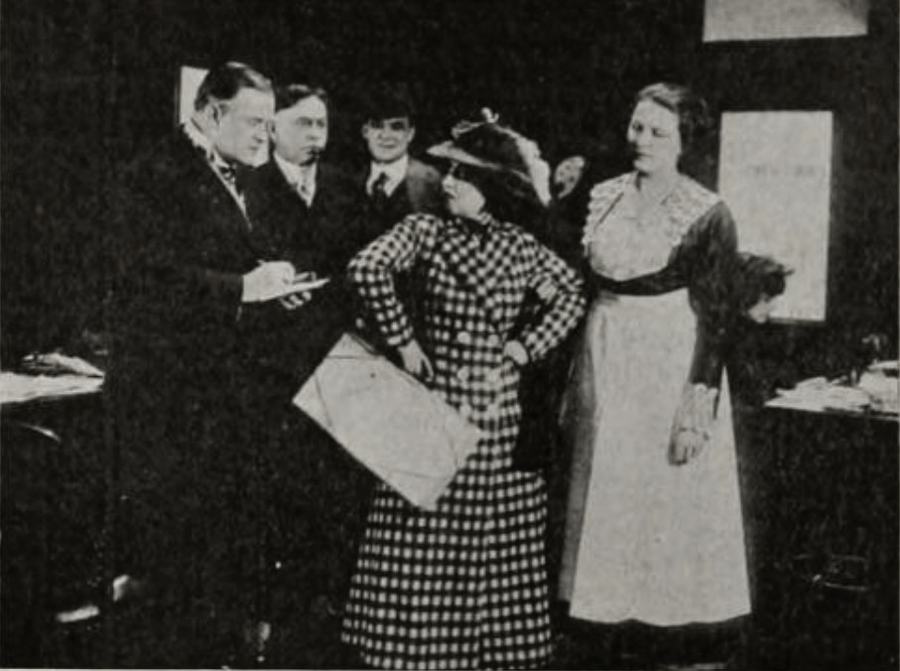
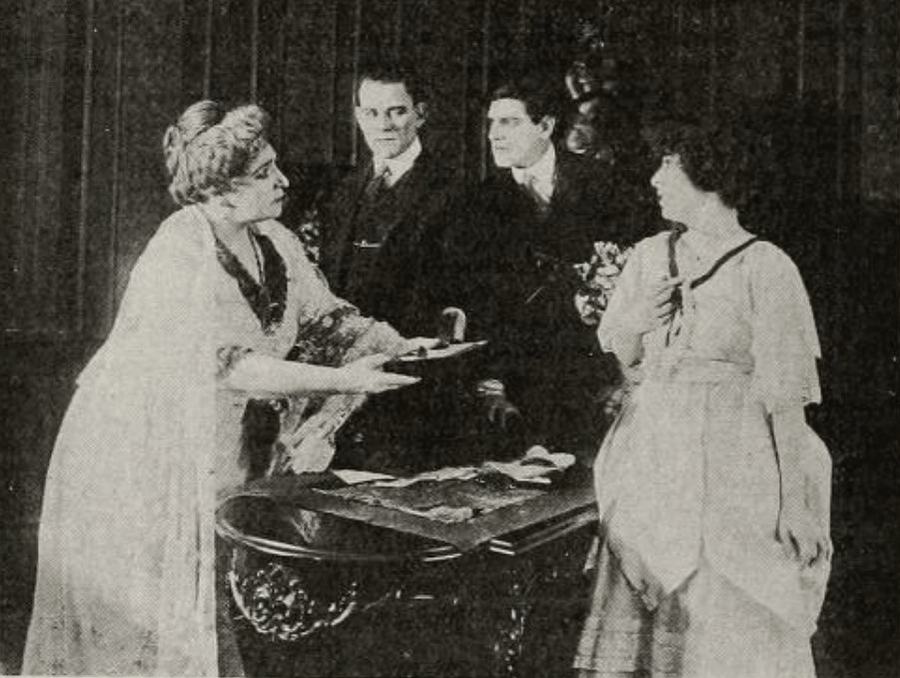
The supporting cast, including William Stowell, David Kirby, Mattie Witting, Countess Du Cello, and Jane Bernoudy, would have provided the necessary texture to this underworld narrative. Each actor, in their own way, contributed to the tapestry of a society grappling with its fringes, where morality was often a luxury few could afford. Their collective effort, under the guidance of its creative team, must have been instrumental in grounding the film's dramatic stakes, creating a believable world fraught with peril and moral compromise. The subtle nuances of their performances would have enhanced the overall atmosphere of tension and desperation.
The narrative craftsmanship of E. Magnus Ingleton and Ida May Park as writers is crucial to the film's enduring appeal. In an era where plot often served merely as a framework for spectacle, their ability to weave a story rich in psychological depth and social commentary is commendable. Park, in particular, was a prolific writer and director during the silent era, a pioneering woman in a male-dominated industry. Her involvement suggests a narrative that likely gave significant attention to the female perspective, a common thread in her work. This focus on character-driven drama, rather than relying solely on melodramatic flourishes, sets the film apart. Their script would have carefully delineated the motivations and moral struggles of the Graham sisters, providing the actors with a strong foundation upon which to build their performances, ensuring that the emotional beats were earned rather than simply presented. The nuanced characterizations would have been a direct result of their astute writing.
"The Girl in the Checkered Coat" serves as a fascinating lens through which to view the social anxieties and moral debates of the early 20th century. The film grapples with themes of poverty, crime, and the struggle for individual agency against overwhelming societal forces. The stark contrast between Mary’s flight and Fannie’s immersion into the criminal underworld highlights the period’s preoccupation with moral rectitude and the potential for redemption, even for those seemingly lost. It implicitly asks profound questions about the nature of good and evil, and whether one’s character is predetermined by birth or forged by experience. This narrative complexity elevates it beyond simple entertainment, positioning it as a piece of social commentary that was both relevant and challenging for its time.
The very title, "The Girl in the Checkered Coat," might suggest a visual motif that symbolizes Fannie's dual nature, her checkered past, or perhaps a distinctive element that makes her recognizable within the criminal milieu. Such visual cues were paramount in silent cinema, acting as shorthand for complex ideas and character traits. This film, like many of its era, was not merely entertainment; it was a reflection, often exaggerated, of the societal fabric, offering both cautionary tales and glimmers of hope. The checkered coat itself could be a powerful symbol of division, of moral ambiguity, or even of a disguise that both reveals and conceals her true self. These layers of symbolic meaning are what make silent films so rich for interpretation.
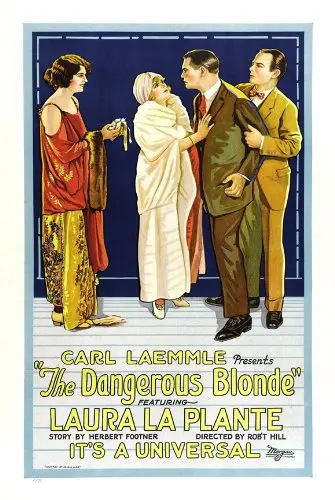
To appreciate the context of "The Girl in the Checkered Coat," it's helpful to consider other films that explored similar thematic territory or represented the burgeoning artistry of the silent era. The portrayal of a criminal underworld, for instance, finds parallels in works like The Burglar and the Lady, which similarly navigated the murky ethics of its characters. Both films likely delved into the cat-and-mouse games between law enforcement and the illicit, but "Checkered Coat" seems to ground its criminal elements in a more personal, familial tragedy, offering a deeper psychological dive into the origins of criminality rather than just its execution.
The moral struggles of a young woman, particularly in the face of societal pressures or unfortunate circumstances, were a common and compelling theme. Films like Purity or Polly Ann often explored the challenges faced by female protagonists navigating a complex world, seeking to maintain their virtue or find their place. "Checkered Coat" adds a darker hue to this trope, embedding its protagonist directly within a criminal lineage, making her struggle for identity and morality all the more poignant. It speaks to a societal fascination with the "fallen woman" narrative, but perhaps with a more empathetic lens, focusing on the systemic forces at play rather than merely judging the individual. The film examines the insidious ways in which societal structures can push individuals towards desperate measures.
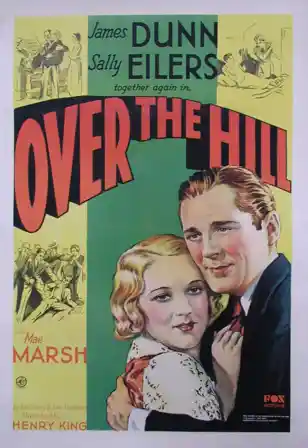
The familial drama, the choices made under duress, and the divergent paths taken by siblings are universal themes. While films like The Road to Love might explore romantic entanglements, and The Men She Married delves into marital complexities, "The Girl in the Checkered Coat" zeroes in on the foundational familial unit, showing how its fracture can reverberate through generations. The film’s exploration of nature versus nurture, the idea that one's environment can profoundly shape one's destiny, is a powerful undercurrent that elevates it beyond simple melodrama. It suggests that the bonds of blood, while strong, can be irrevocably strained by the corrupting influence of a parent, forcing children to forge their own, often painful, destinies.
Even films like On the Trail of the Spider Gang or The Midnight Man, while perhaps more focused on pure crime thrillers, share a common thread of exploring the darker corners of society. "Checkered Coat," however, seems less interested in the mechanics of crime and more in its human cost, particularly on the impressionable young. The tragedy of Fannie’s transformation is a character study, not just a plot device, making it a more emotionally resonant experience than a straightforward crime caper. It delves into the profound psychological toll that a life of crime exacts, especially when it is not a chosen path but a forced inheritance.
In retrospect, "The Girl in the Checkered Coat" stands as a compelling testament to the narrative sophistication possible in early cinema. It’s a film that, despite its age and the limitations of its medium, manages to convey a deeply human story of struggle, survival, and the profound impact of circumstance. The performances, especially by its lead actresses and the inimitable Lon Chaney, would have been pivotal in anchoring this emotional journey, allowing the audience to connect deeply with the characters' plights. The writers, Ingleton and Park, crafted a story that transcended mere plot points, delving into the psychological repercussions of a life forced into criminality with remarkable insight and sensitivity for the era.
For modern audiences, this film offers a valuable window into the past, not just cinematically, but sociologically. It reminds us that fundamental human dilemmas – the desire for a better life, the bonds of family, the corrupting influence of power or poverty – are timeless. While silent films require a different kind of engagement, demanding a more active participation from the viewer in interpreting visual cues and expressions, the rewards of investing oneself in a story as rich and nuanced as "The Girl in the Checkered Coat" are substantial. It’s a powerful reminder that compelling storytelling, even without spoken words, possesses an enduring capacity to move, provoke, and enlighten. Its legacy is not just in its individual artistic merit but in its contribution to the evolving language of cinema, demonstrating the silent screen's profound ability to capture the essence of the human condition with an artistry that continues to resonate across the decades.
IMDb 6.1
1933
Community
Log in to comment.