DbcultAccessing Vault...
6/10
Senior Film Conservator
A definitive 6/10 rating for a film that redefined the boundaries of cult cinema. The Girl in the Glass Cage remains a cornerstone of transgressive art.
If you're looking for a fast-paced thriller to watch tonight, this probably isn't the one for you. But if you have a soft spot for the late 1920s and want to see a very young Loretta Young basically carrying a whole movie on her shoulders, then yeah, it's worth a look. 📽️
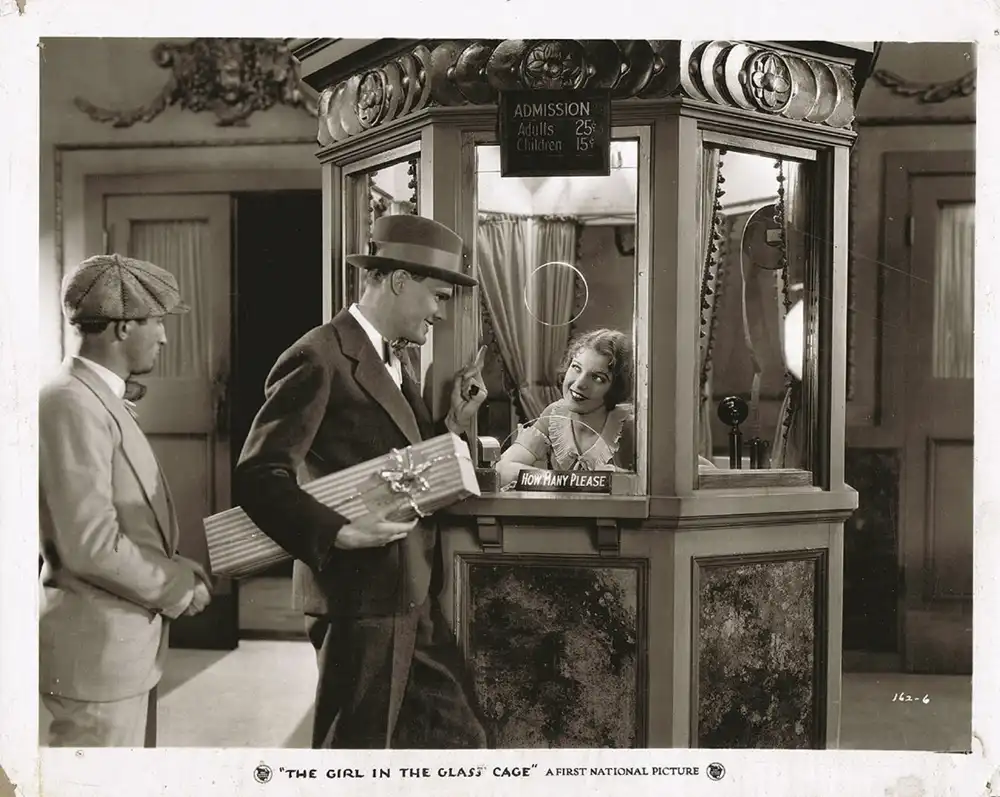
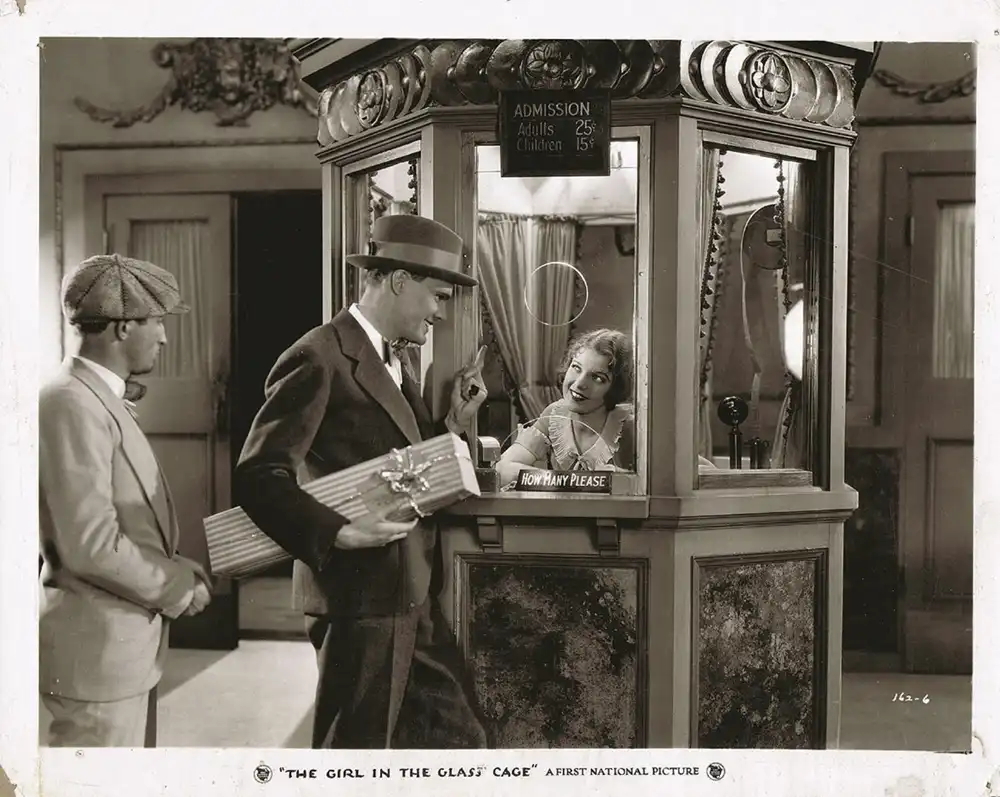
I found myself watching this mostly because I love old movie theaters. The movie is set in one, and the 'glass cage' from the title is actually the little ticket booth where Gladys (Loretta Young) sits all day. It's literally a tiny box.
She looks so young here, almost like a kid playing dress-up, but she has this very serious face the whole time. You can tell the director really wanted us to feel how cramped that booth is. I actually felt a bit claustrophobic just watching her slide those tickets through the slot.
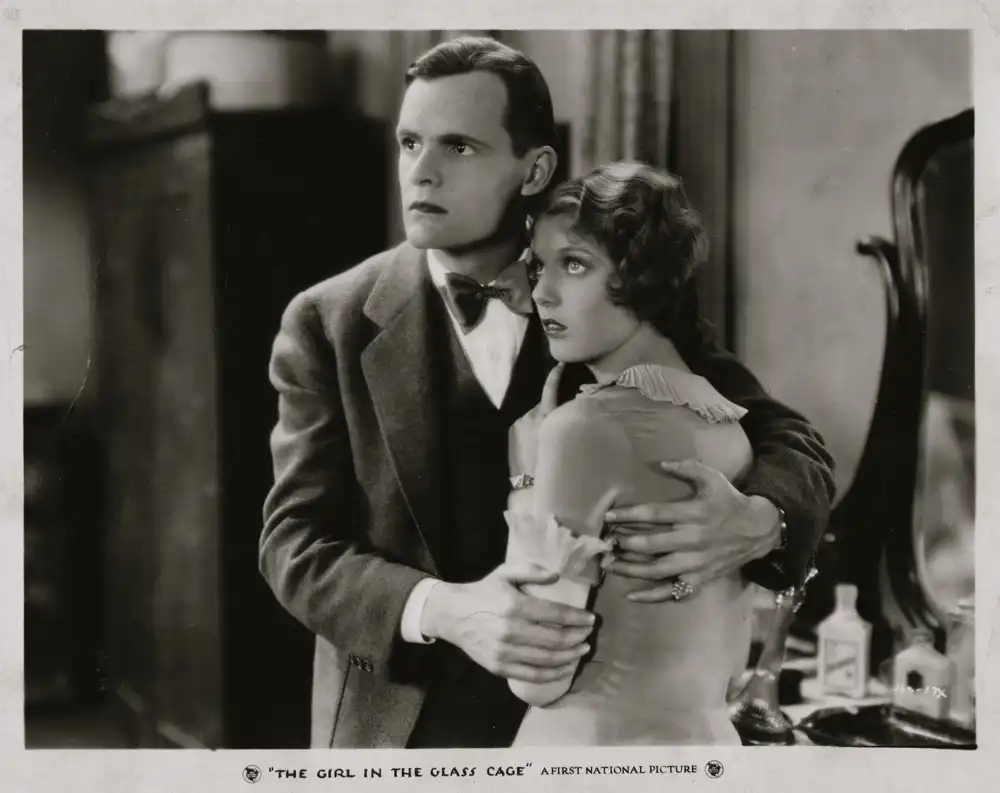
The story kicks off when this local thug named Doc starts hanging around. He’s the kind of movie villain who stands in the shadows and smirks a lot. He’s obsessed with Gladys, which is creepy enough, but then things get worse when she finds out her uncle is a thief. 🕵️♂️
Her uncle, John Cosgrove, is played by Charles Sellon. He has this great, grumpy face that looks like it was carved out of an old tree. He’s stealing the box office receipts, which feels like a really big deal in 1929 money.
I kept thinking about how much of a headache it must have been to count all that physical cash every night. There's a scene where he's messing with the ledgers and he looks so nervous his hands are shaking. It’s a small detail, but it made the whole 'crime' part feel more real than the stuff with the thug.
Speaking of the thug, Matthew Betz plays Doc with a lot of energy. Maybe too much energy. He does this thing with his eyebrows that made me laugh a couple of times, even though I think he was supposed to be scary.
It reminds me a bit of the vibe in Notoriety, where everyone is just a little bit too dramatic for their own good. But that's part of the charm of these transition-era films. They were still figuring out how much 'acting' was enough.
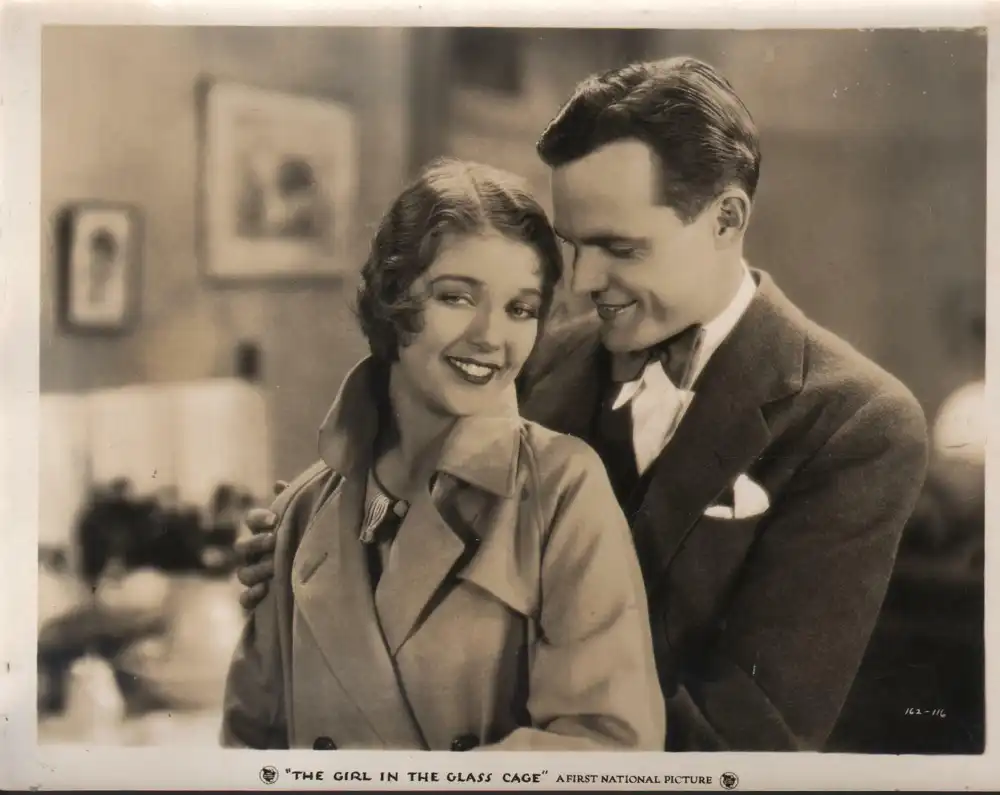
There’s a romance subplot too, of course. Carroll Nye plays the hero, and he’s fine, I guess. He doesn't have half the screen presence that Loretta has. Every time she's off-screen, the movie feels a bit flatter, like the air went out of the room.
I noticed the background extras in the theater lobby look genuinely bored. There's a guy in a flat cap who just stands there for like three minutes staring at a wall. I wonder if he knew he was being filmed or if he was just waiting for lunch. 🥪
The pacing is a bit weird. It starts off slow, then suddenly everything happens at once in the last twenty minutes. It’s not as smooth as something like Bobbed Hair, which has a bit more bounce to it.
One thing that really stuck with me was the lighting in the theater office. It’s very dark and moody, almost like a proto-noir. It makes the uncle look way more guilty than he probably would in a brighter room.
I did find myself wishing there was more of the actual movie theater shown. We see the lobby and the booth, but I wanted to see what was playing on the screen inside. It’s a movie about movies that doesn't show much of the movies, if that makes sense?
The whole 'glass cage' metaphor is hit pretty hard. She’s trapped by her job, trapped by her uncle, and trapped by the thug. We get it. It's a cage. 🦜
Still, there’s a scene where Gladys is just sitting there, waiting for the next customer, and she looks so lonely. It felt very modern for a second. That feeling of being stuck in a dead-end job while creeps talk to you through a window is pretty universal.
If you've seen things like The Galley Slave, you know how these dramas usually go. There's a lot of hand-wringing and 'oh woe is me' moments. This one has those, but Loretta Young keeps it grounded.
I should mention the writing. James Gruen and the others put together a decent enough script, but the dialogue (at least in the title cards) is a bit stiff. People don't really talk; they declare things.
Also, the ending feels a little bit rushed. Like they realized they were running out of film and had to wrap everything up in a neat bow. It’s satisfying, I suppose, but it didn't feel earned after all that tension.
Is it a masterpiece? No. But it’s a cool look at a star being born. You can see why Loretta Young became a big deal later on. She just has that 'thing' that makes you want to watch her, even when she's just sitting in a box selling tickets.
I’d say check it out if you’re a fan of silent-era aesthetics or if you like seeing the gritty side of the 'roaring' twenties. It’s more of a mood piece than a high-octane drama. Just don't expect it to change your life.
It’s definitely better than some of the other fluff from that year, like Humanity, which I remember being a real slog. At least this one has a theater setting to keep things visually interesting. 🍿
Anyway, I’m glad I saw it. It made me appreciate my own job a bit more. At least I'm not stuck in a glass box with Matthew Betz staring at me. That’s a win in my book.
IMDb —
1917
Community
Log in to comment.