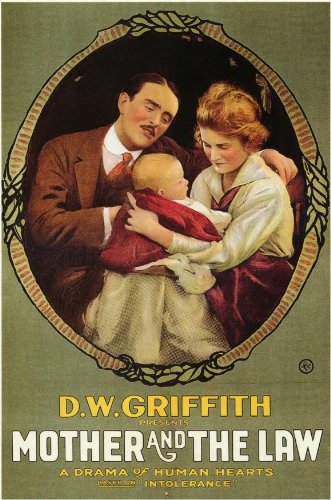
A re-edited version of the 'modern' story from Intolerance (1916)..
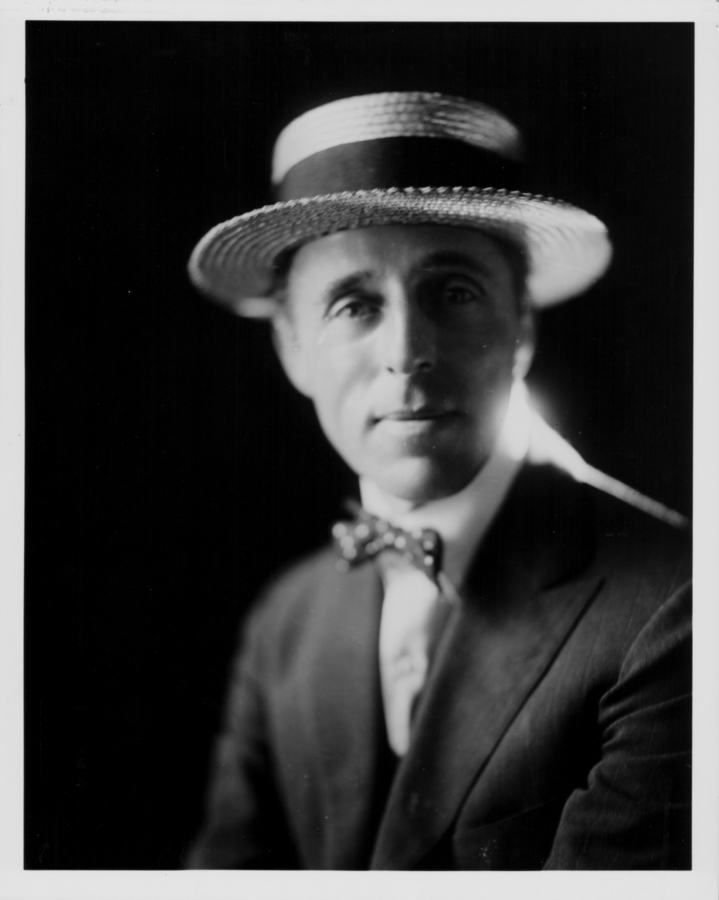
D.W. Griffith
United States
A Timeless Cry Against Injustice: Revisiting D.W. Griffith's 'The Mother and the Law' In the annals of cinematic history, few names resonate with the controversial yet undeniably pioneering force of D.W. Griffith. While his magnum opus, 'Intolerance' (1916), often dominates discussions of his work, it...

publicity
Comparing the cinematic DNA and archive impact of two defining moments in cult history.
D.W. Griffith

D.W. Griffith
Community
Log in to comment.
" A Timeless Cry Against Injustice: Revisiting D.W. Griffith's 'The Mother and the Law' In the annals of cinematic history, few names resonate with the controversial yet undeniably pioneering force of D.W. Griffith. While his magnum opus, 'Intolerance' (1916), often dominates discussions of his work, its constituent parts offer equally fertile ground for exploration. Among these, 'The Mother and the Law' (the-mother-and-the-law), a standalone re-edit of the 'modern' story from th..."
Deep dive into the cult classic
Discover similar cinematic experiences
A Directorial Spotlight on D.W. Griffith