DbcultAccessing Vault...
7.6/10
Senior Film Conservator
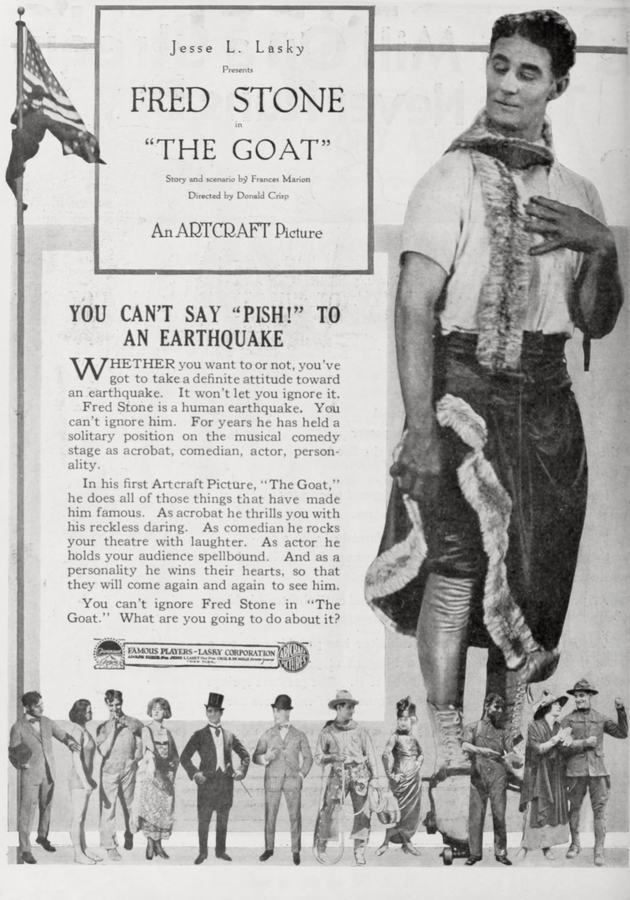
A definitive 7.6/10 rating for a film that redefined the boundaries of cult cinema. The Goat remains a cornerstone of transgressive art.
Frances Marion’s The Goat (1925) operates as both a character study and a sly critique of Hollywood’s industrialization, using the story of Chuck McCarthy to interrogate the cost of fame in an era of silent spectacle. The film’s opening act, where Chuck scales a half-constructed building to save a runaway monkey—a literal and metaphorical leap into the unknown—sets the tone for his journey. His physicality, honed in manual labor, becomes the currency that buys him entry into a world of artifice. Yet, the film resists romanticizing this transition; instead, it frames Chuck’s body as a site of conflict between authenticity and performance.
The Filmcraft Company’s treatment of Chuck mirrors the broader exploitation of labor in early 20th-century America. When Chuck doubles for Marmaduke X. Caruthers—a name as overblown as the man himself—the studio’s callousness reaches its zenith. The injury scene, staged with calculated indifference, is less a narrative climax than a moral indictment. The executives’ decision to bury Chuck in secrecy while rebranding Marmaduke as the injured hero underscores the industry’s prioritization of image over integrity. This moment echoes themes found in Going Straight, where institutional power structures similarly manipulate individuals for profit.
The film’s final act—Chuck and Molly’s Niagara Falls honeymoon—serves as a poignant juxtaposition of fleeting happiness against systemic injustice. The $1,000 settlement, a paltry sum for permanent disability, is framed as a transactional gesture rather than genuine reparation. The waterfall, a natural wonder, contrasts starkly with the artificiality of the studio set, symbolizing the elusive purity Chuck seeks. This duality resonates with the romantic landscapes in Under the Greenwood Tree, where nature often represents unattainable idealism.
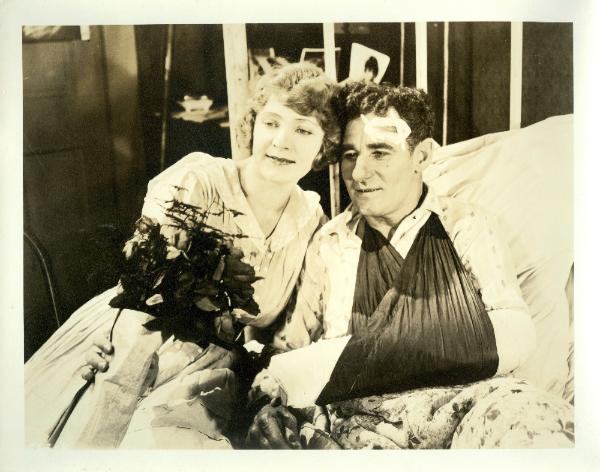
Despite its overt narrative, The Goat is a masterclass in silent film technique. Director Charles Ogle uses tight close-ups to convey Chuck’s internal conflict, particularly in scenes where his hands—calloused from labor—contrast with the gilded props he handles on set. The use of intertitles is sparse yet incisive, allowing the actors’ expressions to carry the emotional weight. Noah Beery’s performance as Chuck is a study in restraint, his physicality conveying both determination and vulnerability. This attention to detail places the film in conversation with Assisi, Italy, which similarly emphasizes visual storytelling over dialogue.
The Goat resists a tidy conclusion, leaving Chuck’s fate ambiguously suspended between triumph and compromise. This ambiguity is its greatest strength, inviting viewers to question the cost of success in any era. The film’s themes—exploitation, identity, and the commodification of the self—remain strikingly relevant, particularly in an age where social media turns authenticity into another form of performance. Its legacy is best understood in tandem with One Touch of Sin, another film that dissects the interplay between public persona and private truth.
For those seeking a deeper dive into early cinema’s complexities, The Goat is an essential viewing. Its unflinching look at the price of ambition, paired with Frances Marion’s sharp narrative control, cements it as a cornerstone of 1920s Hollywood. As Chuck descends the steps of the studio lot in the final scene, the camera lingers on his shadow—a metaphor for the unseen labor that fuels the illusion of glamour.
IMDb 5.7
1920
Community
Log in to comment.