DbcultAccessing Vault...
5.5/10
Senior Film Conservator
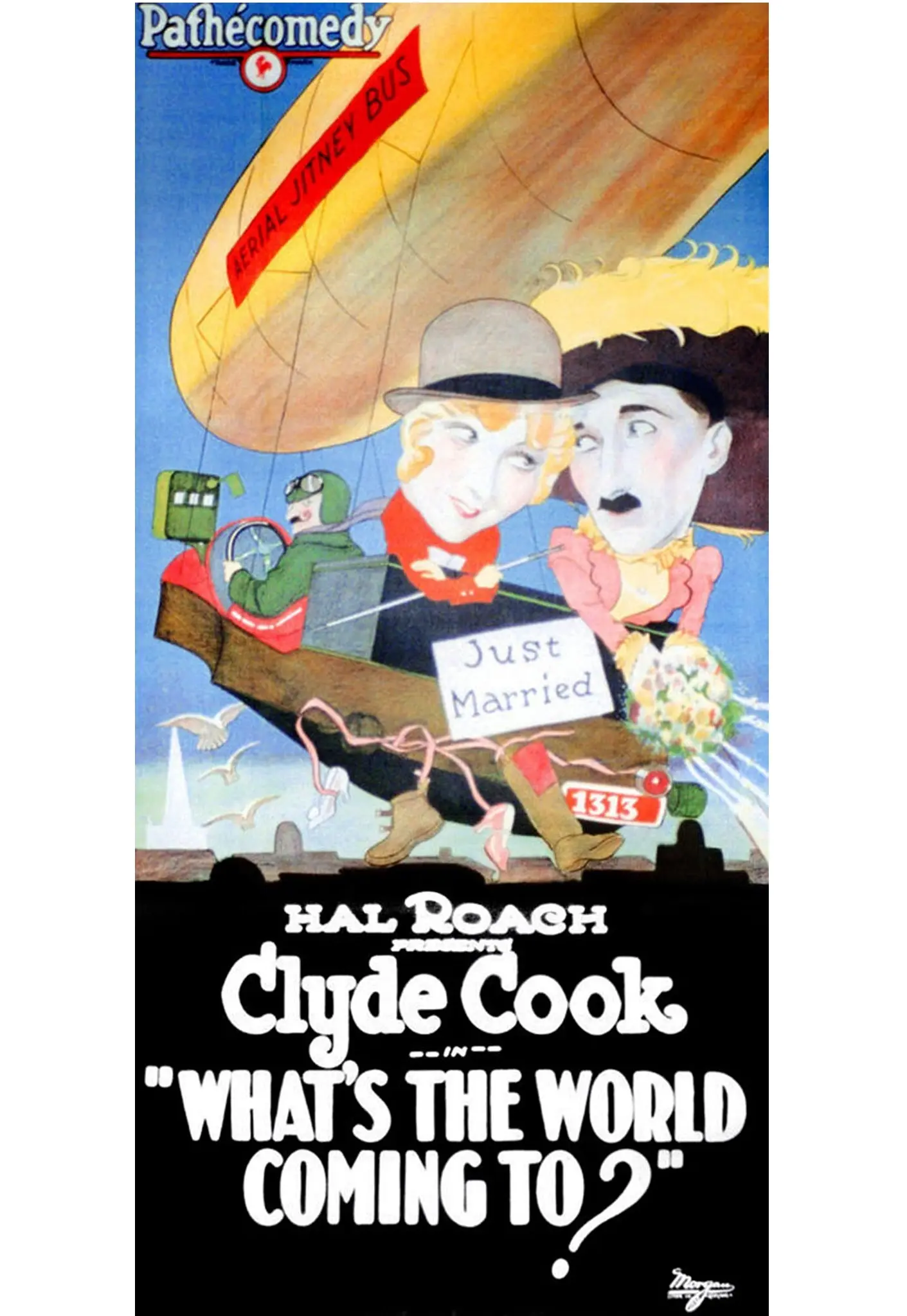
A definitive 5.5/10 rating for a film that redefined the boundaries of cult cinema. What's the World Coming To remains a cornerstone of transgressive art.
Is this 1926 silent short worth watching in the modern era? Short answer: Yes, but primarily as a fascinating sociological artifact rather than a laugh-out-loud riot. It is a film for those who appreciate the evolution of comedy and the history of gender representation on screen; it is emphatically not for those who require high-definition spectacle or nuanced, modern character development.
This film works because it commits entirely to its central conceit without blinking. It fails because the slapstick often feels repetitive, even within its brief twenty-minute runtime. You should watch it if you want to see the DNA of Stan Laurel’s comedic mind before he became a household name alongside Oliver Hardy.
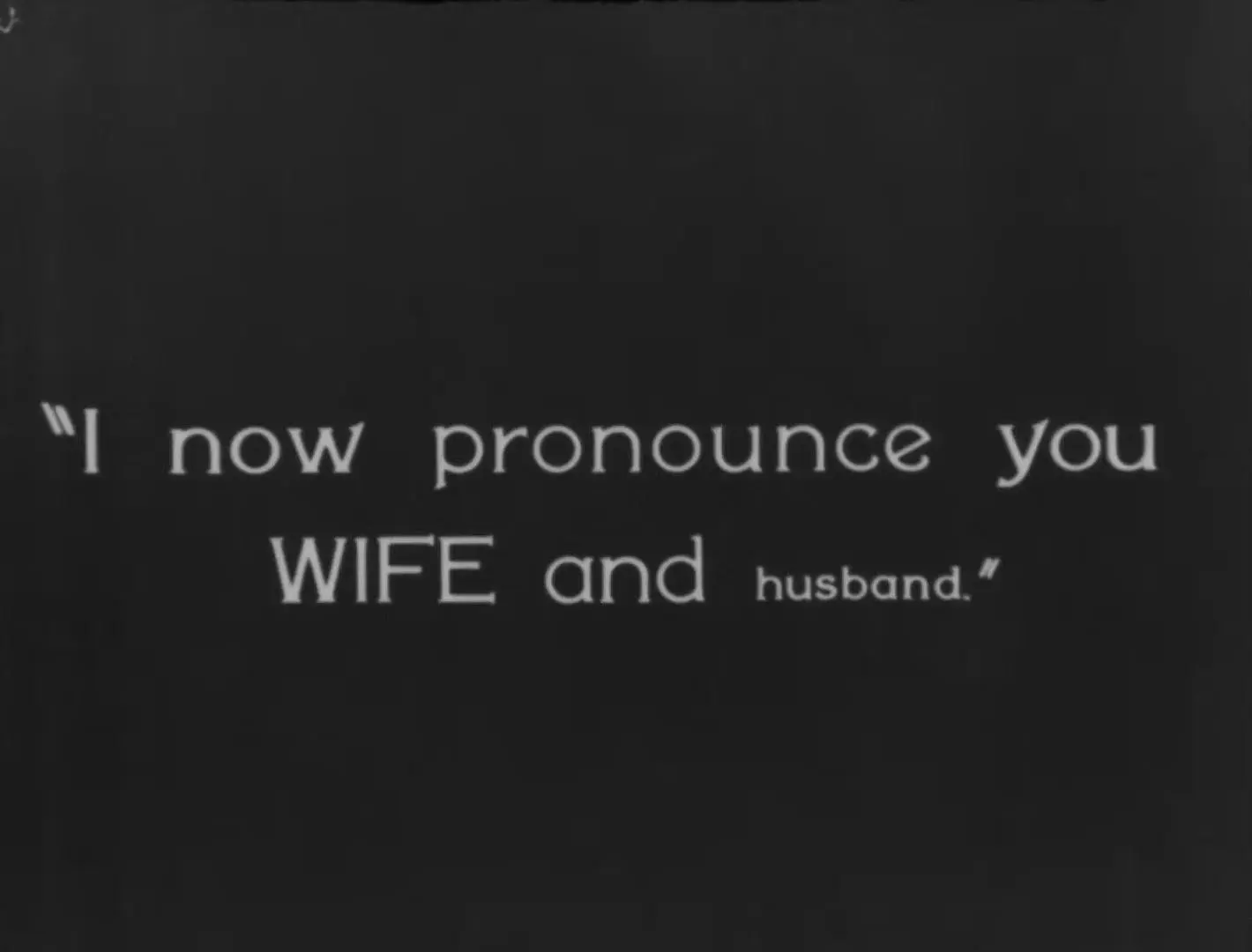
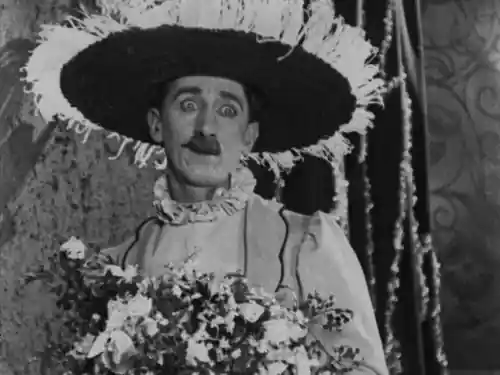
What’s the World Coming To is a 1926 production that attempts to look one hundred years into the future. That means it is technically set in our current year, 2026. Looking at it through that lens is both hilarious and sobering. The filmmakers didn't predict the internet or space travel; instead, they predicted that women would eventually start acting like men. In this world, the 'new woman' is a predatory figure, leaning against streetlamps and whistling at passing men who shyly clutch their skirts. It is a broad, loud, and frequently chaotic piece of filmmaking.
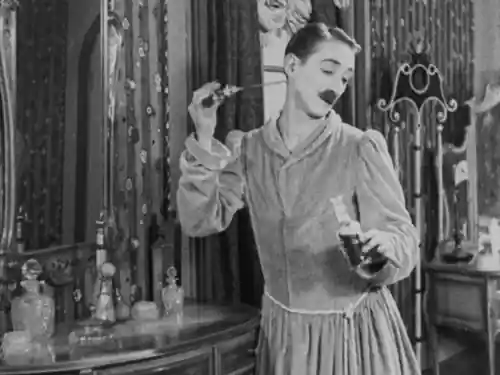
The film’s greatest strength is its lack of subtlety. While other films of the era like Borrowed Clothes handled gender-swapping with a bit more dramatic weight, this is pure Hal Roach chaos. The sight of James Finlayson—a man whose face was seemingly made of rubber and indignation—playing a 'fussy' husband is a masterclass in silent reaction. He doesn't just play a man in a dress; he adopts the entire physical vocabulary of a 1920s housewife, from the way he dabs his eyes to the way he frets over a messy kitchen.
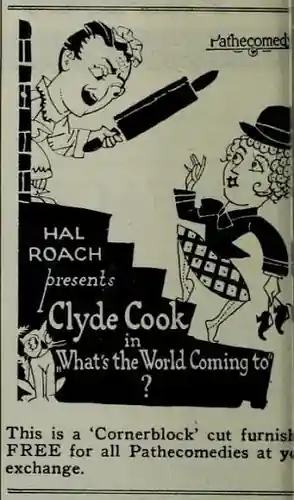
While F. Richard Jones and Richard Wallace are credited as directors, the fingerprints of Stan Laurel (who co-wrote the script) are all over this thing. You can see the seeds of the 'Stan' persona in the way the male characters interact—that mix of bewildered innocence and sudden, sharp frustration. The pacing is relentless. In one specific scene, a group of women are seen lounging in a club, feet up, smoking and discussing 'business,' while the men outside are shown gossiping over baby carriages. The visual shorthand is effective, if blunt.
The cinematography is typical for the mid-20s: flat, high-key lighting that ensures every gag is visible. There is no attempt at the expressionistic shadows found in European cinema of the time, such as Der verlorene Schuh. Here, the camera is a passive observer of the mayhem. It works. But it’s flawed. The lack of dynamic camera movement makes some of the longer slapstick sequences feel stagnant, relying entirely on the actors' physicality to maintain momentum.
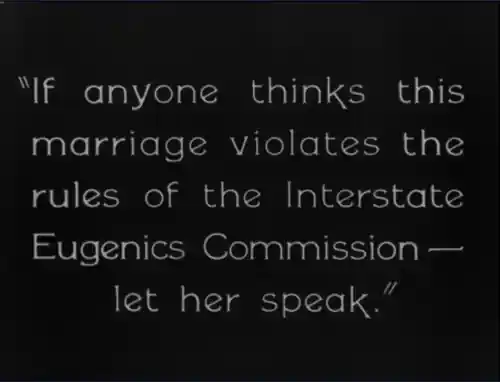
Should you invest twenty minutes in this silent relic? You should watch it if you are interested in the history of satire. It provides a rare glimpse into how the 1920s viewed the burgeoning feminist movement—by mocking the 'absurdity' of a world where men and women traded places. As a piece of entertainment, it is hit-or-miss. As a time capsule, it is essential. It is a loud, proud, and deeply weird experiment in social role-reversal.
Pros:
Cons:
There is a surprising subversiveness here that often gets overlooked. Most 'drag' comedies of this era, like Cooks and Crooks, used the costume as a temporary disguise. In What’s the World Coming To, the reversal is the permanent state of the world. This allows for a deeper, albeit still comedic, exploration of how power is performed. When Katherine Grant’s character treats her husband with a dismissive, paternalistic air, it isn't just a gag; it is a direct parody of the patriarchal domesticity of the time. This is a stance that feels surprisingly modern, even if the execution is draped in slapstick.
The film also benefits from its brevity. Unlike the feature-length Politics, which can drag in its middle act, this short film gets in, makes its point, and exits before the central gimmick becomes unbearable. However, the ending feels abrupt, a common trait of the Hal Roach shorts where the goal was often to just reach a chaotic crescendo rather than a narrative resolution.
What’s the World Coming To is a fascinating, loud, and occasionally brilliant mess. It is a film that dares to imagine a world turned upside down, even if its primary goal is to make a 1926 audience laugh at the 'horror' of a man doing laundry. While it lacks the poetic grace of On a Summer Day or the historical gravity of The Virgin Queen, it possesses a raw, comedic energy that is hard to ignore. It is a piece of history that deserves to be seen, analyzed, and laughed at—both for the jokes that still work and the ones that have aged into fascinating cultural artifacts. It is not a masterpiece. It is something better: a loud, weird, and honest reflection of a world in flux.

IMDb 3.4
1934
Community
Log in to comment.