DbcultAccessing Vault...
5/10
Senior Film Conservator
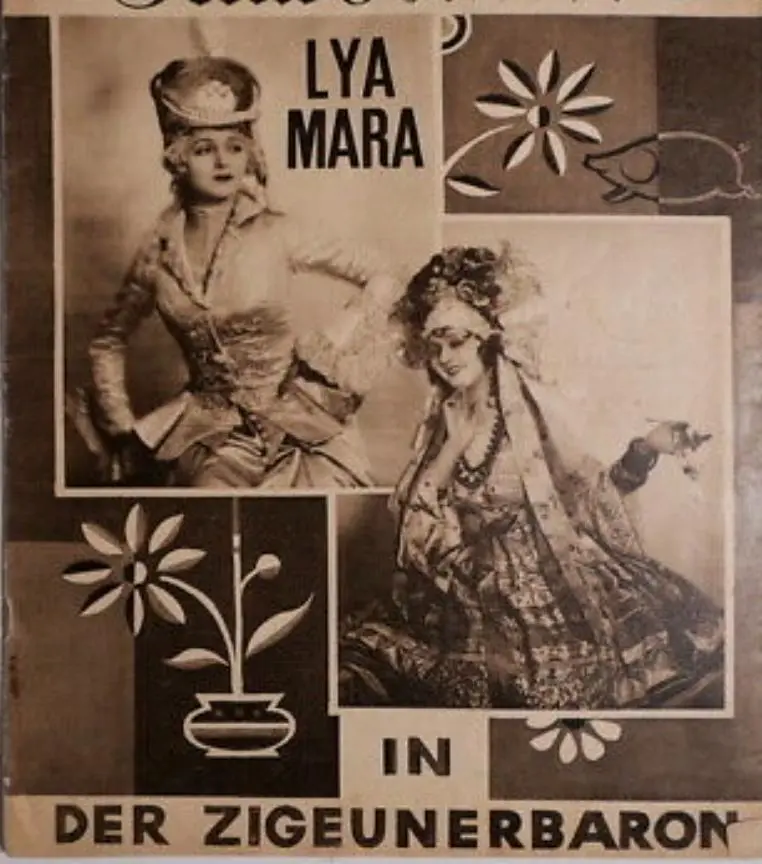
A definitive 5/10 rating for a film that redefined the boundaries of cult cinema. The Gypsy Baron remains a cornerstone of transgressive art.
Is The Gypsy Baron (slug: the-gypsy-baron) worth watching in the modern era? Short answer: yes, but with significant caveats. This early cinematic rendition of the celebrated operetta offers a fascinating glimpse into filmmaking of its time, presenting a lavish, if somewhat stilted, spectacle that will appeal immensely to film historians and ardent fans of pre-Code cinema.
However, it is decidedly not for those seeking the fluid narratives or sophisticated character development typical of contemporary cinema. This is a film best suited for viewers with an appreciation for historical context, theatrical performances, and the nascent stages of cinematic storytelling, rather than a casual audience looking for a quick, engaging watch.
This film works because of its audacious attempt to translate grand operatic romance and spectacle to the screen, leveraging the star power of its era and a genuinely engaging core story of love, inheritance, and identity. The visual ambition, particularly in its set pieces and costuming, is undeniable for a production of its vintage. It serves as a vital document of a specific period in European filmmaking.
This film fails because its narrative pacing can feel glacial by today's standards, its performances occasionally veer into melodramatic excess, and the limitations of early sound (or silent film, depending on the specific version) technology sometimes hinder the operetta's inherent musicality. The emotional beats, while present, often lack the nuanced punch modern audiences expect, requiring a generous suspension of disbelief and a historical lens.
You should watch it if you are a cinephile fascinated by the evolution of film, a scholar of operetta adaptations, or someone who cherishes the unique charm of early 20th-century European cinema. If you prefer fast-paced plots, naturalistic acting, or high-fidelity sound, you might find its charms elusive.
Johann Strauss II’s The Gypsy Baron is a cornerstone of the operetta canon, a vibrant tale of romance, mistaken identity, and national pride. Translating such a work to the burgeoning medium of cinema in the early 20th century was an ambitious undertaking, and this particular adaptation, featuring a cast of notable actors like Ernö Verebes and Rudolf Klein-Rogge, offers a compelling, if imperfect, window into that transitional period. The film is less a direct translation of the stage work and more a cinematic reinterpretation, attempting to capture the spirit of the operetta through visual storytelling rather than relying solely on its musicality.
The plot, centered around the exiled Sándor Barinkay's return to Hungary, is inherently dramatic and rich with operatic possibility. His journey from a disinherited nobleman to the 'Gypsy Baron,' his love for Saffi, and the eventual discovery of hidden treasure and his true lineage, provide ample material for sweeping romanticism and adventure. The film leans heavily into these theatrical elements, often with broad strokes that might feel overwrought to modern sensibilities but were entirely in keeping with the performance styles of the era.
One of the film's most striking aspects is its visual ambition. For its time, the production design and costuming are remarkably elaborate, attempting to conjure the opulent and rustic worlds of 18th-century Hungary. While perhaps not as groundbreaking as some contemporary works like Metropolis (though that came later), there's a clear effort to create an immersive environment. The scenes depicting the Roma camp, for instance, are rendered with a theatrical flair that emphasizes their perceived otherness and vibrancy, a common trope of the period that, while problematic by today's standards, was integral to the operetta's original appeal.
The ensemble cast delivers performances that are very much products of their time, characterized by a certain stage-bound expressiveness. Ernö Verebes, as the protagonist Sándor Barinkay, embodies the role with a blend of youthful earnestness and aristocratic bearing. His portrayal captures the character's initial naivety and his gradual transformation, though at times, his gestures might appear overly theatrical rather than naturally cinematic. He carries the romantic lead convincingly, particularly in his scenes with Lya Mara.
Lya Mara, as Saffi, brings a captivating presence to the screen. Her performance balances vulnerability with a fierce independence, making her character more than just a romantic ideal. There's a particular scene where Saffi confronts Barinkay about his perceived societal prejudices, and Mara conveys a quiet strength that resonates, even through the limitations of silent-era acting conventions or early sound recording. It's a nuanced performance for its time.
However, it is often the supporting cast that provides some of the film's most memorable moments. Michael Bohnen, as the boorish pig farmer Zsupán, is a formidable presence. His blustering, avaricious character is painted with broad, villainous strokes, yet Bohnen imbues him with a theatrical energy that is difficult to ignore. Rudolf Klein-Rogge, a familiar face from other German Expressionist films like Dr. Mabuse the Gambler, likely brings his characteristic intensity to his role, though without more specific plot details, it's hard to pinpoint his exact impact. His presence alone suggests a certain gravitas, often associated with darker, more complex characters.
William Dieterle, who would later become a celebrated director, is also part of the cast. His early acting work here provides an interesting historical footnote, showcasing the talent pool of the era. These actors, many with strong theatrical backgrounds, were navigating a new medium, and their performances reflect that delicate balance between stage projection and nascent screen naturalism.
The direction, likely overseen by a team given the era's collaborative nature, demonstrates an understanding of how to use the camera to tell a story, even if the techniques now seem rudimentary. There are moments of genuine visual flair, such as sweeping establishing shots of the Hungarian plains or dynamic crowd scenes during the treasure hunt. These sequences hint at a burgeoning cinematic language, moving beyond static theatrical blocking.
One surprisingly effective technique is the use of parallel editing during the climax, intercutting Barinkay’s journey with the unfolding drama at the estate. While not as sophisticated as later examples, it builds tension in a way that feels distinctly cinematic and less like a filmed play.
The cinematography, while perhaps lacking the sophisticated lighting and camera movement of later decades, still manages to create evocative imagery. The contrast between the opulent interiors of the aristocracy and the rugged, naturalistic settings of the Roma camp is visually distinct. The film leverages natural light where possible, giving certain outdoor scenes an authentic, almost documentary-like feel that stands in stark contrast to the stylized indoor sets. This dichotomy is a crucial part of the film's visual identity, underscoring the thematic tensions.
However, the pacing can be a real challenge. Early films often suffered from a lack of kinetic energy, and The Gypsy Baron is no exception. Scenes tend to linger, and transitions can feel abrupt. The narrative, while clear, unfolds at a deliberate, almost stately pace that demands patience from a contemporary audience. This is not a flaw in the context of its production, but an inherent characteristic that defines early cinema.
Beyond the romance and adventure, The Gypsy Baron grapples with themes of identity, class, and prejudice. Barinkay's journey involves not just reclaiming his physical inheritance but also understanding his place in a society stratified by birth and perceived social standing. His embrace of the Roma community and his love for Saffi challenge the rigid social norms of the time.
The film, much like the operetta, attempts to humanize the Roma people, presenting them not just as exotic 'others' but as a community with their own pride, traditions, and an integral role in the story. While the portrayal might still fall into certain stereotypical traps of its era, there's an underlying message of acceptance and the idea that true nobility comes from character, not just lineage. This progressive undercurrent, even if imperfectly executed, is a noteworthy aspect of the film's thematic depth.
The commentary on avarice, embodied by Zsupán, is also clear. His obsession with material wealth and his disdain for anyone outside his social circle serve as a stark contrast to Barinkay's more open-minded perspective. The eventual discovery of the treasure, and Barinkay's elevation, reinforces the narrative's moral compass, albeit in a somewhat simplistic, fairytale manner.
What truly surprised me about The Gypsy Baron was not its adherence to the operetta's plot, but its courage in attempting to visually interpret the *feeling* of the music without the music itself being the primary driver. It's a bold choice, almost a contradiction in terms, yet it forces the viewer to appreciate the visual storytelling on its own merits. This isn't just a filmed play; it’s a genuine attempt at early cinematic art. The film, despite its flaws, is a testament to the ambition of its creators.
I argue that its very datedness is its greatest asset. It forces a dialogue with the past, making us consider how much film has evolved and what we’ve gained and lost along the way. Modern blockbusters, with their seamless effects and rapid cuts, rarely demand the kind of contemplative engagement that this film does. There’s a raw honesty to its construction, a visible effort that is often smoothed over in today’s polished productions.
This film, much like The Grip of Evil or even Parisette from the same general period, demands that you adjust your expectations. It’s not a passive experience. You have to actively engage with its historical context, its theatrical roots, and its pioneering spirit. If you go in expecting a contemporary narrative, you will be disappointed. But if you embrace it as a historical document of artistic ambition, its rewards are considerable.
The Gypsy Baron is a fascinating, if challenging, watch. It stands as an important piece of cinematic history, demonstrating the early efforts to adapt complex stage works for the screen. Its lavish production values for the era, coupled with earnest performances, offer a glimpse into a bygone style of filmmaking. It works. But it’s flawed.
While its pacing and theatrical acting might test the patience of a modern audience, its historical significance and unique charm make it a valuable experience for those willing to approach it with an open mind and an appreciation for the evolution of cinema. It’s not for everyone, but for the right viewer, it offers a rich, if sometimes ponderous, journey into the past. Don't expect a thrilling ride; expect a historical journey.
IMDb —
1926
Community
Log in to comment.