DbcultAccessing Vault...
6.6/10
Senior Film Conservator
A definitive 6.6/10 rating for a film that redefined the boundaries of cult cinema. The Hand of Peril remains a cornerstone of transgressive art.
Stepping into the shadowy world of "The Hand of Peril" feels like unearthing a forgotten gem from the nascent days of cinematic storytelling. This isn't merely a crime thriller; it's a meticulously crafted narrative tapestry woven with threads of espionage, moral ambiguity, and an unexpected, simmering romance. At its heart lies James Kestner, a government secret agent, not the dashing, quippy operative of later eras, but a man of steely resolve and quiet determination, whose mission to dismantle a formidable counterfeiting ring becomes an intensely personal odyssey. The film's power resides in its ability to transcend simple good-versus-evil dichotomies, plunging viewers into a labyrinth where allegiances shift and the line between victim and perpetrator blur with compelling frequency.
Our protagonist, Kestner, embodied with a compelling gravitas, is on the hunt for Frank Lambert, a name whispered with a mixture of fear and reverence in the criminal underworld. Lambert isn't just a counterfeiter; he's an artisan of deception, possessing a singular, almost mythic skill: the ability to seamlessly repair the perforations of used bank checks. This detail, seemingly minor, elevates Lambert beyond a common crook, painting him as a meticulous craftsman whose dedication to his illicit trade is almost unsettling. Kestner's initial foray into Lambert's clandestine riverside workshop is a masterclass in tension. Imagine the hushed silence of a deserted lair, the agent's methodical search for incriminating evidence, every shadow a potential threat. Yet, the calculated infiltration takes an abrupt turn with the appearance of "Bull's Eye" Cherry, a character whose very moniker suggests a sharp, unwavering focus. This clever girl crook, a crucial cog in Lambert's machine, catches Kestner red-handed, instantly ratcheting up the stakes. The scene is a testament to the film's ability to build suspense without a single spoken word, relying instead on visual cues, the actors' expressions, and the palpable threat of discovery.
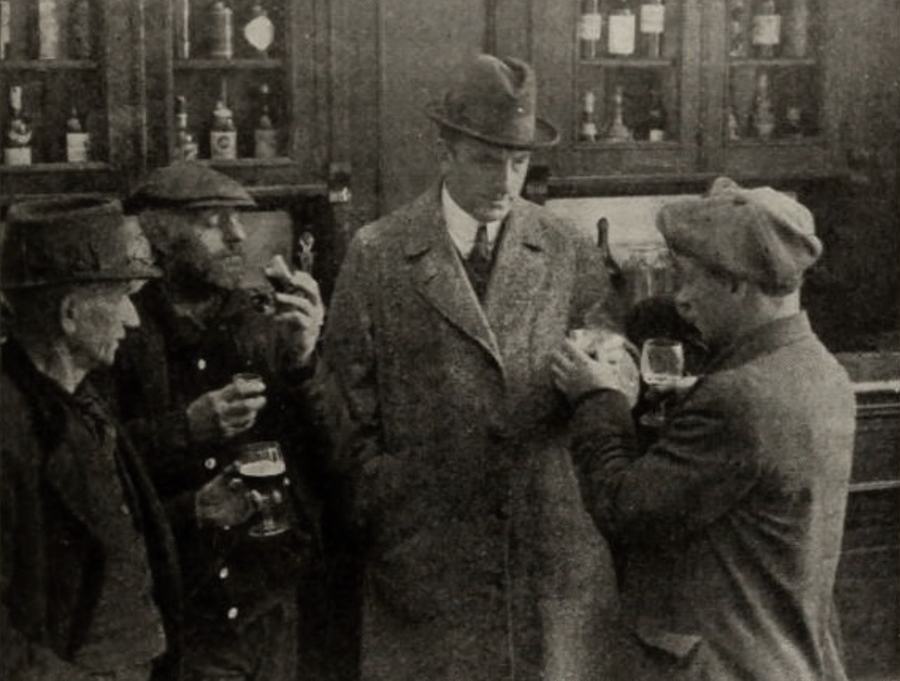
The narrative truly gains its emotional depth with the introduction of Maura, Lambert's "daughter," a young woman whose upbringing has been entirely steeped in the murky waters of crime. Her entrance alongside her father, finding Kestner at the mercy of Cherry's revolver, sets the stage for a pivotal moment. Lambert, a man devoid of sentimentality, is intent on Kestner's immediate execution. It is here that Maura's character begins to blossom beyond her initial criminal facade. Her unexpected intercession on Kestner's behalf, driven by a nascent admiration for his brave demeanor, is a stroke of narrative genius. The feigned police raid, a quick-witted deception to save a man she barely knows, not only secures Kestner's temporary freedom but also plants the seed of a future, complicated connection between them. This moral complexity, where a criminal saves a lawman, challenges the audience's preconceptions and elevates the narrative beyond simple good-vs-evil tropes, reminiscent of the intricate moral landscapes explored in films like As Ye Repent, where characters grapple with choices that define their redemption.
The pursuit intensifies as Kestner, ever tenacious, tracks the elusive counterfeiters to their new quarters. The film cleverly employs secondary characters to advance the plot, with Kestner's assistant trailing "Bull's Eye" Cherry, who holds the crucial new counterfeit plates. Cherry's subsequent, almost balletic evasion of capture, a testament to her street smarts, and her successful return of the plates to Lambert's headquarters, further underscores the formidable challenge Kestner faces. This isn't a band of bumbling thugs; these are cunning, resourceful individuals.
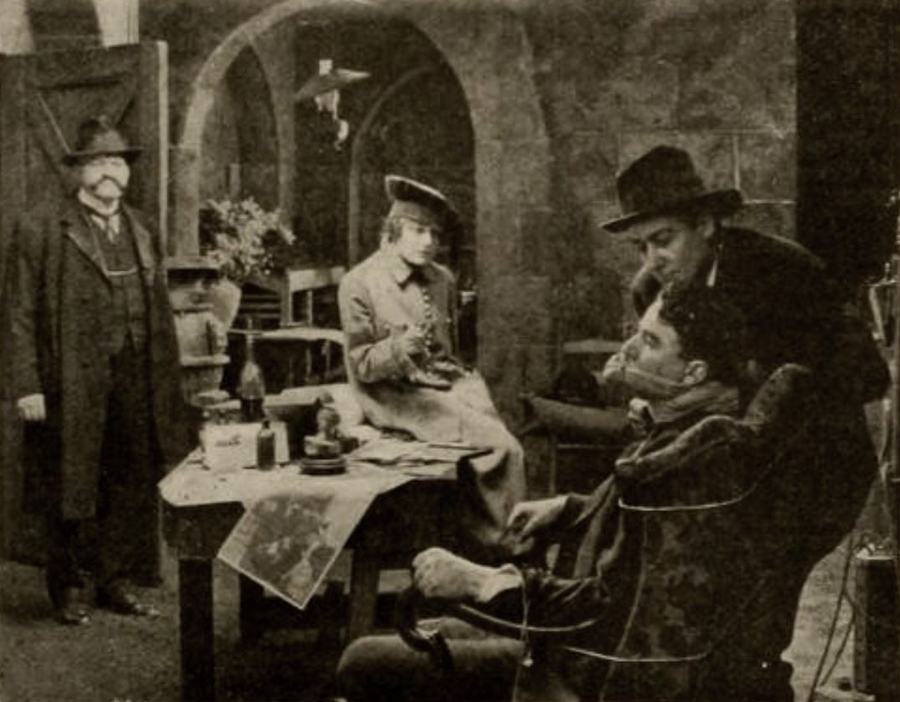
However, the external conflict between Kestner and the gang soon gives way to a simmering internal inferno. Kestner's forceful entry into the gang's new rooms places him as a silent witness to a shocking tragedy: a desperate, visceral battle between Lambert and Tony Morello, one of his own accomplices. Morello's fatal flaw, his unbridled passion for Maura, leads him to attempt to force his advances upon her, triggering Lambert's murderous rage. The ensuing knife fight, brutal and swift, culminates in Morello's death. But before his life ebbs away, Morello delivers a shattering revelation to Maura: Lambert is not her true father. She was stolen as a baby, meticulously groomed and indoctrinated into this life of crime. This moment is the emotional earthquake of the film, shattering Maura's entire foundation, revealing the monstrous deceit at the core of her existence. It transforms her from a mere criminal accessory into a profound figure of tragedy and potential redemption. The raw emotional impact of this scene, delivered silently yet powerfully, speaks volumes about the early filmmakers' understanding of dramatic tension and character development. It's a twist that resonates deeply, akin to the unraveling of familial ties in a drama like A Daughter of the City, though with far darker implications.
With Lambert's true nature exposed and Morello's body still, Kestner finally places the master counterfeiter under arrest. Yet, Lambert's cunning knows no bounds, and he employs another ingenious ruse to evade capture a second time, a testament to his slippery, almost supernatural ability to escape justice. The arrival of Kestner's assistant with the police only underscores the agent's growing frustration. But in a move that solidifies Maura's shift from antagonist to potential ally, Kestner, recalling her earlier act of selflessness, permits her to go free. This decision is not merely an act of gratitude; it's a profound statement on Kestner's character, highlighting his capacity for empathy and his adherence to a moral code that transcends strict legalistic boundaries. He sees the victim beneath the criminal facade, recognizing her forced indoctrination.
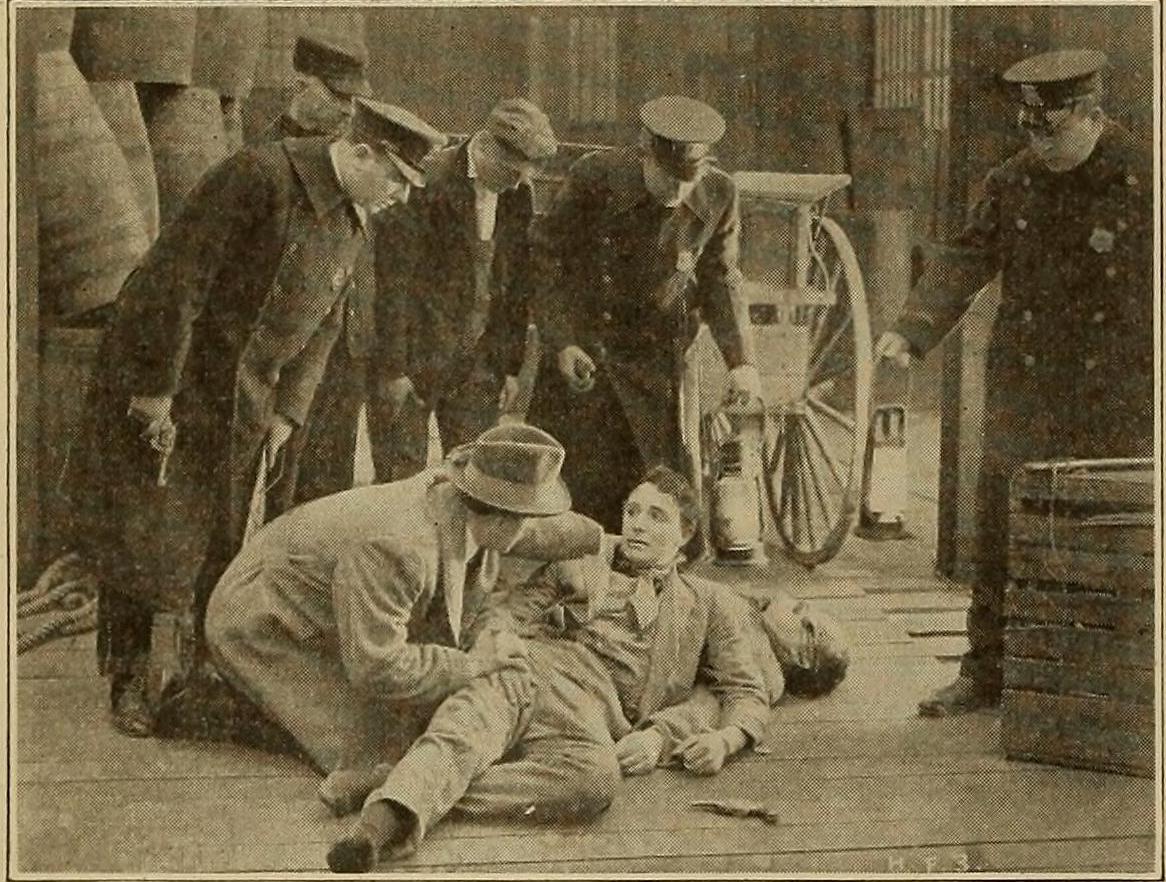
This pivotal moment sets the stage for the film's thrilling climax. Kestner, now driven by a singular, almost personal determination, vows to capture Lambert single-handed. The narrative narrows its focus, transforming the broader crime drama into a taut, mano-a-mano confrontation. He trails Lambert to a desolate wharf, a perfect setting for a midnight rendezvous of fate. The ensuing battle is a symphony of suspense: a revolver skirmish in the oppressive darkness, punctuated by flashes of light and the ominous echoes of gunfire, which seamlessly transitions into a brutal, hand-to-hand struggle. This raw, physical confrontation strips away all artifice, leaving only the primal will to survive and triumph. Kestner ultimately emerges victorious, but at a profound cost; he is barely able to handcuff himself to his unconscious opponent before succumbing to utter exhaustion. This final image, two men bound together in the aftermath of their desperate struggle, speaks volumes about the toll of justice and the intertwined destinies forged in conflict. The narrative here echoes the relentless pursuit of justice found in films like The Long Arm of the Law, where the reach of justice, though arduous, is ultimately inescapable.
The resolution of "The Hand of Peril" offers a poignant blend of justice served and lives irrevocably altered. Kestner, having fulfilled his duty, now extends a hand of genuine compassion to Maura. He doesn't merely let her go; he actively guides her towards a "straight road," a path of redemption and normalcy. Her decision to take up residence with Kestner's mother is not just a practical arrangement; it symbolizes her integration into a legitimate, caring family structure, a stark contrast to the deceitful, criminal "family" she had known. This act of quiet compassion from Kestner further solidifies his character as a moral compass in a morally ambiguous world. It's a profound statement on the power of second chances and the human capacity for change, a theme explored with varying degrees of success in many silent dramas, including the earnest attempts at moral reformation seen in features like The Bondman.
The story closes with a delicate intimation, a whisper of romance blooming from the ashes of danger and deceit. The strange beginnings of their connection—forged in a counterfeiter's lair, solidified by an act of defiance, and deepened by a shared understanding of profound injustice—are presented as the unlikely foundation for a life of happiness. This quiet suggestion of a future romance between the secret agent and the reformed criminal's daughter adds a layer of tender human drama to the thrilling action. It's a testament to the film's nuanced storytelling that it allows for such a hopeful, albeit subtly conveyed, conclusion. The chemistry between Roy Pilcher as Kestner and June Elvidge as Maura, even without dialogue, must have been palpable, conveying volumes through gesture and gaze. This narrative thread, where love emerges from the crucible of adversity, is a timeless trope, yet here it feels fresh and earned, a reward for enduring the peril.
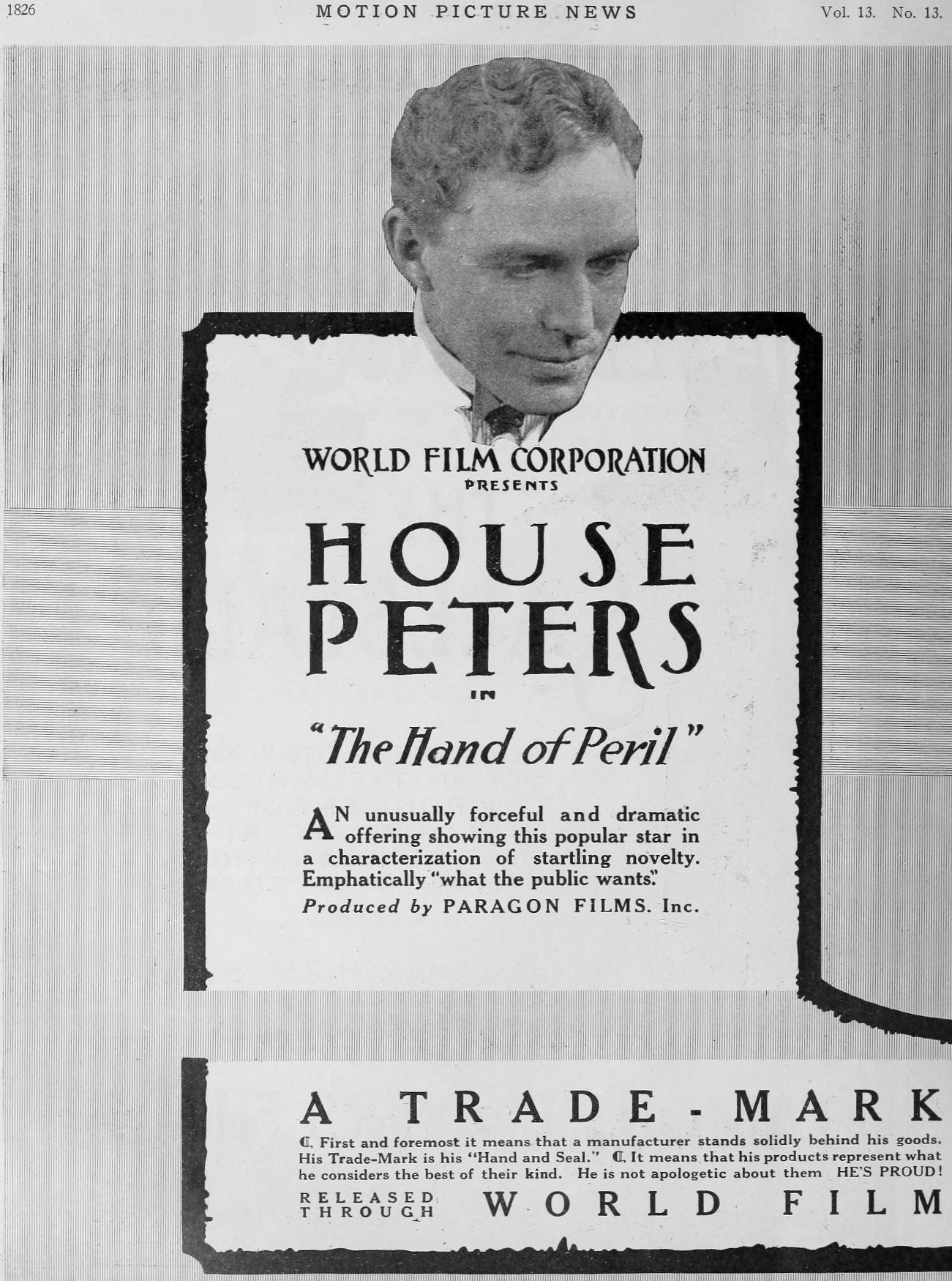
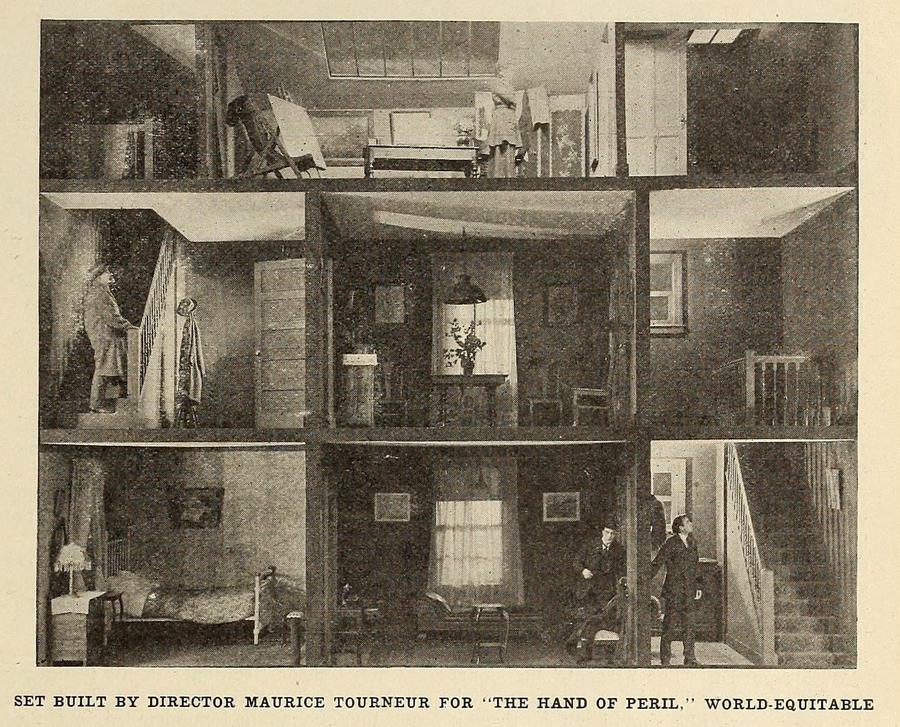
"The Hand of Peril" is more than just its plot; it's a window into the evolving artistry of early cinema. The direction, likely from Maurice Tourneur (though the plot description only credits him as a writer, he was a prolific director of the era), would have emphasized visual storytelling, using chiaroscuro lighting to enhance the noir-ish atmosphere of the underworld, and dynamic staging to convey action and emotion. The pacing, crucial in silent films, would have carefully balanced moments of tense stillness with bursts of frantic action, ensuring the audience remained captivated. The performances, particularly from House Peters as Lambert and June Elvidge as Maura, would have relied heavily on exaggerated yet expressive gestures and facial expressions, a distinct art form in itself. One can imagine the raw power of Peters portraying Lambert's ruthlessness and the subtle vulnerability Elvidge would bring to Maura.
Considering the constraints and burgeoning techniques of its time, "The Hand of Peril" stands as a remarkable example of how early filmmakers tackled complex narratives and character arcs. It eschews simplistic morality tales for a more intricate exploration of human nature under duress. The film's ability to weave together a compelling detective story, a suspenseful crime drama, and a tender, redemptive romance speaks volumes about the creative ambition of its creators, Arthur Stringer and Maurice Tourneur. It’s a narrative that would influence countless thrillers and dramas that followed, laying groundwork for future explorations of law enforcement, organized crime, and the often-unforeseen paths to redemption. This film, in its quiet intensity and profound character development, offers a rich viewing experience that resonates far beyond its silent origins, reminding us that truly gripping storytelling is timeless. It showcases a maturity in narrative construction that might surprise those unfamiliar with the sophistication of early 20th-century cinema.
From the initial infiltration into the dimly lit, subterranean workshop to the climactic, rain-slicked wharf showdown, every sequence is designed to heighten tension and propel the story forward. The interplay between Kestner’s unwavering sense of duty and Maura’s dawning moral awakening provides the emotional core, elevating the film beyond a mere chase. The character of Lambert, a villain both ingenious and cruel, serves as a formidable antagonist, whose repeated escapes maintain a relentless pressure on Kestner. The film crafts a world where peril is ever-present, yet hope, however fragile, persists. It is this delicate balance that truly captivates, making "The Hand of Peril" a compelling study in early cinematic suspense and character depth. It's a film that demands appreciation not just for its historical context but for its inherent dramatic power, a testament to the enduring appeal of a well-told story, regardless of the era.
IMDb —
1929
Community
Log in to comment.