DbcultAccessing Vault...
Cult Review
Senior Film Conservator
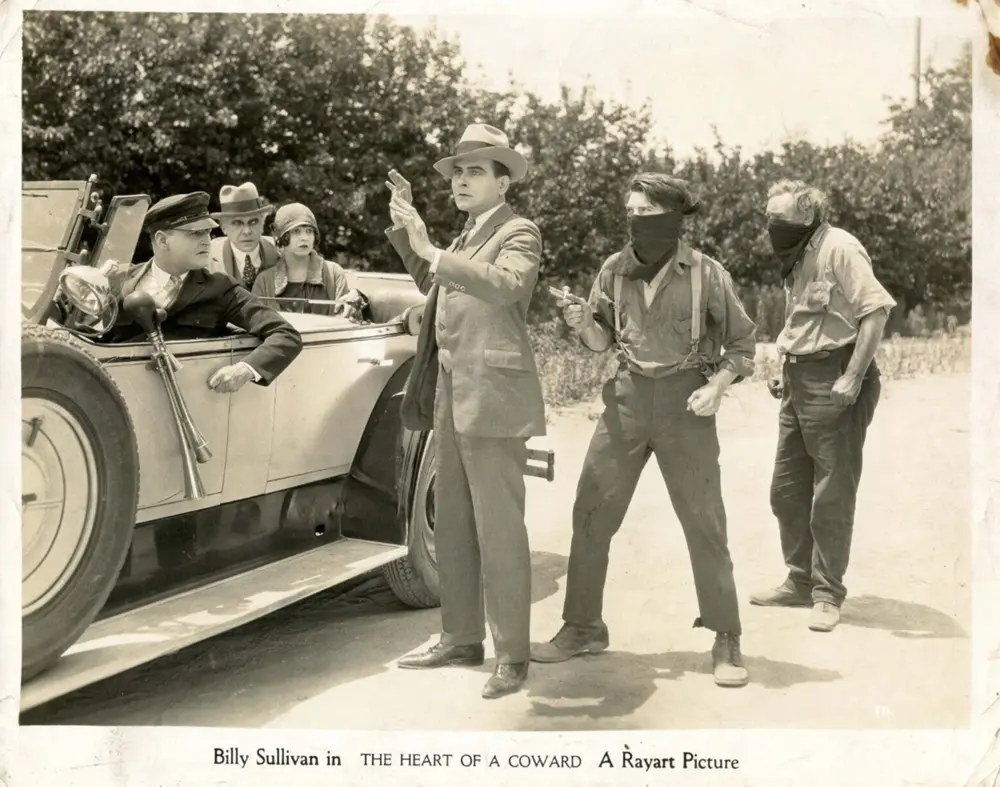
Is The Heart of a Coward, a silent film from an era long past, worth unearthing and watching today? Short answer: yes, but with significant caveats that demand a certain appreciation for cinematic history and its unique storytelling conventions. This film is a fascinating, if sometimes plodding, window into early 20th-century melodrama, offering a glimpse at archetypal narratives that still resonate.
It's a film best suited for silent film enthusiasts, students of early Hollywood, or those with a genuine curiosity for how foundational stories of redemption and moral awakening were articulated without spoken dialogue. If you’re seeking fast-paced action, complex character studies, or modern narrative sophistication, this is decidedly not for you. Its charm lies in its simplicity and the raw, often exaggerated, emotional performances characteristic of its time.
This film works because: It leverages a universally understood narrative of redemption, propelled by the potent, transformative power of love, making its core emotional beats surprisingly accessible even a century later. The clear-cut villainy provides a strong foil for the hero’s awakening.
This film fails because: Its pacing can be glacial by modern standards, and some of the dramatic gestures feel overly theatrical, lacking the subtle nuance contemporary audiences expect. The plot, while effective, is undeniably simple.
You should watch it if: You appreciate the historical significance of silent cinema, enjoy moral fables, or are curious about the acting styles and storytelling techniques prevalent in the 1920s. It’s a foundational piece, not a flawless one.
At its core, The Heart of a Coward is a straightforward morality play, a narrative device much beloved by early cinema. We are introduced to a young man, embodied by Billy Sullivan, whose initial state is one of passivity, perhaps even indifference. He exists in a comfortable stupor, seemingly unaware of the encroaching dangers to his family’s well-being and his own romantic prospects. This isn't a hero born, but a hero forged.
The catalyst for his dramatic shift is love — a pure, potent force that ignites a dormant courage within him. It's a classic trope, certainly, but one that this film handles with earnest conviction. His transformation is spurred by the machinations of Jack Richardson's villain, a conniving figure determined to strip the hero’s aged mother, played with quiet dignity by Edith Yorke, of her rightful assets and, more nefariously, to steal away his sweetheart, Charlotte Stevens.
The plot, while simple, is effective in setting clear stakes. It’s a race against time for Sullivan’s character to shed his 'cowardly' skin and intervene before both his familial legacy and personal happiness are irrevocably lost. The narrative, though lacking complex twists, delivers a satisfying arc of personal growth and righteous triumph, a testament to the enduring appeal of good versus evil.
The acting in silent films is a unique art form, relying heavily on exaggerated facial expressions, body language, and carefully timed gestures to convey emotion without dialogue. Billy Sullivan, as our titular 'coward' turned hero, navigates this challenge with varying degrees of success. His early scenes portray a convincing listlessness, a kind of dreamy detachment that sets up his eventual awakening effectively.
When the emotional stakes rise, particularly in moments involving his mother or sweetheart, Sullivan’s performance gains a much-needed intensity. There’s a scene where he first confronts the full extent of Richardson’s treachery, and his silent anguish, quickly turning to resolve, is genuinely impactful. It’s not a performance of subtle nuances, but one of broad strokes designed to be understood from the back row of a grand picture palace. His transformation is palpable, even if sometimes abrupt.
Edith Yorke, as the aged mother, provides a grounding presence. Her portrayal is one of quiet strength and vulnerability, a maternal figure whose plight immediately garners audience sympathy. Without a single spoken word, her expressions of concern and eventual relief are clear. Jack Richardson, on the other hand, fully embraces the mustache-twirling villain archetype. His smirks, avaricious glances, and predatory movements are perfectly calibrated for the silent screen, ensuring there is no ambiguity about his nefarious intentions. He is the antagonist you love to hate, a necessary component for this kind of dramatic tension.
Charlotte Stevens, as the sweetheart, embodies the innocent beauty often seen in these roles. Her chemistry with Sullivan, though understated, helps cement the emotional core of his motivation. While not given the same dramatic breadth as the others, her presence is vital to the story's romantic stakes. Collectively, the cast delivers exactly what was expected of them in the silent era: clear emotional signals and distinct character types.
The director, whose name unfortunately isn’t credited in the provided context, crafts a visual narrative that, while rudimentary by today’s standards, is effective for its time. The use of intertitles is standard, guiding the audience through plot points and character thoughts, but the real storytelling happens through the camera work and mise-en-scène. There’s a clear understanding of how to frame a scene to emphasize emotion or conflict.
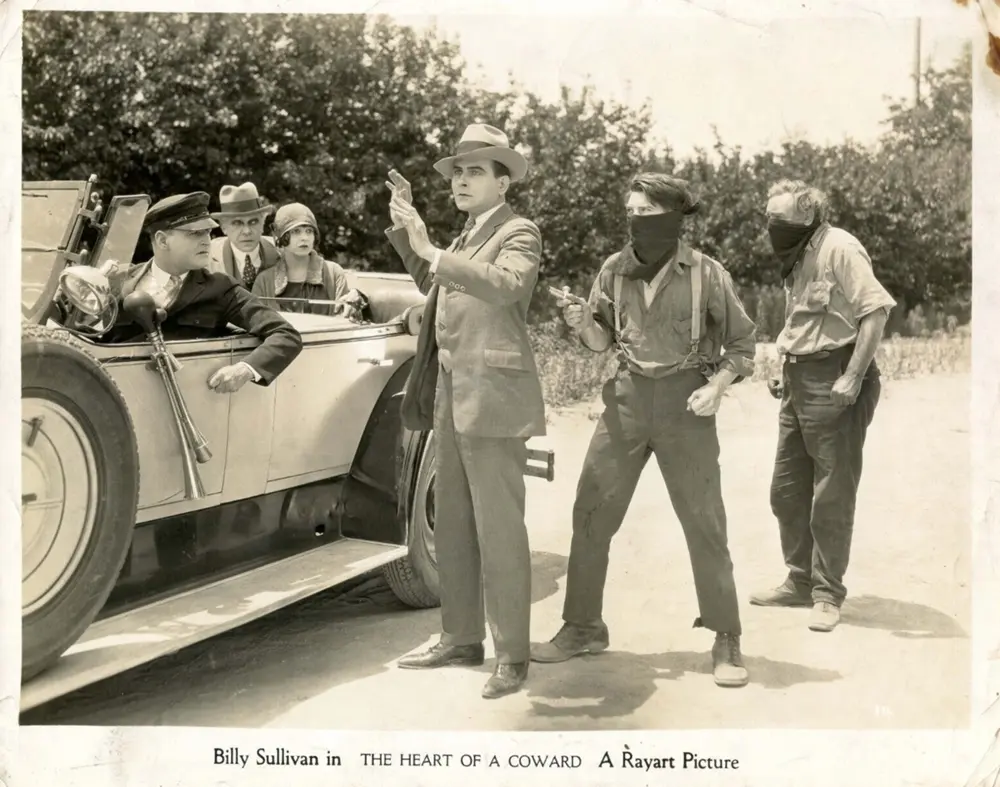
Close-ups are used strategically to highlight pivotal emotional moments, such as a character’s tearful plea or a villain’s menacing glare. The cinematography, while not groundbreaking, serves the story well. Shots are often static, allowing the actors to fill the frame with their expressive performances. There are moments of effective visual storytelling, such as a sequence depicting the villain’s surreptitious dealings, where shadows and framing contribute to a sense of unease.
However, it’s also fair to say that the film doesn't push any boundaries in terms of visual innovation. It adheres to the established grammar of silent cinema, prioritizing clarity and dramatic impact over artistic experimentation. This makes it a solid, if not spectacular, example of the era’s filmmaking craft. One might compare its straightforward approach to other narrative-driven films of the period like Shore Acres or The Loyal Rebel, which also relied on clear character arcs and moral lessons.
The pacing of The Heart of a Coward is undeniably deliberate, a common characteristic of silent films. Sequences unfold at a measured speed, allowing audiences to absorb the visual information and emotional beats without the rapid-fire editing we're accustomed to today. This can be a challenge for modern viewers, occasionally leading to moments that feel drawn out.
The tone is unashamedly melodramatic. Every emotion is amplified, every conflict presented with stark clarity. There’s little room for ambiguity, which, while sometimes feeling dated, also gives the film a certain earnest charm. It’s a world where good and evil are clearly defined, and righteous action is inevitably rewarded.
Thematic echoes of redemption, the corrupting influence of greed, and the transformative power of love resonate strongly. While the execution might be from a different time, the underlying human experiences explored are timeless. It reminds us that stories, at their core, often deal with universal struggles and triumphs, regardless of the technological era they emerge from. This enduring relevance is perhaps its greatest strength.
Yes, for a specific audience. It's not a film for everyone, but it holds significant value for those interested in the evolution of cinema. It provides a clear example of early narrative structure. The film showcases the acting styles prevalent in the 1920s. It offers a straightforward, emotionally driven story of transformation. While slow by modern standards, its historical and thematic importance is undeniable.
Despite its age and simple premise, The Heart of a Coward taps into surprisingly enduring themes. The journey of a protagonist from apathy to heroism, spurred by love and duty, is a narrative bedrock found across cultures and centuries. It speaks to the potential for inner transformation within all of us, a message that never truly goes out of style.
The portrayal of greed, embodied by Jack Richardson’s villain, is equally timeless. The desire to exploit the vulnerable, to cheat and deceive for personal gain, remains a sadly consistent facet of human nature. The film, in its simple way, acts as a moral fable, reinforcing the idea that such transgressions will ultimately be met with resistance and, ideally, defeat.
It's also a commentary on the societal expectations placed upon men of the era: to be protectors, providers, and courageous in the face of adversity. Sullivan’s character arc directly addresses this, showing his evolution into the idealized male figure. This might feel dated to some, but it offers valuable insight into the cultural values being reinforced through popular entertainment of the time, much like how Over the Top from a few years prior celebrated wartime heroism.
Watching The Heart of a Coward is also an exercise in appreciating the craft of silent filmmaking. Filmmakers of this period had to be incredibly ingenious to convey complex emotions and intricate plot points without spoken dialogue. They relied on a combination of visual cues, musical accompaniment (often live), and the expressive power of the human face and body.
The film serves as a reminder of how much storytelling can be achieved through non-verbal means. While some of the acting can appear melodramatic to modern eyes, it was a necessary technique to ensure clarity and emotional impact in an era without sound. It forces the audience to engage differently, to read expressions and gestures with a heightened sense of awareness.
It’s a valuable piece for understanding the foundations upon which all subsequent cinematic storytelling has been built. One can see the nascent forms of character development, dramatic tension, and visual pacing that would evolve rapidly in the coming decades. Compared to something like The Sporting Venus, which offered a more opulent visual spectacle, The Heart of a Coward prioritizes its moral lesson.
The Heart of a Coward is a film that demands patience and a willingness to engage with a bygone era of cinema. It’s not a lost masterpiece, nor is it a film that will convert silent film skeptics. But it is a solid, earnest piece of early cinematic storytelling that fulfills its promise of a simple, moral tale. It works. But it’s flawed.
For those who appreciate the historical context and the unique art form of silent cinema, there’s genuine value here. It offers a compelling, if straightforward, look at how universal themes were explored when visual storytelling was paramount. While it won't set your world on fire, it's a worthy viewing for its historical significance and its surprisingly enduring message about finding courage where you least expect it. Give it a chance, but adjust your expectations accordingly.
IMDb —
1921
Community
Log in to comment.