DbcultAccessing Vault...
5.9/10
Senior Film Conservator
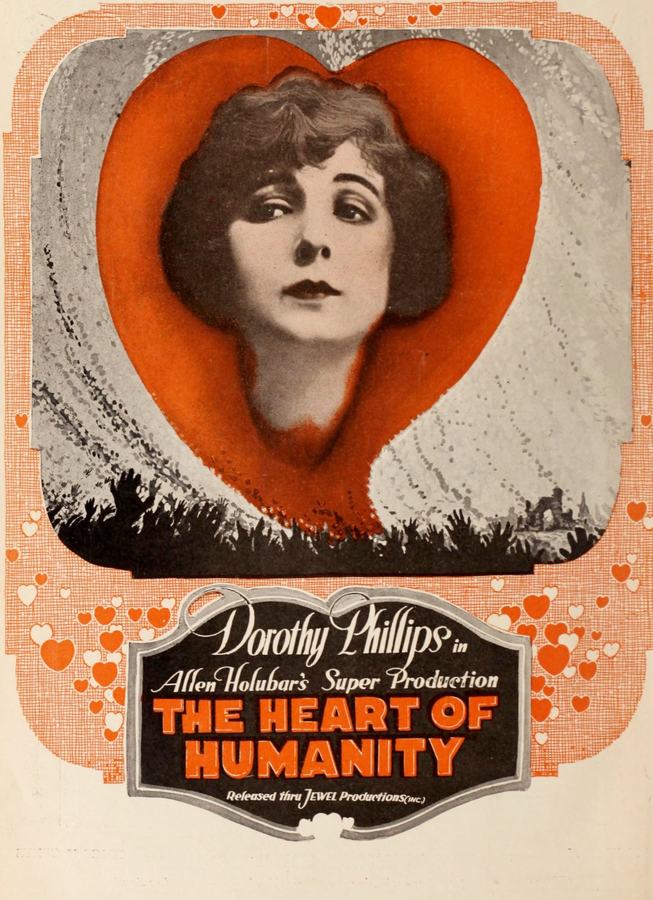
A definitive 5.9/10 rating for a film that redefined the boundaries of cult cinema. The Heart of Humanity remains a cornerstone of transgressive art.
Stepping into the world of Allen Holubar's 1918 epic, The Heart of Humanity, is akin to unearthing a time capsule brimming with the raw, unvarnished emotions of a nation grappling with the unimaginable scale of the Great War. Released while the conflict still raged, this film wasn't merely entertainment; it was a visceral commentary, a propaganda piece, and a deeply felt human drama all rolled into one. It plunges us headlong into the harrowing experiences of an American woman, portrayed with poignant vulnerability by Margaret Mann, who volunteers as a Red Cross nurse overseas. Her journey from naive idealism to hardened resolve, punctuated by moments of profound terror, forms the core of a narrative that, even a century later, retains its unsettling power.
Holubar, who also co-wrote the script with Olga Linek Scholl, demonstrates a remarkable command of visual storytelling, a necessity in the silent era. The film doesn't shy away from depicting the brutal realities of war, laying bare the devastation with an unflinching gaze. From the chaotic, smoke-filled battlefields to the harrowing scenes in makeshift hospitals, the sense of urgency and despair is palpable. This isn't a romanticized vision of conflict; it's a stark, often uncomfortable portrayal of the human cost, a theme that resonates powerfully even when compared to later, more explicit war films. One cannot help but draw parallels to the stark realism attempted in films like Nabat, though separated by decades and vastly different cinematic languages, both strive to convey the personal toll of conflict.
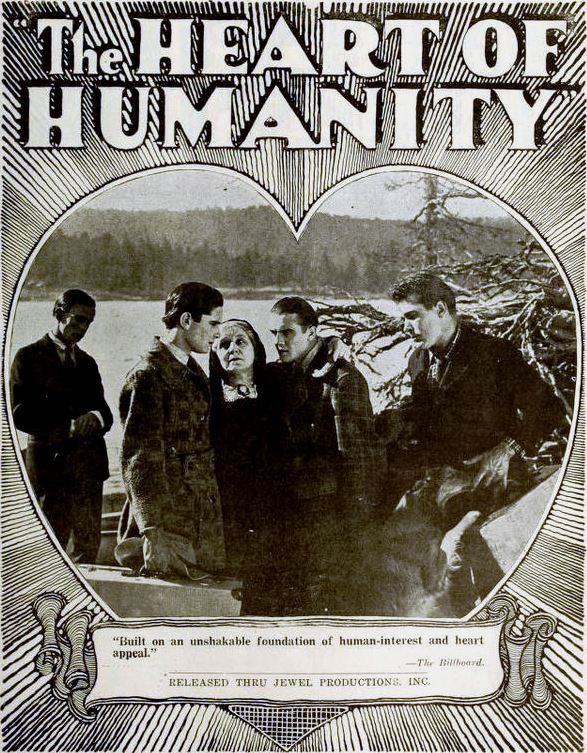
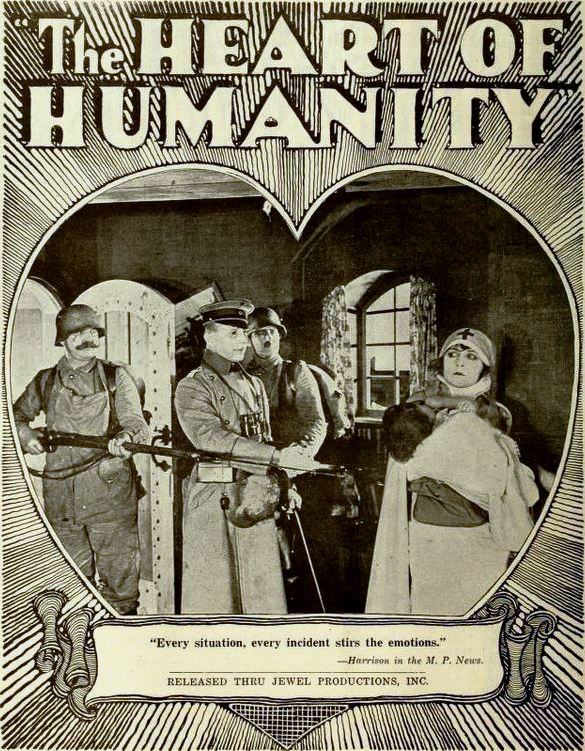
But beyond the bombs and the bloodshed, The Heart of Humanity introduces a more insidious, personal horror in the form of a lecherous Prussian lieutenant, brought to chilling life by the inimitable Erich von Stroheim. Stroheim, even in these early roles, was already perfecting his persona as the 'man you love to hate.' His portrayal is less a character and more a force of nature – a predatory, sneering embodiment of enemy cruelty and moral decay. The tension he creates simply by his presence on screen is immense, a silent but screaming threat that stalks Mann's character. His villainy isn't just about military aggression; it’s about a profound violation of humanity, an almost gleeful embrace of depravity that makes him truly terrifying. This performance alone is a masterclass in silent film acting, utilizing every gesture, every facial contortion to convey a depth of malice that chills to the bone. It's a stark contrast to the more straightforward villainy often seen in contemporary melodramas like Thou Art the Man, where moral lines were often drawn in bolder, less nuanced strokes.
The dynamic between Mann and Stroheim is the emotional fulcrum of the film. Her vulnerability against his raw, animalistic menace creates a suspense that transcends mere plot points. It’s a battle of innocence against depravity, compassion against cruelty, and it’s portrayed with an intensity that must have gripped audiences of the era. The silent medium, far from being a limitation, actually amplifies this tension, allowing the viewer to project their own fears and anxieties onto the unspoken threats. The film masterfully uses close-ups and dramatic staging to heighten these moments, making every interaction between them feel fraught with impending doom.
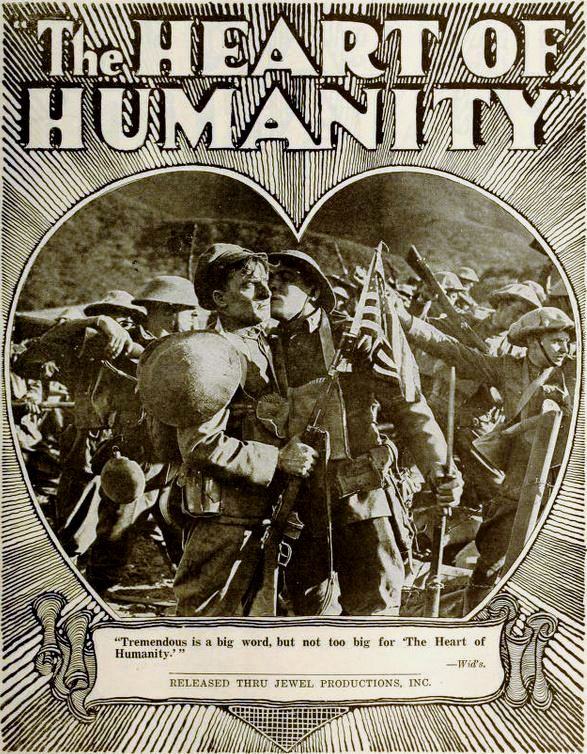
While Mann and von Stroheim anchor the film, the supporting cast paints a vivid tapestry of wartime life and suffering. Louise Emmons, Tom London, Robert Anderson, Pat O'Malley, Frank Braidwood, Valerie Germonprez, George Hackathorne, Lloyd Hughes, Walt Whitman, William Welsh, John Gilbert, Dorothy Phillips, William Stowell, Lieutenant Smith, Gloria Joy, and Joseph W. Girard all contribute to the rich, human texture of the narrative. Each face, each gesture, adds another layer to the immense tragedy unfolding. We see the bravery of soldiers, the despair of refugees, the quiet heroism of other medical personnel. John Gilbert, for instance, even in a relatively early role, hints at the charismatic leading man he would become, bringing a certain earnestness to his character. Dorothy Phillips, a well-established star of the era, also lends her gravitas to the proceedings, grounding the more melodramatic elements with a sense of authentic human emotion.
The film's strength lies not just in its individual performances but in how these characters interact within the grand, terrifying canvas of war. They are not merely archetypes; they are individuals caught in a maelstrom, each reacting in their own distinctly human way. This ensemble approach allows Holubar to explore various facets of the war experience, from the front lines to the home front, albeit through the lens of a very specific American perspective. The film effectively conveys the widespread impact of the conflict, touching on themes of loss, resilience, and the enduring spirit of human kindness amidst unspeakable brutality. It’s a testament to the power of early cinema to evoke complex emotions and social commentary, much like other ambitious silent dramas such as The Story of the Kelly Gang, which also sought to capture a sweeping historical narrative.
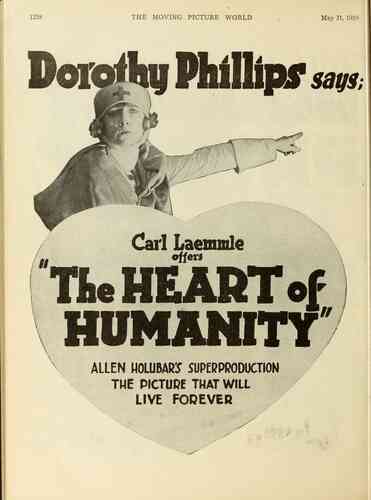
It’s impossible to discuss The Heart of Humanity without acknowledging its context as a wartime production. Released in 1918, it served a dual purpose: to entertain and to galvanize public opinion against the Central Powers, particularly Germany. The portrayal of the Prussian lieutenant by von Stroheim, while undeniably brilliant, also plays into the prevailing anti-German sentiment of the era, painting the enemy in the darkest possible terms. This aspect, while understandable given the times, adds a layer of complexity to its interpretation today. It’s a powerful example of how cinema can be both art and a tool for national sentiment, reflecting the anxieties and biases of its contemporary audience. Films like The End of the World, though Danish and focused on a different kind of global catastrophe, similarly tapped into contemporary fears and anxieties to create a resonant cinematic experience.
Yet, to dismiss it merely as propaganda would be a disservice. Beneath the patriotic fervor and clear-cut good-versus-evil narrative, there lies a profound exploration of human suffering and resilience. The film’s focus on the Red Cross nurse highlights the universal desire for healing and compassion even in the most destructive circumstances. It’s a testament to the human spirit's capacity for empathy and self-sacrifice, themes that transcend nationalistic boundaries. The scenes of nurses tending to the wounded, regardless of their nationality, offer glimmers of hope and a powerful counterpoint to the relentless violence, echoing the quiet dignity found in films like Human Driftwood, which often explores the fortitude of individuals against overwhelming odds.
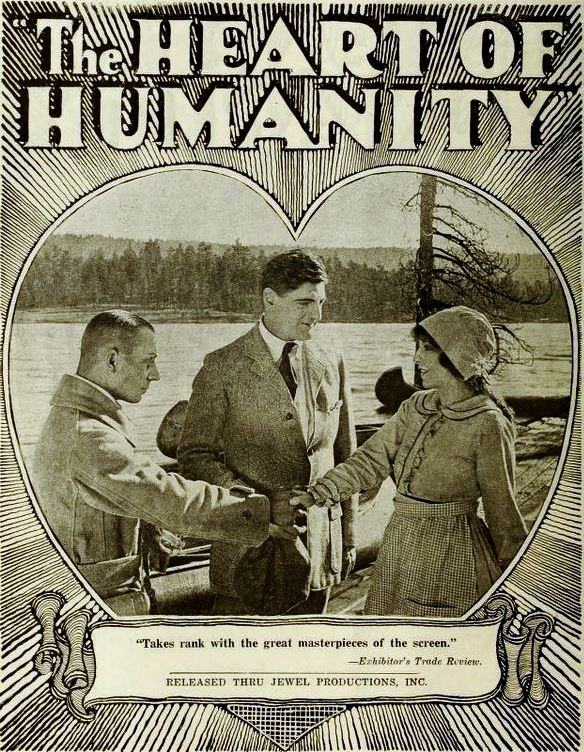
Technically, The Heart of Humanity is a marvel of early filmmaking. Holubar and his cinematographers employ a dynamic visual language, utilizing sweeping tracking shots, dramatic lighting, and intricate set designs to create a sense of scale and immersion. The battle sequences, in particular, are ambitious for their time, conveying chaos and destruction with surprising effectiveness. The use of practical effects and large-scale extras lends an authenticity that modern CGI often struggles to replicate. The film's visual grammar, with its reliance on expressive acting and carefully composed frames, speaks volumes without a single spoken word, proving the immense communicative power of the silent medium. This meticulous attention to visual detail and narrative clarity is a hallmark of the era's best works, much like the intricate character studies found in films such as Wer ist der Täter? or the nuanced social commentaries of Das Recht aufs Dasein.
The editing, too, plays a crucial role in maintaining the film's relentless pace and emotional impact. Sequences shift seamlessly from the intimate terror of the nurse's plight to the sprawling devastation of the battlefield, building a cumulative sense of dread and urgency. The intertitles, while necessary for exposition, are sparingly used, allowing the visuals to carry the bulk of the narrative weight. This balance between visual storytelling and textual guidance is a delicate art, and Holubar navigates it with considerable skill, ensuring the audience remains fully immersed in the unfolding drama. The film's ability to sustain its emotional intensity over its considerable runtime is a testament to its tight direction and compelling performances.
Today, The Heart of Humanity stands as a significant artifact of early cinema, offering invaluable insights into the cultural and political climate of its time. It's a powerful reminder of how film, even in its nascent stages, could serve as a potent mirror to society, reflecting its deepest fears and highest aspirations. For film historians, it provides a fascinating glimpse into the evolution of cinematic techniques, particularly in the handling of large-scale action sequences and the development of character-driven melodrama. For general audiences, it remains a compelling drama, a testament to the enduring human spirit in the face of unimaginable adversity.
Its resonance isn't just historical; the themes of war's dehumanizing effects, the courage of caregivers, and the insidious nature of evil are timeless. While the specific context of World War I may be distant, the emotional core of the film — the struggle for survival and dignity amidst chaos — remains profoundly relatable. It’s a film that asks us to reflect on the true cost of conflict and the unwavering strength required to maintain one's humanity when everything around you conspires to strip it away. Much like the profound human journeys depicted in films such as One of Our Girls or the explorations of identity in The New York Peacock, this film transcends its period setting to speak to universal human experiences.
In conclusion, The Heart of Humanity is more than just a silent film; it's a historical document, a dramatic achievement, and a harrowing journey into the darkest corners of human experience during a pivotal moment in history. It solidifies Allen Holubar’s place as a director capable of both grand spectacle and intimate psychological drama, and it showcases the burgeoning genius of Erich von Stroheim. It's a film that deserves to be rediscovered, studied, and appreciated for its unflinching portrayal of war and its enduring message of humanity's struggle for survival and compassion against overwhelming odds.
IMDb —
1918
Community
Log in to comment.