DbcultAccessing Vault...
Cult Review
Senior Film Conservator
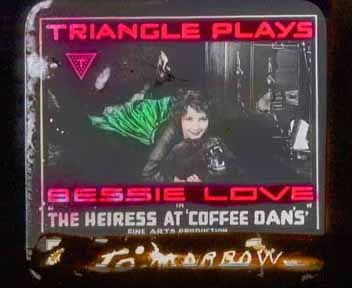
In the shimmering, often tumultuous landscape of early 20th-century cinema, certain films emerge not just as historical artifacts but as vibrant testaments to storytelling's enduring power. "The Heiress at Coffee Dan's", a 1921 silent film directed by the capable hand of William Christy Cabanne, stands as one such delightful, if sometimes overlooked, gem. This cinematic confection, penned by the ingenious Bernard McConville, deftly weaves a narrative tapestry rich with deception, aspiration, and the ultimate triumph of genuine affection over fabricated grandeur. It’s a film that, despite its sepia-toned antiquity, resonates with a timeless quality, offering a poignant reflection on societal values and the elusive nature of happiness.
At its core, the film is a masterclass in the classic "rags-to-riches-and-back-again" trope, albeit with a delightfully deceptive twist. Our protagonist, affectionately known as "Waffles" (portrayed with an exquisite blend of innocence and burgeoning spirit by the remarkable Bessie Love), toils away in the unassuming confines of "Coffee Dan's," a quintessential hash-house. Her life, a monochrome existence of serving patrons and navigating the daily grind, is suddenly splashed with the vivid hues of possibility when she becomes the unwitting target of a meticulously crafted con. Bert Gallagher (Frank Bennett) and Clara Johnstone (Lucille Young), a duo of seasoned swindlers, stumble upon a newspaper report detailing a missing heiress. Seizing the opportunity, they identify Waffles as their ideal candidate, banking on her orphaned past and hazy childhood memories to fuel their audacious scheme. The brilliance of McConville's screenplay, and indeed the film's charm, lies in Waffles's genuine belief in the fabrication. She isn't merely acting; she genuinely believes herself to be this long-lost scion, a testament to her inherent naiveté and perhaps a deep-seated yearning for a grander past.
The film masterfully builds tension as Waffles, under the careful tutelage of her nefarious mentors, navigates the surprisingly credulous legal system. The estate's lawyers, depicted with a charming, if somewhat alarming, lack of acumen, are easily swayed by Waffles's coached performances. This sequence, brimming with subtle comedic undertones, highlights the fragility of appearances and the ease with which perception can be manipulated. One might draw a parallel here to the societal critiques embedded in films like Snobs, where the pretensions and vulnerabilities of the upper crust are often laid bare for satirical effect. However, unlike the often cynical portrayals of social climbing, Waffles's ascent is marked by an endearing purity of intent. Despite her newfound, albeit false, affluence, her desires remain remarkably grounded. Her heart's compass points not towards lavish extravagances but towards three simple, profoundly human aspirations: to purchase "Coffee Dan's" for her kindhearted benefactor, Shorty Olson (the delightful Max Davidson); to publish the whimsical compositions of her lover, Carl Miller (Alfred Paget), an absent-minded musical genius; and to adopt the baby of the impoverished Mrs. O'Shaughnessy (Alva D. Blake), offering a haven to a child in need. These wishes underscore Waffles's inherent goodness, painting her not as a greedy opportunist, but as a benevolent soul momentarily adrift in a sea of manufactured wealth.
The narrative then gracefully transitions into Waffles's new life of supposed luxury. Shorty Olson, a beacon of loyalty and warmth, is installed as chef in her opulent mansion, a testament to her unwavering gratitude. Carl Miller, her quirky composer, becomes a frequent, welcome visitor, their burgeoning romance blossoming amidst the gilded surroundings. Yet, the serpent in this manufactured Eden is Clara Johnstone, whose machinations are far from concluded. Recognizing the genuine affection between Waffles and Carl as a potential impediment to their grander scheme of marrying Waffles off to Gallagher, Johnstone orchestrates a cruel intervention. She subtly poisons Carl's mind, convincing him that his humble presence would only hinder Waffles's destined trajectory into the echelons of high society. This manipulation, a classic melodramatic contrivance, effectively severs their connection, leaving Waffles bewildered and heartbroken by Carl's inexplicable disappearance. This emotional severance is pivotal, clearing the path for Johnstone to pressure a vulnerable Waffles into accepting Gallagher's proposal, thereby solidifying the crooks' access to the vast fortune.
The film's climax is a masterfully choreographed sequence of near-misses and heroic interventions, characteristic of silent era thrillers. Just as the fraudulent wedding ceremony is about to commence, fate, in the form of the ever-vigilant Shorty Olson, intercedes. Shorty, whose comedic timing and genuine warmth are a cornerstone of the film's appeal, inadvertently overhears a heated dispute between Gallagher and a gangster concerning ill-gotten gains. In this moment of accidental eavesdropping, the true, sordid character of Gallagher is laid bare. The tension escalates as Shorty is discovered and summarily imprisoned in the garage, a classic predicament that sets the stage for a dramatic rescue. Meanwhile, Carl Miller, still pining for his lost love, hovers around the mansion, a silent sentinel of regret. His melancholic vigil proves fortuitous as he witnesses Shorty's forced confinement. What follows is a swift, decisive act of heroism: Carl, shedding his absent-minded persona, knocks out the gangster on guard, liberating Shorty. The division of labor is swift and effective: Shorty races to alert the authorities, while Carl, spurred by a renewed sense of purpose, charges towards the wedding ceremony, which has just begun. This sequence of events, brimming with suspense and perfectly timed interventions, demonstrates the adept pacing often found in silent films, where visual storytelling and escalating action carry the narrative weight.
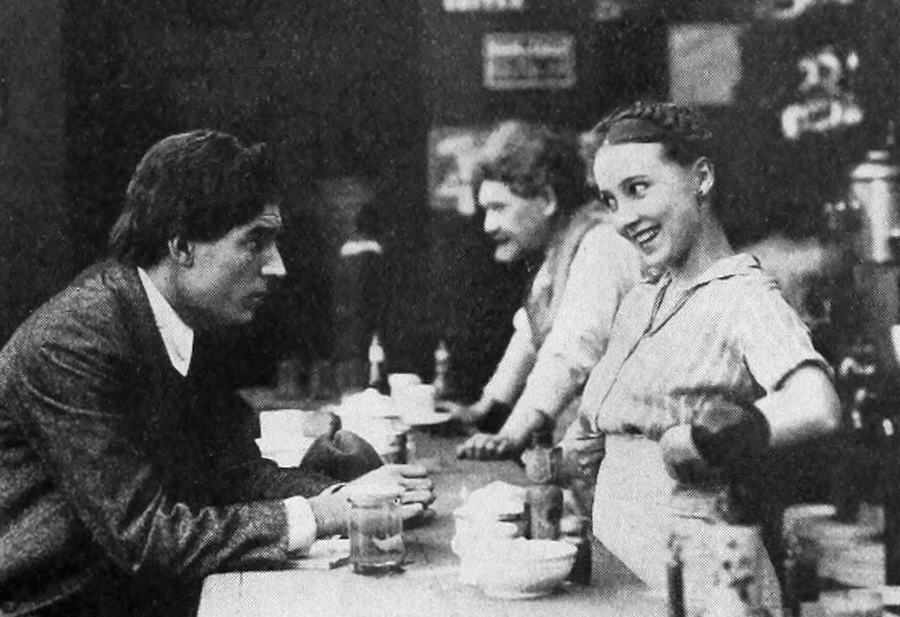
The wedding scene itself is a tour de force of silent film drama. Carl's face, appearing at the window, is enough to cause Waffles to faint, a dramatic flourish that halts the proceedings. When she is revived and the ceremony restarts, Carl forces his way in, engaging Gallagher in a furious, no-holds-barred brawl. The arrival of the police, signaled by Shorty, is perfectly timed, bringing the crooks' reign of deception to a definitive end. This climactic confrontation, a staple of melodramatic narratives, serves as a powerful catharsis, ensuring that justice, though delayed, is ultimately served. The resolution is swift and satisfying: the real heiress is produced, and Waffles, her brief, glittering foray into high society concluded, gracefully returns to her former life at "Coffee Dan's." However, her journey has not been in vain. The reward for the crooks' capture, a sum of $1,500, becomes the catalyst for her original, humble desires to materialize. Shorty Olson, her loyal friend and benefactor, finally realizes his dream of owning "Coffee Dan's." Carl's unique musical compositions find their deserved audience, a testament to his talent and Waffles's unwavering belief in him. And, perhaps most touchingly, Waffles fulfills her promise, adopting Mrs. O'Shaughnessy's baby, cementing a future built on genuine love and compassion rather than illusory wealth. This denouement, while seemingly returning to the status quo, signifies a profound transformation, highlighting that true fulfillment stems not from external validation or material possessions, but from authentic relationships and a compassionate heart.
The performances in "The Heiress at Coffee Dan's" are a significant factor in its enduring appeal. Bessie Love, in the role of Waffles, delivers a nuanced portrayal that transcends the typical ingénue archetype. Her ability to convey innocence, confusion, heartbreak, and ultimately, a quiet strength, without uttering a single spoken word, is a testament to her skill as a silent film actress. She makes Waffles's belief in the lie entirely believable, and her simple, heartfelt desires utterly endearing. Max Davidson, as Shorty Olson, provides much of the film's comedic relief, but also its moral compass. His loyalty and earnestness shine through, making him a truly memorable character. One might consider his performance alongside other stalwart, often comedic, supporting characters of the era, whose genuine goodness often contrasts with the villainy around them. Frank Bennett and Lucille Young, as the conniving Gallagher and Johnstone, play their roles with relish, embodying the archetypal silent film villains whose eventual comeuppance feels justly earned. Alfred Paget's Carl Miller, the absent-minded genius, adds a layer of gentle eccentricity, making his character's manipulation all the more poignant.
Bernard McConville's screenplay is a marvel of concise storytelling, a necessity in the silent era where every intertitle and visual cue had to count. The plot unfolds with a natural rhythm, escalating the stakes without ever feeling contrived. The themes explored—deception, class distinction, the purity of intention versus the allure of wealth, and the enduring power of love and loyalty—are handled with a delicate touch, avoiding heavy-handed moralizing. The film’s exploration of class, for instance, is not a scathing indictment but rather a gentle affirmation that true worth lies beyond social standing. This contrasts with films like Europäisches Sklavenleben, which might offer a more stark and critical look at societal inequalities and exploitation. Instead, "The Heiress at Coffee Dan's" opts for a more optimistic outlook, one where virtue is ultimately rewarded.
Visually, the film, like many of its contemporaries, relies on expressive acting, carefully composed shots, and clear narrative progression through intertitles. While not groundbreaking in its cinematography, it effectively conveys emotion and plot. The contrast between the dingy "Coffee Dan's" and the opulent mansion is visually striking, subtly reinforcing the theme of class and aspiration. The swift action sequences, particularly the garage escape and the wedding brawl, are executed with a kinetic energy that belies the film's age. The direction ensures that the audience remains invested in Waffles's plight and the eventual defeat of her tormentors. The pacing is brisk, a hallmark of well-made silent comedies and dramas, keeping the audience engaged from the initial deception to the joyous resolution. This effective pacing can be compared to the narrative drive seen in other adventure or dramatic silent films, ensuring that even without spoken dialogue, the story moves forward compellingly.
In the grand tapestry of silent cinema, "The Heiress at Coffee Dan's" occupies a charming, if not revolutionary, niche. It's a film that speaks to the simple pleasures of narrative, the enduring appeal of underdog stories, and the timeless triumph of good over evil. It reminds us that even in a world obsessed with superficial glamour and fabricated identities, the most profound riches are found in kindness, loyalty, and the pursuit of one's genuine, unpretentious desires. The film's conclusion, where Waffles finds true happiness not in inherited wealth but in the fulfillment of her modest dreams, serves as a gentle, yet powerful, moral lesson. It's a cinematic experience that, almost a century later, still manages to captivate with its blend of humor, melodrama, and heartwarming sincerity. It reinforces the idea that true value is intrinsic, not inherited, and that the connections we forge and the compassion we show are far more precious than any fleeting fortune. The journey of Waffles, from a humble waitress to a pseudo-heiress and back again, but with a renewed sense of purpose and genuine fulfillment, is a narrative that continues to resonate, proving that some stories, much like the best melodies, simply never go out of style. The final scene, with Shorty owning his diner, Carl's music published, and Waffles embracing motherhood, is a testament to the film's optimistic and enduring spirit, a beautiful crescendo to a truly charming silent film.

IMDb 4.9
1922
Community
Log in to comment.