DbcultAccessing Vault...
Cult Review
Senior Film Conservator
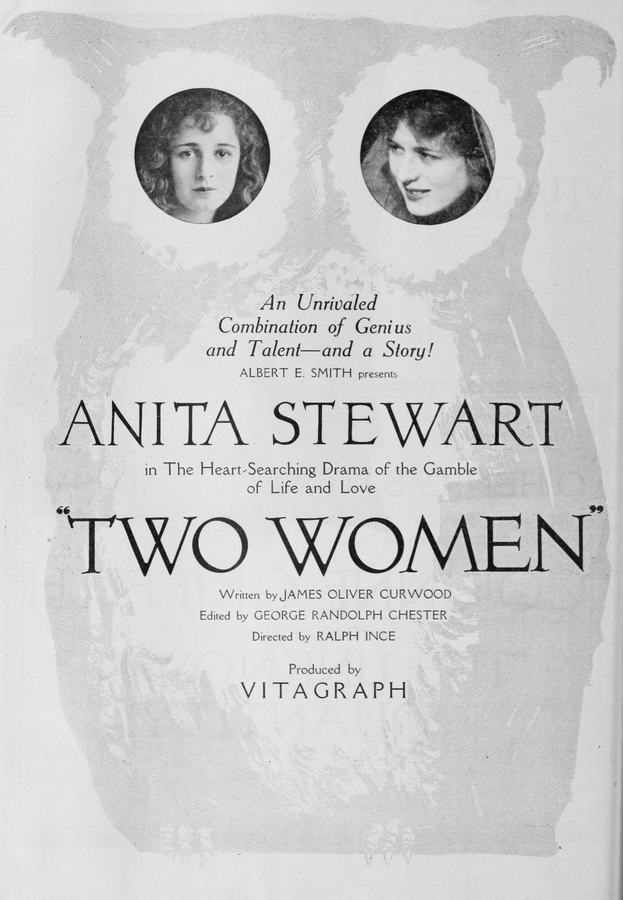
The cinematic landscape, particularly in its nascent stages, often served as a grand canvas for the exploration of human folly and redemption, and Two Women stands as a compelling, albeit tragic, testament to this tradition. From its very opening frames, the narrative plunges us into a world where seemingly idyllic domesticity is but a fragile veneer, easily shattered by the insidious currents of desire and ambition. John Leighton, portrayed with an earnest sincerity by Harry Northrup, embodies a kind of pristine, almost naive, devotion. His adoration for his wife, Emily (Julia Swayne Gordon), is boundless, bordering on the reverential, yet it is precisely this blind spot that renders him vulnerable to the machinations of the world. Emily herself is a fascinating, if ultimately destructive, figure. Her flirtatiousness isn't merely a character quirk; it's a potent, almost elemental force that, when unleashed upon the unsuspecting W. G. Griggs (Earle Williams), proves to be the catalyst for a cascade of irreversible events. Griggs, with his suave demeanor and calculated opportunism, represents the urban predator, a stark contrast to Leighton’s more grounded, honest nature. The film deftly establishes this dynamic, setting the stage for a domestic drama that rapidly escalates into a full-blown melodrama of betrayal and consequence. The initial introduction, seemingly innocuous, becomes a fateful pivot, a subtle tremor preceding a seismic emotional upheaval.
The plot’s engine truly ignites with Griggs’s strategic dispatch of John to the remote Graypeak district. This professional assignment, cloaked in the guise of quarry prospecting, is a thinly veiled ruse, a calculated move to clear the field for Griggs’s pursuit of Emily. The city, with its intricate social webs and hidden desires, thus becomes a crucible for illicit passion, while the mountains beckon as a sanctuary, or perhaps, a proving ground, for John. It's here, amidst the rugged grandeur of nature, that John encounters Enid Arden (Anita Stewart), a character who emerges as the antithesis of Emily’s worldly allure. Enid is timid, beautiful, and possessed of an intrinsic purity that immediately distinguishes her. Her harrowing rescue from a brutal assault by John isn't just a dramatic incident; it’s a pivotal moment of connection, forging a bond born of vulnerability and heroism. This parallel narrative development—the blossoming affair in the city juxtaposed with the nascent, innocent love in the wilderness—is a masterstroke of storytelling, highlighting the divergent paths of morality and affection. The film suggests that while human nature can be corrupted by societal artifice, it can also find solace and genuine connection in the unblemished embrace of the natural world, a theme powerfully echoed in films like The Long Trail, which often explored the transformative power of wilderness on the human spirit.
The inevitable return to the city brings with it a shattering revelation for John. The discovery of Emily’s infidelity is depicted with raw, visceral emotion, transforming John from the adoring husband into a man consumed by righteous fury. The confrontation with Griggs is not merely a physical altercation; it's an explosion of shattered ideals and betrayed trust, a public disintegration of a life meticulously constructed on devotion. John’s subsequent departure from Emily is definitive, a stark declaration that some wounds are too profound to heal. Emily and Griggs, in a desperate attempt to outrun the societal opprobrium, flee to Europe. This transatlantic escape is a telling commentary on the era’s rigid social conventions, where scandal could ruin reputations and necessitate drastic measures to preserve what little honor remained. Yet, their flight is not an escape into happiness; rather, it's a journey into a gilded cage of their own making. The initial thrill of their illicit romance soon gives way to the corrosive realities of their union, marked by Emily's growing resentment and Griggs’s continued philandering. The narrative intelligently portrays the superficiality of their bond, built on fleeting passion rather than genuine affection, a stark contrast to the burgeoning, more profound connection John is forging elsewhere.
As Emily initiates divorce proceedings from across the Atlantic, the news reaches John in the solitude of his mountain retreat. Far from offering closure, this legal formality only deepens his bitterness, solidifying the emotional scars left by Emily’s betrayal. The mountains, which once offered a temporary escape, now become a more permanent refuge, a stoic backdrop against which John attempts to heal his fractured spirit. Meanwhile, the European sojourn of Emily and Griggs descends into a maelstrom of quarrels and recriminations. Emily, once the object of Griggs’s singular attention, now finds herself sidelined by his wandering eye, a cruel irony given her own past transgressions. The unraveling of their relationship is swift and brutal, culminating in Griggs’s violent demise at the hands of a jealous lover. This dramatic turn of events, while perhaps melodramatic to a modern sensibility, perfectly encapsulates the moralistic tone often prevalent in films of this period, where infidelity and vice frequently met with punitive outcomes. Griggs's death serves as a stark karmic retribution, leaving Emily to confront the wreckage of her choices, alone and adrift in a foreign land. It’s a moment that resonates with the fatalistic undercurrents seen in other contemporary dramas, where characters often reap what they sow, much like the intricate moral dilemmas explored in Das Todesgeheimnis, where secrets often lead to tragic ends.
Undeterred by tragedy and seemingly oblivious to the emotional devastation she has wrought, Emily embarks on a determined quest to track John to Graypeak. Her arrival in the mountains is not one of penitence, but rather of calculated ambition. She sees in John not a lost love to be rekindled through genuine remorse, but a prize to be reclaimed, a status symbol perhaps, or a means to re-establish a semblance of her former life. John, however, is no longer the naive, blindly devoted man she once knew. His rejection of her is firm and unequivocal, a testament to the profound transformation he has undergone. Yet, Emily, with a chilling self-assurance, refuses to accept this dismissal. Her belief that she can appeal to Enid’s inherent sympathy and honor, coercing her to relinquish John, speaks volumes about her manipulative nature and her profound inability to comprehend genuine affection or integrity. She views love and relationships as transactions, as things to be negotiated and won, rather than organic bonds forged from mutual respect and devotion. This manipulative streak is a key element of her character, making her a compelling, if unsympathetic, antagonist, reminiscent of the complex, often morally ambiguous female characters found in films like The Fear Woman, where ambition often overshadowed empathy.
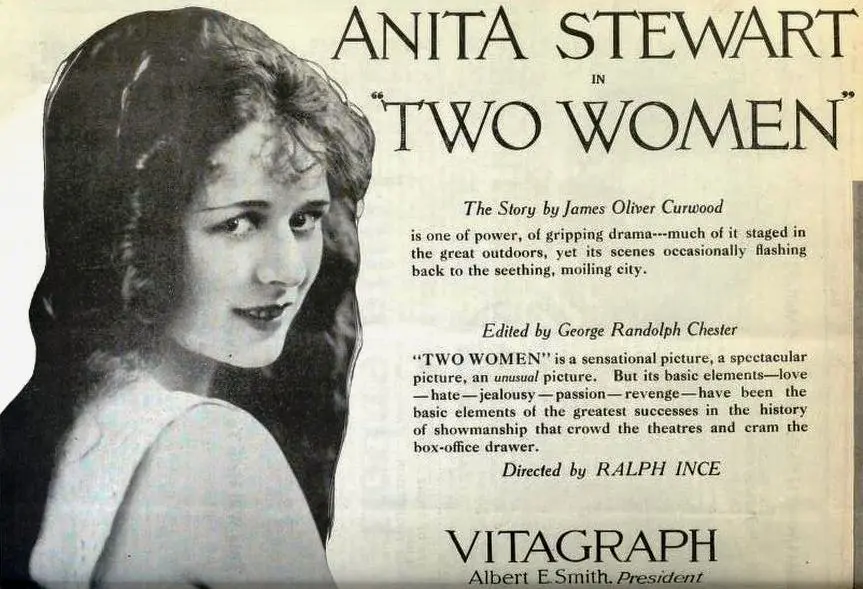
The film builds towards its climax with a palpable sense of impending fate. Emily’s journey back, fueled by a misguided sense of entitlement and a desperate hope to reclaim her past, takes a catastrophic turn. The train collision, a sudden and violent rupture in the narrative, is more than just a plot device; it's a symbolic intervention of destiny, a dramatic cleansing of the moral landscape. This dramatic event serves to abruptly sever Emily’s manipulative designs, preventing her from executing her cynical plan to exploit Enid’s good nature. In a storytelling tradition often keen on moral clarity, such a decisive, external force ensures that virtue ultimately triumphs over vice. The train wreck is a stark, almost divine, judgment, clearing the path for a resolution that aligns with the film's underlying ethical framework. It’s a potent reminder that while human beings may plot and scheme, there are forces at play—be they fate, karma, or simply the harsh realities of consequence—that ultimately shape their destinies. The scene, though tragic, is pivotal in its narrative function, ensuring that the ending resonates with a sense of earned justice and hopeful renewal. It's a trope that, while common in early cinema, still possesses a raw emotional power to deliver impact and thematic closure.
With Emily’s dramatic exit from the narrative, the stage is finally set for John and Enid to embrace their future. Their journey towards happiness is not one of unblemished ease, but rather one forged through adversity and profound personal growth. John, having endured the searing pain of betrayal and the arduous process of self-discovery in the wilderness, emerges as a man refined by suffering, capable of recognizing and valuing genuine affection. Enid, for her part, represents the quiet strength and unwavering loyalty that John desperately needs. Their shared future in the tranquil peaks of Graypeak symbolizes a return to purity, a rejection of the superficiality and moral decay of the city. It’s a conclusion that, while perhaps idealistic, offers a powerful message of hope and the enduring possibility of finding true companionship after immense hardship. The film, through its characters’ arcs, suggests that redemption is possible, not through vengeance or regret, but through embracing honesty, compassion, and the restorative power of authentic connection. The final frames convey a sense of peaceful resolution, a hard-won serenity that feels deeply satisfying after the emotional turbulence that precedes it. This narrative arc, from urban deceit to natural harmony, is a recurring motif in cinema, often reflecting a societal yearning for simpler, more honorable existences, a sentiment perhaps explored in films like Wooden Shoes, where rural innocence often contrasts with metropolitan complexities.
The performances, particularly given the constraints of early cinema, are remarkably expressive. Harry Northrup’s John Leighton conveys a wide spectrum of emotions, from idealistic love to profound despair and, finally, a quiet resolve. His transformation is central to the film’s emotional core, and Northrup delivers it with compelling gravitas. Julia Swayne Gordon’s Emily is equally captivating. She manages to imbue her character with a dangerous allure that makes her initial appeal understandable, while subtly hinting at the self-serving nature beneath the charming facade. Her portrayal prevents Emily from becoming a one-dimensional villain, instead presenting her as a complex figure driven by desires that ultimately lead to her downfall. Anita Stewart’s Enid Arden, while initially timid, grows into a symbol of steadfast virtue, her quiet strength providing a vital counterpoint to Emily’s volatility. Earle Williams’ Griggs, though a more straightforward antagonist, effectively embodies the slick, predatory urbanite, his presence a constant threat to domestic tranquility. The interplay between these actors, relying heavily on gesture, facial expression, and physical staging, is a masterclass in silent film acting, conveying intricate emotional landscapes without the aid of dialogue. The chemistry, or lack thereof, between the various pairings is skillfully managed, guiding the audience's sympathies and understanding of the characters' relationships.
Beyond the performances, the film’s thematic depth warrants significant discussion. Two Women is a powerful exploration of moral choices and their far-reaching consequences. It pits the superficiality of physical attraction against the enduring strength of genuine affection, the corrupting influence of urban life against the purifying embrace of nature. The narrative subtly critiques societal expectations of marriage and fidelity, while simultaneously affirming the values of loyalty and integrity. The contrast between Emily and Enid is not merely a plot device for a love triangle; it's a philosophical statement on different modes of being. Emily represents a self-serving hedonism, a pursuit of immediate gratification regardless of the cost to others. Enid, on the other hand, embodies a selfless compassion, a quiet dignity that seeks connection rooted in mutual respect. This duality elevates the film beyond a simple melodrama, imbuing it with a timeless relevance regarding human ethics and the search for authentic happiness. The film doesn't shy away from depicting the harsh realities of betrayal, but it ultimately champions the restorative power of true love and moral fortitude, echoing the moralistic narratives seen in films such as The Girl Who Won Out, where virtuous protagonists often overcome adversity through their inherent goodness.
The cinematic language, even in its early form, is surprisingly sophisticated. The use of parallel editing to juxtapose John’s experiences in Graypeak with Emily’s affair in the city creates a compelling tension, drawing the audience deeper into the unfolding drama. The visual storytelling relies on stark contrasts—the bustling, potentially corrupting city versus the serene, redemptive mountains. The camera work, though perhaps static by modern standards, effectively captures the emotional intensity of key moments, focusing on expressions and gestures to convey unspoken thoughts and feelings. The pacing, while deliberate, allows for a comprehensive exploration of character motivations and narrative developments, ensuring that each dramatic beat lands with maximum impact. The film understands the power of visual metaphor, using the vastness of the natural landscape to reflect John’s emotional isolation and eventual healing. The train, a symbol of progress and connection, becomes an instrument of fate, highlighting the unpredictability of life. These subtle yet effective cinematic choices demonstrate an emerging mastery of the medium, proving that even without synchronized sound, a film could communicate profound ideas and elicit powerful emotional responses from its audience. The construction of dramatic tension and release is handled with a finesse that belies the film's age, making it a compelling watch for those interested in the evolution of narrative cinema.
In conclusion, Two Women is far more than a simple love story or a cautionary tale of infidelity. It is a rich tapestry woven with threads of human weakness and resilience, societal pressures and personal redemption. It showcases the enduring power of narrative to explore complex moral questions and the transformative potential of adversity. The film’s lasting appeal lies in its exploration of universal themes: the allure of forbidden desire, the agony of betrayal, the search for solace, and the ultimate triumph of genuine affection over superficial passion. Its characters, though archetypal, are rendered with enough nuance to feel relatable, their struggles resonating across generations. For enthusiasts of early cinema, it offers a fascinating glimpse into the storytelling techniques and moral sensibilities of its era. For any viewer, it provides a gripping drama that, despite its age, continues to speak to the timeless complexities of the human heart. It reminds us that while the settings and social norms may change, the fundamental desires, failings, and capacities for love and forgiveness within us remain constant, making Two Women a valuable and insightful piece of cinematic history, deserving of its place in the discourse of classic film.
IMDb 5
1923
Community
Log in to comment.